Published: Thursday, September 24, 2026 · 12:04 AM | Updated: Thursday, September 24, 2026 · 12:04 AM
📊 4,284 views




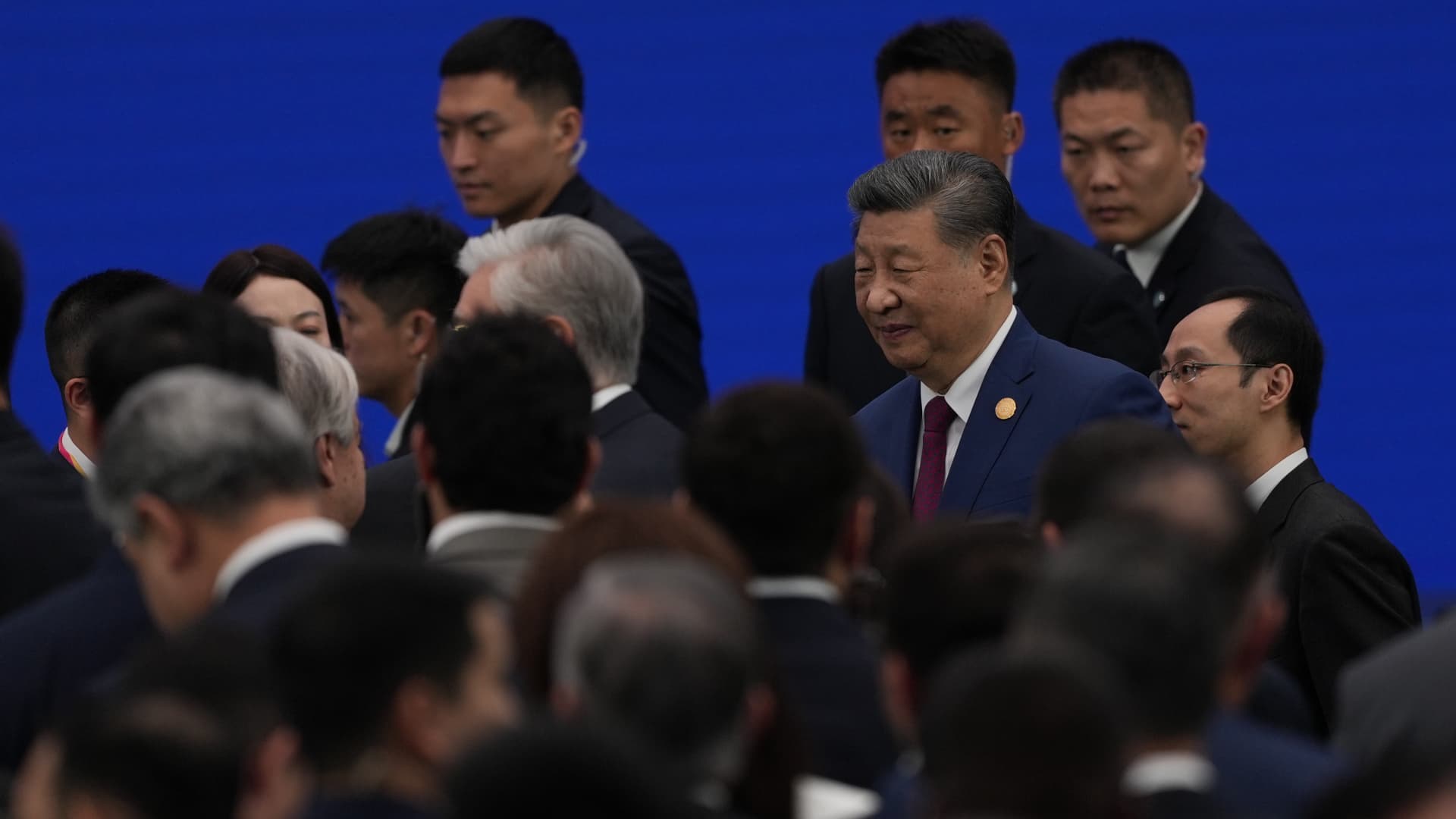
China’s recent surge in AI chip and model development, spearheaded by tech giants like Huawei and Alibaba, signals a strategic pivot aimed at demonstrating resilience against U.S. technological export controls. This advancement presents a complex challenge to Washington’s strategy of stifling China’s AI ambitions through supply chain restrictions.
🚀 Tech Strategy & Market Disruptions
- Accelerated Chip Development. Huawei and Alibaba have notably advanced their AI chip release timelines, indicating a responsive innovation cycle to external pressures.
- Clustering as a Workaround. Chinese firms are increasingly leveraging the aggregation of numerous less advanced chips to form powerful computing clusters, circumventing the need for cutting-edge U.S. processors.
- Geopolitical Signaling. The timing of these technological announcements, coinciding with high-level diplomatic engagements, serves as a clear message to the U.S. about China’s growing self-sufficiency in critical tech sectors.
The strategic moves by Chinese enterprises are designed to counter Washington’s long-standing approach of restricting access to advanced AI chips, such as those produced by Nvidia, and the sophisticated equipment required for their manufacture. The underlying assertion from Beijing is that while these restrictions may slow progress, they are insufficient to halt China’s trajectory in AI development. This narrative is being amplified by national champions who have accelerated their own chip production cycles. Huawei, for instance, reportedly brought forward the launch of its next AI chip by three quarters, while Alibaba unveiled what it claims is the country’s most powerful AI processor. Startups like DeepSeek have also reportedly assembled significant computing power using Huawei’s chips, demonstrating a robust domestic ecosystem.
This intensified focus on domestic AI chip capabilities comes as Chinese President Xi Jinping engages in high-level discussions with U.S. leadership. Analysts suggest that the timing of these technological unveilings is deliberate, intended to bolster China’s negotiating position and underscore its technological progress. George Chen, partner at The Asia Group, noted that Xi arrives with numerous ‘cards’ to play, highlighting the deliberate nature of these announcements ahead of critical summits. This strategy aims to present a fait accompli to U.S. policymakers, suggesting that efforts to technologically isolate China are increasingly futile.
However, the narrative of complete self-sufficiency is nuanced. Despite accelerated timelines and innovative clustering strategies, fundamental challenges remain. Experts like Chris Miller, author of ‘Chip War’, point out that U.S. AI models still hold a significant lead in terms of technical benchmarks and profitability. Revenue generated by U.S. firms such as Anthropic and OpenAI far outpaces their Chinese counterparts. Furthermore, while China’s approach of linking thousands of chips into large clusters is a viable strategy, it has limitations. Huawei’s SuperPoD architecture, for example, links fewer processors than initially planned, and individual chips still lag behind Nvidia’s compute capabilities.
- Concerns persist regarding the fundamental competitive landscape, with experts like Xiaomeng Lu of Eurasia Group stating that ‘Chinese chip companies haven’t made any groundbreaking progress in the past few years.’
- The reliance on smuggling chips or accessing data centers outside China underscores a continued dependency on U.S. technology for advanced AI development, as noted by Miller.
- Despite these limitations, the accelerated development pace and strategic clustering offer China leverage, allowing them to argue that U.S. restrictions are more of a speed bump than a roadblock.
The ongoing U.S.-China summit, while focusing on areas like AI safety and incident warnings, has explicitly excluded discussions on export controls for advanced chips and chipmaking equipment. This indicates a temporary détente on this specific issue, perhaps due to broader geopolitical priorities concerning Taiwan and Iran. Nonetheless, the underlying tension in the technology market persists, with China demonstrating its commitment to fostering an indigenous AI semiconductor industry. The recalibration of U.S.-China tech relations, as described by Lyle Morris of the Asia Society Policy Institute, is a long-term endeavor, unlikely to be resolved in a single summit.
Huawei Ascend 960DT & Alibaba Zhenwu V900 Performance Benchmarks
Huawei’s Ascent 960DT is slated for a Q1 2027 shipment, a significant acceleration from its original schedule. Concurrently, Alibaba’s Zhenwu V900 chip boasts triple the performance of its predecessor and is set for an early 2027 market release. This dual advancement highlights a concentrated effort within China to rapidly scale AI hardware capabilities. Sigrid Wang, an analyst at Hutong Research, observed a ‘genuine acceleration in its production timeline,’ suggesting that China’s strategy of using technological advancements to counter U.S. sanctions is gaining traction. The ability to point to such progress provides Xi with a stronger argument that sanctions can impede but not entirely halt China’s technological growth.
For CTOs and solution architects, China’s AI chip blitz underscores a critical imperative: building resilient and adaptable technology stacks that can navigate geopolitical complexities. It emphasizes the need for diversified sourcing, strategic partnerships, and a proactive approach to in-house R&D to mitigate supply chain risks and ensure long-term innovation.
| Chip Name | Developer | Projected Availability | Key Advancement |
|---|---|---|---|
| Ascent 960DT | Huawei | Q1 2027 | Accelerated production timeline |
| Zhenwu V900 | Alibaba | Early 2027 | Triple performance increase |
China’s AI Chip Manufacturing Ecosystem Maturity
While domestic advancements are notable, the foundational competitive landscape remains a subject of debate. U.S. firms continue to dominate in terms of sheer processing power and cutting-edge innovation. However, the Chinese ecosystem is increasingly focused on optimizing distributed computing and leveraging available resources effectively. The clustering approach, though limited in its ability to replicate the performance of high-end U.S. chips, represents a pragmatic solution for scaling AI capabilities within current constraints. This strategy allows Chinese companies to address the immediate demand for AI infrastructure and maintain momentum in research and development. Further details on China’s technological innovations can be found in industry reports.
Alibaba’s Distributed Computing Architecture
Alibaba’s strategy with its Zhenwu V900 chip emphasizes its distributed computing architecture, designed to maximize the utilization of interconnected processors. This approach is crucial for training and deploying large-scale AI models, especially when access to the most advanced, monolithic chips is restricted. The company’s focus on parallel processing and high-speed interconnects aims to create a robust infrastructure capable of supporting a wide range of AI applications. The development reflects a broader trend in the industry towards more heterogeneous and scalable computing solutions, pushing the boundaries of what can be achieved with available hardware. This focus on architecture rather than solely on raw chip power is a testament to the adaptability of Chinese tech firms in the face of supply chain challenges.
The Ripple Effect of AI Chip Competition
The intensified competition in the AI chip sector, driven by China’s advancements, is reshaping the global technology landscape. It compels U.S. companies and policymakers to re-evaluate their strategies regarding export controls and domestic innovation. The narrative that China can’t be technologically ‘choked off’ is gaining currency, suggesting that a more collaborative or at least a less confrontational approach to technology trade might be necessary. The rapid development in China highlights the dynamic nature of the emerging technologies sector and the constant need for innovation and adaptation. This dynamic is a significant factor for investors tracking the semiconductor and AI markets, as detailed in various industry analyses.
China’s AI Chip Advance: A New Era of Tech Independence?
China’s recent strides in AI chip technology signal a determined pursuit of technological independence, challenging the established dominance of Western nations. The accelerated development and strategic clustering of chips demonstrate a capacity to innovate despite external pressures, potentially altering the future trajectory of global AI development.
- The advancements in AI chip production are positioning China to reduce its reliance on foreign technology, fostering a more self-sufficient domestic industry.
- This push could lead to increased competition and innovation in the global AI market, as new players emerge with distinct technological approaches.
- The geopolitical implications are significant, potentially shifting the balance of technological power and influencing international trade relations in the long term.
Will this persistent innovation within China ultimately redefine the global landscape for AI hardware and software, leading to a more multipolar technological future?
📊 StockXpo Analyst’s View
Market Impact: The news suggests a tightening of the AI chip market, potentially increasing prices for cutting-edge components while driving innovation in alternative architectures. Investor sentiment may shift towards companies with strong domestic supply chains and adaptable technology strategies.
Sector To Watch: The semiconductor manufacturing equipment sector, alongside AI software and cloud computing providers in China, will likely see increased attention. Companies focusing on chip design tools and advanced materials will also be critical.
Financial Disclaimer:
StockXpo.com is a financial news aggregator and educational portal, not a registered investment advisor or broker-dealer. All information, news, and analysis provided herein are strictly for educational purposes and do not constitute investment, financial, legal, or tax advice. Investing in the stock market involves high risks, and past performance is not indicative of future results. StockXpo will not be liable for any financial losses or investment damages. Always consult a certified financial advisor before making market decisions.
MORE IN INSIDE TECHNOLOGY

Anthropic Pentagon Blacklisting: A Major Risk for AI’s Public Sector Role
Published: Wednesday, October 14, 2026 · 12:03 AM

Bond Yields Under Pressure: IMF Warns of ‘Disorderly’ Spike Driven by AI Debt and Inflation
Published: Tuesday, October 13, 2026 · 1:21 AM