Published: Wednesday, September 23, 2026 · 4:52 PM | Updated: Wednesday, September 23, 2026 · 4:52 PM
📊 105 views




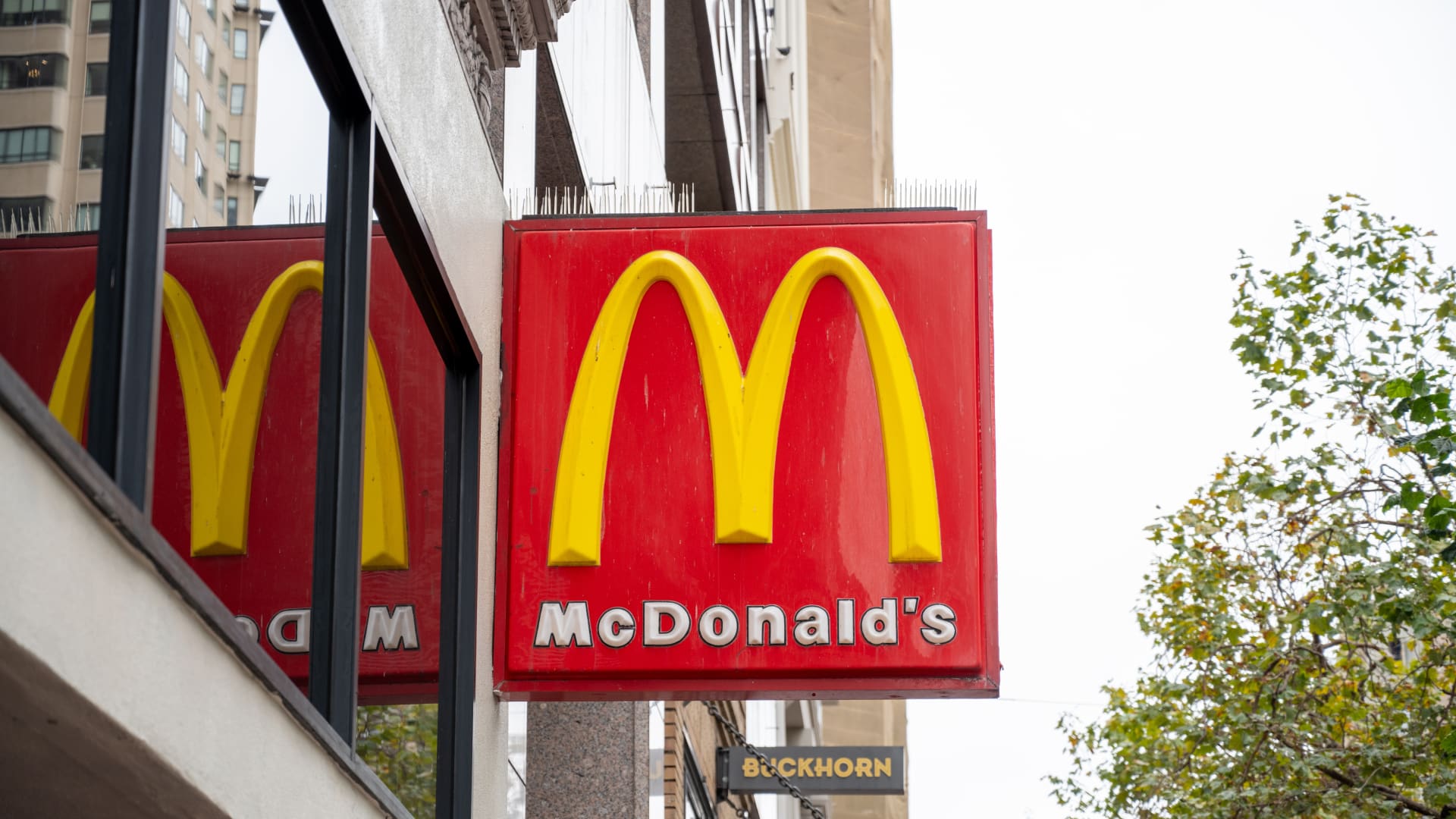
In a significant strategic move, McDonald’s has announced plans to launch its own media network, positioning itself alongside e-commerce and retail giants like Amazon and Walmart. This initiative represents a bold step for the quick-service restaurant (QSR) sector, aiming to unlock a new, high-margin revenue stream at a time of escalating operational costs and planned infrastructure investments.
🗝️ Corporate Strategy Insights
- Revenue Diversification. McDonald’s is tapping into the high-growth commerce media sector to generate a projected $1 billion in additional, high-margin revenue.
- Leveraging Existing Assets. The company plans to utilize its vast digital drive-thru infrastructure and unparalleled customer reach with minimal new operational costs or disruption.
- Pioneering the QSR Space. By establishing its own media network, McDonald’s is setting a precedent for the restaurant industry, potentially inspiring competitors to explore similar monetization strategies.
McDonald’s is entering the competitive advertising landscape, drawing lessons from the successful ventures of retail heavyweights. The fast-food giant commenced a pilot program in August across 450 company-owned U.S. restaurants, displaying advertisements from other companies on its digital drive-thru order boards. This initial phase marks the beginning of what the company hopes will grow into a substantial $1 billion business.
Global Chief Marketing Officer Morgan Flatley emphasized the strategic appeal, noting, ‘Commerce media is one of the fastest-growing areas in advertising, and it’s expected to reach more than $100 billion in the U.S. alone by 2028.’ Flatley highlighted the efficiency of this model, stating it is ‘an opportunity to generate revenue for the system with little in the way of additional cost, no operational complexity and no disruption to our customer experience.’ This move is particularly pertinent as McDonald’s navigates rising input costs, such as beef, and commits billions to restaurant upgrades over the next decade.
CFO Ian Borden articulated McDonald’s unique competitive edge, telling CNBC, ‘We have one of the most valuable brands of any company of our size and scale in any industry.’ He further underscored the company’s vast reach, serving approximately 85% of the U.S. population at least once a year through its 14,000 U.S. locations, providing a compelling platform for advertisers. The launch of the McDonald’s media network signals a proactive approach to evolving market dynamics, seeking to capitalize on its extensive customer touchpoints.
Retailers have already demonstrated the profitability of such ventures:
- Amazon reported a robust $68.6 billion in advertising service sales in 2025, constituting just under 10% of its total revenue, demonstrating the immense potential of diversified ad platforms.
- Walmart’s Connect, its U.S. ad business, saw sales growth of 43% in its fiscal second quarter, extending its reach through its app, website, in-store displays, and even external platforms like Instagram, further cemented by its acquisition of TV maker Vizio.
The strategic ripple effect of McDonald’s foray into advertising is multifaceted. The launch of the McDonald’s media network represents a critical effort to diversify revenue streams, moving beyond its core food sales. This initiative could significantly enhance profitability by leveraging existing assets – digital menu boards and its massive customer base – to generate high-margin ad revenue. For competitors in the QSR space, this development could trigger a re-evaluation of their own underutilized customer touchpoints, potentially leading to a new wave of innovation in how restaurants monetize their physical and digital footprints. This could intensify competition not only for customer spend but also for advertising dollars, reshaping the commercial landscape of the broader QSR industry.
The most critical strategic takeaway for McDonald’s is its ability to transform existing operational infrastructure, like digital drive-thru boards, into a novel revenue-generating asset with minimal additional investment, effectively monetizing customer attention at an unprecedented scale within its sector.
While specific current revenue figures for the McDonald’s media network are not yet available due to its nascent stage, the projected impact is significant. The following data points highlight the opportunity and comparable success from other market leaders:
- McDonald’s Media Network: Projected to become a $1 billion business for the company, indicating a substantial new revenue stream.
- Amazon Advertising Services: Generated $68.6 billion in sales in 2025, accounting for nearly 10% of the company’s overall revenue, underscoring the high-margin potential.
- Walmart Connect (U.S.): Achieved 43% sales growth in its fiscal second quarter, showcasing the rapid expansion capability of a well-executed retail media network.
These figures demonstrate why monetizing customer attention via an advertising platform is a compelling strategy for companies with vast reach and digital infrastructure.
McDonald’s Strategic Analysis: Beyond the Burger
McDonald’s historical strength lies in its iconic brand, vast global footprint, and efficient operational model for delivering food. However, this venture into a McDonald’s media network demonstrates a sophisticated evolution of corporate growth strategies. It signifies a shift from purely transactional revenue to leveraging its audience as a valuable asset for third-party advertisers. This strategy enhances the company’s financial resilience against commodity price fluctuations and operational costs, effectively creating a new profit center that complements its core business without cannibalizing it.
McDonald’s Competitive Advantages in Advertising
McDonald’s possesses distinct competitive advantages that position its media network for success. Its unparalleled daily customer traffic and broad demographic reach provide advertisers with a highly coveted captive audience. Unlike traditional media outlets, McDonald’s can offer hyper-local advertising opportunities across its 14,000 U.S. locations, connecting brands with specific communities. This unique combination of scale, brand trust, and localized reach sets it apart, offering a powerful platform for businesses looking to engage a diverse consumer base. Such capabilities are often discussed in broader corporate growth strategies analysis, underlining the importance of leveraging unique assets.
McDonald’s Media Network: Paving the Way for QSR Innovation
The launch of the McDonald’s media network marks a pivotal moment for the quick-service industry, showcasing how established brands can innovate beyond their traditional offerings. By transforming its digital infrastructure into an advertising platform, McDonald’s is not only creating a new income stream but also setting a precedent for sector-wide strategic re-evaluation.
- The move signifies a critical diversification of revenue, reducing reliance on food sales alone.
- It leverages McDonald’s unique brand equity and vast physical footprint to capture a share of the burgeoning commerce media market.
- This bold strategy positions McDonald’s as a pioneer in monetizing customer attention within the restaurant sector, offering new insights into market trends and potentially influencing competitors.
How will this strategic pivot affect the long-term profitability and competitive landscape of the global financial markets, especially within the QSR industry?
### 📊 StockXpo Analyst’s View
Market Impact: This initiative from McDonald’s could be a significant value driver, offering high-margin revenue uncorrelated with food costs. Investors may increasingly view MCD not just as a restaurant chain, but as a diversified consumer platform with burgeoning media assets, potentially re-rating its valuation metrics in broader stock markets. The success of this model could inspire a broader re-evaluation of assets across the consumer retail sector.
Sector To Watch: The QSR and broader retail industries are crucial sectors to watch. If McDonald’s achieves its $1 billion target, it could pressure other large restaurant chains and physical retailers to explore similar media monetization strategies. This could reshape how businesses engage with consumers in physical spaces, creating a new competitive battleground for advertising dollars, as explored in business news and analysis.
Financial Disclaimer:
StockXpo.com is a financial news aggregator and educational portal, not a registered investment advisor or broker-dealer. All information, news, and analysis provided herein are strictly for educational purposes and do not constitute investment, financial, legal, or tax advice. Investing in the stock market involves high risks, and past performance is not indicative of future results. StockXpo will not be liable for any financial losses or investment damages. Always consult a certified financial advisor before making market decisions.
MORE IN INSIDE BUSINESS
Bank of America Earnings: Navigating Q3 Amidst $1.2 Billion Penalty
Published: Wednesday, October 14, 2026 · 6:17 AM
UnitedHealth Group’s Q3 Success: Strategic Plays Propel Profit Outlook
Published: Tuesday, October 13, 2026 · 6:55 AM