
Published: Wednesday, September 23, 2026 · 4:53 PM | Updated: Wednesday, September 23, 2026 · 4:53 PM
📊 227 views




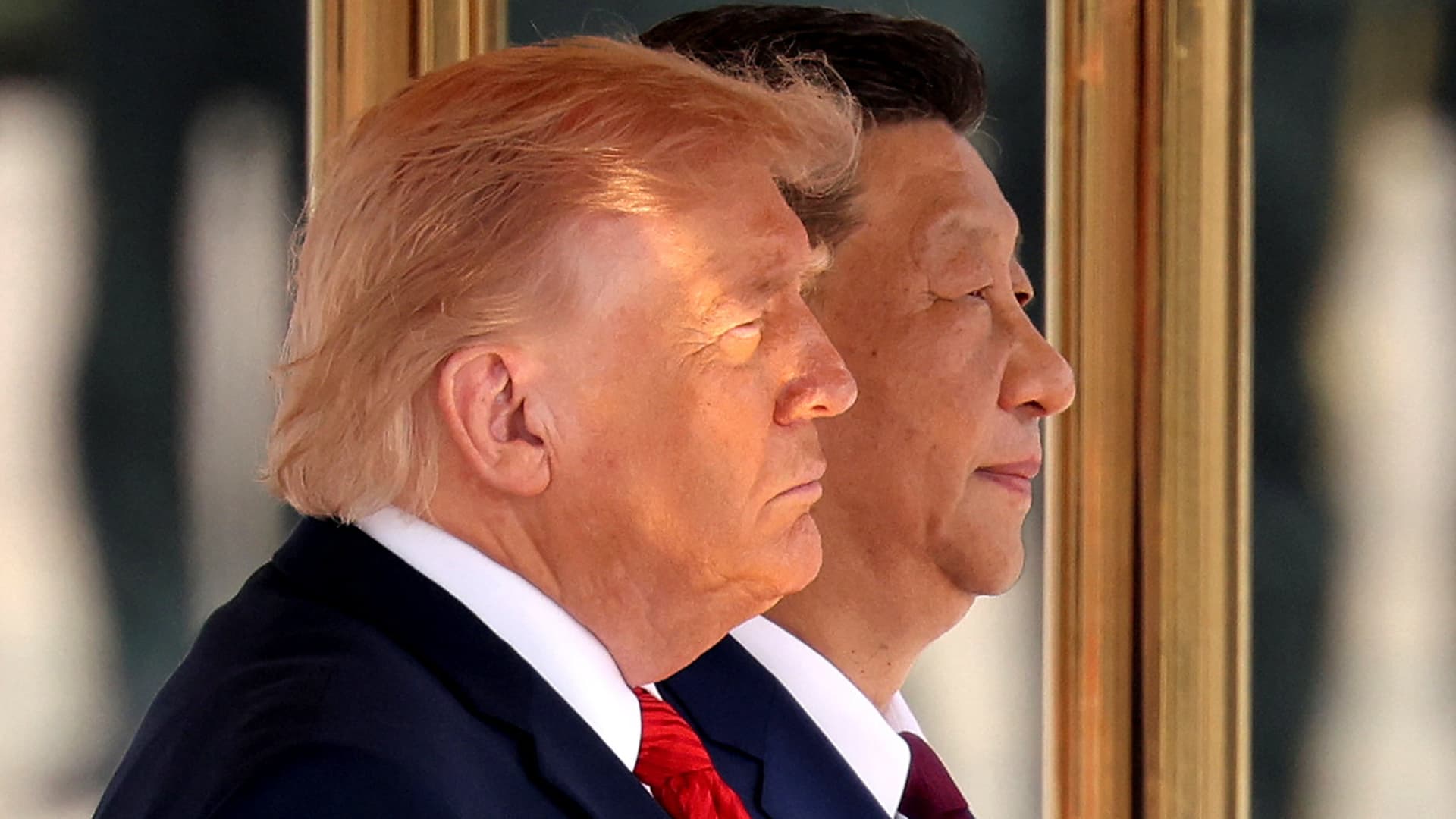
The prospect of heavily subsidized Chinese automakers gaining access to the U.S. market is sending ripples of concern through American manufacturing, sparking a unified outcry from domestic auto giants and bipartisan lawmakers alike. This looming challenge is not merely about trade; it represents a significant strategic threat to the operational efficiency and market leadership of established U.S. players.
As discussions between global leaders unfold, the automotive industry faces a critical juncture, balancing international commerce with the imperative to protect domestic jobs and maintain a robust manufacturing base.
🗝️ Corporate Strategy Insights
- Geopolitical Crossroads. The Trump-Xi meeting highlights the high-stakes debate surrounding market access for Chinese auto behemoths like BYD and battery giant CATL.
- Competitive Disruption Alert. U.S. automakers and legislators are united in their apprehension that an influx of government-backed Chinese EVs could severely undercut domestic production and employment.
- Global Expansion Blueprint. Chinese brands have already demonstrated aggressive market penetration in regions such as Europe and Latin America, indicating a clear strategic intent for the lucrative U.S. automotive market.
Despite former President Trump’s recent comments suggesting he might tolerate Chinese auto production in the U.S. if done domestically, a broad coalition of American auto trade groups, dealers, and suppliers has vehemently urged him to reconsider. This powerful industry lobbying effort was swiftly followed by more than two dozen Democratic lawmakers echoing the same sentiment, emphasizing the non-partisan nature of protecting U.S. manufacturing. Senator Elissa Slotkin (D-Mich.) underscored this, stating it’s about whether America wants to preserve its car-making capabilities and manufacturing base.
The presence of key Chinese auto figures, including BYD founder Wang Chuanfu and CATL founder Robin Zeng, at the upcoming state dinner with President Trump and Xi Jinping, signals the high stakes for the U.S. auto industry. Leading American executives, such as GM CEO Mary Barra and Tesla CEO Elon Musk, are also expected to attend, highlighting the gravity of these discussions. The concern stems from the unprecedented scale and speed of Chinese automakers’ global expansion, often fueled by significant government subsidies.
- Global market share for Chinese brands surged nearly 70% from 2020 to 2025, according to GlobalData, demonstrating aggressive growth.
- In Europe, Chinese automakers’ market share climbed from virtually zero in 2020 to 12% by August, as reported by Dataforce, signaling rapid competitive inroads.
- The current domestic price wars within China further incentivize these firms to seek new, more lucrative markets like the U.S. for survival and growth.
Industry observers, including Michael Dunne, a veteran expert on China’s automotive sector, warn that ignoring these trends would be perilous. Dunne suggests that Chinese automakers could quickly “overwhelm America’s auto industry,” mirroring their impact on Europe. This isn’t merely traditional competition; as Nissan Motor Chairman Christian Meunier puts it, it’s “competing against the governments” due to the significant state backing these companies receive. The strategic ripple effect could be profound, starting with:
Potential U.S. market entry by Chinese automakers → Intense price competition due to subsidized offerings → Erosion of profitability and market share for legacy automakers like Ford and Stellantis → Increased pressure on domestic manufacturing jobs and supply chains → Calls for stricter tariffs and regulatory barriers, potentially escalating trade tensions.
Michael Dunne, an expert on China’s automotive industry, stated that Chinese automakers would ‘quickly overwhelm America’s auto industry, just as it is now ravaging Europe,’ highlighting the existential threat.
The rapid acceleration of Chinese automakers‘ global footprint, transitioning from an insular domestic industry to the world’s largest vehicle exporter, is underpinned by distinct competitive advantages. Government funding, a culture of rapid innovation, and efficient manufacturing processes have enabled them to achieve significant scale and cost efficiencies.
| Metric | 2020 Data | Recent Data (2025/August) | Significance |
|---|---|---|---|
| Global Market Share Growth | Baseline | Nearly 70% increase | Indicates rapid expansion and competitive strength globally. |
| European Market Share | Virtually nothing | 12% | Highlights successful penetration into a key, developed auto market. |
General Motors Strategic Analysis: Adapting to Global Pressure
General Motors (GM) finds itself at a pivotal point, balancing its significant investments in electrification and autonomous vehicles with increasing global competitive pressures. With a strong historical presence in China, GM has benefited from that market’s growth but now faces the challenge of potentially competing against its former partners on home soil. GM’s strategy involves leveraging its brand equity, vast dealer network, and ongoing innovation in EV technology. The company must accelerate its cost efficiencies and product differentiation to withstand the potential influx of lower-priced Chinese vehicles, all while safeguarding its American manufacturing footprint and workforce. For more detailed insights on corporate growth, explore company strategy deep dives.
BYD Competitive Advantages: Fueling Global Ambitions
BYD’s rise as China’s largest automaker is not accidental; it stems from distinct competitive advantages. Primarily, its vertically integrated model, encompassing battery production (CATL is a key partner, but BYD also has its own battery tech), allows for significant cost control and supply chain resilience. Moreover, substantial government subsidies provide a crucial financial cushion, enabling aggressive pricing strategies. This, coupled with rapid product development cycles and a strong focus on electric vehicles, positions BYD to expand into new markets with formidable force. This strategy aligns with China’s broader goal to increase other countries’ dependency on its manufacturing prowess, as noted by Michael Dunne, an expert cited by Reuters business news.
Navigating the Chinese Automakers Challenge: A Critical Juncture
The unfolding scenario with Chinese automakers represents a significant inflection point for the global automotive landscape, demanding a comprehensive and coordinated response from U.S. industry and policymakers. The outcome will shape not only the competitive structure of the auto sector but also broader trade relations and national security considerations.
- Policy Imperative: U.S. policymakers face pressure to enact measures that protect domestic manufacturing without completely isolating the market.
- Innovation Urgency: American automakers must accelerate innovation and operational efficiencies to compete effectively on price and technology.
- Global Strategy Redesign: Companies need to reassess their international manufacturing and sales strategies in light of China’s aggressive export push.
Can the U.S. auto industry adapt quickly enough to defend its market leadership against this unprecedented surge of subsidized foreign competition?
### 📊 StockXpo Analyst’s View
Market Impact: This escalating geopolitical tension surrounding Chinese automakers could introduce significant volatility into the auto sector, impacting investor sentiment towards legacy U.S. manufacturers. While tariffs might offer short-term protection, the underlying fear of a market flooded with cheaper EVs could depress valuations for companies heavily invested in domestic production. Market liquidity might shift towards more diversified global players or those with robust intellectual property moats. For more insights on global investment trends, visit our stock markets analysis.
Sector To Watch: Beyond traditional auto manufacturing, the electric vehicle battery sector (like CATL, which Ford has a licensing deal with) is particularly exposed. Any restrictions or collaborations will directly impact the supply chain and technological advancements for all EV producers. Furthermore, related industries such as automotive software and charging infrastructure may also experience ripple effects from a shift in vehicle market dynamics. To gain a deeper understanding of market dynamics, check out our educational insights.
Financial Disclaimer:
StockXpo.com is a financial news aggregator and educational portal, not a registered investment advisor or broker-dealer. All information, news, and analysis provided herein are strictly for educational purposes and do not constitute investment, financial, legal, or tax advice. Investing in the stock market involves high risks, and past performance is not indicative of future results. StockXpo will not be liable for any financial losses or investment damages. Always consult a certified financial advisor before making market decisions.
MORE IN INSIDE BUSINESS

Bank of America Earnings: Navigating Q3 Amidst $1.2 Billion Penalty
Published: Wednesday, October 14, 2026 · 6:17 AM

UnitedHealth Group’s Q3 Success: Strategic Plays Propel Profit Outlook
Published: Tuesday, October 13, 2026 · 6:55 AM


