Published: Tuesday, October 13, 2026 · 6:55 AM | Updated: Tuesday, October 13, 2026 · 6:55 AM
📊 217 views




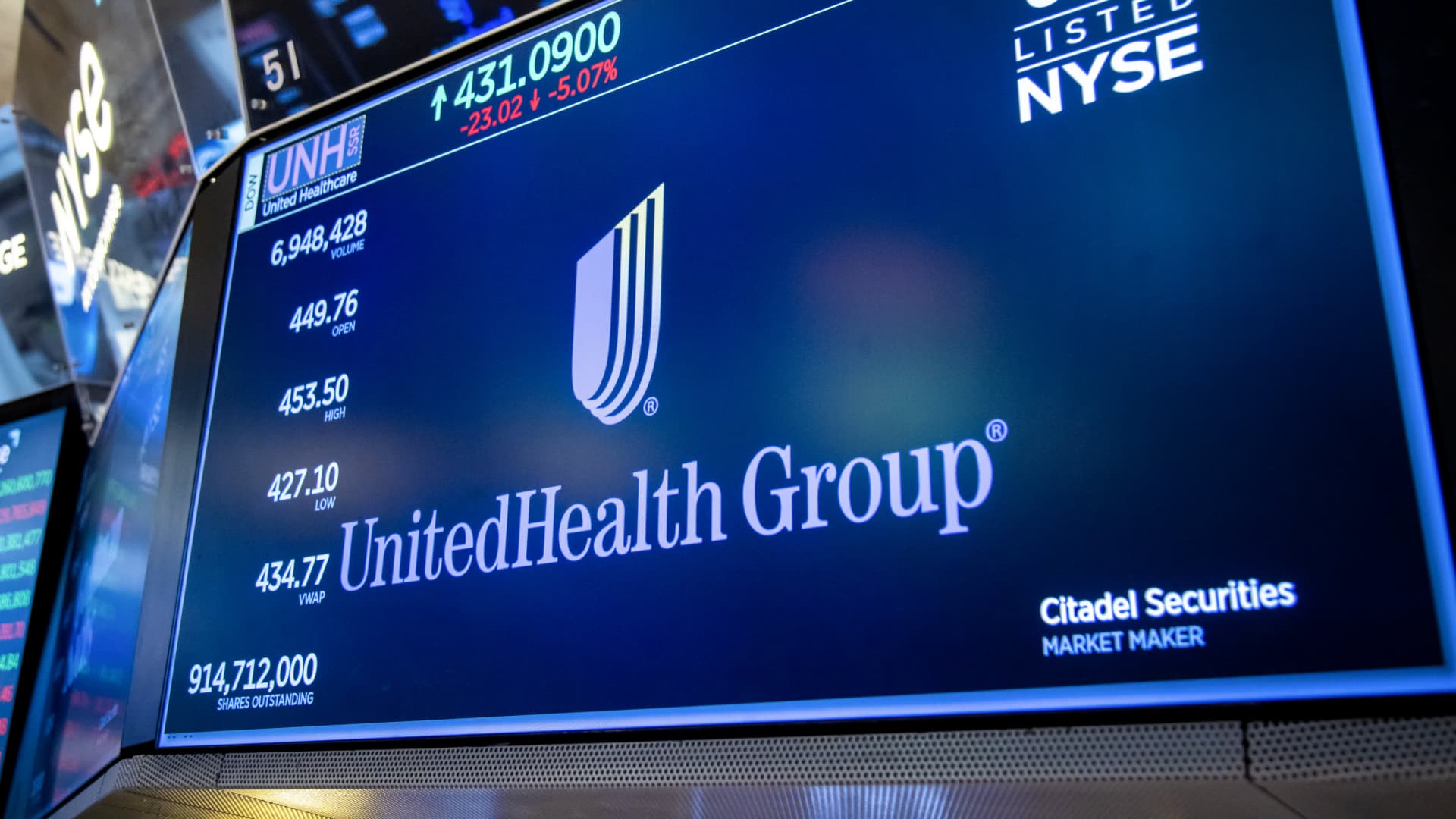
UnitedHealth Group delivered a robust third-quarter performance, significantly exceeding Wall Street’s expectations and raising its full-year profit forecast for 2026. This strong showing indicates the healthcare giant’s effective management of persistent high medical costs and its strategic investments in advanced care models and artificial intelligence are beginning to yield substantial returns, setting a new benchmark for operational efficiency within the highly competitive insurance sector.
🗝️ Corporate Strategy Insights
- Profit Outlook Hike. UnitedHealth Group raised its fiscal 2026 adjusted earnings outlook to at least $20.50 per share, up from a previous range of $19.50 to $20.00, signaling strong confidence in ongoing performance.
- Cost Management Prowess. The company’s medical cost ratio improved to 88.4% against analyst expectations of 89.9%, demonstrating effective control over medical expenses despite elevated industry trends.
- Innovation in Care Delivery. Strategic investments in value-based care and AI-powered tools are driving efficiencies, reducing administrative burdens, and steering patients towards lower-cost, high-quality care settings.
UnitedHealth Group’s Q3 2026 results highlight a strategic playbook effectively navigating the complex and costly healthcare landscape. The company reported adjusted earnings per share of $4.69, significantly outpacing the LSEG analyst consensus of $4.14. Revenue for the quarter reached $112.69 billion, also surpassing the $111.40 billion expected by analysts, according to StreetAccount. This financial outperformance comes as the company continues to battle elevated medical costs, a challenge that has impacted many insurers, particularly those involved in privately run Medicare Advantage plans.
The core of UnitedHealth Group’s turnaround lies in its disciplined approach to stabilizing margins. This involves shedding unprofitable contracts and aggressively investing in value-based care initiatives. Such initiatives tie compensation for medical providers to patient health outcomes and cost-effectiveness rather than the sheer volume of services. Furthermore, significant capital allocation towards artificial intelligence is proving instrumental in driving operational efficiencies and enhancing member experiences.
UnitedHealth’s CFO, Wayne DeVeydt, emphasized that while medical costs remain elevated due to factors like the No Surprises Act’s independent dispute resolution (IDR) process—which adds about 100 basis points to total medical costs—the company’s proactive strategies are mitigating these pressures.
- Acute hospital admissions among UnitedHealth members declined 15% year-over-year in Q3, a clear indicator of successful patient redirection to more cost-effective care environments.
- Conversely, home health admissions surged 10%, reflecting a growing trend towards receiving care in preferred, lower-cost settings.
- The adoption of AI-powered ambient listening tools is actively reducing physician administrative burdens, thereby freeing up valuable time for patient interactions.
- Patient-initiated appointment scheduling, facilitated by technology, rose by 27% year-over-year, showcasing improved operational flow and patient convenience.
UnitedHealth Group’s success in managing medical costs through its integrated model—combining its UnitedHealthcare insurance arm with the Optum healthcare services unit—creates a strategic ripple effect across the industry. The demonstrated ability to reduce acute care utilization while increasing home health admissions, coupled with AI-driven administrative efficiencies, sets a formidable challenge for competitors. Other insurers and healthcare providers will likely be compelled to accelerate their own adoption of value-based care models and advanced technological solutions, particularly AI, to maintain competitive relevance and operational profitability. This could lead to further market consolidation as smaller or less technologically advanced players struggle to match UNH’s scale and efficiency, ultimately reshaping the landscape of health care delivery and funding in the coming years. This proactive stance solidifies UnitedHealth Group’s market leadership, influencing how care is accessed and paid for across the broader system.
‘UnitedHealth Group’s ability to simultaneously manage rising medical costs while investing in innovation, like value-based care and AI, showcases a robust strategy for sustainable growth in a challenging healthcare market.’
UnitedHealth Group’s financial metrics underscore its market resilience and operational effectiveness.
| Metric | Q3 2026 Reported | Analyst Expectations | Significance |
|---|---|---|---|
| Adjusted EPS | $4.69 | $4.14 | Significantly exceeded estimates, indicating strong profitability. |
| Total Revenue | $112.69 Billion | $111.40 Billion | Outperformed revenue forecasts, showcasing broad business strength. |
| Medical Cost Ratio (MCR) | 88.4% | 89.9% | Lower MCR than expected signifies improved claims management and higher profitability. |
These metrics are crucial indicators of a health insurer’s financial health, illustrating its ability to manage expenses relative to premiums collected, ultimately impacting shareholder value and market perception.
UnitedHealth Group’s Strategic Analysis: A Differentiated Approach
UnitedHealth Group distinguishes itself through an integrated healthcare model that combines traditional insurance (UnitedHealthcare) with a comprehensive health services platform (Optum). This unique synergy allows UNH to not only manage insurance risks but also to directly influence care delivery, costs, and patient outcomes. The focus on value-based care, where providers are incentivized for quality and efficiency, is a cornerstone of this strategy. By leveraging Optum’s data analytics, pharmacy services, and care delivery networks, UnitedHealth can guide members to optimal, lower-cost care settings and implement preventative measures more effectively. This vertical integration provides a competitive edge, enabling UNH to absorb market pressures and innovate in ways traditional insurers cannot. The investment in AI further enhances this differentiation, allowing for predictive analytics in cost management and streamlined administrative processes, positioning UnitedHealth Group not just as an insurer but as a comprehensive health solutions provider.
Understanding corporate growth strategies like UnitedHealth Group’s provides valuable insight into industry transformation.
UnitedHealth Group’s Market Leadership in Value-Based Care
UnitedHealth Group’s pioneering role in value-based care is a key driver of its market leadership. By emphasizing patient health outcomes and cost-effectiveness, the company is actively reshaping how healthcare services are compensated and delivered. This approach addresses a fundamental industry challenge: escalating medical costs. Through targeted initiatives, UNH has demonstrated success in reducing acute hospitalizations and promoting more efficient care settings, such as home health. This shift not only benefits patients by providing care in preferred environments but also benefits the company by controlling expenses and improving profitability. The long-term impact of these efforts, which DeVeydt expects to have a compounding effect into 2027, suggests a sustainable competitive advantage rooted in a proactive, patient-centric strategy. This commitment to transforming business operations positions UNH at the forefront of healthcare innovation.
UnitedHealth Group’s Path Forward: Sustaining Momentum in a Dynamic Market
UnitedHealth Group’s impressive third-quarter results and elevated outlook highlight its resilience and strategic foresight in a persistently challenging healthcare environment. The company’s disciplined focus on exiting unprofitable contracts, coupled with aggressive investments in value-based care and artificial intelligence, is clearly paying dividends. This integrated approach allows UNH to proactively manage costs while simultaneously enhancing care quality and operational efficiency.
- The continued improvement in the medical cost ratio indicates robust claims management and effective cost control mechanisms.
- Expansion of value-based care models is successfully shifting patient care to more efficient and preferred settings.
- AI integration is streamlining operations and freeing up resources, promising compounding benefits for future quarters.
As UnitedHealth Group extends these initiatives, can it continue to set the pace for innovation and cost efficiency across the fragmented healthcare sector?
### 📊 StockXpo Analyst’s View
Market Impact: UnitedHealth Group’s strong performance and raised outlook are likely to bolster investor confidence across the broader healthcare sector, signaling that even amidst high medical costs, strategic operational efficiencies can drive significant shareholder value. This positive sentiment could translate into increased liquidity for other well-managed health insurers and integrated care providers.
Sector To Watch: The health insurance and health technology sectors warrant close observation. UNH’s success underscores the importance of technological integration and value-based models. Companies specializing in AI for healthcare, medical cost management, and home health services may experience heightened interest and investment as the market seeks to replicate UnitedHealth Group’s effective strategies.
Financial Disclaimer:
StockXpo.com is a financial news aggregator and educational portal, not a registered investment advisor or broker-dealer. All information, news, and analysis provided herein are strictly for educational purposes and do not constitute investment, financial, legal, or tax advice. Investing in the stock market involves high risks, and past performance is not indicative of future results. StockXpo will not be liable for any financial losses or investment damages. Always consult a certified financial advisor before making market decisions.
MORE IN INSIDE BUSINESS
Baked by Melissa’s Strategic Target Entry: A Recipe for Growth
Published: Tuesday, November 3, 2026 · 1:54 AM

3D Printing Revolution: How Automakers Drive Efficiency & Cost Savings
Published: Saturday, October 31, 2026 · 10:09 AM