Published: Monday, September 7, 2026 · 8:07 PM | Updated: Monday, September 7, 2026 · 8:07 PM
📊 124 views




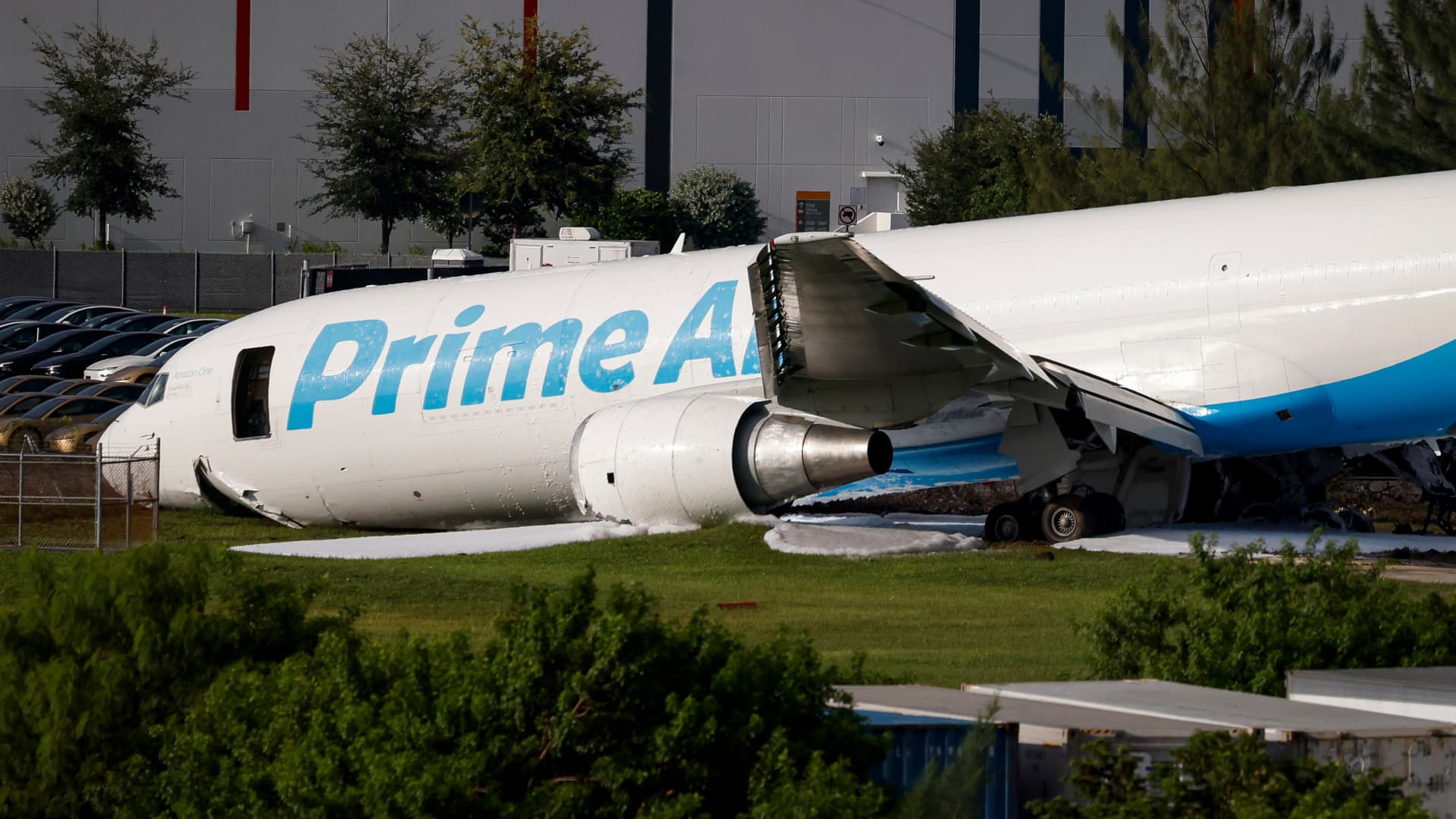
A tragic incident at Miami International Airport involving an Amazon Cargo Jet operated by 21 Air LLC has raised critical questions about aviation safety protocols and the intricate logistics networks underpinning global e-commerce. This devastating event, as reported by Forbes technology insights, prompts the NTSB’s ongoing investigation into its root causes and the broader implications for air cargo operations. The NTSB’s ongoing investigation, which you can follow for educational tech insights, aims to uncover the root causes of the runway overshoot and its devastating consequences.
🚀 Tech Strategy & Market Disruptions
- Supply Chain Scrutiny. This incident forces a re-evaluation of third-party logistics relationships and their inherent risk profiles within Amazon’s vast fulfillment ecosystem.
- Aviation Safety Tech Acceleration. Expect renewed focus on advanced runway monitoring systems, enhanced flight data analytics, and autonomous ground support vehicles to prevent similar occurrences.
- Logistics Network Resilience. The disruption at a key cargo hub like MIA underscores the need for distributed, adaptive logistics tech stacks that can quickly re-route and recover from unforeseen events.
On Sunday, an Amazon-contracted Boeing 767-300 cargo jet, operated by 21 Air LLC, overshot the runway at Miami International Airport (MIA) by approximately 1,300 feet. The aircraft, arriving from San Juan, Puerto Rico, crashed into two vehicles—a Ford Econoline van with seven occupants and a Toyota Corolla Cross—before coming to rest near an area of Tesla robotaxis. This devastating event resulted in five fatalities, all from the vehicles struck, and injured at least five others, as confirmed by Jennifer Homendy, chair of the National Transportation Safety Board (NTSB).
The NTSB has initiated a thorough investigation, recovering both the flight data recorder and cockpit voice recorder, which are critical for understanding the sequence of events leading to the crash. Homendy emphasized that investigators would also examine the contractual relationship between Amazon and 21 Air, scrutinizing ‘what safety provisions might be in any sort of contracts or any sort of policies.’ This aspect is particularly crucial for understanding the shared responsibilities and oversight within outsourced logistics operations.
The incident severely impacted air travel at MIA, a critical hub for international freight. Over 160 flights were canceled and nearly 325 delayed on Sunday, with disruptions extending into Monday due to aircraft and crew displacement. This highlights the fragility of highly concentrated logistics nodes and the cascading effects of unforeseen operational failures on global supply chains and overall technology market trends.
Aviation incidents like the Amazon Cargo Jet crash represent more than just a localized disaster; they trigger a complex chain of operational and technological disruptions. Initial impact on airport infrastructure leads to flight cancellations and significant delays. This directly impacts just-in-time inventory systems and global supply chain reliability. For companies like Amazon, which rely heavily on expedited air freight, such an event can necessitate urgent re-routing, increasing costs and delivery times. Furthermore, as highlighted by Reuters on tech innovation, it accelerates demand for advanced safety technologies, prompting airlines and logistics providers to invest in next-generation flight monitoring, predictive maintenance, and autonomous ground systems to enhance operational security and resilience.
‘This incident serves as a stark reminder that even the most advanced digital supply chains are only as strong as their physical operational components. For CTOs overseeing extensive logistics networks, this isn’t just an aviation accident; it’s a call to re-evaluate every layer of operational resilience, from contractor vetting to real-time risk assessment and emergency response automation.’
Given the lack of 3+ verifiable technical metrics, here’s a bulleted list of key operational impacts:
- Fatalities: 5 individuals, all from vehicles struck on the ground.
- Injuries: At least 5 individuals, also from ground vehicles.
- Runway Overshoot: Approximately 1,300 feet beyond the designated landing strip.
- Impacted Infrastructure: Two vehicles (Ford Econoline van, Toyota Corolla Cross) and perimeter fences.
- Airport Disruption: Two of four runways at MIA remained closed, leading to over 160 flight cancellations and 325 delays.
Amazon’s Logistics Platform Architecture Under Strain
Amazon’s vast e-commerce operation relies on a sophisticated global logistics network, part of which is managed through third-party air carriers like 21 Air LLC. The underlying platform architecture integrates myriad systems for inventory management, route optimization, flight tracking, and last-mile delivery. While Amazon develops advanced AI and machine learning models for predictive logistics, the human and mechanical elements of air cargo remain critical vulnerabilities. The NTSB’s investigation into the contractor relationship highlights the complexity of managing safety standards and operational oversight across a distributed network of partners. This decentralized model, while efficient for scalability, introduces layers of potential risk that must be meticulously managed through robust data sharing, compliance audits, and real-time performance monitoring. Innovations in emerging technologies for supply chain visibility could become paramount.
Air Cargo Security & Infrastructure Strength Challenges
Miami International Airport, as the busiest U.S. airport for international freight, represents a critical node in global trade. The incident revealed potential vulnerabilities in airport perimeter security and the resilience of ground infrastructure when faced with catastrophic events. The jet breached multiple fences and impacted vehicles both inside and outside the airport boundary, raising questions about current physical security protocols. Beyond the immediate physical damage, the extended closure of runways underscores the need for robust contingency planning and rapid recovery capabilities in critical infrastructure. Future investments in smart airport technologies, including enhanced radar systems, autonomous inspection vehicles, and advanced perimeter intrusion detection, could mitigate risks and ensure quicker operational restoration following incidents. The intersection of physical security, digital infrastructure, and rapid response is a growing challenge for large-scale logistics hubs.
Amazon Cargo Jet Incident: Navigating Future Logistics Challenges
The tragic Miami incident casts a long shadow over the future of air cargo logistics, compelling the industry to confront inherent risks head-on. For Amazon and its partners, this moment is a catalyst for reinforcing safety standards and scrutinizing the resilience of outsourced operational models.
- The NTSB’s findings on the relationship between Amazon and 21 Air will set new precedents for contractual obligations and oversight in third-party logistics.
- Investments in predictive analytics and AI for flight safety, maintenance, and crew performance are likely to accelerate across the air freight sector.
- The incident emphasizes the need for redundant and diversified logistics hubs to minimize disruption impact on critical supply chains.
How will this push the boundaries of autonomous cargo systems and AI-driven safety protocols in the next decade?
📊 StockXpo Analyst’s View
Market Impact: This incident could temper investor enthusiasm for companies heavily reliant on complex, outsourced air cargo networks, particularly those without transparent safety oversight mechanisms. While Amazon’s core business remains robust, the potential for supply chain disruptions and increased regulatory scrutiny could lead to short-term volatility in logistics and air freight sectors. Expect a heightened focus on risk management reporting during upcoming earnings calls.
Sector To Watch: The aviation safety technology sector, including providers of flight data recorders, predictive maintenance solutions, and airport ground control systems, is poised for increased investment. Furthermore, companies specializing in resilient supply chain software and automated logistics platforms may see accelerated demand as firms seek to fortify their operational backbone.
Financial Disclaimer:
StockXpo.com is a financial news aggregator and educational portal, not a registered investment advisor or broker-dealer. All information, news, and analysis provided herein are strictly for educational purposes and do not constitute investment, financial, legal, or tax advice. Investing in the stock market involves high risks, and past performance is not indicative of future results. StockXpo will not be liable for any financial losses or investment damages. Always consult a certified financial advisor before making market decisions.
MORE IN INSIDE TECHNOLOGY

AI Buildout Hits Credit Headwinds: Neoclouds Under Pressure
Published: Saturday, October 24, 2026 · 12:23 AM

SK Hynix Shares Rebound: A Strategic Shift in Semiconductor Funding
Published: Friday, October 23, 2026 · 1:46 AM