
Published: Thursday, September 3, 2026 · 9:41 AM | Updated: Thursday, September 3, 2026 · 9:41 AM
📊 250 views




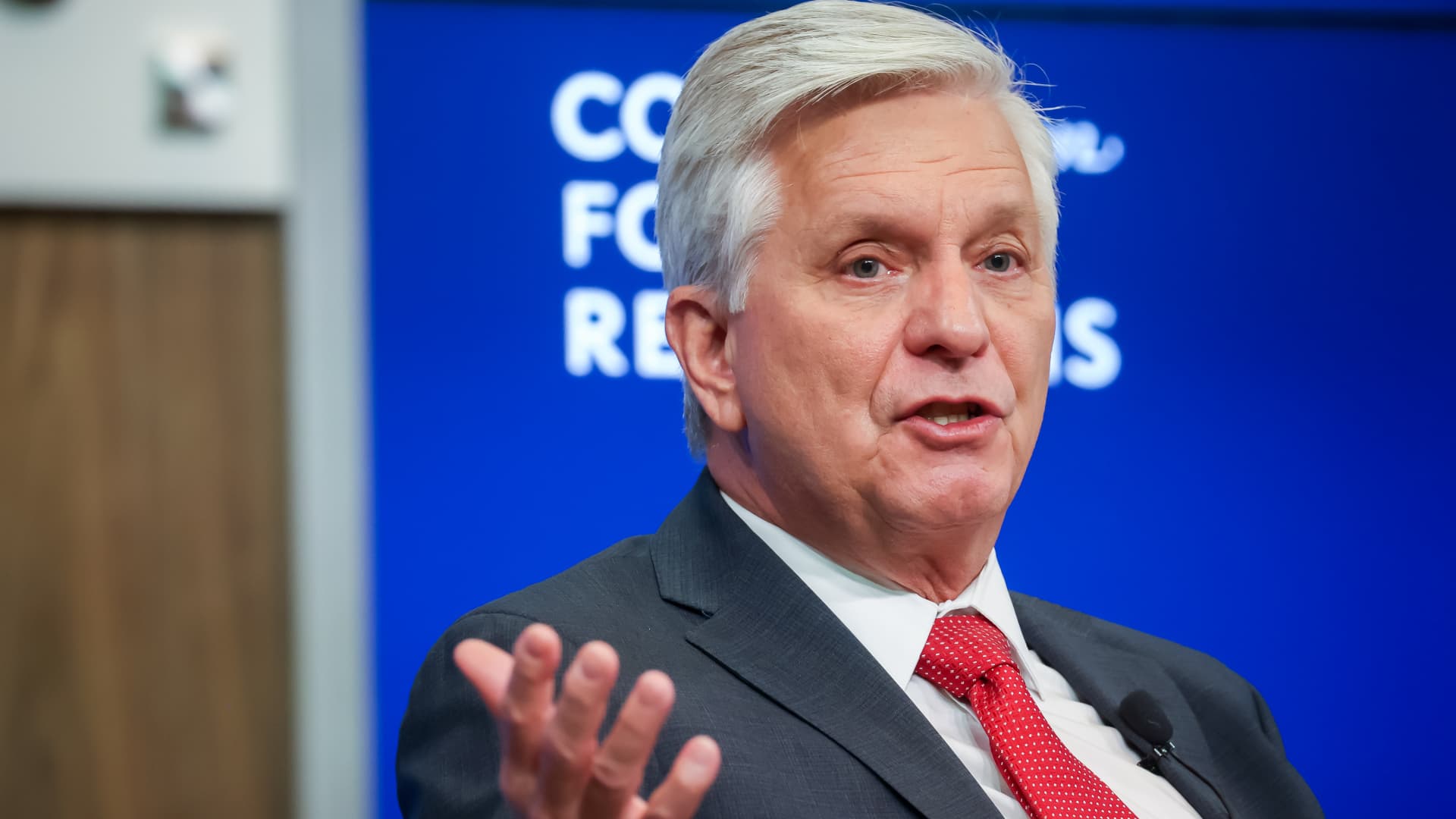
Federal Reserve Governor Christopher Waller has signaled a potential pause in interest rate hikes at the upcoming September meeting, contingent on favorable inflation data. This commentary injects a dose of cautious optimism into financial markets, contrasting subtly with recent hawkish sentiments and offering a glimpse into the Fed’s evolving strategy for achieving macro-stability amid persistent inflationary pressures.
📊 Macro-Economic Strategic Insights
- Potential Rate Pause. Fed Governor Waller expressed a leaning towards holding interest rates steady in September, provided upcoming inflation data remains favorable.
- Disinflationary Confidence. Waller cited improving disinflationary trends and muted impacts from tariffs and energy prices, suggesting inflation’s underlying trajectory is better than headline figures imply.
- Market Response. Following Waller’s remarks, market-implied odds for a September rate hike dropped significantly, reflecting a shift in investor expectations.
Fed Governor Waller delivered remarks that underscored a growing confidence in the disinflationary path of the U.S. economy, potentially setting the stage for the Federal Reserve to hold its benchmark interest rate steady at its mid-September meeting. Waller, a voting member of the Federal Open Market Committee (FOMC), indicated his inclination to support a pause if forthcoming inflation data aligns with current trends. This perspective offers a nuanced counterpoint to some of the more hawkish tones heard recently from other Fed officials, including Chairman Kevin Warsh.
Waller acknowledged that inflation remains ‘meaningfully above’ the Fed’s 2% target but emphasized that recent data ‘suggest we are finally seeing some signs of disinflation.’ He pointed to the muted impact of tariffs and the contained influence of higher energy prices on broader economic sectors as key reasons for his confidence. ‘Give disinflation a chance. We can wait one meeting,’ Waller stated, arguing that a 25-basis-point hike now wouldn’t dramatically alter the Consumer Price Index (CPI) trajectory to 2%. This sentiment quickly influenced bond and equity markets, causing market-implied odds for a September hike to fall by approximately 15 percentage points from previous levels.
The Fed’s decision hinges significantly on critical inflation reports due next week: the consumer and producer price indexes from the Bureau of Labor Statistics. These reports are crucial inputs for the Commerce Department’s Personal Consumption Expenditures (PCE) price index, which is the Fed’s preferred inflation gauge. While headline inflation stood at 3.7% and core inflation at 3.3% for July, Waller argued that annual numbers aren’t the best guide for current inflation, noting a considerable improvement in the three-month inflation rate, which has declined from 4.76% in February to 3.05%. This rapid downward trajectory, as reported by Reuters’ economic coverage, suggests a significant shift in underlying price pressures. For those seeking broader context on economic policy and trends, resources like StockXpo’s economy insights offer valuable perspectives. Analyzing these granular details provides a deeper understanding of the forces shaping global economic shifts from Bloomberg and policy directions.
Waller did, however, attach caveats to his dovish leaning. He warned that if there’s any reversal in the progress toward 2% inflation before the meeting, he would support a ‘small adjustment’ to policy to ensure disinflation resumes. His assessment is that current policy is ‘only slightly restricting aggregate demand,’ implying that any acceleration in inflation could easily prompt a tighter stance.
- Key Takeaways from Waller’s Remarks:
- Confidence in an ongoing disinflationary trend.
- A preference to observe more data before further tightening.
- Recognition of persistent inflation above target, but belief in its decelerating pace.
The Ripple Effect of a Fed Pause
A potential pause in interest rate hikes by the Federal Reserve would send clear signals through the global economy:
Less Aggressive Monetary Policy → Reduced Pressure on Borrowing Costs → Stimulus for Business Investment & Consumer Spending → Potential for Sustained Economic Growth → Eased Pressure on Emerging Market Currencies.
Conversely, if inflation data proves surprisingly hot, a sudden shift back to hawkishness could lead to: Renewed Rate Hike Expectations → Higher Market Volatility → Stronger Dollar → Increased Debt Service Costs for Leveraged Entities.
The Federal Reserve’s communication strategy, often termed ‘forward guidance,’ plays a pivotal role in managing market expectations and achieving policy objectives. When a Fed Governor like Christopher Waller articulates a clear stance on upcoming policy, it acts as a powerful signal, influencing everything from bond yields to equity valuations, and helping the market price in future rate decisions more efficiently, thereby reducing uncertainty.
Key Inflationary Metrics and Their Meaning
| Metric | Current Reading / Change | Significance |
|---|---|---|
| September Rate Hike Odds (CME FedWatch) | 48.4% (down ~15 pts) | Reflects decreased market expectation of a rate hike, indicating a more dovish outlook from traders. |
| Headline CPI (July) | 3.7% | Still above the Fed’s 2% target, but Waller argues this annual figure doesn’t capture recent disinflationary speed. |
| Core CPI (July) | 3.3% | Excludes volatile food and energy, offering a clearer view of underlying inflation, yet still elevated. |
| 3-Month PCE Rate | Dropped from 4.76% (Feb) to 3.05% (Current) | Waller’s preferred, more dynamic measure showing significant improvement and encouraging downward trajectory. |
Unpacking Core Inflationary Risks
Despite Waller’s more sanguine view, the underlying inflationary landscape presents a complex challenge. Core inflation, while showing signs of cooling, remains sticky, particularly in the services sector. Non-market services prices, which are often estimated rather than directly observed, could be contributing to the elevated figures. Moreover, wage growth, while moderating, has yet to fully align with the Fed’s 2% target without exerting upward pressure on prices. Policymakers must carefully distinguish between temporary disinflationary forces and a sustained trend, especially as consumer demand resilience persists. This dynamic interplay of factors suggests that while the headline numbers might soften, vigilance against embedded inflation remains paramount.
Navigating the Fed’s Communication Strategy
The divergence in tone between Governor Waller and Chairman Warsh highlights the delicate balancing act within the Federal Reserve. While both aim for price stability, their interpretations of current data and the urgency for further action can differ. Warsh’s remarks at Jackson Hole, signaling that ‘work to do’ remains, were perceived as distinctly hawkish, initially driving up rate hike probabilities. Waller’s subsequent commentary, emphasizing ‘giving disinflation a chance,’ attempts to re-anchor market expectations and provide clearer forward guidance. Such variations in communication, though subtle, can significantly impact market volatility and investor confidence, making consistent messaging crucial for effective monetary policy. Businesses looking to understand broader market movements can find comprehensive stock markets investment analysis on StockXpo.
The Fed Governor Waller Effect on Market Expectations
Governor Waller’s recent comments have provided a significant dovish signal, shifting market expectations towards a probable pause in interest rate hikes at the upcoming September FOMC meeting. This stance, while conditional on future inflation data, reflects a nuanced interpretation of current economic trends, emphasizing disinflationary progress over persistent headline inflation. The Federal Reserve’s path ahead remains data-dependent, but Waller’s intervention has underscored a willingness to allow current policy to work while observing further economic cooling.
- Market sentiment has improved, with traders pricing in lower odds of a September rate hike.
- The upcoming CPI and PPI reports will be critical in validating Waller’s confidence in disinflationary trends.
- This potential pause offers temporary relief for sectors sensitive to interest rates, but the Fed’s long-term commitment to 2% inflation remains firm.
How will the market react if next week’s inflation data surprisingly reverses the disinflationary trend Waller hopes to see?
📊 StockXpo Analyst’s View
Market Impact: Governor Waller’s remarks have provided a much-needed breath of relief for equity markets, particularly growth stocks, as the perceived peak of the rate-hiking cycle draws nearer. Lower rate hike expectations tend to support higher valuations by reducing future discount rates and alleviating pressure on corporate borrowing costs. This sentiment can lead to increased liquidity and risk appetite, potentially fueling a short-term rally if the upcoming inflation data cooperates.
Sector To Watch: Technology and high-growth sectors, typically sensitive to interest rate fluctuations, stand to benefit most from a prolonged pause, as their future earnings become more attractive. Additionally, sectors with significant capital expenditure, such as manufacturing and infrastructure, could see improved financing conditions. Conversely, financial institutions might experience slightly narrower net interest margins if the rate hiking cycle concludes sooner than anticipated, though a stable economic environment generally supports lending volumes. Further insights into sector performance can be found on StockXpo’s educational blog.
Financial Disclaimer:
StockXpo.com is a financial news aggregator and educational portal, not a registered investment advisor or broker-dealer. All information, news, and analysis provided herein are strictly for educational purposes and do not constitute investment, financial, legal, or tax advice. Investing in the stock market involves high risks, and past performance is not indicative of future results. StockXpo will not be liable for any financial losses or investment damages. Always consult a certified financial advisor before making market decisions.
MORE IN INSIDE ECONOMY
Trump Economic Approval Plummets: A Warning for Macro Stability
Published: Thursday, October 22, 2026 · 9:12 AM
UK Inflation Jumps to 3.5%: Cementing Rate Hike Expectations
Published: Wednesday, October 21, 2026 · 2:51 AM


