Published: Thursday, September 3, 2026 · 7:39 AM | Updated: Thursday, September 3, 2026 · 7:39 AM
📊 132 views




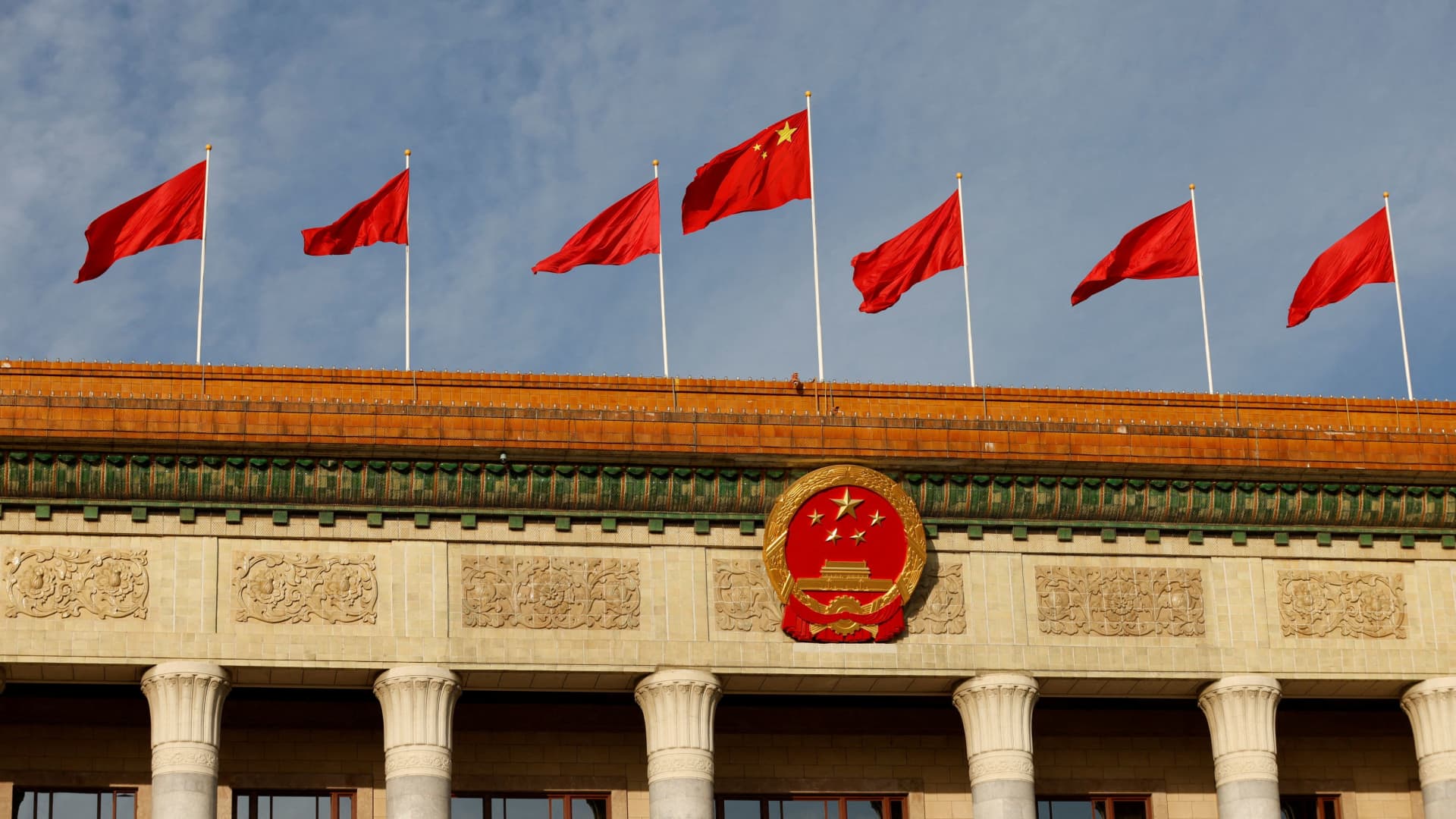
Beijing has strongly rebuked G20 criticisms regarding its significant reliance on exports, labeling the accusations as ‘protectionism.’ This escalating rhetoric underscores deepening global trade fissures and raises concerns about future market stability and capital flows amid a tense geopolitical climate.
💰 Financial Strategy & Market Insights
- Trade Friction Escalates. China accuses G20 nations, led by the U.S., of ‘promoting protectionism’ by highlighting its ‘unsustainable equilibrium’ of cheap exports.
- Sanctions and Legal Challenges. Beijing faces U.S. sanctions threats over Iran-related financial activities and a new French law targeting Chinese e-commerce giants like Temu and Shein.
- EU Ultimatum on Deficit. The European Union demands ‘concrete results’ by October to reduce its record trade deficit with China, threatening ‘harsher measures’ if progress isn’t made.
China’s Commerce Ministry has vehemently pushed back against mounting trade complaints from the United States and Europe, asserting that these grievances are merely an ‘excuse to pressure and restrict China.’ Ling Huang, the Ministry’s spokesperson, stated that utilizing multilateral forums like the G20 to ‘hype up’ economic imbalances and overcapacity fundamentally promotes protectionism, a practice China firmly opposes as disruptive to the global economic order. U.S. Treasury Secretary Scott Bessent had previously noted that 19 out of 20 G20 members concurred on addressing the ‘unsustainable equilibrium’ stemming from a ‘stream of cheap exports,’ with China being the sole dissenter from the joint statement.
This dispute occurs against a backdrop of complex international relations, including an anticipated visit by Chinese President Xi Jinping to Washington, D.C., later this month. Concurrently, the U.S. has intensified its anti-Iran sanctions, extending potential penalties to foreign entities, including Chinese banks, suspected of facilitating money laundering or sanction evasion. Huang condemned these U.S. actions, demanding an immediate correction of ‘wrong practices’ and the lifting of sanctions against Chinese companies and citizens.
Europe, in parallel, is seeking to mitigate its substantial trade deficit with China, aiming for reductions by October. EU Trade Commissioner Maroš Šefčovič has issued a stark warning to Beijing to deliver ‘concrete results’ or face potentially ‘harsher measures.’ China maintains its willingness to collaborate with the EU but rejects unilateral demands and threats of market closure. The French government, meanwhile, has moved to implement new legislation targeting the low-price strategies of Chinese e-commerce platforms like Temu, prompting a warning from Beijing that it will take ‘necessary measures to safeguard the legitimate rights and interests of Chinese enterprises’ should France proceed.
- The G20’s collective stance (minus China) on addressing ‘unsustainable equilibrium’ from cheap exports highlights a broad international consensus on the issue of trade imbalances, signaling potential coordinated actions.
- The U.S. leveraging sanctions against Chinese banks over Iran-related activities adds a layer of financial risk, threatening to cut off entities from the U.S. financial system, which could impact global liquidity and interbank relations.
- The EU’s explicit deadline and threat of ‘harsher measures’ represent a significant escalation in trade negotiations, potentially leading to new tariffs or trade barriers that could disrupt supply chains.
RISK vs REWARD in Global Trade Dynamics
- Upside Potential:
- Successful de-escalation of trade rhetoric could lead to renewed diplomatic efforts, fostering more balanced trade agreements and reducing immediate tariff risks, potentially stabilizing global equity markets.
- China’s willingness to engage in dialogue could yield compromises, leading to fairer competition and improved market access for foreign companies, enhancing investor confidence in affected sectors.
- Increased transparency and adherence to international trade norms might unlock new investment opportunities in previously restricted markets, benefiting global investors seeking diversified portfolios.
- Downside Risks:
- Failure to resolve these disputes could precipitate a full-blown trade war, triggering retaliatory tariffs that disrupt global supply chains, increase production costs, and dampen consumer demand.
- Sanctions against Chinese financial institutions, if enforced widely, could fragment the global financial system, raising systemic risk and potentially causing liquidity crunches in specific markets.
- Geopolitical tensions, particularly ahead of high-level meetings, introduce significant policy uncertainty, making long-term investment planning challenging and potentially increasing volatility across commodity and currency markets.
Expert Insight: ‘Overcapacity’ in a trade context refers to a nation’s ability to produce more goods than it can consume domestically, leading to an excess supply for export. When this ‘overcapacity’ floods international markets at lower prices, it can distort global trade, harm competitor industries in importing nations, and spark protectionist measures, ultimately impacting global liquidity and capital allocation in affected sectors.
Key Trade Pressure Points Impacting Market Liquidity
- G20 Consensus on Imbalances: Nineteen out of twenty G20 members identified ‘unsustainable equilibrium’ from ‘cheap exports’ as a critical issue, signaling a united front against China’s trade practices.
- U.S. Sanctions Against Iran Proxies: The threat of cutting off Chinese banks from the U.S. financial system for facilitating Iran-related transactions introduces significant counterparty risk and potential liquidity constraints for affected institutions.
- France’s Anti-Fast Fashion Legislation: A new French law targeting the pricing models of Chinese e-commerce giants like Temu and Shein could set a precedent for other European nations, impacting their market penetration strategies and revenue streams.
- EU’s Trade Deficit Ultimatum: The European Union’s demand for ‘concrete results’ by October to reduce its record trade deficit with China, coupled with threats of ‘harsher measures,’ signals potential tariffs or trade restrictions that would directly affect import/export volumes and associated financing.
Global Trade Liquidity Analysis
Increased trade friction, particularly concerning broader market analysis of export reliance, directly impacts global liquidity by influencing capital flows and the availability of financing for international trade. When major economic blocs, such as the U.S. and EU, threaten sanctions or ‘harsher measures’ against a dominant exporter like China, it creates uncertainty in currency markets and disrupts trade finance mechanisms. Banks become more cautious in extending credit for cross-border transactions, leading to tighter liquidity for businesses involved in these supply chains. For example, if Chinese banks face U.S. sanctions, their ability to facilitate dollar-denominated transactions diminishes, effectively reducing the pool of liquid capital accessible for international trade. This creates a ripple effect, potentially slowing down global commerce and increasing the cost of doing business internationally.
Asset Valuation Under Geopolitical Strain
Geopolitical tensions, as evidenced by the escalating rhetoric around global financial sector stability, introduce a significant premium on risk into asset valuations. For multinational corporations with deep supply chain ties to China, the threat of tariffs or trade barriers can lead to a re-evaluation of their earnings forecasts, impacting stock prices. Assets in sectors heavily reliant on global trade, such as shipping, logistics, and manufacturing, become particularly vulnerable. Furthermore, sovereign bonds and currencies of nations embroiled in trade disputes may experience increased volatility as investors price in higher political risk. For instance, the renminbi’s valuation could be subject to increased pressure if trade relations deteriorate significantly, while safe-haven assets might see inflows. Investors monitor business and financial trends reported by news outlets to gauge sentiment and potential impacts on their portfolios, often referring to sources like Reuters for real-time updates and expert commentary on these dynamic market conditions.
The Ripple Effect of China’s Export Reliance on Global Capital
As the world grapples with China’s export reliance, the economic implications extend far beyond mere trade balances, potentially reshaping global capital flows. The G20’s united front against Beijing’s trade practices, coupled with specific actions from the U.S. and EU, suggests a systemic shift towards greater scrutiny and potential reallocation of international investment. This dynamic creates both challenges and opportunities for diverse investment strategies.
- Increasing trade friction could prompt companies to diversify supply chains away from China, leading to capital investments in alternative manufacturing hubs across Southeast Asia or Latin America.
- The threat of financial sanctions on Chinese entities over geopolitical issues may accelerate the de-dollarization trend and the development of alternative payment systems, impacting currency market liquidity.
- Investors may seek to rebalance portfolios towards domestic-focused industries or those less exposed to global trade shocks, re-evaluating long-term asset valuations.
How will global capital markets adapt to this evolving landscape of trade protectionism and geopolitical competition?
📊 StockXpo Analyst’s View
Market Impact: The escalating trade rhetoric, particularly concerning China’s export reliance and accusations of protectionism, is likely to introduce heightened volatility across global equity and currency markets. Industries heavily dependent on international trade, such as consumer electronics, automotive, and textiles, face increased uncertainty regarding supply chain stability and profitability. Investors may de-risk by rotating out of growth stocks with significant exposure to China and into defensive sectors or domestic-oriented assets, impacting overall market liquidity. For further educational financial insights, investors often consult resources like financial blogs and analysis.
Sector To Watch: Given the focus on trade imbalances and potential sanctions, the logistics and supply chain management sectors warrant close attention. Companies providing solutions for diversified manufacturing or near-shoring strategies could see increased demand. Additionally, sectors tied to commodities, which are often sensitive to trade volumes and geopolitical tensions, will be critical to monitor. Meanwhile, the financial technology sector, particularly firms involved in cross-border payments outside traditional SWIFT channels, might also see accelerated development if U.S. sanctions provoke a broader search for alternative financial infrastructure, an area followed by leading financial news sources like Bloomberg Markets.
Financial Disclaimer:
StockXpo.com is a financial news aggregator and educational portal, not a registered investment advisor or broker-dealer. All information, news, and analysis provided herein are strictly for educational purposes and do not constitute investment, financial, legal, or tax advice. Investing in the stock market involves high risks, and past performance is not indicative of future results. StockXpo will not be liable for any financial losses or investment damages. Always consult a certified financial advisor before making market decisions.
MORE IN INSIDE FINANCE
AI Stock Boom Fuels $67 Billion Equities Growth for Wall Street Giants
Published: Wednesday, October 21, 2026 · 11:03 AM
New Risks Emerge: Global Finance Chiefs Highlight Debt, AI, and Geopolitical Volatility
Published: Tuesday, October 20, 2026 · 2:12 AM