Published: Saturday, August 29, 2026 · 3:22 AM | Updated: Saturday, August 29, 2026 · 3:22 AM
📊 60 views




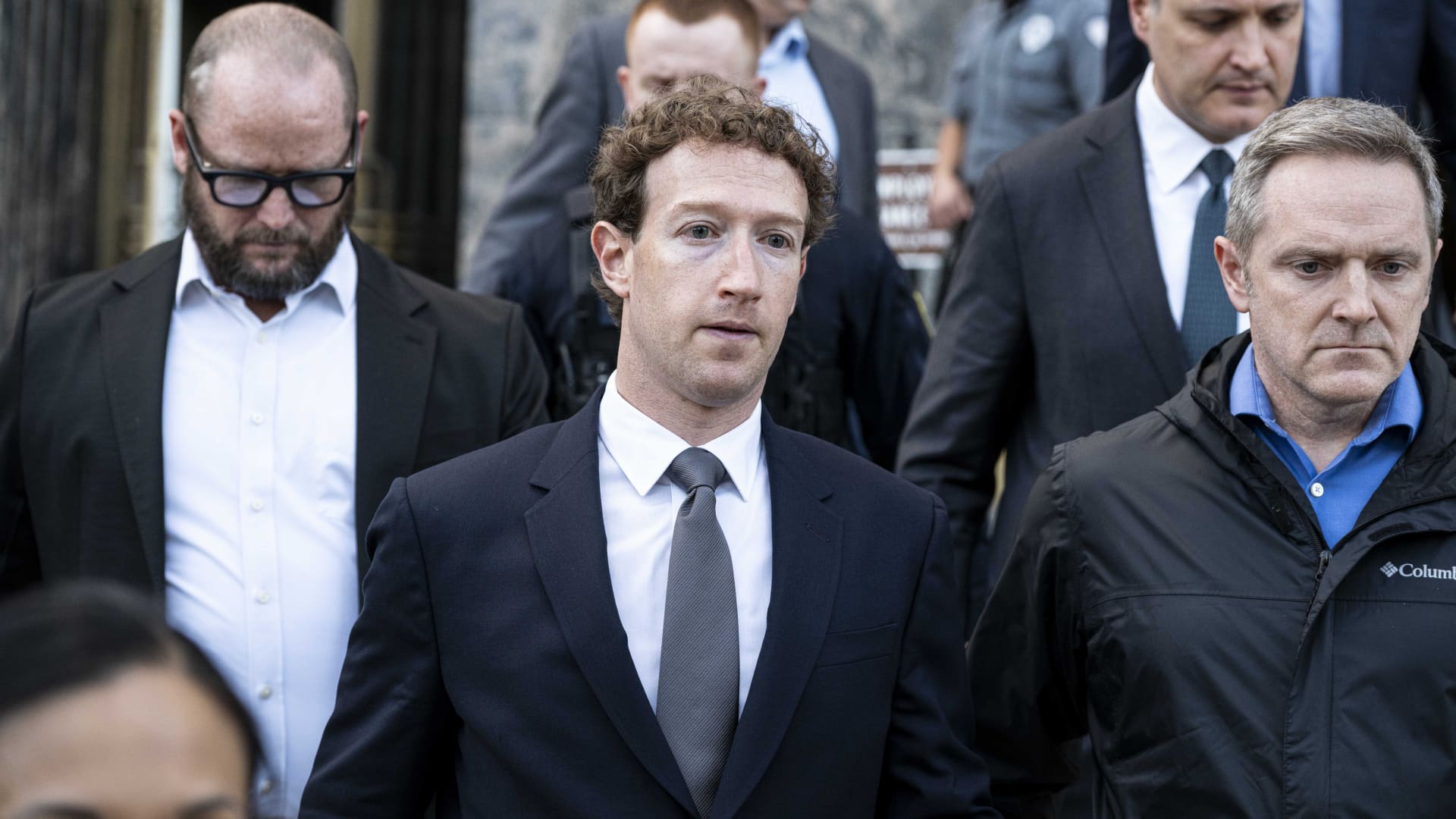
Meta Platforms has reached an $18 billion settlement in a landmark social media addiction trial, a move that is poised to fundamentally reshape online platform governance for younger users. This agreement not only imposes stringent new safety measures on Meta’s Facebook and Instagram but also explicitly calls upon rivals like TikTok and Alphabet’s YouTube to adopt similar changes, intensifying regulatory scrutiny across the industry.
🚀 Tech Strategy & Market Disruptions
- Industry-Wide Precedent. Meta’s conditional $5.3 billion payment compels rivals TikTok and YouTube to implement similar youth safety measures, transforming a single settlement into a broader industry mandate.
- Digital Transformation Imperative. Platforms must now prioritize user well-being, particularly for minors, through features like usage limits, stricter age verification, and content filtering, driving a significant shift in product development.
- Reputational Risk Mitigation. The settlement underscores the escalating financial and reputational costs of neglecting youth safety, pushing companies to proactive self-regulation to avoid further litigation and erosion of public trust.
The recent Meta Settlement for up to $18 billion marks a pivotal moment in the ongoing battle over social media’s impact on youth mental health. Concluded in California, the agreement mandates significant changes to Meta’s platforms for users under 18, including a two-hour daily usage limit (parental override only), disabling extreme cosmetic filters, and enhanced age verification. Crucially, Meta’s commitment to paying the full settlement amount is contingent on its major competitors, TikTok and Alphabet’s YouTube, implementing comparable safeguards. This conditional clause elevates the settlement from a company-specific issue to an industry-wide ultimatum, as highlighted by California’s Attorney General Rob Bonta, who stated, ‘No company wants what Meta faced in Oakland.’
This legal pressure is not new; social media giants have faced increasing governmental scrutiny and a barrage of lawsuits alleging addictive features and inadequate child safety. Earlier this year, Meta and YouTube faced a loss in a Los Angeles addiction trial, and Meta was ordered to pay over $900 million in penalties to New Mexico for child-safety violations. These legal precedents, combined with the current Meta Settlement, suggest a growing consensus among regulators that self-regulation alone is insufficient. As a senior market expert, one might observe these escalating legal battles are reshaping the very foundation of digital platform governance, pushing companies toward a proactive stance on user protection rather than a reactive one.
The financial implications are substantial, with Meta agreeing to pay approximately $12.7 billion upfront to the states over ten years, reserving the remaining $5.3 billion as leverage. This unprecedented move by Meta aims to distribute the regulatory burden, forcing competitors to either comply or face intensified legal action and public backlash. Attorneys General across the U.S., including Bonta, are actively pursuing litigation against TikTok, citing violations of consumer protection laws through addictive features. Communications with Snap are also underway, signaling a concerted effort to establish a new baseline for digital responsibility across the entire social media landscape.
For technology market trends and companies reliant on user engagement, the future demands a balance between innovation and ethical design. The regulatory environment is now a primary driver of digital transformation, pushing firms to embed safety and well-being into their core tech stacks. This isn’t merely a compliance exercise; it’s a strategic imperative for long-term viability and brand trust in emerging technologies. This aligns with broader shifts reported by leading financial news outlets like Bloomberg’s technology section, which frequently covers such industry-wide pivots. Further analytical viewpoints and educational tech insights often delve into the underlying ethical frameworks impacting valuations across these platforms, similar to discussions found on Reuters’ technology coverage.
Disruption Flow:
The Meta Settlement creates a direct disruption flow:
Legal Precedent → Intensified Regulatory Scrutiny on Youth Safety → Mandated Platform Changes (Usage Limits, Age Verification, Content Filtering) → Forced Tech Stack Adaptations & Product Redesign → Industry-Wide Shift Towards Digital Responsibility & Ethical AI Integration → Potential Re-evaluation of Ad Models & User Engagement Metrics.
‘This Meta Settlement is a clear signal that the era of ‘move fast and break things’ has met its ethical and regulatory reckoning. As CTOs, we must pivot from merely maximizing engagement to architecting platforms that intrinsically prioritize user well-being, especially for our youngest demographic. This isn’t just about compliance; it’s about building trust, mitigating systemic risk, and future-proofing our digital ecosystems against an increasingly aware and litigious public.’
- Meta’s Settlement Amount: Up to $18 billion total.
- Upfront Payment to States: $12.7 billion (70% of total) over 10 years.
- Conditional Payment: $5.3 billion (30% of total) tied to TikTok and YouTube adopting similar changes.
- Mandated Platform Changes for Minors: 2-hour daily usage limit, disabling extreme cosmetic filters, tighter age verification, night mode.
Social Media Platform Architecture: Designing for Safety
The imperative for youth safety introduced by the Meta Settlement demands a significant re-evaluation of current platform architectures. Historically, design principles focused on maximizing engagement through features like infinite scrolling and autoplay. Moving forward, engineering teams must embed safeguards at the core, influencing everything from data models to front-end UI/UX. This entails developing robust AI for age verification and content moderation, integrating flexible parental control APIs, and perhaps even redesigning recommendation algorithms to de-emphasize potentially harmful content for minors. The technical debt incurred by retroactive fixes is substantial, highlighting the need for a ‘safety-by-design’ approach that considers ethical implications from conception. This shift impacts not only engineering resources but also necessitates a re-skilling of teams to prioritize responsible technology development.
Ecosystem Expansion Potential: Beyond Addiction
While the Meta Settlement focuses on mitigating harm, it also presents an opportunity for platforms to redefine their value proposition beyond addictive engagement. By consciously designing for healthier digital interactions, companies like Meta, TikTok, and YouTube can foster new avenues for positive content consumption, educational growth, and community building. This could lead to a diversification of revenue streams away from purely ad-driven models, potentially exploring subscription services for enhanced parental controls, educational content partnerships, or curated, age-appropriate digital experiences. Such a pivot could broaden their market appeal, attract new demographics, and rebuild trust, ultimately driving sustainable growth. This strategic shift moves beyond simple compliance to innovative value creation.
The Meta Settlement’s Ripple Effect on Digital Governance
The Meta Settlement signifies a profound shift in how social media companies will be held accountable for user well-being, particularly for minors. This legal and financial pressure is forcing a re-evaluation of business models and platform design across the industry.
- Regulatory scrutiny will intensify, expanding beyond addiction to encompass privacy, content moderation, and algorithmic transparency.
- Platforms must invest heavily in advanced age verification, AI-driven content filtering, and robust parental control systems, driving innovation in privacy-preserving technologies.
- The focus on user safety will likely influence future mergers, acquisitions, and partnerships, favoring companies with strong ethical frameworks and responsible tech stacks.
Will this watershed moment truly catalyze a new era of ethical innovation, or merely prompt a reactive scramble for compliance?
📊 StockXpo Analyst’s View
Market Impact: The Meta Settlement introduces significant regulatory overhead and potential revenue model adjustments for social media giants. Investor sentiment may initially reflect concerns over increased compliance costs and potential engagement dips, but a long-term view suggests that proactive measures in digital responsibility could strengthen brand reputation and attract a more stable user base. Companies that adapt swiftly to these new ethical mandates could gain a competitive edge by fostering greater user and advertiser trust, potentially leading to more resilient valuations in the future.
Sector To Watch: The immediate impact is on the social media and ad-tech sectors, where platform redesigns and new regulatory frameworks will be paramount. However, the ripple effect extends to AI and cybersecurity firms specializing in age verification, content moderation, and privacy-enhancing technologies. Companies offering solutions for digital well-being, parental controls, and ethical AI development stand to gain significant market share as platforms scramble to meet new standards.
Financial Disclaimer:
StockXpo.com is a financial news aggregator and educational portal, not a registered investment advisor or broker-dealer. All information, news, and analysis provided herein are strictly for educational purposes and do not constitute investment, financial, legal, or tax advice. Investing in the stock market involves high risks, and past performance is not indicative of future results. StockXpo will not be liable for any financial losses or investment damages. Always consult a certified financial advisor before making market decisions.
MORE IN INSIDE TECHNOLOGY

Starlink India: Regulatory Hurdles and Innovation-Driven Growth Risks
Published: Friday, October 9, 2026 · 12:48 AM

Starlink Launch: India’s Digital Transformation Faces Regulatory Risk
Published: Thursday, October 8, 2026 · 1:51 AM