Published: Friday, July 24, 2026 · 1:25 AM | Updated: Friday, July 24, 2026 · 1:25 AM
📊 201 views




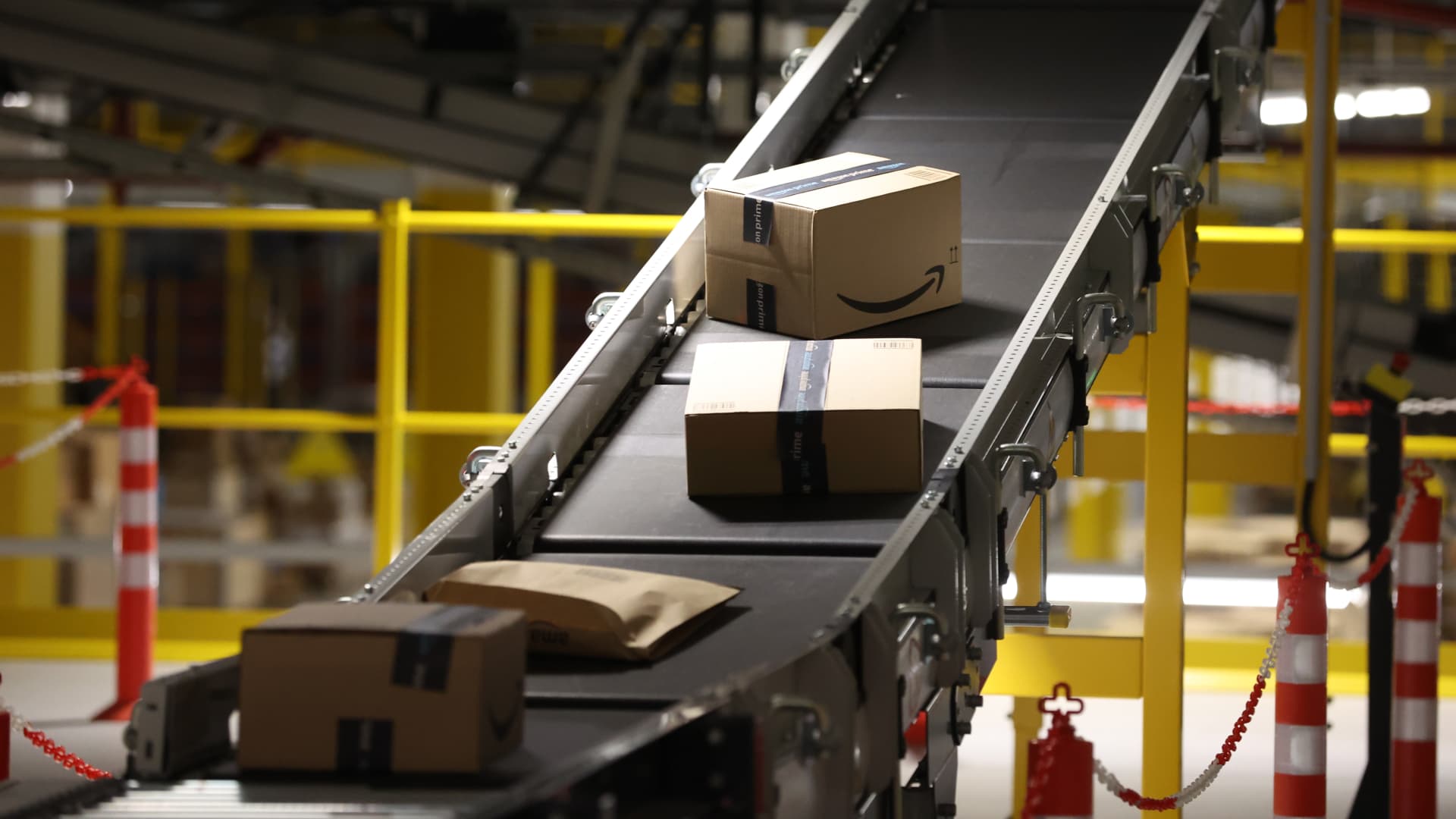
Amazon is implementing new disclosure requirements for third-party sellers regarding AI-generated imagery, responding directly to a recent New York law aimed at increasing transparency around synthetic performers in advertisements. This move signals a broader regulatory wave impacting the use of artificial intelligence in digital content creation and e-commerce, compelling platforms to enforce stricter labeling policies.
🚀 Tech Strategy & Market Disruptions
- AI Image Disclosure Mandate. Amazon will require sellers to label product images and ‘A+ content’ if they feature ‘AI-generated people,’ aligning with New York’s synthetic performer transparency law.
- Regulatory Precedent Set. New York’s pioneering legislation is creating a framework that other states and potentially federal bodies may adopt, pushing for clearer distinctions between real and synthetic media in advertising.
- Platform Responsibility Growth. E-commerce giants and social media platforms are increasingly tasked with moderating and labeling AI-generated content, placing a new burden on their content governance systems and risking reputational damage if not managed effectively.
The policy change, communicated to sellers via an internal announcement, mandates the use of specific metadata keywords for AI-generated images and videos before uploading. This initiative is a direct reaction to New York’s law, which mandates disclosure when ‘synthetic performers’ replace human actors in advertisements. Governor Kathy Hochul has characterized this legislation as a critical step in combating misinformation and ensuring the public can accurately discern between factual content and AI-driven simulations.
Amazon’s clarification notes that the requirement does not extend to content featuring fictional characters from television, movies, or video games, nor does it apply to real individuals whose images have been digitally enhanced by AI. The company plans to introduce an “indicator” on listings where AI-generated people are present, though the exact criteria for displaying this label to consumers remain unspecified.
This development occurs as Amazon itself actively integrates AI across its operations. The company has been optimizing listing details for AI visibility, enhancing its Alexa for Shopping AI assistant, and experimenting with real-time AI-generated product visuals in its search results. The increasing adoption of AI by third-party sellers, who constitute over 60% of goods sold on the marketplace, underscores the urgency for such regulatory and platform-level responses.
The Shifting Landscape of E-Commerce Content
The push for transparency in AI-generated content is not isolated to New York. California has already begun requiring large AI providers to embed watermarks in AI-generated media. Platforms like Meta, TikTok, Pinterest, and Google’s YouTube have also implemented their own AI-generated content labels, though efficacy and enforcement remain subjects of scrutiny. Criticisms have arisen regarding the inadequate labeling of AI-generated influencers on platforms like TikTok and Meta, particularly when promoting dubious products without brand authorization.
This regulatory scrutiny is beginning to shape market expectations for digital content. For StockXpo, this signals a significant shift in how digital assets are perceived and authenticated within the technology market trends. Brands and sellers must now navigate a more complex compliance landscape, where authenticity and clear disclosure are paramount for consumer trust.
The increasing prevalence of AI-generated imagery in e-commerce listings, particularly from third-party sellers, poses a significant challenge to maintaining brand integrity and consumer confidence. Platforms like Amazon are now at the forefront of enforcing regulatory compliance, setting a precedent for digital advertising standards.
Amazon’s embrace of AI internally, alongside the growing reliance of its seller base on AI tools, highlights the dual nature of this technology: a powerful engine for optimization and creativity, yet one that necessitates robust ethical and regulatory oversight. The company’s proactive stance, driven by state-level legislation, suggests a potential future where AI content disclosure becomes a standard practice across major e-commerce ecosystems.
Amazon’s Evolving AI Infrastructure
Amazon’s internal AI development and its integration into various consumer-facing features demonstrate a deep commitment to leveraging artificial intelligence for competitive advantage. From optimizing search algorithms to powering its virtual shopping assistant, the company is a pioneer in applying AI to enhance user experience and operational efficiency. The recent policy update, however, indicates a growing awareness of the broader societal implications of AI, particularly concerning deceptive content.
Market Adoption Challenges for AI Content
While AI offers remarkable capabilities in content creation, its widespread adoption by sellers on platforms like Amazon faces several hurdles. Beyond the immediate regulatory compliance, there are concerns about the potential for AI-generated content to dilute brand authenticity, create misleading product representations, and increase the burden of content moderation for platforms. This environment necessitates a careful balance between innovation and accountability, as explored in emerging technologies at stockxpo.com/technology/.
The Ripple Effect of AI Image Disclosure on E-Commerce
The requirement for sellers to label AI-generated people in their listings represents a crucial step towards greater transparency in the digital marketplace. This move by Amazon, spurred by legislative action, is likely to influence how other platforms approach similar issues and could lead to new industry standards for AI content. As more companies adopt these disclosure practices, it will become increasingly important for consumers to understand the origin and nature of the digital content they encounter. The broader implications of this trend can be further explored through educational tech insights at stockxpo.com/blog/.
The impact of this policy extends beyond individual sellers; it forces a re-evaluation of content creation strategies across the entire e-commerce sector. Companies that can effectively integrate AI while adhering to transparency mandates will likely gain a competitive edge. This development also underscores the dynamic nature of regulatory frameworks in the face of rapid technological advancement, a topic frequently covered by leading financial news outlets like Bloomberg.
📊 StockXpo Analyst’s View
Market Impact: This crackdown on AI images by Amazon, driven by regulatory pressure, signals a maturing market for generative AI. It introduces compliance costs for sellers but enhances platform trustworthiness, potentially boosting consumer confidence in e-commerce listings. We anticipate increased investment in AI detection and authentication technologies.
Sector To Watch: The advertising technology and e-commerce analytics sectors are poised for growth as companies seek solutions for AI content verification and compliance monitoring. Traditional retail media networks will also need to adapt their AI policies and disclosure practices to remain competitive.
Financial Disclaimer:
StockXpo.com is a financial news aggregator and educational portal, not a registered investment advisor or broker-dealer. All information, news, and analysis provided herein are strictly for educational purposes and do not constitute investment, financial, legal, or tax advice. Investing in the stock market involves high risks, and past performance is not indicative of future results. StockXpo will not be liable for any financial losses or investment damages. Always consult a certified financial advisor before making market decisions.
MORE IN INSIDE TECHNOLOGY

SoftBank AI Investment: Malaysia’s $50 Billion Innovation Surge
Published: Monday, October 26, 2026 · 2:37 AM

SpaceX AI Chips: $40 Billion Deal Fuels Innovation-Driven Growth
Published: Sunday, October 25, 2026 · 9:35 PM