Published: Friday, July 24, 2026 · 12:54 AM | Updated: Friday, July 24, 2026 · 12:54 AM
📊 220 views




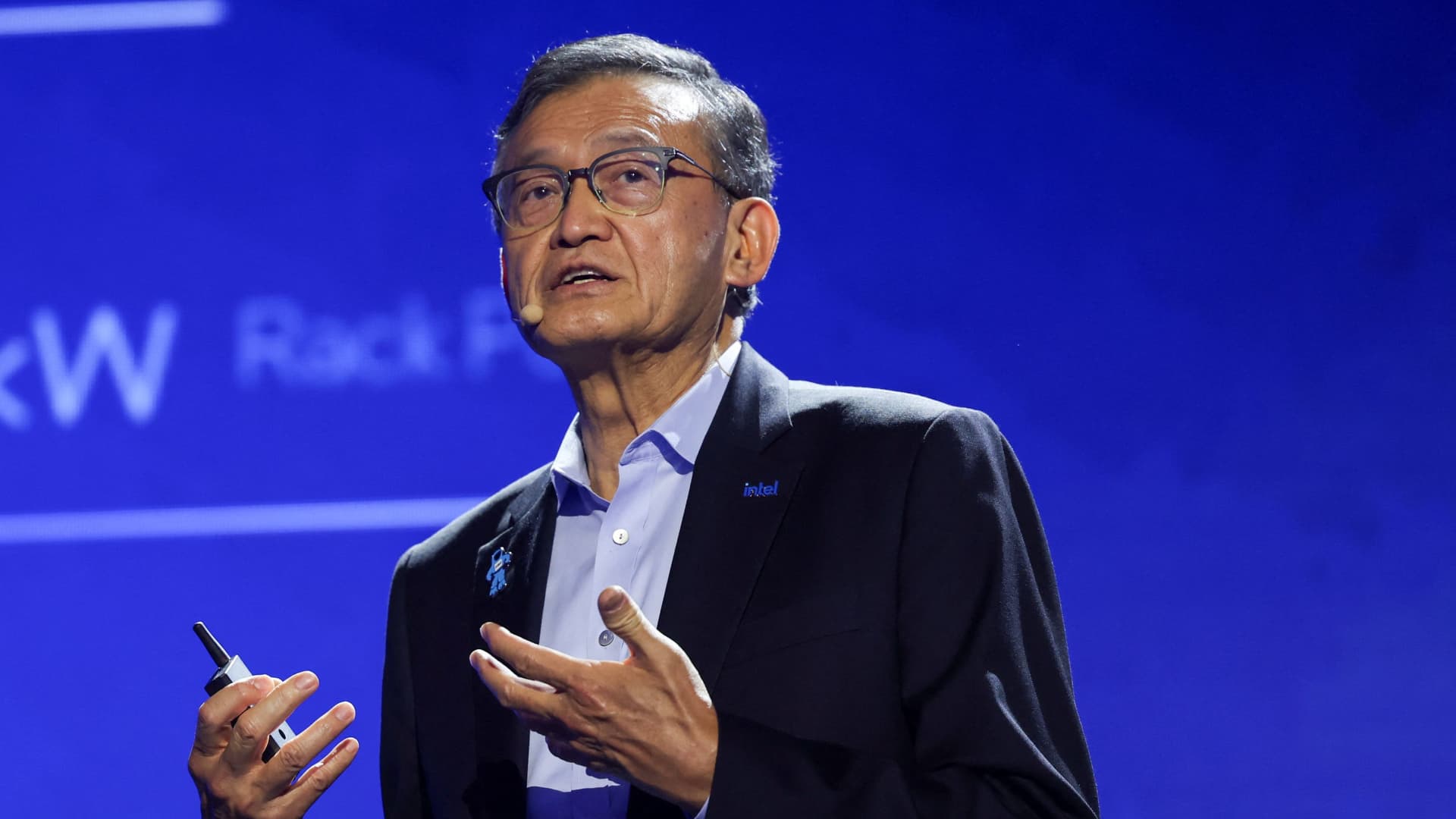
Intel’s recent financial performance signals a significant resurgence, with the chipmaker reporting robust quarterly results and offering an optimistic outlook, bolstering investor confidence. Under the leadership of CEO Lip-Bu Tan, the company is not only recovering but also expanding its strategic footprint in the critical AI infrastructure market, positioning itself for sustained growth and alpha generation.
💎 Strategic Investment & Portfolio Insights
- AI Infrastructure Tailwind. Intel is capitalizing on the surging demand for AI-driven tasks, with its x86 CPUs and advanced packaging solutions becoming increasingly vital components.
- Foundry Business Advantage. The company’s foundry operations offer a strategic edge, enabling in-house AI CPU production and providing an alternative to dominant players like TSMC, reducing geopolitical supply chain risks for clients.
- Leadership Transformation. CEO Lip-Bu Tan’s tenure has demonstrably shifted Intel’s culture, transforming it from a loss-making entity into a profitable, expanding operation, thereby regaining investor trust.
Why Intel’s AI Strategy Is a Portfolio Game-Changer
Intel’s Q2 results shattered expectations, with revenue climbing 25% year-over-year to $16.1 billion, significantly exceeding the consensus estimate. More impressively, non-GAAP EPS swung to a 42-cent profit from a year-ago loss, more than doubling the company’s own forecast. This performance is largely attributed to the booming demand for AI infrastructure, where Intel’s x86 CPUs are critical for agentic AI tasks. The company’s advanced packaging business is also proving to be a strategic asset, enabling the integration of multiple chips to function as a single unit, a key requirement in the AI era. Furthermore, Intel’s foundry business is carving out a crucial niche, allowing it to manufacture its own AI-centric processors and serve other companies, directly competing with industry leaders. This dual-pronged approach of proprietary chip demand and foundry services presents a compelling case for long-term value creation.
While the absence of major foundry customer announcements was a minor disappointment, management’s confidence in securing future deals is palpable, supported by the demonstrated strength of their manufacturing technology. The company’s decision to increase capital expenditures to over $20 billion in 2026 and significantly in 2027, citing strong customer demand and a desire to reduce geopolitical risk for clients, indicates a robust long-term vision. These are substantial investments, but they are viewed as prudent given the clear demand signals and the strategic imperative for localized chip manufacturing. This move addresses the growing concern among tech investors regarding capital expenditure uncertainty by grounding it in tangible customer demand and supply chain resilience.
- Intel’s data center and AI segment revenue surged year-over-year, driven by hyperscalers and enterprise demand.
- The company is seeing strong demand for its CPUs, leading to price increases and long-term supply agreements.
- Intel’s advanced manufacturing process, 14A, is on track for risk production in late 2027, signaling future technological leadership.
The client computing segment also showed resilience despite a softer PC market, with AI PC revenues increasing sequentially and edge deployments contributing significantly. Higher average selling prices, bolstered by sales to premium customers and the ability to pass on costs, further boosted segment performance. This indicates a diversified revenue stream that is less susceptible to single-market fluctuations. As we analyze the broader market trends, it’s clear that companies providing essential components for emerging technologies like AI are well-positioned for growth. For investors looking to capitalize on these trends, understanding the competitive landscape and the strategic advantages of each player is paramount, making a close watch on developments in areas like semiconductor innovation crucial.
The key takeaway for portfolio managers is Intel’s transition from a legacy hardware provider to a vital enabler of the AI revolution. Its ability to compete across CPU design, advanced packaging, and foundry services provides multiple avenues for value capture and risk mitigation, making it a strategic asset in today’s technology-centric portfolios.
Intel’s projected Q3 revenue guidance, with a midpoint of $16.3 billion, surpasses analyst consensus, signaling continued momentum. Furthermore, anticipated GAAP gross margins of 41.0% and non-GAAP gross margins of 42.0% represent a notable improvement, outpacing market expectations. These financial projections underscore the company’s operational efficiency and its ability to translate market demand into profitability. The positive outlook on gross margins, especially in a capital-intensive industry, is a testament to effective cost management and pricing power, factors that are critical for sustainable alpha generation.
Intel’s Foundry Ambitions in a Competitive Landscape
Intel’s foundry business, once a source of significant challenges, is now showing marked improvement. Revenue in this segment grew 31% year-over-year, and losses have narrowed for two consecutive quarters. This turnaround is a direct result of enhanced yields and faster cycle times, enabling Intel to exceed its own supply targets. The strategic importance of this business cannot be overstated, especially as geopolitical tensions and supply chain vulnerabilities highlight the need for diversified manufacturing locations, particularly in the United States. Intel’s investment in its U.S. network and its advanced 14A manufacturing process positions it to attract customers seeking supply chain resilience and access to cutting-edge technology. This competitive positioning is vital when assessing its long-term outlook against rivals like Taiwan Semiconductor Manufacturing Company (TSMC), which currently dominates the foundry market.
Navigating the AI Chip Landscape: Intel’s Strategic Positioning
The burgeoning AI era is fundamentally reshaping the semiconductor industry, and Intel is strategically positioning itself to be a major beneficiary. The increasing demand for CPUs in AI server racks, as evidenced by the shifting CPU-to-GPU ratio towards parity, plays directly into Intel’s core strengths. Unlike the early stages of AI where GPUs were paramount, the increasing complexity of agentic AI tasks necessitates powerful CPUs. Intel’s ability to meet this demand, coupled with its foundry services, provides a compelling proposition for clients looking to secure supply and hedge against escalating prices. The company’s proactive approach to securing long-term supply agreements mirrors trends observed in other critical component markets, suggesting a durable demand pipeline.
Intel’s Path Forward: Manufacturing Prowess and Market Demand
Looking ahead, Intel’s most advanced manufacturing process, 14A, is slated for risk production in the latter half of 2027, with a potential for high-volume production in 2028. This technological advancement is crucial for maintaining a competitive edge and attracting customers for its foundry services. The company’s aggressive capital expenditure plans are a clear signal of its commitment to scaling its manufacturing capabilities to meet projected demand. As we explore growth opportunities across the technology sector, understanding the long-term investment implications of these manufacturing advancements and the capacity build-outs becomes critical for informed decision-making in our portfolio strategy. The ongoing demand for semiconductors, particularly those powering AI and advanced computing, suggests a fertile ground for companies with strong technological foundations and strategic manufacturing capabilities.
Intel’s Evolving Role in the Semiconductor Ecosystem
Intel’s trajectory under CEO Lip-Bu Tan demonstrates a remarkable turnaround, shifting the company’s narrative from one of challenges to one of renewed strength and strategic foresight. The company’s Q2 performance, characterized by significant revenue growth and a swing to profitability, highlights its effective execution and its ability to capitalize on key market trends, particularly the AI boom. Its dual strengths in CPU development and foundry services position it uniquely to address the multifaceted demands of the modern computing landscape. For investors seeking exposure to the transformative power of AI and the foundational technologies that enable it, Intel presents a compelling case for inclusion in a diversified portfolio.
📊 StockXpo Analyst’s View
Market Impact: The strong performance and optimistic outlook from Intel could inject positive sentiment into the broader semiconductor sector, potentially driving increased investor interest and capital flow. This suggests a strengthening demand environment for technology infrastructure, which may also benefit related industries.
Sector To Watch: The artificial intelligence and data center infrastructure sectors are poised for continued growth, with companies involved in chip manufacturing, advanced packaging, and AI-specific processing units likely to see increased attention. This news further validates the long-term secular trends supporting these areas.
Financial Disclaimer:
StockXpo.com is a financial news aggregator and educational portal, not a registered investment advisor or broker-dealer. All information, news, and analysis provided herein are strictly for educational purposes and do not constitute investment, financial, legal, or tax advice. Investing in the stock market involves high risks, and past performance is not indicative of future results. StockXpo will not be liable for any financial losses or investment damages. Always consult a certified financial advisor before making market decisions.
MORE IN INSIDE INVESTMENT NEWS
HSBC Share Buyback: Bullish Capital Move Amid Strong Q3 Performance
Published: Tuesday, October 27, 2026 · 12:59 AM
AI Funding Fears Rattle Wall Street: Adjusting for Alpha and Preservation
Published: Saturday, October 24, 2026 · 12:28 PM