Published: Friday, July 24, 2026 · 2:56 AM | Updated: Friday, July 24, 2026 · 2:56 AM
📊 207 views




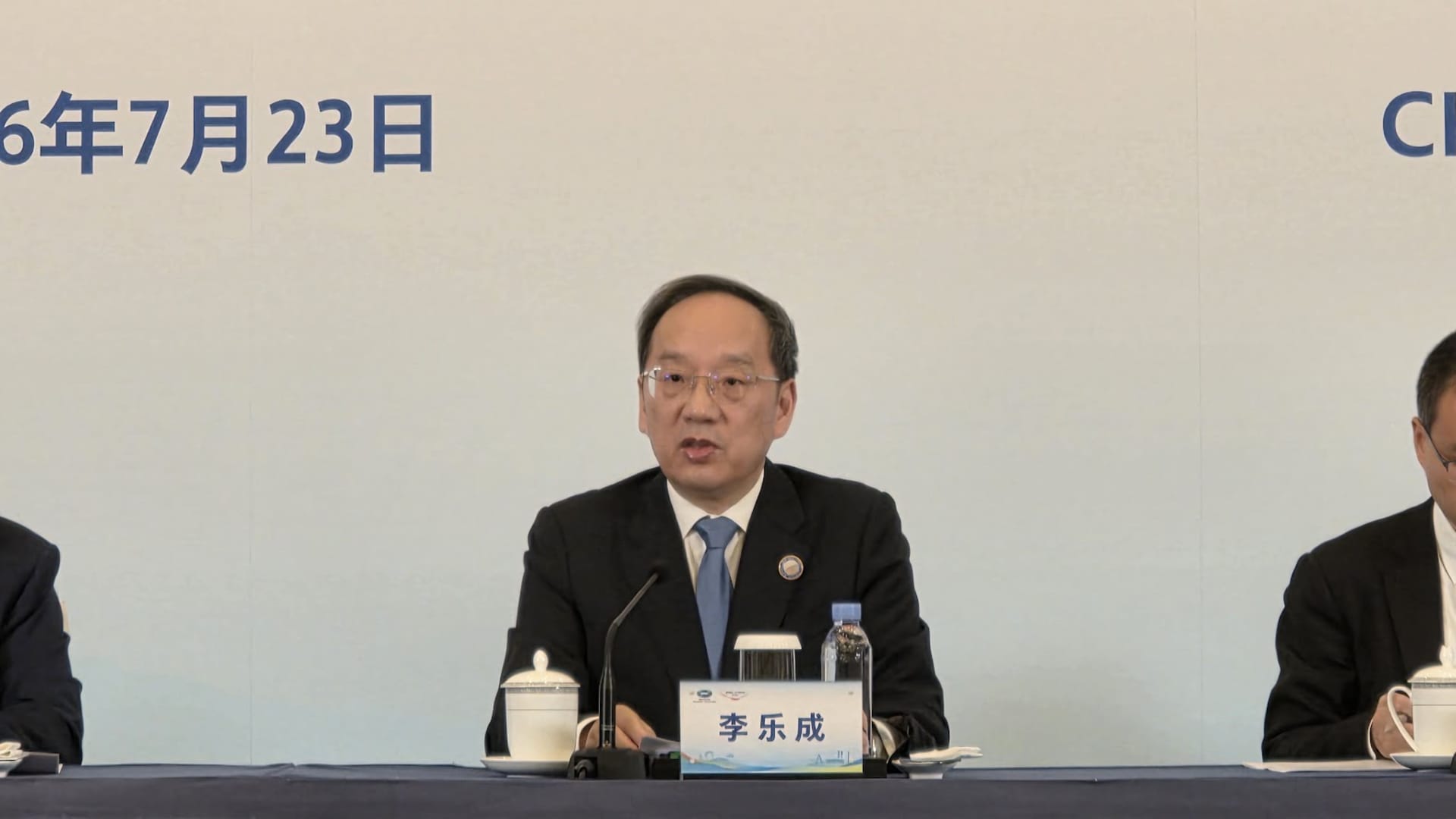
A significant multilateral statement from the APEC summit signals a new era for artificial intelligence development, where governments are increasingly prioritizing security and control alongside open-source innovation. The ‘Chengdu statement’ on AI, endorsed by 21 APEC member economies including the U.S. and China, underscores a commitment to robust security assurances, data protection, and intellectual property rights, aiming to steer the trajectory of rapidly advancing open-source AI models.
💰 Financial Strategy & Market Insights
- Global AI Governance Emerges. The APEC ‘Chengdu statement’ represents the first ministerial-level agreement on open-source cooperation, indicating a unified approach to AI development and regulation across a major economic bloc.
- Security-First Open Source. The emphasis on ‘strong security assurance’ suggests a shift from purely permissive open-source models to those incorporating rigorous testing, transparency, and deployment controls, potentially influencing investment in cybersecurity AI solutions.
- Geopolitical AI Dynamics. With both the U.S. and China involved, the statement highlights a complex interplay of competition and cooperation in AI, potentially impacting global supply chains and the valuation of tech assets.
The multilateral agreement marks a pivotal moment, indicating that the global push for open-source AI is increasingly being tempered by governmental demands for security and oversight. This statement, released from Chengdu, China, reflects a growing consensus among major economies to foster AI development while mitigating risks. It highlights a significant evolution from the foundational, more libertarian principles of open-source technology towards a model that embraces state coordination in areas like energy, telecommunications, and digital infrastructure, as noted by Winston Ma, adjunct professor of law at New York University. This coordinated approach aims to support open-weight systems in combination with these crucial infrastructural elements.
The Evolving Landscape of AI Development
The inclusion of open-source cooperation at the ministerial level, as highlighted by China’s Minister of Industry and Information Technology Li Lecheng, is a landmark achievement. The dialogue emphasized the shared recognition of AI’s inherent risks, fostering a collaborative spirit between governments, the private sector, and academia. Key areas of discussion included cybersecurity enhancements, supply chain resilience, and measures to combat online scams, all critical for stable market growth. This collaborative framework could influence how investment capital is allocated within the technology sector, favoring companies that demonstrate robust security protocols and compliance measures.
- The statement champions AI models and projects that incorporate ‘strong security assurance’ throughout their development and deployment phases.
- It calls for respect for intellectual property rights and data protection, crucial elements for trust in AI systems.
- The emphasis is shifting from a binary ‘open vs. closed’ debate to one centered on building ‘trusted’ open ecosystems.
This development comes at a time when both Washington and Beijing are reportedly seeking to enhance their control over domestic AI capabilities. Wei Sun, principal analyst at Counterpoint Research, views the broad alignment around trusted open-source AI as meaningful, providing a pathway for security-conscious nations to support open models while demanding stringent safeguards. The focus is now on which entities can establish open ecosystems that are secure and reliable enough for widespread government and enterprise adoption. This could redefine the competitive landscape for AI developers and impact the valuation of companies in this space, influencing overall financial sector stability.
AI’s Horizon: Beyond Current Capabilities
Looking further ahead, Janet De Silva, chair of the APEC Business Advisory Council Digital and Innovation Working Group, urged ministers to proactively prepare for the advent of quantum computing. The need for trusted encryption to secure the global financial system was paramount, framing quantum computing not just as a security challenge but also as an opportunity for enhanced competitiveness. This foresight suggests that ongoing investment and research in advanced cryptographic techniques and quantum-resistant AI solutions will become increasingly critical for market players.
📈 Risk vs. Reward Analysis
- Upside: Accelerated development of secure, open-source AI technologies, fostering broader adoption and innovation, potentially leading to new market opportunities and increased productivity across industries.
- Downside Risks: Potential for increased regulatory fragmentation if security standards are not uniformly adopted, risks of intellectual property disputes, and the possibility that state oversight could stifle rapid innovation.
Quantum Encryption’s Role: The push for ‘trusted encryption’ to safeguard financial systems against future threats like quantum computing highlights a critical intersection of AI, cybersecurity, and financial market infrastructure. This signals a growing imperative for investments in advanced security technologies and potentially impacts the long-term valuation of companies heavily reliant on current encryption standards.
APEC Nations Embrace Open-Source AI with Security Mandate
The ‘Chengdu statement’ signifies a crucial step in global AI governance, balancing the benefits of open-source development with essential security requirements. This collaborative stance across diverse economies like the U.S. and China could lead to more standardized security protocols, impacting the global educational financial insights and market dynamics. The focus on security assurance is expected to drive demand for advanced cybersecurity solutions and trustworthy AI platforms, influencing venture capital flows into the AI sector.
[Asset Name] Liquidity Analysis
The broader adoption of open-source AI, coupled with governmental security mandates, is expected to influence liquidity within the technology sector. Companies that can demonstrably meet these new security standards may see increased investor confidence and easier access to capital. Conversely, those with less transparent or less secure open-source models might face liquidity challenges as governments and enterprises prioritize trusted solutions. This shift could lead to greater consolidation and strategic partnerships, reshaping the competitive landscape and affecting asset valuations. For a deeper dive into market analysis, consult StockXpo.
[Asset Name] Market Sentiment Tracker
Investor sentiment surrounding open-source AI is likely to become more nuanced. While the innovative potential of open models remains attractive, the emphasis on security and data protection introduced by the ‘Chengdu statement’ suggests a premium will be placed on responsible development. This could lead to a bifurcated market, with well-governed and secure open-source AI projects attracting significant investment, while less regulated alternatives may see diminished market appetite. Monitoring regulatory developments and company-specific security implementations will be key for gauging market sentiment. News from outlets like Bloomberg Markets often reflects these shifts.
The Future of AI Development: A Secure, Open Ecosystem
The collaborative spirit at the APEC summit points towards a future where open-source AI development is intrinsically linked with stringent security measures. This approach aims to build trust and ensure the responsible integration of AI across economies. The focus on security assurance could spur innovation in AI safety and robust development practices, potentially creating new investment avenues and impacting the market valuation of AI-driven companies. This unified stance is a positive development for those seeking to leverage AI responsibly, paving the way for broader, more secure adoption.
- The focus on security is reshaping the open-source AI narrative, prioritizing trust and reliability.
- This multilateral agreement could foster greater international cooperation on AI standards and ethical guidelines.
- Investors should look for companies that align with these security-focused principles for long-term value.
Will this coordinated approach to secure open-source AI pave the way for a more stable and innovative global digital economy, or will geopolitical tensions and rapid technological advancement create unforeseen challenges?
📊 StockXpo Analyst’s View
Market Impact: The ‘Chengdu statement’ signals a maturation of the AI market, moving beyond pure capability to emphasize governance and security. This should positively impact investor sentiment towards companies with strong compliance and cybersecurity protocols, potentially increasing liquidity for such entities and tightening it for those lagging. The global nature of the agreement suggests a coordinated effort that could stabilize market expectations around AI development.
Sector To Watch: Expect increased investment and focus on AI companies specializing in cybersecurity, data privacy solutions, and transparent AI development frameworks. Industries that heavily rely on AI for critical infrastructure or sensitive data will likely favor vendors demonstrating adherence to the new security standards. Companies offering verifiable AI model security and auditing services are also poised for growth.
Financial Disclaimer:
StockXpo.com is a financial news aggregator and educational portal, not a registered investment advisor or broker-dealer. All information, news, and analysis provided herein are strictly for educational purposes and do not constitute investment, financial, legal, or tax advice. Investing in the stock market involves high risks, and past performance is not indicative of future results. StockXpo will not be liable for any financial losses or investment damages. Always consult a certified financial advisor before making market decisions.
MORE IN INSIDE FINANCE

AI Stock Boom Fuels $67 Billion Equities Growth for Wall Street Giants
Published: Wednesday, October 21, 2026 · 11:03 AM

New Risks Emerge: Global Finance Chiefs Highlight Debt, AI, and Geopolitical Volatility
Published: Tuesday, October 20, 2026 · 2:12 AM