Published: Tuesday, August 4, 2026 · 12:08 AM | Updated: Tuesday, August 4, 2026 · 12:08 AM
📊 86 views




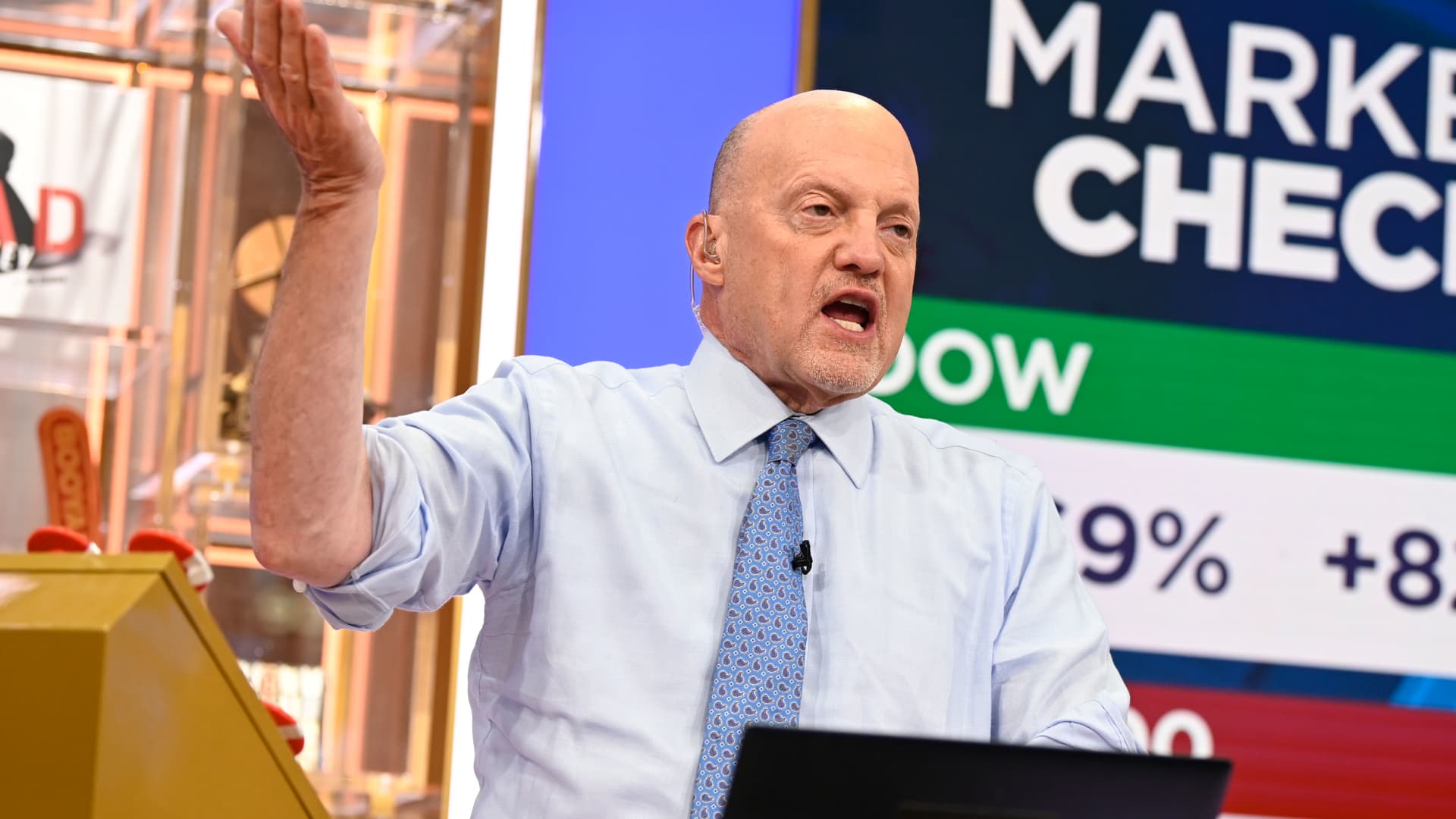
Recent earnings calls have fundamentally reshaped Wall Street’s perception of massive AI spending by hyperscalers. The market, once skeptical, now discerns a clear path to returns, primarily influenced by Amazon’s detailed strategy.
This shift underscores a critical demand from investors for transparent, long-term monetization plans tied to significant capital expenditures in artificial intelligence infrastructure, a trend that could redefine how tech giants communicate their innovation-driven growth.
🚀 Tech Strategy & Market Disruptions
- Amazon’s ROI Clarity. CEO Andy Jassy’s detailed explanation of decades-long revenue generation from AI data centers significantly boosted investor confidence, allowing a $20 billion capex increase without market backlash.
- Transparency Imperative. Companies like Alphabet and Meta faced skepticism despite similar AI spending, highlighting Wall Street’s demand for clear monetization roadmaps over mere investment announcements.
- Monetization Models Evolve. Microsoft’s success with Azure and Copilot demonstrates the power of immediate revenue streams from AI services, setting a benchmark for competitors in monetizing their advanced AI infrastructure.
Jim Cramer, host of CNBC’s “Mad Money,” recently pointed out a significant shift in how the market views the enormous capital expenditures by tech giants on artificial intelligence. According to Cramer, Amazon CEO Andy Jassy’s explanation during a recent earnings call was the pivotal moment, providing Wall Street with the much-needed “line of sight” into how these substantial investments will translate into meaningful returns over decades. This stands in stark contrast to previous skepticism, where investors questioned whether the immense AI spending would ever pay off.
Jassy’s calm and thoughtful presentation enabled Amazon to increase its capital expenditure budget from $200 billion to $220 billion, yet still see its stock achieve its largest one-day gain in over ten years. The key, as Cramer highlighted, was Amazon’s ability to articulate not just the scale of its investment in building data centers and outfitting them with cutting-edge servers and networking equipment, but also the long-term cash flow generation. Amazon explained that once these facilities are operational, they immediately begin generating significant revenue and can be monetized for 30-plus years without requiring similar upfront capital injections again.
This robust explanation created a clear distinction among peers. Alphabet, for instance, also raised its capital spending guidance, but its shares declined because management failed to adequately explain the translation of these investments into future returns. Cramer noted that even with similar numbers, a clearer communication strategy could have yielded a positive market reaction. Microsoft, conversely, largely sidestepped skepticism due to its strong free cash flow position and existing monetization strategies through its Azure cloud services and expanded Copilot subscriptions, directly linking AI investments to current revenue streams.
Meta Platforms, however, faced the sharpest criticism. Despite aggressive expansion of its AI infrastructure, management provided little clarity on how this substantial AI spending would generate returns, particularly regarding whether excess compute capacity would be rented out. Cramer expressed his disappointment, stating, “I was shocked and disappointed that Meta didn’t seem to have a plan.” This underscores a broader trend in the technology market: the increasing demand for tangible ROI narratives from investors when it comes to long-term, high-cost innovation strategies, influencing broader technology market trends.
As CTO, I view Andy Jassy’s strategy for Amazon’s AI investments as a masterclass in transparency and long-term value communication. It’s not enough to merely invest in emerging technologies; the true differentiator is articulating a clear, executable plan for how those investments will drive sustained, multi-decade cash flow, proving technology’s enduring value.
The market’s reaction clearly delineates the success of different approaches to AI infrastructure build-out and communication:
- Amazon’s Strategy: Emphasizes long-term asset monetization (30+ years) from data centers, providing a clear revenue generation model that resonated with investors.
- Microsoft’s Approach: Leverages existing cloud platforms (Azure) and product integration (Copilot) for immediate AI monetization, maintaining a positive free cash flow.
- Alphabet’s Challenge: Faced investor skepticism despite increased spending, indicating a gap in clearly articulating the future returns on its AI investments.
- Meta’s Dilemma: Heavily invested in infrastructure but lacked a clear, communicated strategy for monetizing that capacity, raising investor concerns about profitability.
Meta’s Ecosystem Expansion Potential
Meta’s aggressive investment in AI infrastructure, despite current investor skepticism, positions it with significant long-term ecosystem expansion potential. Should the company choose to open up its compute capacity to external developers or offer specialized AI-as-a-service solutions, similar to hyperscalers, it could unlock new revenue streams. The sheer scale of its infrastructure, built for internal AI models and metaverse initiatives, could eventually become a valuable commodity in the burgeoning AI market. This potential hinges, however, on a strategic pivot towards external monetization and a clear communication strategy for this new direction, as investors continue to seek detailed roadmaps for future growth.
Big Tech Market Adoption Challenges
While AI spending is now largely embraced, the challenge for Big Tech companies lies in demonstrating tangible, widespread market adoption and ROI for their AI-driven initiatives. Amazon’s success stems from a clear vision of how its infrastructure directly translates to revenue through AWS services, a model familiar and trusted by the market. For others, particularly those with more nascent or speculative AI applications like the metaverse, the path to broad market adoption and corresponding financial returns remains less clear. This necessitates innovative product development, clear use cases, and effective go-to-market strategies that resonate beyond early adopters, pushing the boundaries of emerging technologies.
Amazon’s Clearer Path Amidst AI Spending Scrutiny
Amazon’s recent earnings call has fundamentally altered the narrative around large-scale AI spending, shifting investor sentiment from skepticism to confidence. Andy Jassy’s ability to articulate a multi-decade monetization strategy for AI infrastructure underscores the critical importance of transparent financial communication in the current tech landscape. Companies can no longer simply announce massive investments; they must provide a concrete roadmap to profitability.
- Transparent ROI communication is now paramount for investor confidence in AI investments.
- Established monetization channels (e.g., cloud services, subscriptions) mitigate market skepticism.
- Companies lacking clear plans for monetizing AI infrastructure face significant investor pushback.
Will other tech giants adapt their communication strategies to match Amazon’s clarity, or will the divide in investor perception of AI investments continue to widen?
📊 StockXpo Analyst’s View
Market Impact: This news signals a maturing investor perspective on AI capital expenditure. While the long-term potential of AI is undeniable, the market is now demanding a more rigorous financial justification for these investments. Companies with clear, actionable monetization strategies, like Amazon and Microsoft, are likely to see sustained investor confidence, potentially attracting capital away from competitors with less transparent roadmaps. This could lead to increased scrutiny on balance sheets for future technology market trends.
Sector To Watch: The cloud computing and data center infrastructure sectors will remain critical. Furthermore, companies providing AI services and platforms that enable tangible, measurable business outcomes will gain favor. Investors should closely watch how companies integrate AI into their core revenue models and communicate these developments. The demand for educational tech insights on AI ROI will intensify.
Financial Disclaimer:
StockXpo.com is a financial news aggregator and educational portal, not a registered investment advisor or broker-dealer. All information, news, and analysis provided herein are strictly for educational purposes and do not constitute investment, financial, legal, or tax advice. Investing in the stock market involves high risks, and past performance is not indicative of future results. StockXpo will not be liable for any financial losses or investment damages. Always consult a certified financial advisor before making market decisions.
MORE IN INSIDE TECHNOLOGY

Starlink India: Regulatory Hurdles and Innovation-Driven Growth Risks
Published: Friday, October 9, 2026 · 12:48 AM

Starlink Launch: India’s Digital Transformation Faces Regulatory Risk
Published: Thursday, October 8, 2026 · 1:51 AM