Published: Monday, June 1, 2026 · 12:57 PM | Updated: Monday, June 1, 2026 · 12:57 PM
📊 259 views




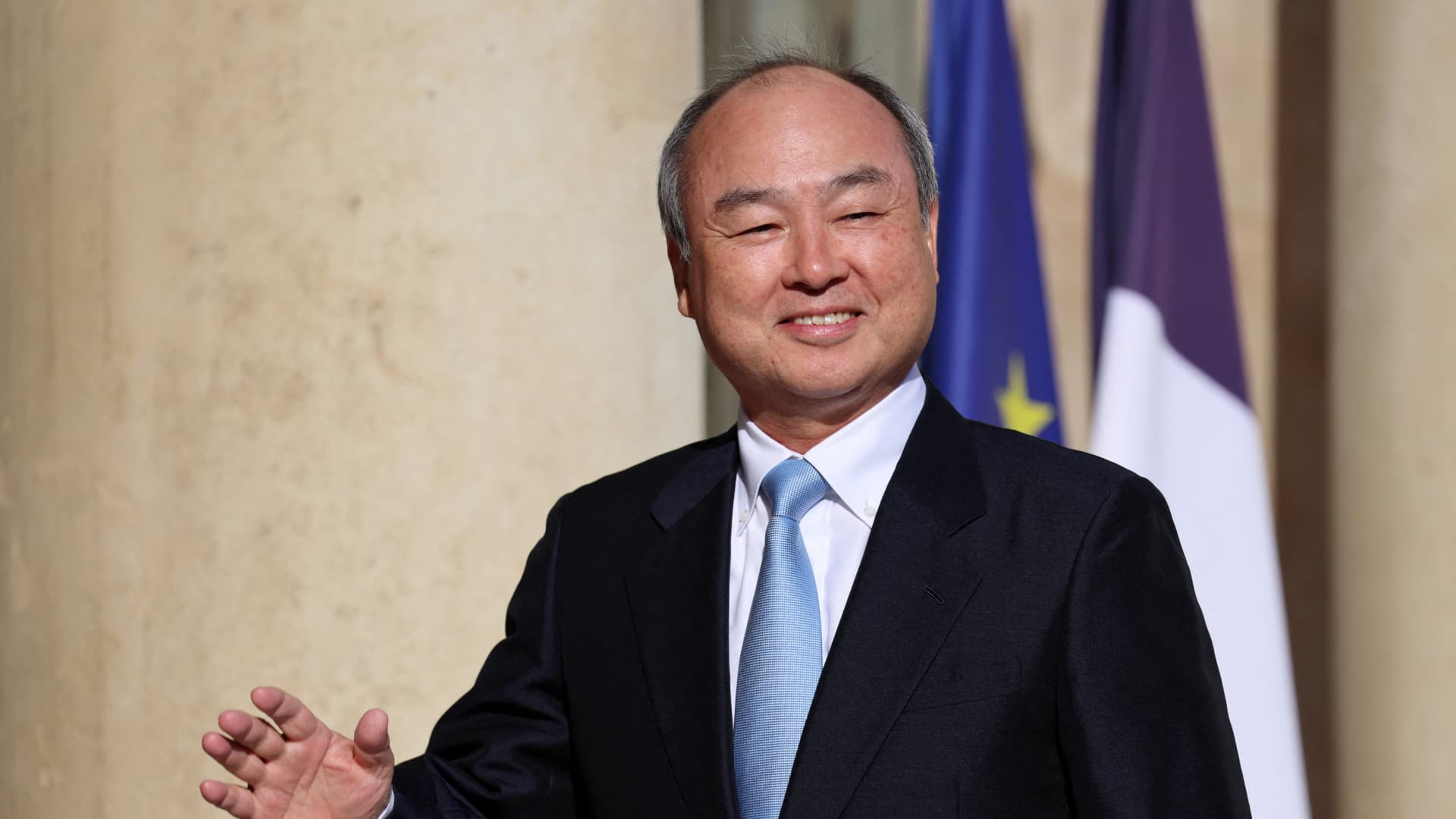
SoftBank CEO Masayoshi Son has made a bold claim: the AI Revolution is ’50 times bigger’ than the dot-com boom of the early 2000s. This pronouncement comes as SoftBank prepares to invest significantly in AI infrastructure, emphasizing its belief in the transformative power of artificial intelligence.
🚀 Tech Strategy & Market Disruptions
- Massive AI Infrastructure Investment. SoftBank plans a €75 billion ($87 billion) investment to build 5 GW of AI data center capacity in France, signaling a major commitment to European AI development.
- Long-Term Vision for AI. Son views current market corrections as mere bumps in a much larger, century-long growth story for AI, akin to the automotive and electronics industries post-1929.
- Strategic Portfolio Management. Despite significant AI commitments like OpenAI, SoftBank maintains a diversified portfolio, with Arm Holdings remaining its largest asset, reflecting a balanced approach to emerging technologies.
Masayoshi Son, the visionary leader of SoftBank, recently articulated an emphatic belief that the current AI Revolution eclipses the internet’s early commercialization by a factor of 50. Speaking in Paris, Son underscored this conviction shortly after announcing a monumental €75 billion ($87 billion) commitment to establish AI infrastructure in France. This investment aims to deliver 5 GW of AI data center capacity by 2031 across strategic locations like Dunkirk, Bosquel, and Bouchain, demonstrating a profound commitment to making Europe an AI hub. This strategic move highlights how major players are positioning themselves within evolving technology market trends.
Son’s perspective isn’t merely about scale; it’s about the fundamental nature of the technological shift. He likened any potential market corrections to minor historical blips, such as the 1929 Wall Street crash’s impact on nascent auto and electronics stocks, which eventually soared for decades. This historical context frames his long-term bullish outlook, suggesting that any downturns in the AI sector would simply present prime investment opportunities for those with foresight.
SoftBank’s strategy extends beyond financial speculation. Its partnership with OpenAI on the ‘Stargate’ project in the United States and the recent collaboration with French engineering firm Schneider Electric for the Dunkirk hub illustrate a hands-on approach to building foundational AI capabilities. These ventures are critical for deploying the massive computational power required to fuel advanced AI models and applications, setting the stage for the next wave of emerging technologies.
The group’s investment portfolio reflects this dual focus. While OpenAI constitutes just over 20% of its net asset value, British semiconductor design firm Arm remains the largest holding, exceeding 50%. This structure suggests a calculated diversification, balancing high-growth AI software and services with indispensable hardware and chip design, which are foundational to the entire AI ecosystem. Such decisions are often analyzed by market experts, and Bloomberg’s coverage often tracks such strategic financial plays closely.
- Key Takeaways:
- Son’s ’50x bigger’ assertion positions AI as a paradigm shift far exceeding previous tech booms.
- SoftBank’s significant European investment underscores a global strategy for AI infrastructure.
- A diversified portfolio with Arm as the anchor highlights a balanced approach to AI’s full stack.
The massive influx of capital into AI infrastructure, epitomized by SoftBank’s €75 billion French investment, directly leads to significantly enhanced computational capacity. This surge in data center power and specialized hardware, such as advanced GPUs, enables the training and deployment of ever-more complex and powerful AI models. These sophisticated models, in turn, drive rapid innovation across industries, from autonomous systems to personalized medicine and hyper-efficient logistics. This continuous cycle of infrastructure development fueling AI advancement directly fosters market disruption by creating new services, automating existing processes, and fundamentally altering competitive landscapes.
“The foundational investment in high-density AI data centers isn’t just about compute power; it’s about establishing digital sovereignty and fostering localized AI innovation hubs. For a CTO, this means evaluating not only cloud-based AI services but also the strategic implications of owning or partnering on physical AI infrastructure to control latency, data security, and specialized workload optimization.”
| Investment Area | Details / Scale | Strategic Impact |
|---|---|---|
| France AI Infrastructure | €75 Billion ($87 Billion) for 5 GW capacity | Establishes European AI hub, strengthens regional tech leadership. |
| U.S. AI Infrastructure | 10 GW project in Ohio (Stargate) | Scales AI compute for North American market. |
| OpenAI Holding | ~20% of SoftBank’s Net Asset Value (NAV) | Direct exposure to leading generative AI development. |
| Arm Holdings | >50% of SoftBank’s Net Asset Value (NAV) | Foundational semiconductor IP for AI and broader computing. |
SoftBank’s AI Infrastructure Ecosystem Expansion Potential
SoftBank’s multifaceted approach to AI infrastructure, encompassing both direct investment in data centers and strategic partnerships like the one with Schneider Electric, positions it for significant ecosystem expansion. By building out physical capacity in key regions like France and the US, SoftBank is not merely investing in compute; it’s creating foundational platforms for a myriad of AI applications. This strategy could attract smaller AI startups, research institutions, and large enterprises seeking robust, localized infrastructure, fostering a symbiotic environment where SoftBank’s investments become crucial enablers of broader innovation. Such hubs also pave the way for specialized services, from AI-optimized cloud offerings to secure data processing for sensitive industries.
OpenAI’s Market Adoption Challenges Ahead
While Masayoshi Son expressed confidence in OpenAI’s future success, the path to sustained market dominance is rarely linear. As OpenAI reportedly considers an IPO, it faces increasing competition from well-funded tech giants like Google, Microsoft (despite being an investor), and Meta, all heavily investing in their own large language models and generative AI capabilities. Furthermore, widespread enterprise adoption of sophisticated AI models brings challenges related to data privacy, ethical AI governance, explainability, and integration with legacy systems. The cost of running and scaling these models also remains a significant barrier for many potential customers, requiring continuous innovation in efficiency and pricing models. Navigating these complexities will be paramount for OpenAI’s long-term market penetration and profitability, as discussed in various educational tech insights.
The AI Revolution: SoftBank’s Bold Vision Unpacked
Masayoshi Son’s emphatic stance on the AI Revolution underscores a strategic shift towards foundational infrastructure, with SoftBank betting heavily on a future dominated by advanced AI. The massive investments in France and the US, alongside strategic holdings like Arm and OpenAI, paint a picture of a conglomerate positioning itself at the very heart of the next technological epoch. This approach prioritizes long-term ecosystem building over short-term market fluctuations.
- SoftBank is building a global AI infrastructure network, establishing itself as a key enabler for future AI innovation.
- The comparison to the dot-com boom highlights Son’s conviction in AI’s profound and lasting societal and economic impact.
- A diversified investment strategy balances high-growth AI software with critical hardware components, mitigating singular risk exposure.
How will SoftBank’s ambitious infrastructure play ultimately reshape the global AI landscape and accelerate the timeline for pervasive artificial intelligence?
📊 StockXpo Analyst’s View
Market Impact: Masayoshi Son’s powerful rhetoric and SoftBank’s tangible investments signal a deepening conviction in AI’s economic dominance, potentially driving further institutional capital into the AI infrastructure and foundational model sectors. This could enhance investor sentiment around AI-adjacent stocks, though concerns about market valuations and potential corrections, as alluded to by Son himself, warrant careful consideration. The scale of investment suggests long-term liquidity commitment rather than speculative short-term plays, which can stabilize market perceptions.
Sector To Watch: Beyond the obvious AI software and semiconductor sectors, pay close attention to critical infrastructure plays, including data center REITs, power management solutions, and specialized cooling technologies. The industrial automation and energy sectors are also poised for significant transformation as AI demands unprecedented power generation and distribution capabilities. For further analysis on industry shifts, Reuters reported recently on rising tech investments.
Financial Disclaimer:
StockXpo.com is a financial news aggregator and educational portal, not a registered investment advisor or broker-dealer. All information, news, and analysis provided herein are strictly for educational purposes and do not constitute investment, financial, legal, or tax advice. Investing in the stock market involves high risks, and past performance is not indicative of future results. StockXpo will not be liable for any financial losses or investment damages. Always consult a certified financial advisor before making market decisions.
MORE IN INSIDE TECHNOLOGY
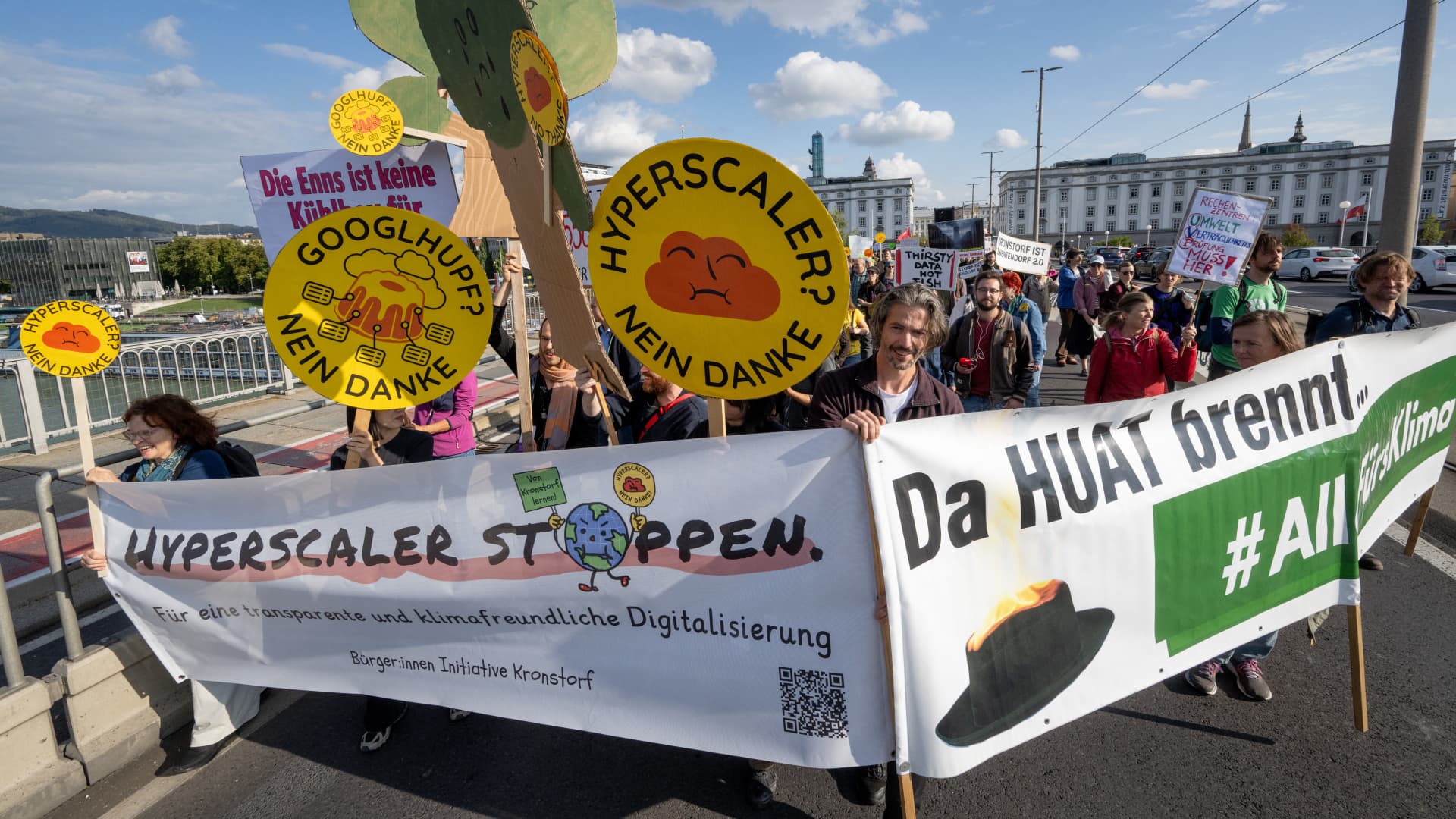
Data Centers Face Global Headwinds: A $119 Billion Investment at Risk
Published: Saturday, October 3, 2026 · 2:48 AM

AI Cyberattacks: Interpol Warns of Escalating Speed and Risk
Published: Friday, October 2, 2026 · 1:18 AM