Published: Monday, June 1, 2026 · 12:56 PM | Updated: Monday, June 1, 2026 · 12:56 PM
📊 201 views




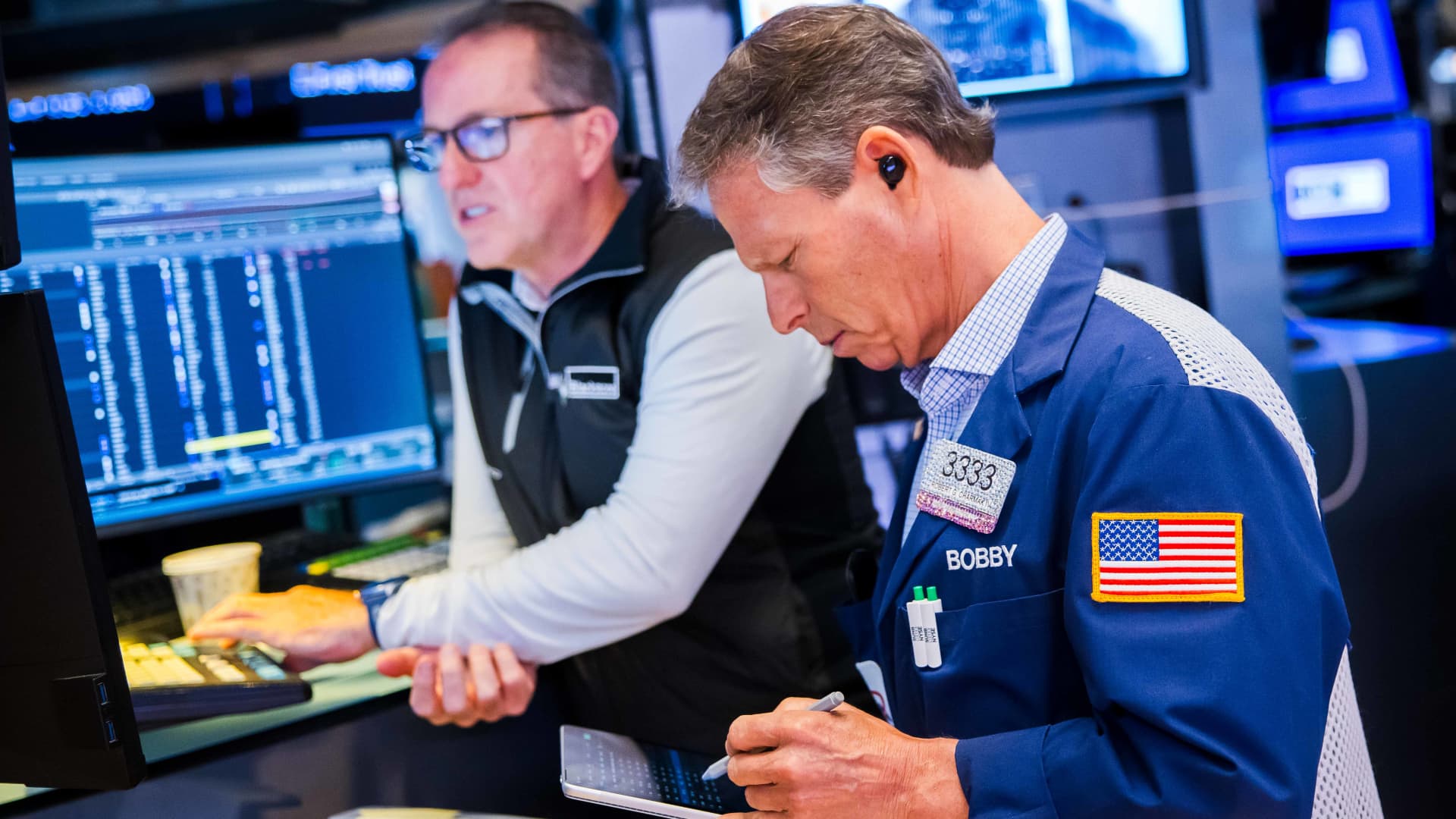
The current market landscape presents a dichotomy of innovation and revaluation, particularly impacting technology ventures. While established giants like Nvidia push into new markets, the burgeoning sector of AI Startups is grappling with a significant reset in investor expectations and valuations. This dynamic environment necessitates a keen understanding of underlying tech shifts and their broader economic implications.
🚀 Tech Strategy & Market Disruptions
- AI Valuation Reset. The advent of advanced AI has recalibrated investor expectations, leading to a significant revaluation of startups that secured funding prior to the recent boom.
- Nvidia’s PC Market Foray. Nvidia is strategically entering the PC market with new chip lines, signaling its intent to embed its AI-centric hardware deeper into mainstream computing platforms.
- Berkshire Hathaway’s Real Estate Play. The acquisition of Taylor Morrison Home highlights Berkshire Hathaway’s continued diversification, particularly into stable sectors like real estate under its evolving leadership.
The week opens with significant movements across technology and finance, underscored by Nvidia’s assertive step into the PC market. The chipmaker, already a titan in accelerated computing and AI infrastructure, is poised to power a new generation of Windows laptops from manufacturers like Dell and HP. This move is not merely about market share; it’s a profound strategic play to embed Nvidia’s technology deeper into the consumer and enterprise hardware ecosystem, mirroring broader technology market trends. The immediate market response, a premarket rally among tech stocks, reflects investor confidence in Nvidia’s capacity for sustained innovation-driven growth.
However, beneath the surface of tech’s soaring giants, a more sobering reality is unfolding for many early-stage ventures. The artificial intelligence boom, while creating immense value, has also triggered a profound recalibration of private market valuations. PitchBook reports that almost half of U.S. unicorn startups haven’t secured funding in three years, as highlighted by recent technology sector analysis. Hundreds of companies that once commanded billion-dollar valuations, such as The Farmer’s Dog and Glossier, are now experiencing significant markdowns, with valuations dropping an average of 68% for those last funded in 2021, and 52% for 2022 cohorts. This trend illustrates a critical shift:
- Investors are prioritizing proven AI-native solutions over speculative pre-AI business models.
- The cost of AI development and integration demands substantial capital, favoring well-capitalized players or those with immediate, demonstrable ROI.
- There is a heightened scrutiny on unit economics and sustainable growth, moving away from purely growth-at-all-costs strategies that defined prior funding cycles.
Elsewhere in the market, Berkshire Hathaway made a substantial move, agreeing to acquire Taylor Morrison Home for $6.8 billion. This deal, one of the first major acquisitions under CEO Greg Abel, signifies Berkshire’s strategic appetite for integrating further into the real estate sector. While the conglomerate’s B shares currently trail the S&P 500, this acquisition demonstrates a long-term investment philosophy, distinct from the rapid shifts seen in the tech sector. Simultaneously, the broader economic environment remains complex. The ongoing geopolitical situation, particularly concerning the Iran war, has direct consequences for energy markets and consumer spending, adding pressure to sectors like retail. Despite a strong first quarter, retailers like Walmart and Ross indicate potential headwinds as consumers exhaust tax refunds and face higher energy costs, impacting overall market liquidity. The latest shifts in the tech market underscore broader economic movements, a narrative frequently covered by global tech news outlets. Meanwhile, Disney is preparing for a significant advertising year in 2027, leveraging major events like the Super Bowl and Oscars, highlighting the renewed importance of advertising revenue in media.
The rapid advancements in AI models and accessible tooling → Increased pressure on traditional tech stacks to integrate AI capabilities → Heightened investor scrutiny on existing startup valuations lacking clear AI differentiation → Significant revaluation and contraction in funding for pre-AI era ‘unicorn’ startups → A market disruption where only truly innovative and adaptable AI Startups with clear paths to profitability will thrive.
“The current market correction for pre-AI unicorns is a necessary reset. Legacy tech stacks and business models are being forced to justify their existence against the exponential efficiency gains offered by modern AI. CTOs must now prioritize lean, AI-first architectures and demonstrable value creation over inflated growth narratives, or face obsolescence.”
The impact of the AI revaluation is stark when examining historical funding trends:
- Startups last funded in 2021: Average valuation drop of 68%.
- Startups last funded in 2022: Average valuation drop of 52%.
- Unicorn startups without new funding in three years: Nearly 50% of the total.
AI Startups: The Cruciality of Security & Infrastructure Strength
For AI Startups, the current valuation squeeze also underscores the importance of robust security and scalable infrastructure from day one. In an era where data is paramount and AI models are potential targets, a strong security posture is not just a feature but a foundational requirement for trust and market viability. CTOs must design architectures that are resilient against emerging threats, ensuring data privacy and integrity while managing the immense computational demands of AI. This includes leveraging secure cloud environments, implementing zero-trust principles, and investing in continuous vulnerability assessments, differentiating mature operations from nascent, risk-prone ventures.
Nvidia’s Ecosystem Expansion Potential Beyond the Chip
Nvidia’s move into the PC market extends beyond merely supplying chips; it’s an ambitious play to solidify its software and hardware ecosystem. By powering a new generation of AI-enabled Windows laptops, Nvidia aims to create a cohesive environment where its GPUs, CUDA platform, and AI development tools become indispensable. This strategy deepens its integration with developers and end-users, potentially creating a network effect that makes it harder for competitors to displace. The long-term vision is to weave its AI infrastructure into every layer of computing, from data centers to personal devices, thereby amplifying its market influence and further integrating the firm into a dynamic emerging technologies landscape. For deeper educational tech insights, explore our blog.
The Shifting Landscape for AI Startups and Tech Giants
The tech sector is currently undergoing a significant recalibration, where the hype cycle of previous years is giving way to a demand for demonstrable value and robust operational models. While established players like Nvidia leverage their core strengths to expand, AI Startups are facing a critical juncture that will define their longevity and future growth trajectory. This period demands strategic agility and a clear vision for sustainable innovation.
- Intensified Competition: The AI market will consolidate, favoring startups with differentiated technology and solid monetization strategies.
- Capital Scrutiny: Investors will continue to prioritize efficiency and a clear path to profitability over pure growth, impacting future funding rounds for non-performers.
- Architectural Imperative: Future success hinges on adopting scalable, secure, and AI-native cloud architectures, crucial for both performance and investor confidence.
How will this valuation reset ultimately redefine the next generation of technological leaders?
📊 StockXpo Analyst’s View
Market Impact: The revaluation of AI startups, alongside Nvidia’s expansion, signals a maturing tech market where fundamentals and verifiable AI integration are gaining precedence over speculative growth. This shift could lead to increased M&A activity for struggling unicorns and a more disciplined approach to tech investments, impacting market liquidity in venture capital while potentially boosting established tech giants.
Sector To Watch: Investors should closely monitor the enterprise AI software and specialized hardware sectors. Companies providing vertical-specific AI solutions, cybersecurity, and advanced data infrastructure stand to gain as businesses prioritize practical AI adoption and resilient digital transformation.
Financial Disclaimer:
StockXpo.com is a financial news aggregator and educational portal, not a registered investment advisor or broker-dealer. All information, news, and analysis provided herein are strictly for educational purposes and do not constitute investment, financial, legal, or tax advice. Investing in the stock market involves high risks, and past performance is not indicative of future results. StockXpo will not be liable for any financial losses or investment damages. Always consult a certified financial advisor before making market decisions.
MORE IN INSIDE TECHNOLOGY

Humanoid Robots: Unitree’s Scalability Challenge in a $9 Billion Market
Published: Friday, August 14, 2026 · 12:37 AM
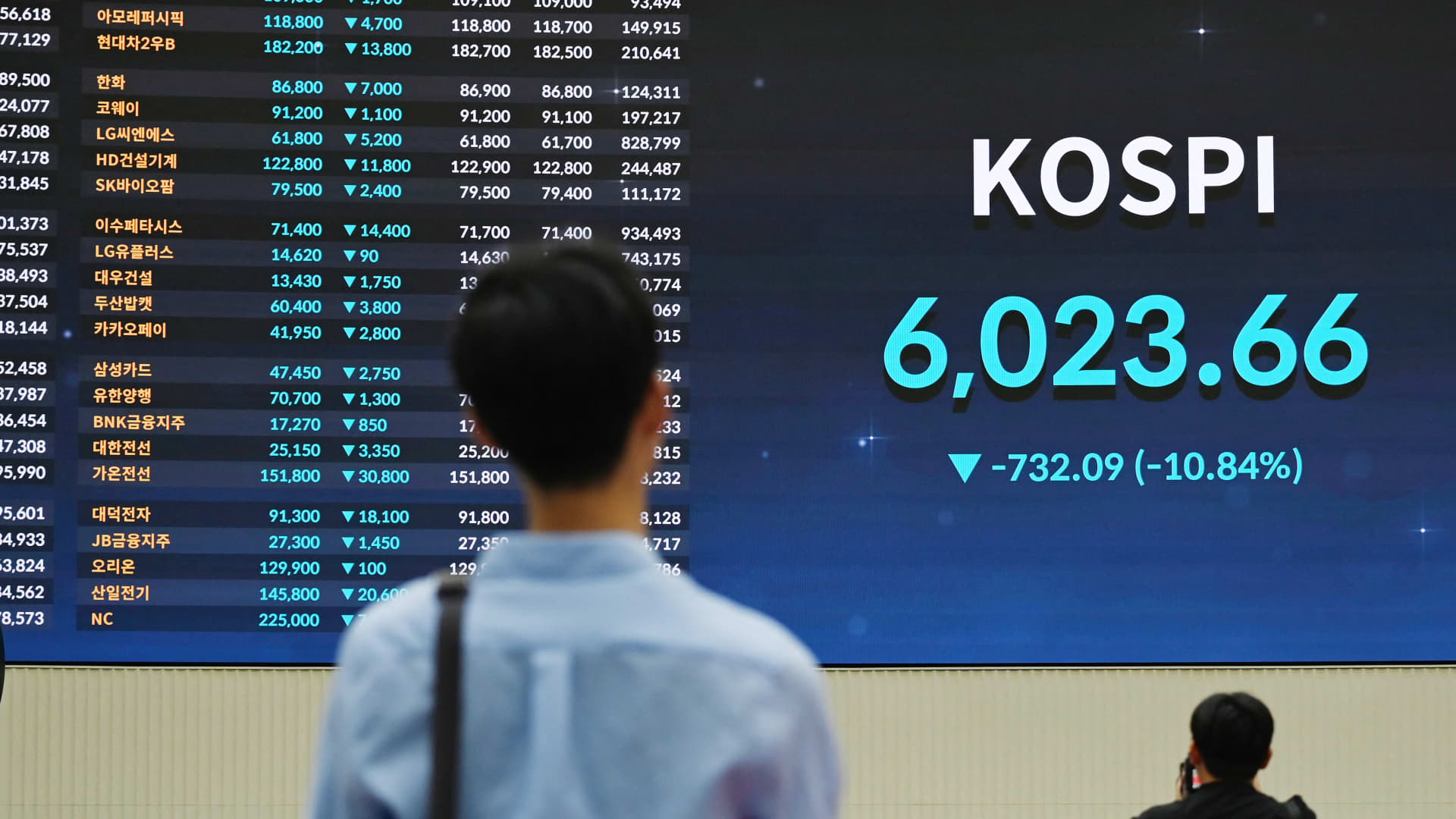
South Korea’s Kospi: Navigating the AI-Driven Bull Market Volatility
Published: Thursday, August 13, 2026 · 1:58 AM