Published: Tuesday, May 19, 2026 · 9:31 PM | Updated: Tuesday, May 19, 2026 · 9:31 PM
📊 279 views




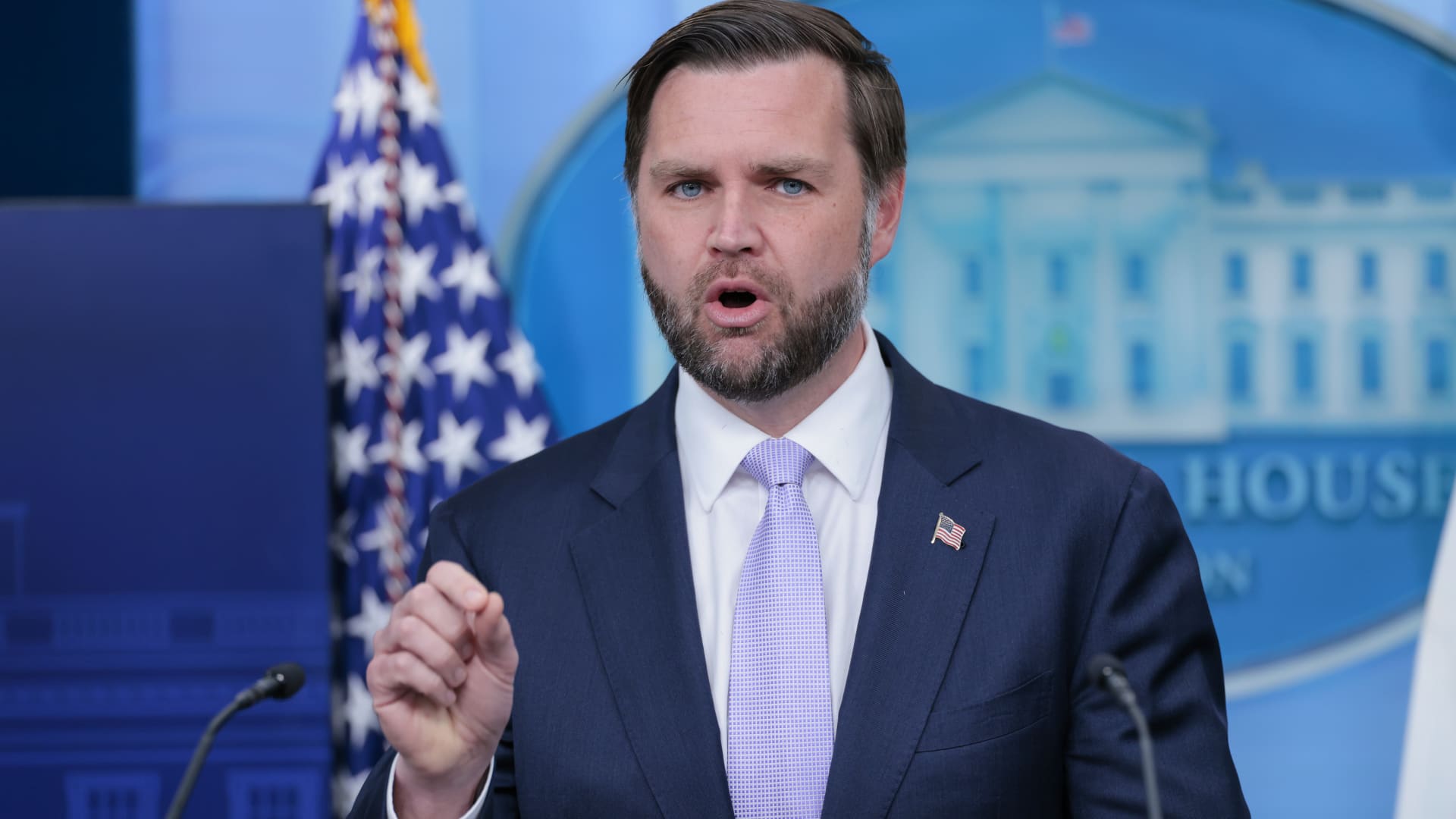
The recent public disclosure of an expansive Trump stock trading spree, totaling hundreds of millions across thousands of transactions within a quarter, has ignited a fresh debate over transparency and potential conflicts of interest at the highest levels of government. These financial revelations, defended by Vice President JD Vance as managed by independent wealth advisors, underscore the persistent challenges in navigating personal finance alongside public service in a digitally connected market.
🚀 Tech Strategy & Market Disruptions
- Automated Trading Governance. The controversy highlights the need for robust, transparent systems to manage high-volume personal wealth for public officials, especially when automated systems are cited as the primary mechanism for transactions.
- Public Perception & Digital Footprint. Social media activity, like President Trump’s praise for Palantir (PLTR) shortly after trades, can amplify scrutiny, demanding higher accountability from influential figures in the digital age.
- AI’s Role in Portfolio Management. The reliance on ‘automated investment processes and systems’ for managing substantial assets underscores the increasing role of AI and sophisticated algorithms in wealth management, even for high-profile portfolios.
The extensive financial filings of President Donald Trump, revealing a significant Trump stock trading spree encompassing over 3,700 transactions in the first quarter of 2026 alone, have become a focal point for questions regarding public integrity and market ethics. These disclosures, initially made public through the Office of Government Ethics, detail securities purchases in companies that President Trump has publicly championed, sometimes even including specific stock ticker symbols in his social media posts. Vice President JD Vance swiftly moved to defend the president, asserting during a White House press briefing that Trump does not personally manage these trades. Instead, Vance stated that independent wealth advisors, utilizing ‘automated investment processes and systems,’ are solely responsible for managing Trump’s substantial assets, which are held in a trust administered by his children. This arrangement, according to White House spokesman Davis Ingle, is designed to prevent any conflicts of interest.
The situation raises critical questions about the interplay between high-volume automated trading systems and the public statements of influential figures. For instance, the filings show purchases of Palantir Technologies (PLTR stock), an artificial intelligence software giant and government contractor, in March. Following a challenging week for Palantir shares in April, President Trump publicly endorsed the company on Truth Social, praising its ‘great war fighting capabilities and equipment.’ This sequence of events, while officially attributed to automated, third-party management, fuels public and media scrutiny concerning potential undue influence or perceived market manipulation. The defense posits that these third-party financial institutions operate with ‘sole and exclusive authority over all investment decisions,’ and neither the president nor his family receive advance notice of trading activity or provide input.
Despite these assurances, the sheer volume and timing of the transactions, particularly those involving companies explicitly mentioned by the president, highlight a complex ethical landscape. These events contribute to broader discussions on governmental ethics and the evolution of transparency standards in an era where digital communication and automated financial tools are pervasive, prompting many to seek educational tech insights.
- The number of transactions, exceeding 3,700 in three months, indicates a highly active portfolio managed through sophisticated algorithms.
- The value of these transactions, reaching hundreds of millions of dollars, underscores the significant financial footprint involved.
- The specific case of Palantir (PLTR) illustrates the direct link between portfolio holdings and public commentary, regardless of managerial separation.
The challenge lies in distinguishing between genuinely independent, algorithmic portfolio management and any perceived or actual correlation with public discourse from influential political figures.
The public revelation of such extensive high-frequency trading activity by a high-profile political figure triggers a distinct disruption flow. Increased scrutiny over official financial disclosures inevitably leads to heightened public demand for transparency in financial governance, which in turn pressures regulatory bodies to explore more stringent oversight mechanisms for politicians’ investments. This could cascade into technology innovation focusing on truly anonymized and autonomously managed public official portfolios, potentially disrupting traditional wealth management practices by forcing a higher degree of verifiable independence and algorithmic control to avoid perception of conflict.
As a CTO, the critical lesson here is the unavoidable intersection of advanced financial technology, public perception, and governance. Even with ‘automated investment processes,’ the optics of such a high-volume Trump stock trading portfolio tied to public commentary reveal a glaring need for transparent, auditable, and truly blind trust architectures that are beyond reproach, irrespective of political affiliation. The tech stack facilitating these transactions must offer irrefutable proof of non-intervention.
Political Transparency Market Adoption Challenges
“The current episode underscores a significant hurdle in the adoption of advanced transparency frameworks within political financial disclosures. While technology exists to create highly secure and opaque trusts managed by AI, the political will and public acceptance for such systems are still developing. The challenge is twofold: first, designing systems that are robust enough to withstand accusations of influence, and second, educating the public on how such sophisticated, automated management truly ensures independence. Without broad adoption of verifiable, auditable blockchain-backed or AI-driven blind trust protocols, the perception of conflict will persist, regardless of the technological sophistication of the asset management.”
Palantir Ecosystem Expansion Potential
“Palantir Technologies, a company repeatedly highlighted in President Trump’s disclosures and social media, stands at an interesting juncture regarding its ecosystem expansion. As a firm specializing in AI-driven data analytics for government and enterprise, its public association, whether positive or controversial, invariably impacts its market narrative. The company’s future growth hinges not just on its technological prowess but also on navigating the complex interplay of government contracts, public sentiment, and market perception. Expanding its ecosystem beyond traditional government clients to broader commercial applications requires a strategic approach to public relations and a clear articulation of its value proposition, distinct from any political endorsements, to ensure sustainable technology market trends and to adapt to regulatory shifts in emerging technologies and governance.”
The Ripple Effect of Trump Stock Trading on Market Trust
“The ongoing scrutiny surrounding the Trump stock trading activities highlights a growing tension between automated financial management and the imperative for public accountability. While the defense points to independent advisors and automated systems, the perception of potential influence remains a critical concern for market integrity and public trust in financial disclosures.”
- The incident underscores the need for clearer, more robust ethical guidelines for public officials’ personal financial dealings in the digital age.
- It amplifies the debate around the verifiable independence of ‘blind trusts’ in an era of instantaneous information dissemination and social media influence.
- For technology developers, this event signals a market demand for next-generation, auditable financial platforms that can genuinely mitigate perceived conflicts of interest.
“How will the future of political finance adapt to advanced trading technologies and increasing calls for transparent governance?”
📊 StockXpo Analyst’s View
Market Impact: The ongoing debate around high-profile political stock trading creates a sentiment of regulatory uncertainty, particularly in sectors frequently interacting with government. This could lead to a cautious approach from investors in companies perceived as having strong political ties, while simultaneously driving demand for enhanced transparency solutions in financial technology.
Sector To Watch: Financial technology (FinTech) and regulatory technology (RegTech) are poised for significant innovation. Solutions offering verifiable, automated, and truly independent asset management for public officials could see accelerated development and adoption, transforming how high-net-worth individuals in public service manage their portfolios.
Financial Disclaimer:
StockXpo.com is a financial news aggregator and educational portal, not a registered investment advisor or broker-dealer. All information, news, and analysis provided herein are strictly for educational purposes and do not constitute investment, financial, legal, or tax advice. Investing in the stock market involves high risks, and past performance is not indicative of future results. StockXpo will not be liable for any financial losses or investment damages. Always consult a certified financial advisor before making market decisions.
MORE IN INSIDE TECHNOLOGY
Bond Yields Under Pressure: IMF Warns of ‘Disorderly’ Spike Driven by AI Debt and Inflation
Published: Tuesday, October 13, 2026 · 1:21 AM
AI Breakthroughs: TikTok CEO Predicts Major Scientific Leap Within Three Years
Published: Monday, October 12, 2026 · 2:40 AM