Published: Wednesday, May 20, 2026 · 12:02 AM | Updated: Wednesday, May 20, 2026 · 12:02 AM
📊 263 views




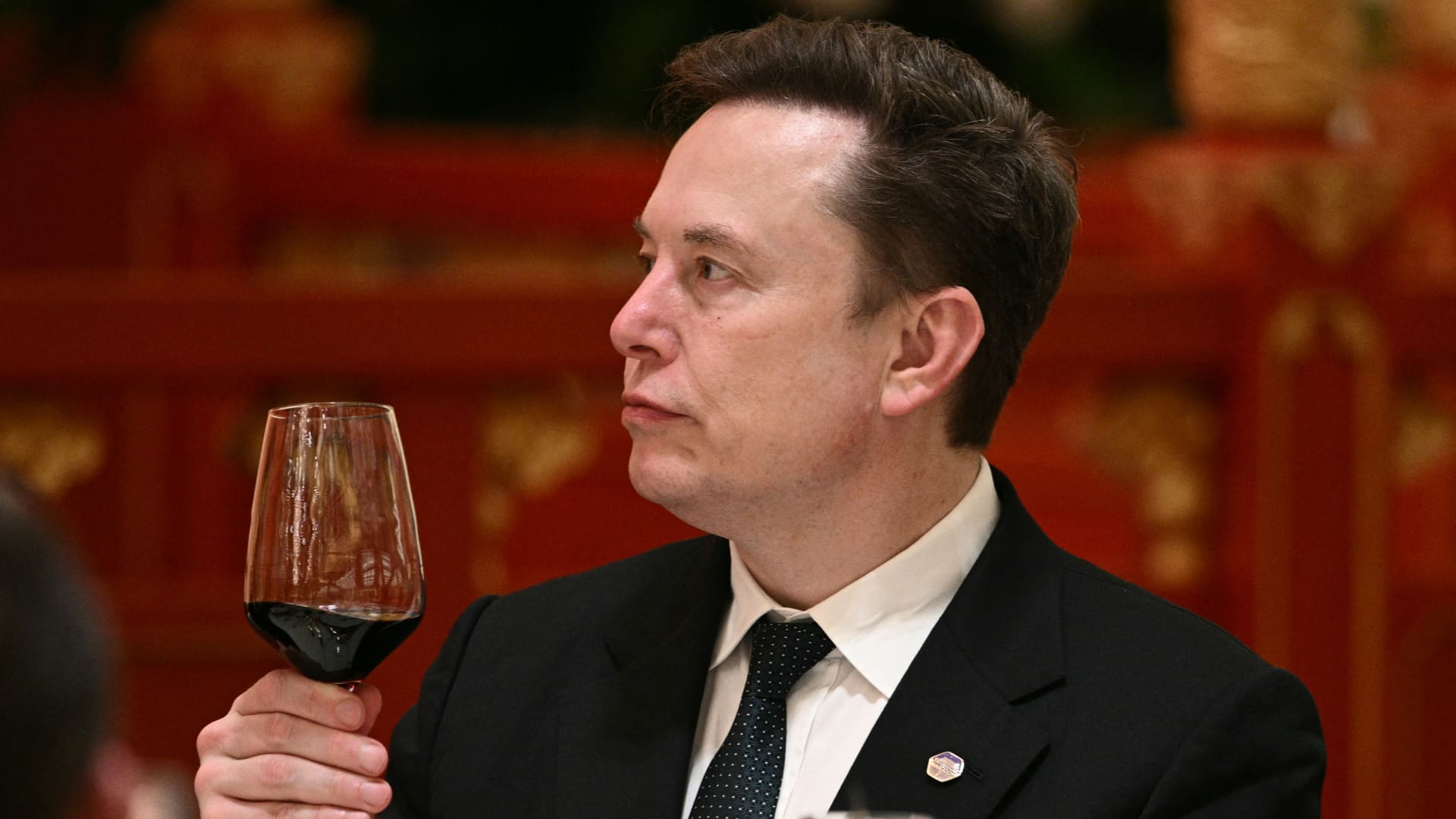
SpaceX is reportedly gearing up for an unprecedented public offering, with investment banking titan Goldman Sachs securing the coveted lead left position. This highly anticipated SpaceX IPO, potentially valued at an astounding $1.25 trillion, marks a pivotal moment for both the aerospace industry and the broader financial markets.
🚀 Tech Strategy & Market Disruptions
- Trillion-Dollar Debut. SpaceX’s $1.25 trillion valuation, including the recent xAI merger, is set to eclipse previous tech IPO records, indicating a massive appetite for deep tech and AI integrations.
- Strategic Underwriting Syndicate. Goldman Sachs leads a powerhouse syndicate including Morgan Stanley, Bank of America, Citigroup, and JPMorgan Chase, signaling robust institutional backing and confidence in the offering’s scale.
- Pacing AI IPOs. SpaceX aims to list ahead of other privately valued tech giants like OpenAI and Anthropic, potentially setting a valuation benchmark for the next wave of AI-driven market entrants.
Elon Musk’s aerospace venture, SpaceX, is preparing to make its IPO prospectus public as early as this week, following a confidential filing with the Securities and Exchange Commission last month. The offering’s colossal $1.25 trillion valuation, a figure established by Musk after merging SpaceX with his artificial intelligence startup, xAI, in February, positions it to become the largest market debut in history, dwarfing even the initial valuations of tech giants like Facebook and Alibaba which struggled to hit $100 billion post-debut.
The selection of Goldman Sachs to spearhead the offering, echoed by its prior lead role in Tesla’s 2010 IPO, highlights the financial firm’s long-standing relationship with Musk’s enterprises. Following Goldman Sachs in the underwriting syndicate are other major players: Morgan Stanley, Bank of America, Citigroup, and JPMorgan Chase. This formidable lineup underscores the sheer scale and anticipated demand for the SpaceX IPO.
The move to go public comes amid a dynamic period for Musk, including a recent legal setback against OpenAI CEO Sam Altman over claims of breaching a non-profit promise. Despite this, the timing of the SpaceX IPO appears strategic, aiming to capture investor interest ahead of other highly valued private AI firms looking to enter the public market. This rush suggests a competitive landscape for capital within the innovation sector, where early movers can dictate terms and valuations.
This unprecedented valuation for the SpaceX IPO translates into a significant ripple effect across capital markets and technology sectors. A successful launch could validate multi-trillion-dollar valuations for disruptive deep tech companies, shifting investment capital towards long-term, capital-intensive innovation. Conversely, any market apprehension or post-IPO volatility could introduce caution, particularly for other highly valued private firms eyeing their own public debuts.
“The SpaceX IPO isn’t just a financial transaction; it’s a validation of sustained, capital-intensive innovation in foundational technologies like reusable rocketry and satellite internet. For CTOs, this signals that market appetite for truly transformative, long-horizon tech bets is stronger than ever, driving strategic investments in next-gen infrastructure.”
Comparing recent high-profile public debuts:
- SpaceX (Proposed IPO Valuation): $1.25 trillion
- Cerebras (Post-Debut Market Cap): ~$95 billion
- Facebook (Post-Debut Market Cap): >$100 billion
- Alibaba (Post-Debut Market Cap): >$100 billion
SpaceX’s Ecosystem Expansion Potential
SpaceX’s ambition extends far beyond rocket launches; it’s building a multi-faceted space and internet ecosystem. Starlink, its satellite internet constellation, is already a significant revenue driver, offering broadband access globally. The integration with xAI, Elon Musk’s artificial intelligence venture, further positions SpaceX at the nexus of space technology and advanced computing. This strategic convergence creates new opportunities for data analysis, autonomous operations, and even space-based AI services, enhancing its long-term growth trajectory and diversifying its revenue streams beyond launch services. This integrated approach aligns with broader technology market trends towards comprehensive platform solutions.
SpaceX’s Market Adoption Challenges
Despite its innovative prowess, SpaceX faces significant hurdles in market adoption and operational scaling. The high capital expenditure required for developing advanced rocket technology and expanding the Starlink network poses continuous financial demands. Furthermore, competition is intensifying within both the launch services and satellite internet sectors, with new entrants and established players vying for market share. Regulatory complexities, particularly concerning satellite deployments and international spectrum allocation, also present ongoing challenges that could impact global expansion and profitability. Ensuring consistent quality of service and managing customer expectations across diverse geographies remain critical for sustained growth.
SpaceX’s Public Market Trajectory: What Lies Ahead
The forthcoming SpaceX IPO represents a momentous event, not merely for its valuation but for its potential to reshape how investors perceive and value deep technology companies. It will test the market’s willingness to embrace long-term, high-risk, high-reward ventures that promise transformative societal and technological shifts.
- The IPO is poised to be a benchmark for future mega-IPOs in the AI and space sectors.
- It underscores the growing investor confidence in companies driving foundational technological innovation.
- Musk’s ability to navigate both market demands and legal challenges will be closely watched.
Will this record-breaking SpaceX IPO pave the way for a new era of trillion-dollar tech listings, or will market realities temper its stratospheric ambitions?
📊 StockXpo Analyst’s View
Market Impact: The SpaceX IPO, if successful at its projected valuation, will inject unprecedented liquidity into the market for high-growth, capital-intensive tech. It could signal a re-rating of what constitutes ‘mega-cap’ in the public eye, drawing investor attention towards advanced manufacturing, satellite communications, and AI integration. The potential for a new trillion-dollar player will inevitably shift market sentiment, possibly creating a halo effect for related space tech firms.
Sector To Watch: The aerospace and defense sector, particularly companies involved in satellite technology and launch services, will be under intense scrutiny. Furthermore, firms in advanced materials, robotics, and artificial intelligence stand to gain as the success of SpaceX legitimizes significant investments in these emerging technologies. Conversely, traditional telecommunications providers might face increased competitive pressure from Starlink’s growing footprint.
Financial Disclaimer:
StockXpo.com is a financial news aggregator and educational portal, not a registered investment advisor or broker-dealer. All information, news, and analysis provided herein are strictly for educational purposes and do not constitute investment, financial, legal, or tax advice. Investing in the stock market involves high risks, and past performance is not indicative of future results. StockXpo will not be liable for any financial losses or investment damages. Always consult a certified financial advisor before making market decisions.
MORE IN INSIDE TECHNOLOGY
Bond Yields Under Pressure: IMF Warns of ‘Disorderly’ Spike Driven by AI Debt and Inflation
Published: Tuesday, October 13, 2026 · 1:21 AM

AI Breakthroughs: TikTok CEO Predicts Major Scientific Leap Within Three Years
Published: Monday, October 12, 2026 · 2:40 AM