Published: Saturday, June 13, 2026 · 12:07 PM | Updated: Saturday, June 13, 2026 · 12:07 PM
📊 215 views





The landscape of obesity treatment is undergoing a dramatic transformation as pharmaceutical giants and nimble biotechs alike push the boundaries of medical innovation. With market leaders Eli Lilly and Novo Nordisk already dominating with GLP-1 therapies, a new wave of Obesity Drugs promises to redefine patient care and intensify competition, signalling significant strategic shifts across the industry.
🗝️ Corporate Strategy Insights
- Market Diversification Strategy. Drugmakers are actively moving beyond injectables to oral GLP-1s, aiming to broaden patient access and preference, creating distinct market segments.
- Novel Mechanism Exploration. Beyond established GLP-1/GIP/glucagon agonists, companies like Zealand Pharma are pioneering amylin-based therapies, seeking to differentiate on side effect profiles and patient experience.
- Extended Dosing Regimens. The push for monthly or quarterly injectable options by Pfizer and Amgen seeks to enhance patient convenience and adherence, potentially carving out a significant competitive advantage in long-term treatment.
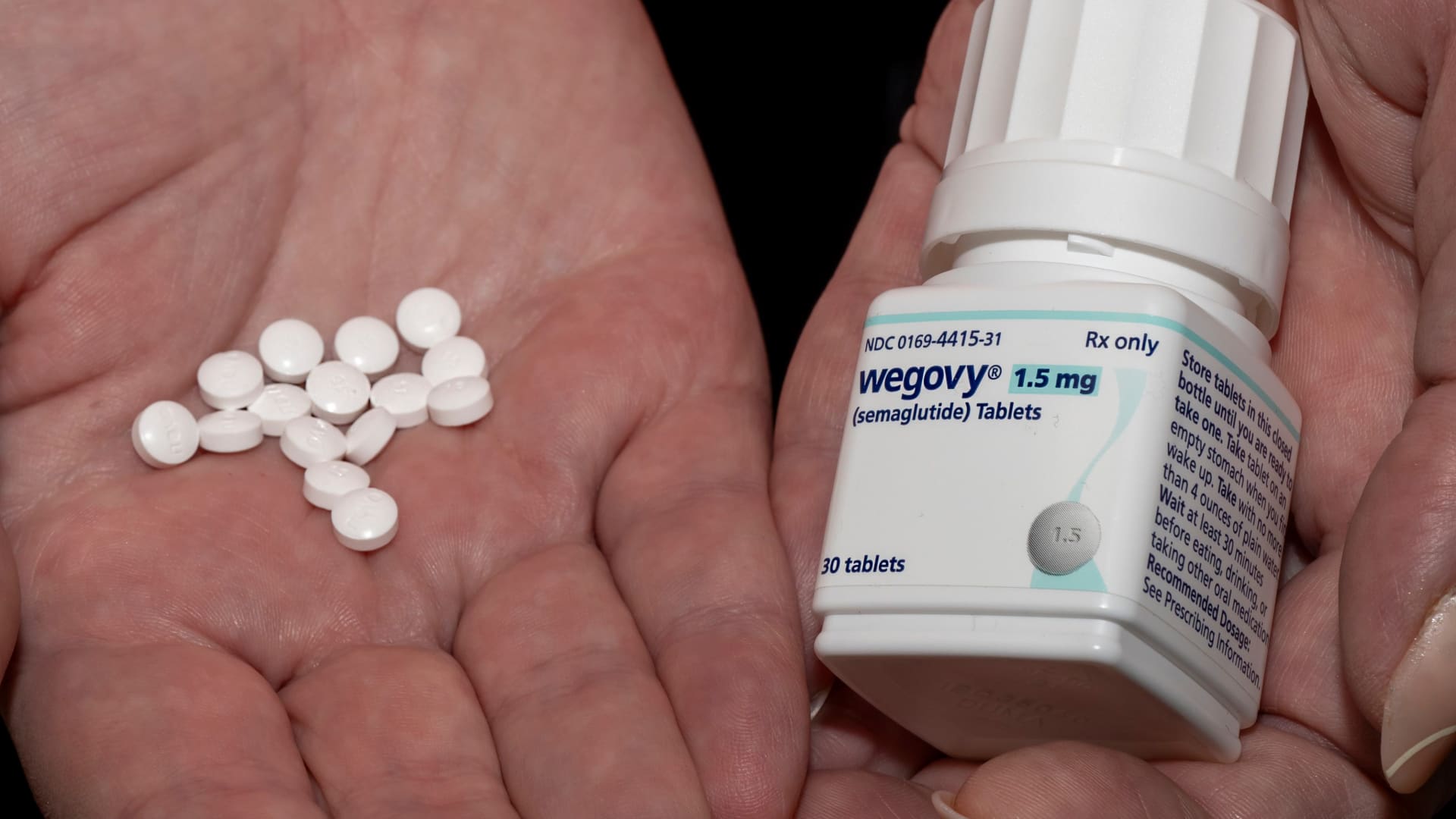
The fierce competition in the Obesity Drugs market is not just about bringing new treatments to market, but strategically segmenting an enormous patient population. Eli Lilly and Novo Nordisk currently hold the lion’s share, rapidly expanding their offerings with GLP-1 pills like Novo’s Wegovy and Lilly’s Foundayo, which have shown remarkable uptake. Novo Nordisk, for instance, reported over 3 million prescriptions for its Wegovy pill within just five months of launch, underscoring the immense demand for oral alternatives. These developments are crucial for individuals exploring various treatment pathways, as highlighted by expert financial analysis.
However, the next phase of this pharmaceutical race is already well underway, with numerous companies developing advanced therapies:
- Oral GLP-1s: Structure Therapeutics and AstraZeneca are advancing their mid-stage GLP-1 pills, targeting a potential 2029 market entry, three years behind Lilly’s small molecule oral drug. Their strategy hinges on capturing a significant portion of a market still expected to grow substantially.
- Longer-Acting Injectables: Pfizer, post its $10 billion acquisition of Metsera, is developing a monthly injectable, while Amgen explores monthly or even quarterly options. This focus on convenience aims to reduce treatment burden and improve patient adherence, a critical factor for chronic conditions.
- Novel Mechanisms: Companies like Zealand Pharma, in collaboration with Roche, are venturing beyond GLP-1s to explore amylin analogues like petrelintide. While current data shows less weight loss than GLP-1s, the promise of fewer gastrointestinal side effects could be a significant differentiator, potentially creating an ‘iPhone moment’ for patient experience, according to Zealand CEO Adam Steensberg. Lilly is also developing its own amylin analogue, eloralintide, already in Phase 3.
The scale of the untreated population—2.5 billion overweight and 890 million obese globally—suggests ample room for multiple players. The core challenge for new entrants will be to carve out niche advantages against the established efficacy of drugs like Lilly’s triple-acting retatrutide, which has shown unprecedented weight loss (up to 28%) and aims to help patients with extreme obesity reach healthy weights. This intensified competitive landscape is driving a crucial dialogue on drug pricing and expanded health insurance coverage, particularly for Medicare beneficiaries who will soon see greater access to these life-changing medicines, according to recent reports on the business landscape.
The Strategic Ripple Effect of New Obesity Therapies
The entry of next-generation Obesity Drugs is poised to create a cascading strategic ripple effect across the pharmaceutical industry. The initial success of oral GLP-1s from Lilly and Novo Nordisk demonstrates that a convenient administration route can significantly expand patient reach, leading to increased market penetration. This expansion forces competitors to either innovate aggressively in their own oral formulations or differentiate through novel mechanisms or extended dosing schedules. For instance, Pfizer’s pursuit of a monthly injectable (from the Metsera acquisition) aims to directly challenge the weekly injection standard, potentially capturing patients seeking less frequent administration. This move, if successful, could pressure market leaders to accelerate their own longer-acting versions, driving further R&D expenditure and potentially impacting capital allocation towards manufacturing efficiencies.
Furthermore, the exploration of non-GLP-1 mechanisms, such as amylin therapies by Zealand Pharma and Roche, introduces a new dimension of competition. These drugs, even with potentially lower weight loss efficacy, could capture a segment of the market sensitive to the side effects of current GLP-1s. This diversification strategy by new entrants could fragment the market, shifting focus from raw efficacy to a more nuanced balance of efficacy, side effects, and convenience. Ultimately, this leads to intense pricing pressure as more options become available, potentially compressing margins for all players and necessitating robust cost-of-goods management to maintain profitability in this high-volume therapeutic area.
The strategic race in the obesity drug market is rapidly evolving from a duopoly to a complex multi-front battle, where differentiation through novel mechanisms, extended dosing convenience, and improved side-effect profiles will be paramount for securing future market share amidst rising pricing scrutiny.
Understanding Key Obesity Drug Market Indicators
While precise sales figures for future drugs are not yet available, several indicators underscore the market’s trajectory:
- Global Obesity Prevalence: The World Health Organization (WHO) reports approximately 2.5 billion people are overweight and 890 million are obese. This vast patient pool highlights the immense, largely untapped market potential for effective Obesity Drugs.
- Rapid Oral GLP-1 Uptake: Novo Nordisk’s Wegovy pill achieved over 3 million prescriptions within five months of launch. This metric signifies strong patient demand for convenient oral formulations, validating this strategic pivot for market leaders.
- Pipelined Drug Timelines: New oral GLP-1 entrants like Structure Therapeutics and AstraZeneca anticipate market entry around 2029. This timeline provides a window for current leaders to solidify their positions while offering a clear target for new players to aim for, impacting R&D investment cycles.
These indicators collectively demonstrate a rapidly expanding market that demands varied solutions, fueling intense R&D and strategic investment, which investors can track through investment analysis.
Eli Lilly & Co. Strategic Analysis
Eli Lilly continues to reinforce its leadership in the metabolic disease space, epitomized by its groundbreaking work in Obesity Drugs. The company’s strategy is multi-faceted, leveraging both existing GLP-1 dominance and pioneering next-generation compounds. With Zepbound already a market success and the recent introduction of the small molecule pill Foundayo, Lilly is focused on providing a comprehensive suite of options. Critically, Lilly’s experimental triple-acting drug, retatrutide, which targets GLP-1, GIP, and glucagon receptors, represents a significant leap forward. Data demonstrating an average of 28% body weight loss highlights its potential to address the most severe classifications of obesity, helping patients with a BMI over 40 achieve healthy weights.
This aggressive pipeline development underscores a clear intent to broaden market access through varying efficacy profiles and administration routes, while simultaneously pushing the boundaries of what is therapeutically achievable. By developing an amylin analogue (eloralintide) already in Phase 3 trials, Lilly also signals its preparedness to diversify beyond current GLP-1 mechanisms, anticipating future market needs and competitive shifts. This proactive R&D investment and diverse portfolio strategy solidify its competitive moat against emerging players and ensures sustained market leadership.
Amgen Competitive Advantages in the Obesity Sector
Amgen is strategically positioning itself in the Obesity Drugs landscape by focusing on a crucial patient preference: convenience. While other players are battling on efficacy metrics and oral formulations, Amgen is developing a differentiated drug candidate with the potential for monthly or even quarterly administration. This approach directly addresses a significant barrier to long-term adherence for chronic conditions like obesity—the psychological burden of frequent self-injections. Susan Sweeney, Amgen’s executive vice president, emphasizes the advantage of minimizing how often patients need to ‘remember their disease.’
This focus on an extended dosing regimen, if clinically proven and commercially viable, could create a powerful competitive advantage. It targets a segment of patients who prioritize ease of use and discretion, potentially allowing Amgen to carve out a distinct market niche even if its drug doesn’t achieve the absolute highest weight loss percentages seen with other therapies. Leveraging its deep experience in biologic development and manufacturing, Amgen is well-equipped to execute on this strategy, aiming to provide a compelling alternative in an increasingly crowded market.
The Future Trajectory of Obesity Drugs
The rapidly evolving Obesity Drugs market is poised for significant diversification beyond its current GLP-1-dominated landscape. As Eli Lilly and Novo Nordisk continue to innovate with oral formulations and highly effective multi-agonists, new entrants are challenging the status quo with novel mechanisms and enhanced convenience. This competitive dynamic promises a future where obesity treatment is increasingly personalized and accessible.
- Market segmentation will intensify, driven by patient preferences for oral pills, longer-acting injections, and therapies with improved side-effect profiles.
- Pricing pressures are inevitable as more effective and diverse treatment options become available, potentially leading to increased insurance coverage and broader patient access.
- Innovation beyond GLP-1s, particularly in areas like amylin analogues, signals a maturing market focused on refining patient experience alongside efficacy.
Will this innovation lead to a truly fragmented market, or will integrated solutions from market leaders continue to hold sway?
📊 StockXpo Analyst’s View
Market Impact: The intensified race in Obesity Drugs is a significant tailwind for the broader pharmaceutical sector, particularly for companies demonstrating robust R&D pipelines and strategic M&A activities. While early leaders may face margin compression due to competition and pricing, the sheer market size ensures continued growth. This dynamic will likely shift investor sentiment towards companies with clear differentiation strategies and strong intellectual property protection.
Sector To Watch: Investors should closely monitor the Biotechnology and Healthcare Equipment & Services sectors. The biotechnology segment will drive innovation in new drug modalities and delivery systems, while healthcare services will adapt to increased demand and evolving reimbursement landscapes for obesity management. Pay close attention to companies that can demonstrate operational efficiency in large-scale manufacturing and commercialization.
Financial Disclaimer:
StockXpo.com is a financial news aggregator and educational portal, not a registered investment advisor or broker-dealer. All information, news, and analysis provided herein are strictly for educational purposes and do not constitute investment, financial, legal, or tax advice. Investing in the stock market involves high risks, and past performance is not indicative of future results. StockXpo will not be liable for any financial losses or investment damages. Always consult a certified financial advisor before making market decisions.
MORE IN INSIDE BUSINESS
Wegovy Pill Success: Novo’s Oral Treatment Drives Continued Weight Loss
Published: Wednesday, September 30, 2026 · 7:02 AM

Alaska Airlines Premium Cabin Overhaul: A $1 Billion Profit Strategy
Published: Tuesday, September 29, 2026 · 9:54 AM