Published: Saturday, June 13, 2026 · 1:31 AM | Updated: Saturday, June 13, 2026 · 1:31 AM
📊 230 views





Anthropic, a prominent artificial intelligence developer, has been forced to disable access to its cutting-edge Fable 5 and Mythos 5 Anthropic AI models following an export control directive from the U.S. government. The abrupt order, citing national security authorities, underscores the escalating regulatory scrutiny facing advanced AI deployments and sends ripples across the broader technology market trends.
🚀 Tech Strategy & Market Disruptions
- Export Control Compliance. Anthropic immediately disabled Fable 5 and Mythos 5 following a U.S. government order citing national security concerns, affecting all foreign nationals.
- Advanced Model Suspension. The newly announced Fable 5 and Mythos 5, touted as state-of-the-art, were abruptly pulled from public and select enterprise access, disrupting recent product launches.
- Heightened Regulatory Scrutiny. This incident adds to Anthropic’s ongoing challenges with U.S. government bodies, highlighting unpredictable interventions in the rapidly evolving landscape of emerging technologies.
The directive, received by Anthropic on a Friday afternoon, instructed the company to suspend all access to the Fable 5 and Mythos 5 models by any foreign national, whether inside or outside the United States, including foreign national Anthropic employees. The company quickly complied, disabling the models for all of its customers to ensure adherence, though other models in its portfolio remain unaffected.
This unexpected move comes just days after Anthropic publicly announced Fable 5 and Mythos 5, two powerful models positioned as state-of-the-art across various industry benchmarks. Fable 5, in particular, was notable for being Anthropic’s first such advanced offering released to the public, featuring new safeguards designed to block responses in specific high-risk areas. Mythos 5 built on the success of Claude Mythos Preview, which gained attention earlier this year for its advanced cybersecurity capabilities within a limited rollout called Project Glasswing.
Anthropic expressed its disappointment, stating that the government did not provide specific details regarding its national security concern. The company reiterated its public stance that the government should have the ability to block unsafe deployments, but emphasized that such actions should be part of a statutory process that is transparent, fair, clear, and grounded in technical facts. This incident reflects a growing tension between rapid AI innovation and governmental oversight, signaling that the regulatory environment for advanced AI is becoming increasingly complex and potentially disruptive.
The U.S. government issues an export control directive citing national security → Anthropic immediately suspends access to Fable 5 and Mythos 5 for all foreign nationals and customers → Enterprises and developers relying on these powerful new Anthropic AI models face immediate operational disruption and uncertainty → This creates a chilling effect on the broader AI market, potentially slowing the adoption of advanced models due to unpredictable regulatory risks and heightening the need for deeper educational tech insights into compliance.
‘The rapid evolution of AI capabilities, particularly in areas with dual-use potential, necessitates a proactive regulatory framework,’ notes a leading solution architect. ‘However, the lack of transparency in directives like this creates significant operational risk for AI developers and can stifle innovation by introducing unpredictable barriers to deployment.’
Key details regarding the suspension include:
- Models Affected: Fable 5 and Mythos 5, previously touted for state-of-the-art performance across multiple benchmarks.
- Directive Source: U.S. government export control order, citing ‘national security authorities.’
- Scope of Suspension: Immediate and comprehensive, affecting all foreign nationals, including Anthropic employees, both inside and outside the U.S.
- Company Stance: Anthropic apologized to customers and stated their belief in transparent, fair, clear, and technically grounded statutory processes for blocking unsafe deployments, implying this action did not meet those principles.
The Regulatory Challenge for Anthropic AI Models
This event isn’t Anthropic’s first entanglement with U.S. government bodies. The company has a high-profile, ongoing clash with the Department of Defense (DOD) that escalated earlier this year, resulting in the DOD declaring Anthropic a supply chain risk. This label, typically reserved for foreign adversaries, requires defense contractors to certify they will not use Anthropic’s Claude models. Such incidents pose significant regulatory challenges for Anthropic AI models, potentially undermining customer trust and complicating future product rollouts or international expansion plans. The unpredictable nature of these interventions can significantly impact market perception and adoption.
Anthropic’s Ecosystem Expansion Potential
Despite developing highly advanced models and engaging in strategic initiatives like Project Glasswing, this regulatory setback could impede Anthropic’s ability to expand its ecosystem. Customers, especially those operating internationally or in sensitive sectors, might reconsider adopting Anthropic’s offerings if they perceive an elevated risk of sudden government intervention. This environment could favor competitors who either operate in less sensitive domains or have clearer, pre-approved pathways with governmental bodies, as Bloomberg reported on similar challenges facing tech firms.
Anthropic’s Regulatory Tightrope: Navigating AI’s Geopolitical Landscape
The abrupt suspension of Anthropic’s Fable 5 and Mythos 5 models by U.S. authorities represents a critical juncture for AI development, underscoring the growing intersection of advanced technology and national security. This event not only disrupts Anthropic’s immediate product rollout but also sends a clear signal to the entire industry about the unpredictable regulatory environment.
- The incident reveals the significant power governments wield over AI deployment, even for commercially developed models.
- It highlights the pressing need for clearer, more predictable regulatory guidelines for powerful AI systems.
- Future AI innovation may increasingly be shaped by geopolitical considerations rather than purely technical advancements, as seen in similar analyses from Reuters.
How will AI developers balance rapid innovation with ever-tightening governmental oversight and national security concerns?
📊 StockXpo Analyst’s View
Market Impact: The sudden regulatory intervention against advanced Anthropic AI models introduces a new layer of risk for AI-focused investments, potentially leading to increased volatility for companies developing dual-use technologies. It suggests that national security concerns will be a significant, if unpredictable, factor in AI valuation and deployment. Investor sentiment may become more cautious towards AI startups perceived to be operating in sensitive technological domains.
Sector To Watch: The cybersecurity sector, particularly companies offering verifiable and auditable AI safety and control mechanisms, could see heightened demand as enterprises seek to mitigate regulatory risks. Furthermore, defense tech firms integrating AI with clear governmental approval pathways might gain an advantage, while pure-play foundational AI model providers face increased scrutiny regarding their deployment strategies.
Financial Disclaimer:
StockXpo.com is a financial news aggregator and educational portal, not a registered investment advisor or broker-dealer. All information, news, and analysis provided herein are strictly for educational purposes and do not constitute investment, financial, legal, or tax advice. Investing in the stock market involves high risks, and past performance is not indicative of future results. StockXpo will not be liable for any financial losses or investment damages. Always consult a certified financial advisor before making market decisions.
MORE IN INSIDE TECHNOLOGY
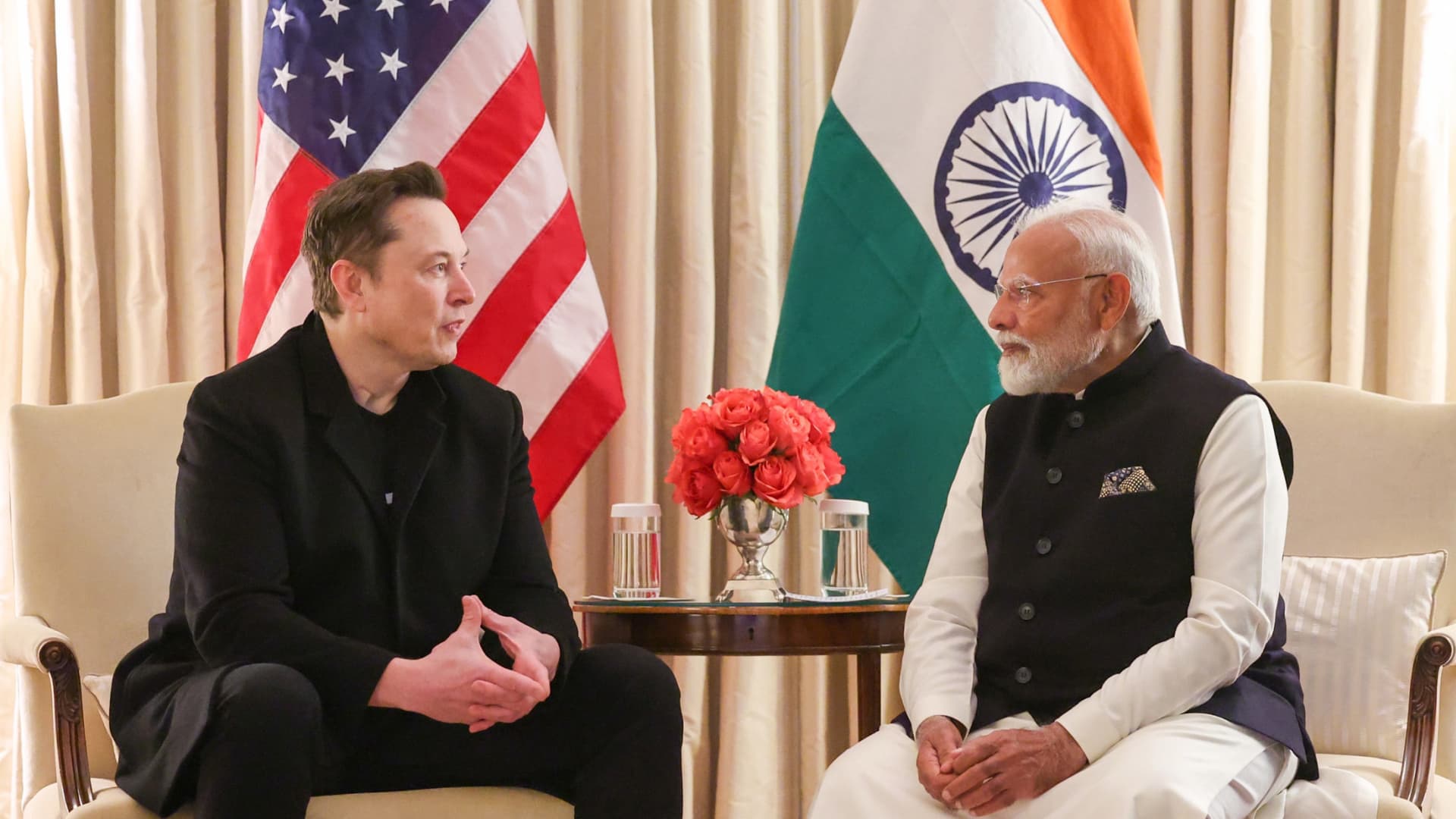
Starlink India: Regulatory Hurdles and Innovation-Driven Growth Risks
Published: Friday, October 9, 2026 · 12:48 AM
Starlink Launch: India’s Digital Transformation Faces Regulatory Risk
Published: Thursday, October 8, 2026 · 1:51 AM