Published: Thursday, July 2, 2026 · 1:57 AM | Updated: Thursday, July 2, 2026 · 1:57 AM
📊 254 views




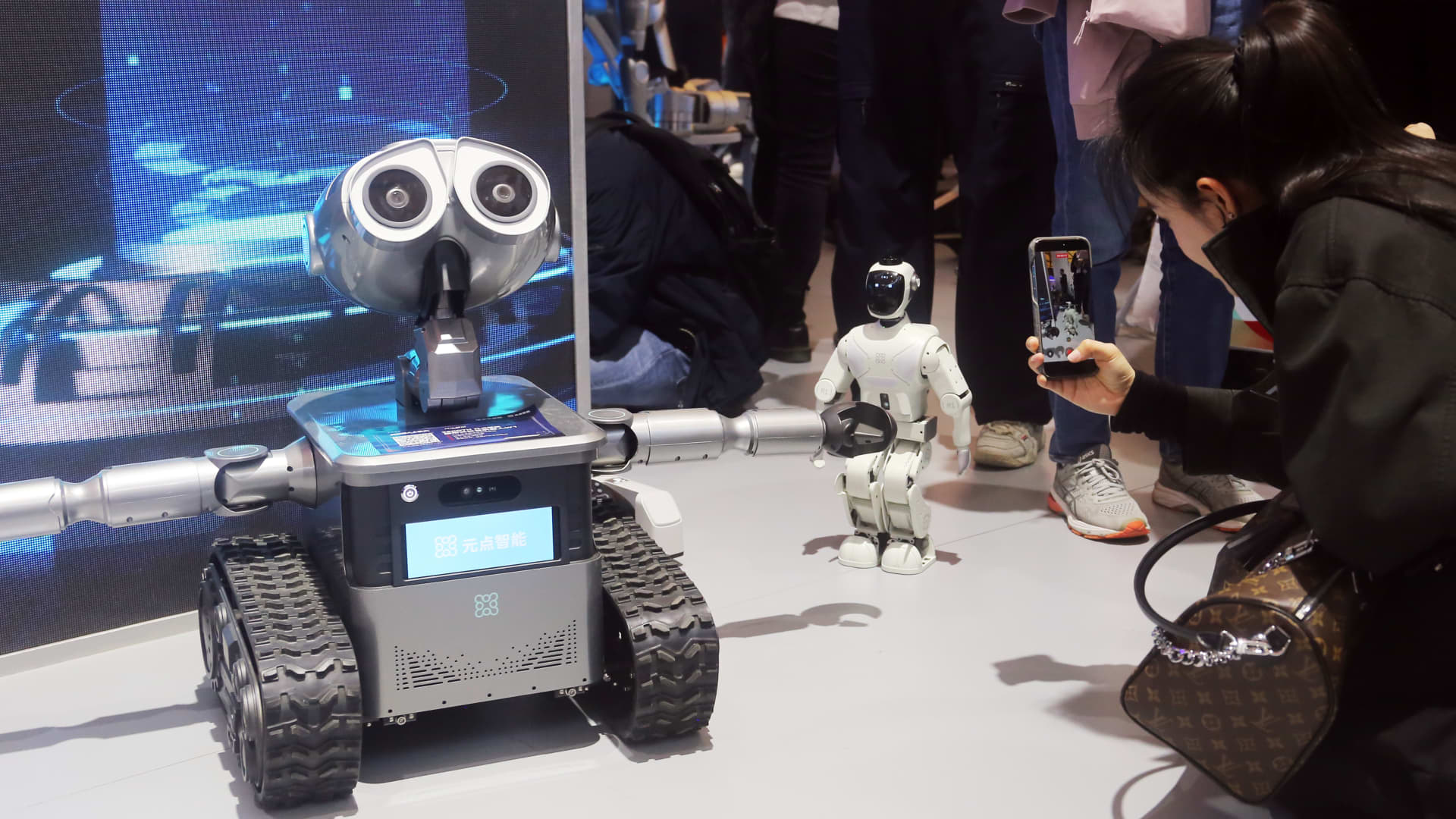
Alibaba-affiliate Ant Group is making a substantial strategic pivot into the burgeoning field of humanoid robotics, signaling a significant investment in next-generation automation. This aggressive expansion, marked by a dozen deals within the last 18 months, underscores a clear intent to capitalize on emerging technologies and reshape market landscapes through innovation-driven growth.
🚀 Tech Strategy & Market Disruptions
- Diversified Robotics Ecosystem. Ant Group’s investments span a wide spectrum of the humanoid robot sector, from core companies like Galaxea and Unitree to crucial component and software providers such as Linkerbot, Hypershell, and Genrobot AI.
- Strategic Reorientation Post-IPO Halt. Following the suspension of its IPO in 2020, Ant Group has actively diversified its business, launching healthcare services and AI models, with the establishment of its own humanoid robot subsidiary, RobbyAnt, marking a significant technological deep-dive.
- Leveraging Existing Digital Infrastructure. The integration of AI and robotics-friendly features into Alipay, its widely used mobile payment service, presents a unique opportunity to blend financial services with robotic applications, creating new service delivery channels.
Ant Group’s recent lead in a 500 million yuan ($73.58 million) funding round for humanoid robotics startup Zeroth highlights the depth of its commitment. This investment is the twelfth in the sector since the start of 2025, according to analyses of PitchBook data. The portfolio now includes key players in hardware and software development, demonstrating a comprehensive strategy to build a robust robotics ecosystem.
Zeroth, a startup founded in late 2024 and known in China as Suzhou JoyIn Intelligent Technology, focuses on securing partners with expertise in critical areas like smartphone chip manufacturing. The company’s robots currently utilize chips from Horizon Robotics, with plans to integrate technology from companies experienced in industries that demand high-performance components. This strategic approach to component sourcing is vital for driving innovation and performance in advanced robotics.
The founder of Zeroth, Guo Renjie, outlined a phased approach for home-use humanoid robots, starting with companionship robots for elderly and pet care, followed by educational robots for children. Zeroth has already secured over 30,000 unit orders and reported a 600% surge in operating revenue in the first half of the year. Plans are in motion for overseas sales in North America and Europe this fall, contingent upon clearing local compliance requirements, indicating a global ambition for their products.
This surge in Ant Group’s investment activity aligns with a growing global interest in humanoid robots, a trend also evidenced by Nvidia’s recent expansion of its robotics-focused hiring in China. The collaboration between Ant Group’s financial and AI prowess and Zeroth’s specialized robotics development represents a potent combination, potentially accelerating the adoption and capabilities of consumer-facing robots.
Zeroth Robotics’ Architectural Vision for Home Companionship
Zeroth’s product roadmap emphasizes a phased introduction of humanoid robots designed for domestic environments. Initially targeting the growing markets for elderly care and pet companionship, the company aims to leverage AI and advanced mechanics to create robots that offer meaningful interaction and assistance. The subsequent expansion into educational robotics for children further illustrates a broad vision for how humanoid robots can integrate into daily life, moving beyond industrial applications. This approach is critically dependent on robust software integration, advanced AI for natural language processing and movement, and reliable hardware components sourced from industry leaders like Nvidia. Examining the interplay between these elements is key to understanding the feasibility of their ambitious timeline. This development signifies a maturing market for AI-driven solutions, where platforms such as those discussed on emerging technologies are becoming foundational.
The rapid scaling of Ant Group’s involvement in humanoid robotics, particularly post-regulatory challenges, indicates a strategic diversification aimed at establishing dominance in future automated service economies. The emphasis on consumer-facing applications, from elder care to education, signals a shift from industrial automation to integrating AI-powered physical agents into everyday life, a move that will necessitate significant advancements in human-robot interaction design and ethical AI implementation.
The strategic investments by Ant Group are reshaping the competitive landscape for humanoid robots. Companies are forced to accelerate their innovation cycles to keep pace with the pace of investment and development. This could lead to increased market consolidation and a clearer delineation of market leaders.
Ant Group’s Robotics Ecosystem Expansion Potential
Ant Group’s aggressive investment strategy in the humanoid robotics sector presents a significant opportunity for ecosystem expansion. By backing diverse companies, Ant is not just funding individual projects but cultivating a network of expertise and innovation. This approach allows for cross-pollination of ideas and technologies, potentially leading to breakthroughs that individual companies might not achieve alone. Furthermore, leveraging Ant’s existing financial infrastructure, like its AI-friendly Alipay platform, provides a direct pathway to market for its portfolio companies. This integrated approach, detailed in our educational tech insights, is a powerful model for accelerating innovation and adoption. Collaborations with established players such as Nvidia, a key supplier of advanced AI chips, further solidify the potential for rapid scalability and market penetration, creating a formidable competitive advantage. This expansion is closely watched by the global technology community, with analysts at (nofollow) observing similar trends.
The impact on the broader tech market is multifaceted. We are seeing a heightened focus on AI integration with physical hardware, driving demand for specialized processors and advanced sensor technology. Companies that can successfully bridge the gap between sophisticated AI algorithms and practical robotic applications are poised for significant growth.
The push for advanced robotics by entities like Ant Group, fueled by significant capital and strategic partnerships, is not merely an incremental development. It represents a foundational shift towards pervasive automation in consumer spaces. This trajectory suggests a future where humanoid robots are integral to daily life, much like smartphones are today. The race to develop and deploy these technologies efficiently and ethically will define the next decade of technological advancement, impacting various sectors from healthcare to entertainment, as discussed in (dofollow) technology market trends.
Ant Group’s Humanoid Robot Ambitions Drive Future Automation
Ant Group’s intense focus on humanoid robots, demonstrated by a rapid series of strategic investments, is a clear indicator of its forward-looking strategy. The company is not only investing in current capabilities but also in shaping the future of automated services and personal assistance. This proactive stance positions Ant Group as a key player in the inevitable integration of advanced robotics into society, suggesting that their influence will extend far beyond the current market dynamics.
- Ant Group’s diverse investment portfolio aims to build a comprehensive ecosystem for humanoid robot development and deployment.
- The company is strategically leveraging its existing financial platforms, like Alipay, to create synergistic opportunities for robotic applications.
- The global expansion plans for Zeroth Robotics signal a broader ambition to make advanced humanoid robots accessible and functional in mainstream markets.
How will this concentrated investment in humanoid robots by a major financial technology player influence global capital allocation and R&D priorities in the coming years?
📊 StockXpo Analyst’s View
Market Impact: The aggressive moves by Ant Group into the humanoid robotics sector are likely to accelerate innovation and attract further venture capital into AI and robotics startups. This could lead to increased market volatility for companies involved in the supply chain, from chip manufacturers to AI software developers. Investor sentiment may shift towards companies demonstrating tangible progress in practical robotics applications.
Sector To Watch: The elder care and personal assistance robotics sector is poised for significant growth, driven by demographic shifts and technological advancements. Additionally, the market for specialized AI components and advanced manufacturing capabilities will see heightened interest.
Financial Disclaimer:
StockXpo.com is a financial news aggregator and educational portal, not a registered investment advisor or broker-dealer. All information, news, and analysis provided herein are strictly for educational purposes and do not constitute investment, financial, legal, or tax advice. Investing in the stock market involves high risks, and past performance is not indicative of future results. StockXpo will not be liable for any financial losses or investment damages. Always consult a certified financial advisor before making market decisions.
MORE IN INSIDE TECHNOLOGY
AI Buildout Hits Credit Headwinds: Neoclouds Under Pressure
Published: Saturday, October 24, 2026 · 12:23 AM

SK Hynix Shares Rebound: A Strategic Shift in Semiconductor Funding
Published: Friday, October 23, 2026 · 1:46 AM