Published: Tuesday, July 28, 2026 · 1:47 PM | Updated: Tuesday, July 28, 2026 · 1:47 PM
📊 237 views




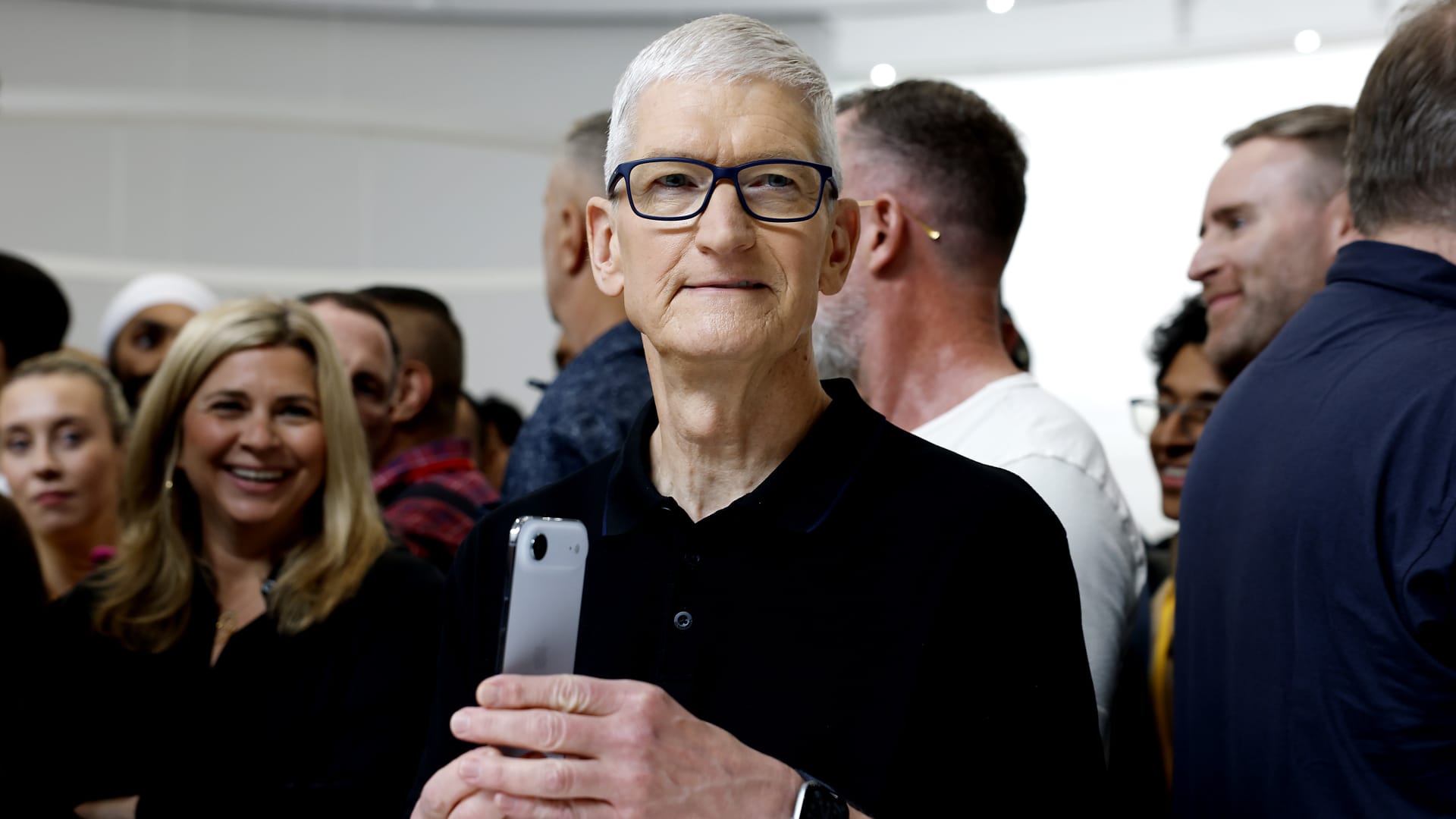
Apple Inc. is set to revolutionize its device sales strategy by introducing an aggressive new iPhone leasing program, developed in partnership with fintech giant Klarna. This move, offering devices starting at $17.99 per month, marks a significant pivot for Apple as it seeks to address escalating hardware costs and stabilize revenue streams in a competitive market.
🚀 Tech Strategy & Market Disruptions
- Subscription Model Expansion. Apple is formalizing a robust device-as-a-service model, moving beyond traditional sales and existing upgrade programs, directly challenging carrier-led financing.
- Partnership with Klarna. Leveraging Klarna’s buy now, pay later (BNPL) infrastructure allows Apple to expand its credit assessment capabilities and reach a broader customer base without significant internal investment in lending.
- Addressing Device Affordability. By shifting focus from high upfront costs to lower monthly payments, Apple mitigates the impact of rising component prices and extended upgrade cycles, ensuring continued access to its premium ecosystem.
The newly branded ‘Upgrade’ program, set to launch in Apple’s retail and online stores, allows customers to lease an iPhone for one or two years following a soft credit check. Similar options will extend to the Apple Watch, with Macs and iPads available for two- or three-year leases. This initiative directly replaces the previous iPhone Upgrade Program financed by Citizens Bank, streamlining Apple’s offering and significantly reducing monthly outlays for consumers—for instance, an iPhone 17 Pro could be leased for $31.99 per month over two years, compared to over $42 monthly under the old scheme that included AppleCare.
This strategic evolution comes amidst increasing component costs, particularly for memory, which have already led to price hikes for iPads and Macs, and anticipated increases for upcoming iPhone models. Analysts, including those from Morgan Stanley, project the iPhone 18 Pro might need a $200 price increase to maintain gross margins, while TechInsights estimates component costs could add up to $300 to a device’s bill of materials. By emphasizing a lower monthly payment, Apple aims to make its increasingly expensive devices more accessible and maintain upgrade velocity, which had stretched to nearly four years on average, according to Bernstein estimates.
Apple’s move also intensifies competition with major wireless carriers like AT&T, Verizon, and T-Mobile, which have long relied on device financing and subsidies to lock in customers. While Apple already offers zero-interest financing via Apple Card Monthly Installments and short-term loans through Klarna or Affirm for Apple Pay users, the dedicated iPhone leasing program signals a deeper integration into the consumer financing landscape. This approach is expected to:
- Smooth the historical seasonality of Apple’s business performance.
- Reduce reliance on cyclical ‘hit’ device launches for growth.
- Potentially shorten the average iPhone replacement cycle.
The introduction of a deeply integrated iPhone leasing model triggers a significant disruption flow across the tech retail and telecommunications sectors. Higher device manufacturing costs for Apple translate into a direct need for innovative affordability solutions. This leads to the strategic partnership with Klarna, streamlining customer acquisition through accessible monthly payments. Consequently, this model enables Apple to bypass traditional carrier lock-ins, increasing its direct control over the customer lifecycle and accelerating upgrade cycles. Ultimately, this cultivates a more predictable recurring revenue stream for Apple, shifting consumer perception towards a ‘device-as-a-service’ paradigm and potentially impacting how other OEMs approach high-value product distribution. The ripple effect extends to how consumers perceive value, moving from outright ownership to performance-based access, a trend critical for understanding broader technology market trends.
As a CTO, the fundamental shift here is from Capex to Opex for the consumer, mirroring enterprise IT trends. This ‘device-as-a-service’ model allows Apple to optimize hardware margins while creating a sticky, predictable revenue stream tied to continuous upgrades, directly impacting their long-term services play. It’s not just about selling a device; it’s about owning the full customer lifecycle and maximizing lifetime value.
The economics underpinning Apple’s new leasing strategy highlight several key financial considerations for both the company and consumers, especially against a backdrop of increasing manufacturing costs and product diversification:
| Program/Cost Metric | Details/Impact |
|---|---|
| Apple Upgrade (iPhone) | Starts at $17.99/month for 1-2 years. |
| iPhone 17 Pro Lease | $31.99/month (2 years) or $45.99/month (1 year). |
| Previous iPhone Upgrade Program | Over $42/month for 24 installments (with AppleCare). |
| Projected iPhone 18 Pro Price Hike | Morgan Stanley estimates ~$200 increase needed. |
| Component Cost Impact | TechInsights suggests up to $300 added to bill of materials. |
| Estimated Foldable iPhone Price | Around $2,500, expected with iPhone 18 Pro lineup. |
Apple’s Ecosystem Expansion Potential
This aggressive move into device leasing significantly bolsters Apple’s long-term ecosystem strategy. By making premium hardware more accessible through lower monthly payments, Apple aims to widen its user base and deepen engagement with its lucrative services, including Apple Music, Apple TV+, iCloud, and the App Store. A consistent flow of new and upgraded devices means a larger, more active installed base consuming digital content and subscriptions. This strategy is critical as Apple continues to grow its services revenue, which offers higher margins and greater predictability compared to hardware sales. The ability to seamlessly transition users to new devices every 1-2 years through leasing reinforces the stickiness of the Apple ecosystem, making it harder for users to switch to competing platforms, further strengthening its position in emerging technologies and digital lifestyle solutions. As noted by financial journalists, this model has been keenly watched by analysts, as detailed in recent Bloomberg technology reports.
Navigating Apple’s Market Adoption Challenges
Despite the strategic advantages, Apple’s new leasing program faces inherent market adoption challenges. While the lower monthly payments are appealing, the concept of not owning the device outright may deter some consumers, especially those who prefer to keep their devices for longer periods or resell them. The requirement for a soft credit check, though less stringent than traditional loans, could still be a barrier for a segment of potential customers. Furthermore, the competitive landscape with entrenched carrier financing plans remains fierce. Apple must effectively communicate the value proposition of its ‘Upgrade’ program—such as guaranteed upgrades and predictable costs—against the perceived benefits of carrier subsidies and ownership. The program’s success will hinge on seamless in-store and online integration, clear terms, and competitive offerings for premium devices like the unreleased foldable iPhone, whose high projected price point around $2,500 will heavily rely on such financing options for broader appeal. This requires a nuanced understanding of consumer psychology, as explored in various Reuters technology analyses, particularly in markets accustomed to traditional purchase models.
Apple’s Leasing Strategy: A New Era for Device Ownership
Apple’s robust expansion into device leasing through its ‘Upgrade’ program, powered by Klarna, marks a pivotal moment in its market strategy. This initiative directly addresses the dual pressures of rising hardware costs and extended customer upgrade cycles, offering a compelling solution for both Apple and its consumers. By shifting financial models, Apple is not just selling products but curating a continuous service experience.
- The program is designed to secure more consistent, recurring revenue streams for Apple.
- It significantly lowers the financial barrier to entry for premium devices, making them accessible to a wider audience.
- The shift strengthens Apple’s competitive stance against traditional carrier financing options.
Will this bold subscription-centric approach redefine consumer expectations for device ownership across the entire tech industry?
📊 StockXpo Analyst’s View
Market Impact: This move is net positive for Apple’s long-term valuation, shifting investor sentiment towards a more predictable, services-driven revenue model. While hardware sales might flatten in unit volume, the increased average revenue per user (ARPU) and reduced sales seasonality will be attractive. It could put pressure on carrier margins as Apple disintermediates device financing further.
Sector To Watch: The FinTech sector, particularly BNPL providers, stands to gain as more major OEMs explore similar partnerships. Additionally, the broader consumer electronics market will likely see other players attempting to emulate this subscription-based hardware model, seeking consistent engagement and revenue beyond one-time purchases. For more educational insights, visit our educational tech insights.
Financial Disclaimer:
StockXpo.com is a financial news aggregator and educational portal, not a registered investment advisor or broker-dealer. All information, news, and analysis provided herein are strictly for educational purposes and do not constitute investment, financial, legal, or tax advice. Investing in the stock market involves high risks, and past performance is not indicative of future results. StockXpo will not be liable for any financial losses or investment damages. Always consult a certified financial advisor before making market decisions.
MORE IN INSIDE TECHNOLOGY
Bond Yields Under Pressure: IMF Warns of ‘Disorderly’ Spike Driven by AI Debt and Inflation
Published: Tuesday, October 13, 2026 · 1:21 AM
AI Breakthroughs: TikTok CEO Predicts Major Scientific Leap Within Three Years
Published: Monday, October 12, 2026 · 2:40 AM