
Published: Monday, October 12, 2026 · 10:44 AM | Updated: Monday, October 12, 2026 · 10:44 AM
📊 15 views




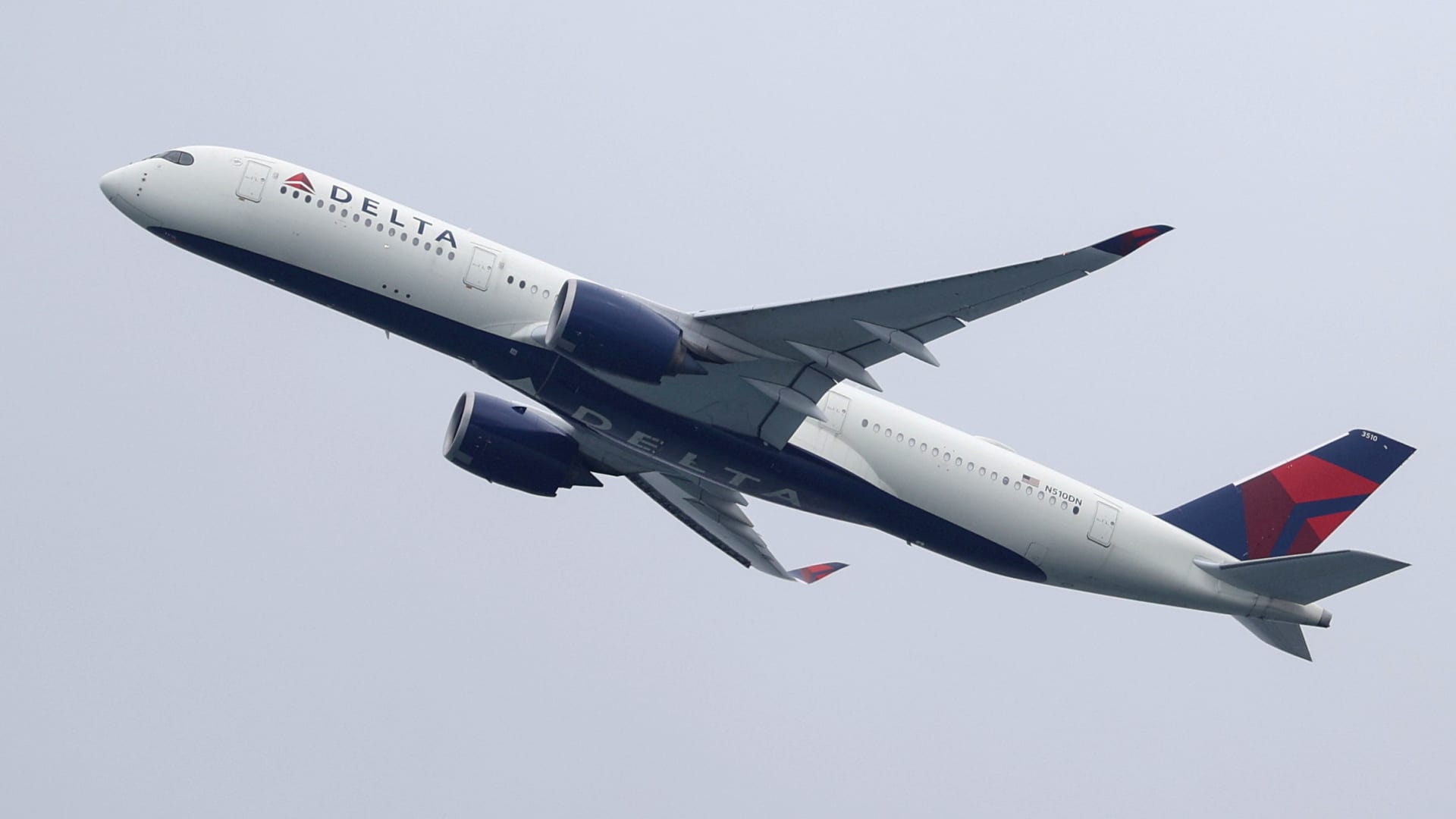
Atlanta-based Delta Air Lines (DAL) has opted to delay the highly anticipated launch of its nonstop service between Atlanta and Riyadh, Saudi Arabia, until March 2027. This decision, announced in the wake of escalating attacks on King Khalid International Airport, underscores the airline’s unwavering commitment to passenger safety and operational integrity. The postponement highlights how geopolitical instability can directly impact ambitious corporate expansion strategies in the global aviation sector.
🗝️ Corporate Strategy Insights
- Safety First Mandate. Delta’s immediate response to regional instability prioritizes passenger and crew safety above commercial launch timelines, reinforcing brand trust.
- Market Entry Adaptation. The delay allows for a strategic recalibration of market entry, potentially optimizing route viability and long-term profitability amidst fluid geopolitical conditions.
- Regulatory Compliance & Partnership. Close coordination with the FAA and local partners like Saudia and Riyadh Air demonstrates a mature approach to navigating complex international aviation environments.
The Delta delays, pushing back the inaugural Atlanta-Riyadh route from October 23 to March 2027, represent a prudent tactical adjustment by one of the world’s largest carriers. This service was poised to mark a significant milestone, being the first nonstop commercial flight between the U.S. and Saudi Arabia operated by a U.S. airline, utilizing an Airbus A350-900. However, recent events, including multiple attacks claimed by Yemen’s Iran-backed Houthis on King Khalid International Airport (KKIA) in Riyadh, forced Delta to reconsider its timeline.
The Federal Aviation Administration (FAA) issued a cautionary directive to U.S. airlines on Sunday, advising vigilance when flying in or around Saudi Arabia due to ongoing military activities and potential risks to navigation systems. This warning, effective until December 10, played a pivotal role in Delta’s decision-making process. Delta CEO Ed Bastian had previously stated that ‘Safety is going to make the call,’ signaling a potential postponement even before the official announcement. Thousands of flights have reportedly been canceled at KKIA since the attacks escalated, with a projectile striking a passenger terminal, resulting in casualties and the airport’s temporary closure.
Delta maintains its commitment to the Saudi Arabian market, emphasizing its long-term strategic interest. The airline affirmed its engagement with ‘relevant government and aviation partners, including Saudia and Riyadh Air,’ to continuously monitor the evolving security landscape. This proactive engagement is crucial for managing stakeholder expectations and preparing for future operational adjustments.
Key considerations influencing Delta’s operational pause include:
- The immediate impact of the attacks on airport infrastructure and safety protocols.
- The FAA’s explicit warning regarding security risks in Saudi Arabian airspace.
- The need for comprehensive risk assessment and coordination with international aviation authorities.
This type of cautious strategic management aligns with global best practices for airlines operating in regions with elevated security concerns.
The postponement of the Riyadh service by Delta will inevitably create a ripple effect across its operational strategy and the broader aviation sector. Initially, the delay means a deferred realization of revenue and market share gains in a potentially lucrative, underdeveloped route. For competitors, particularly Gulf carriers and potentially European airlines eyeing the U.S.-Saudi corridor, this temporary pause could create a window of opportunity or, conversely, reinforce the perception of high geopolitical risk in the region. The immediate impact is a delay in market expansion and the establishment of a direct U.S. airline presence. Over time, however, a safer, more stable launch could strengthen Delta’s reputation for reliability, enhancing its brand equity in the long run. The strategic importance of the route lies in tapping into burgeoning business and tourism demand in Saudi Arabia, a key aspect of the Kingdom’s Vision 2030 initiatives. Delaying ensures a more stable operational environment, crucial for establishing a successful new route. For global economic perspectives and market trends, refer to Bloomberg Markets.
The strategic decision by Delta to delay its Riyadh service underscores a critical principle in international business: immediate commercial gains must always be subordinated to the paramount concern of safety and long-term operational viability, especially when operating in geopolitically sensitive regions.
While specific financial metrics impacted by this delay are not yet public, several operational indicators are directly affected:
- Route Launch Date: Postponed from October 23, 2026, to March 2027, impacting early revenue projections.
- Aircraft Utilization: The allocated Airbus A350-900 for this route will need alternative deployment during the interim period, affecting fleet efficiency.
- Market Entry First-Mover Advantage: Delay reduces the speed at which Delta could establish itself as the premier U.S. carrier on this route, though safety is a higher priority.
These indicators highlight the immediate operational adjustments required, influencing short-term resource allocation and market positioning.
Delta Air Lines Strategic Analysis: Navigating Global Complexities
Delta’s strategic framework consistently emphasizes a balanced approach to expansion, integrating market opportunity with rigorous risk assessment. The move into Saudi Arabia represents a calculated long-term investment in a market with significant growth potential, driven by Hajj/Umrah pilgrimages, business travel, and tourism under Vision 2030. This strategy contrasts with a purely aggressive market entry, showcasing a nuanced understanding of global operating environments. Delta aims to connect its vast Atlanta hub with key international destinations, solidifying its global network leadership. Maintaining strong partnerships, like those with Saudia and Riyadh Air, is also a cornerstone of its international strategy, enabling codeshares and seamless passenger experiences despite direct route challenges. This careful execution is a hallmark of strong corporate growth strategies.
Delta Air Lines Competitive Advantages: Resilience in Crisis
One of Delta’s enduring competitive advantages lies in its operational resilience and strong brand reputation, particularly concerning safety. In a highly competitive global aviation landscape, where profitability hinges on passenger confidence, Delta’s transparent and cautious approach during crises differentiates it. This emphasis on passenger well-being, as articulated by CEO Ed Bastian, often translates into higher customer loyalty and a premium brand perception compared to rivals. While other carriers might prioritize speed to market, Delta consistently demonstrates a willingness to delay or adjust operations when safety is compromised. This prudent stance, alongside its robust hub-and-spoke network centered at Atlanta, allows it to absorb shocks and reallocate resources effectively. For more details on market dynamics, you can consult Reuters business news.
Delta’s Riyadh Route: A Patient Path to Market Dominance
Delta’s decision to postpone its Riyadh service is a testament to its commitment to safety and calculated strategic patience in a volatile region. While presenting a short-term delay in market entry, this move ultimately aims to secure long-term operational stability and passenger trust, crucial for sustainable profitability in international markets.
- The delay prioritizes safety over an aggressive market entry, aligning with FAA advisories.
- It allows Delta to reassess security conditions and coordinate more effectively with regional partners.
- The strategic patience could reinforce Delta’s brand as a reliable and responsible global carrier.
Will this calculated pause ultimately strengthen Delta’s position in the Middle Eastern market, or open doors for other airlines? This news will likely influence future airline decisions across the industry, providing valuable educational insights.
📊 StockXpo Analyst’s View
Market Impact: This cautious move from Delta is likely to be viewed positively by investors who prioritize long-term stability and risk management over aggressive short-term expansion. While some may see a deferred revenue opportunity, the market generally rewards airlines for prudent safety decisions, potentially bolstering investor confidence in airline stocks broadly. This reflects a broader trend in investment analysis for stock markets.
Sector To Watch: The airline sector, particularly international carriers with exposure to volatile geopolitical regions, will be closely watched. This incident highlights the inherent risks in global aviation and may prompt a re-evaluation of security protocols and market entry strategies for new routes within emerging markets.
Financial Disclaimer:
StockXpo.com is a financial news aggregator and educational portal, not a registered investment advisor or broker-dealer. All information, news, and analysis provided herein are strictly for educational purposes and do not constitute investment, financial, legal, or tax advice. Investing in the stock market involves high risks, and past performance is not indicative of future results. StockXpo will not be liable for any financial losses or investment damages. Always consult a certified financial advisor before making market decisions.
MORE IN INSIDE BUSINESS

Assortment Trimming: Retailers Redefine Growth Through Operational Efficiency
Published: Saturday, October 10, 2026 · 8:31 AM
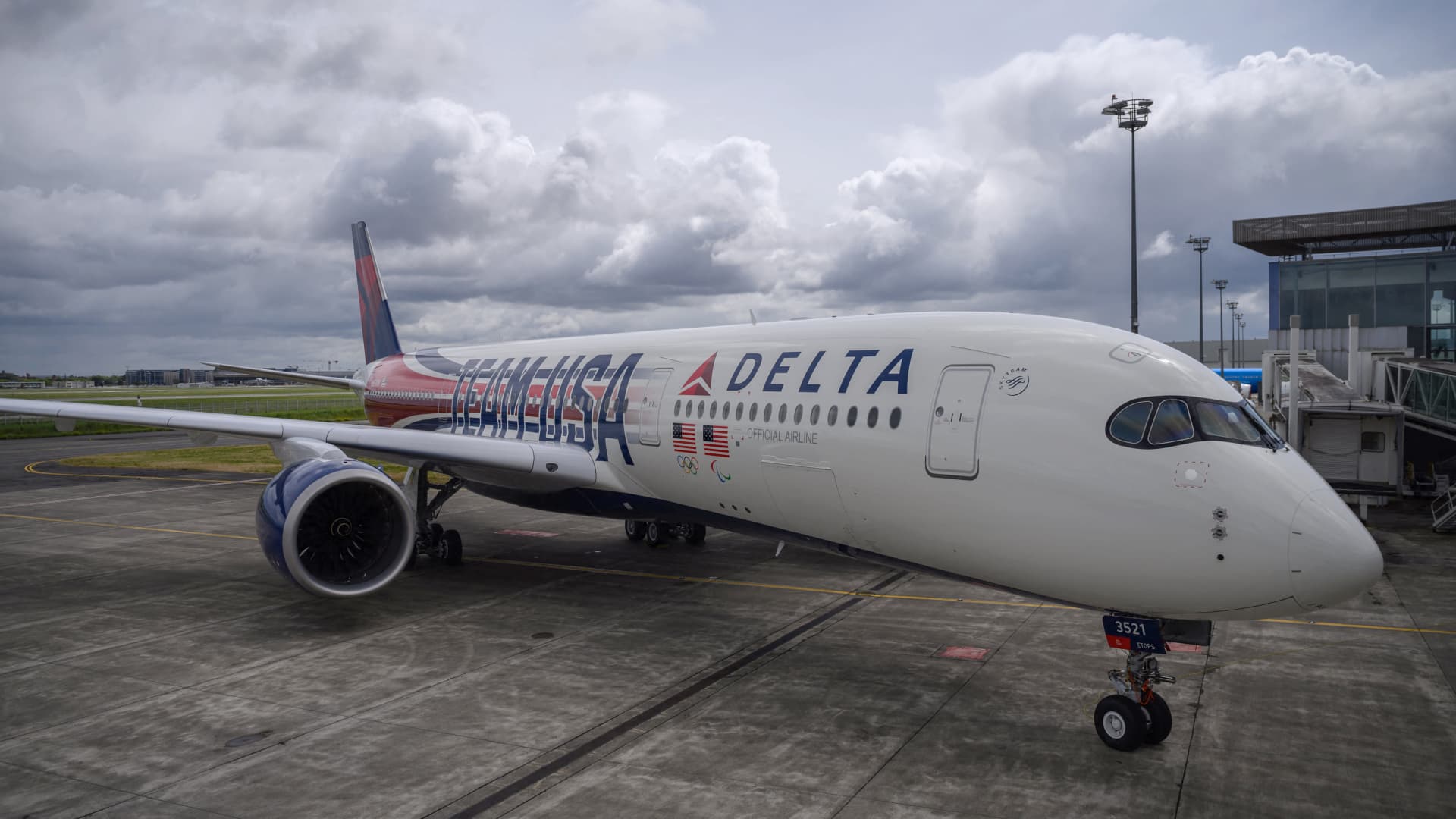
Saudi Arabia Flight Decision: Delta Weighs Safety Amid Regional Tensions
Published: Friday, October 9, 2026 · 7:21 AM


