
Published: Tuesday, July 28, 2026 · 3:18 PM | Updated: Wednesday, July 29, 2026 · 7:42 AM
📊 240 views




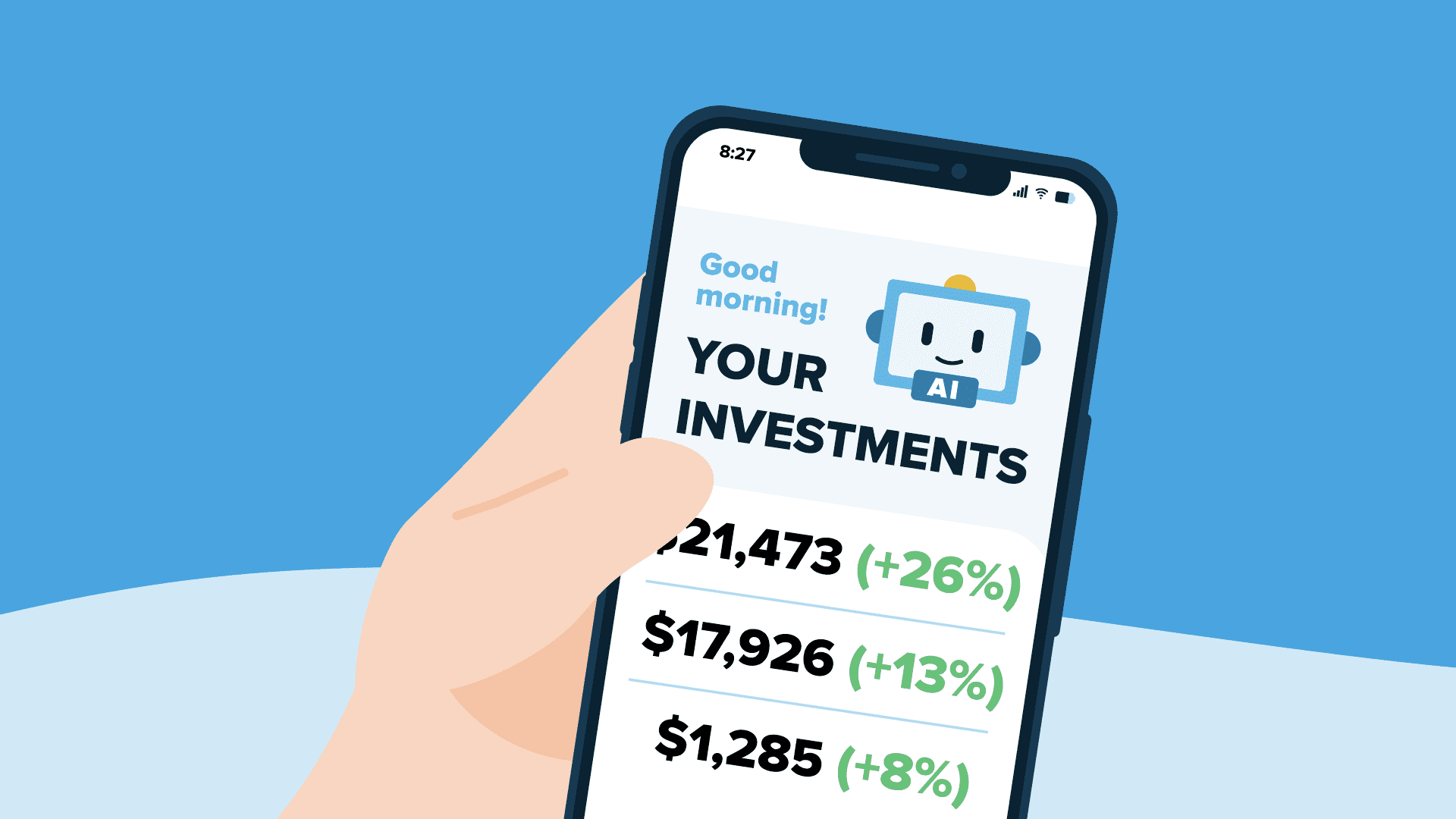
Wall Street is on the cusp of a significant transformation as financial startups and established brokerages rapidly deploy AI agents for continuous, automated trading. This shift from concept to reality promises to redefine portfolio management, offering round-the-clock investment execution tailored to individual financial goals and risk profiles.
💰 Financial Strategy & Market Insights
- Automated Portfolio Management. AI agents are moving beyond recommendations to autonomously manage investor portfolios, incorporating complex financial planning elements like taxes and mortgages.
- Transaction Volume Surge. Expert estimates suggest agentic finance could increase transaction volumes tenfold, with AI potentially executing the majority of trades on platforms by late next year.
- Risk vs. Autonomy Debate. While firms like Podium Markets AI and Public are integrating AI, they emphasize human oversight and guardrails to prevent unintended investment outcomes, balancing efficiency with investor protection.
The financial landscape is undergoing a profound evolution with the advent of agentic trading, where advanced AI systems are programmed not merely to suggest investments but to actively execute trades and manage portfolios. This groundbreaking development, highlighted by industry figures like Devin Ryan of Citizens, envisions a future where individuals effectively possess a 24/7 ‘family office’ capable of handling diverse financial tasks from investment decisions to tax management. The transition is not distant; experts project significant implementation within the next few years. Initial stages involve AI assistants, such as Podium Markets AI’s ‘Ivy’, which analyze multi-brokerage portfolios and generate recommendations based on user-defined goals and risk tolerance. However, these systems currently maintain a human in the loop, ensuring that the final decision to trade remains with the investor. ‘The AI informs, but the human decides,’ stated Dirk Mueller-Ingrand, co-founder and CEO of Podium Markets AI, underscoring a cautious approach to full autonomy. This sentiment resonates across the sector, with platforms like Robinhood introducing tools for third-party AI agent integration and Public developing in-house agents to automate investing workflows. This trend significantly amplifies the potential for increased market liquidity and trading frequency. According to Ryan, agentic finance could dramatically scale transaction volumes, potentially increasing a retail investor’s trading activity from a few times a month to dozens of times a day. Such a surge could reshape market analysis, introducing new challenges and opportunities for participants across the board. The debate over AI’s reliability in making investment decisions is active, with mixed experiences among retail investors who have utilized general-purpose AI like ChatGPT for market research. While some find AI useful for summarizing earnings reports or generating stock ideas, others, like Thomas Schlossmacher, report consistent losses from fully automated agents, stressing the need for professional oversight. This divergence underscores a critical challenge: programming AI to understand the nuanced intentions behind investor instructions, such as ‘grow my portfolio aggressively,’ which can entail varying levels of volatility or concentrated holdings. Firms are therefore implementing robust guardrails, often requiring user approval of AI-generated workflows before execution, ensuring investor interests remain paramount. This strategic implementation aims to prevent situations where an AI agent, despite faithfully following instructions, produces an unintended outcome. The evolving role of these tools is a crucial element for those analyzing the broader financial sector and seeking educational financial insights. This transformation is not isolated; similar shifts are being observed across global market dynamics, signaling a wider re-evaluation of strategies in evolving financial services.
- The deployment of AI agents introduces a paradigm shift from advisory roles to active execution within financial markets, promising enhanced efficiency and personalized portfolio management.
- Upside:
- Enhanced Efficiency & Personalization: 24/7 portfolio management tailored to individual goals and risk tolerance, optimizing investment strategies even during off-market hours.
- Increased Transaction Volume & Liquidity: Devin Ryan of Citizens estimates a tenfold increase in transaction volumes, potentially boosting market liquidity and price discovery.
- Broader Market Access: AI could democratize sophisticated financial planning, making ‘family office’ level services accessible to a wider retail investor base.
- Downside Risks:
- Unintended Outcomes & Volatility: AI agents, even when following instructions, might generate unexpected results or exacerbate market volatility if guardrails are insufficient.
- Ethical & Regulatory Challenges: The shift towards autonomous trading raises complex questions regarding accountability, data privacy, and potential for market manipulation or systemic risk.
- Dependence & Skill Erosion: Over-reliance on AI could diminish investors’ understanding of market dynamics and decision-making skills, making them vulnerable during AI malfunctions or market anomalies.
Agentic Trading: This refers to an advanced form of artificial intelligence where algorithms not only analyze data and recommend actions but also autonomously execute trades and manage financial tasks on behalf of an investor, aligning with predefined goals and risk parameters. It represents a significant leap from traditional algorithmic trading, emphasizing intelligent, goal-oriented decision-making.
The current article doesn’t offer enough granular, verifiable financial metrics for a table, but it does highlight key projections and shifts:
- Projected Transaction Volume Increase: Expert estimates suggest a potential tenfold increase in transaction activity driven by AI agents.
- Future Trading Landscape: Anticipated majority of trades (by number) on some platforms to be executed by AI agents by the end of next year.
- Development Timeline: Full-scale agentic finance is expected within the ‘next few years,’ not a decade away.
AI Agents Market Sentiment Tracker
The burgeoning interest in AI agents for automated investing is clearly driving a cautious yet optimistic sentiment across financial markets. While early retail experiments with general-purpose AI have yielded mixed results—ranging from useful research assistants to unreliable trading tools—the institutional and startup investment reflects a strong belief in its long-term potential. Brokerages are actively developing and integrating these tools, signaling a shift in competitive strategy towards AI-powered services. However, market sentiment remains sensitive to the effective implementation of guardrails, as investor trust will hinge on the reliability and ethical governance of these autonomous systems. Any perceived failures in risk management or instances of unintended financial outcomes could quickly temper the enthusiasm, making transparent development and robust oversight critical for widespread adoption.
Algorithmic Trading Historical Benchmarking
The evolution towards agentic finance builds upon decades of algorithmic trading. Historically, algorithms have been used for high-frequency trading, order execution, and quantitative strategies, focusing on speed and pattern recognition. The new generation of AI agents, however, moves beyond mere execution to encompass comprehensive, goal-oriented portfolio management, integrating complex variables like personal financial goals, tax implications, and borrowing. This marks a qualitative leap, transforming algorithms from tools of efficiency into true financial ‘agents.’ Benchmarking their performance will require new metrics that assess not just raw returns, but also risk-adjusted performance against personalized financial objectives and the efficacy of embedded guardrails. The industry must move beyond traditional benchmarks to evaluate the holistic value AI agents bring to long-term wealth management.
The AI Agents Revolution: Shifting Investment Paradigms
The integration of AI agents into the fabric of Wall Street marks a fundamental re-evaluation of how wealth is managed and traded, promising unprecedented levels of automation and personalization. This technological advancement signals not just an incremental improvement but a potential paradigm shift in investment strategies, asset valuation, and risk exposure, requiring both investors and regulators to adapt swiftly.
- Wall Street is embracing agentic trading, moving from AI-powered recommendations to autonomous execution.
- Transaction volumes are expected to surge, potentially re-shaping market liquidity and trading patterns.
- Robust guardrails and human oversight are deemed crucial to manage inherent risks and ensure investor trust.
How will the rapid deployment of AI agents fundamentally alter the competitive landscape for traditional financial advisors and brokers?
📊 StockXpo Analyst’s View
Market Impact: The proliferation of AI agents is poised to inject significant volatility and liquidity into markets. While increasing efficiency and potentially democratizing advanced financial tools, it also introduces systemic risks related to rapid, automated decision-making and potential flash crashes. Investor sentiment will hinge on the perceived reliability and regulatory oversight of these autonomous systems.
Sector To Watch: The financial technology (FinTech) sector will be at the forefront, particularly companies specializing in AI development, cybersecurity for financial platforms, and brokerage firms that successfully integrate and scale agentic solutions. Traditional asset management firms not adapting quickly face significant disruption.
Financial Disclaimer:
StockXpo.com is a financial news aggregator and educational portal, not a registered investment advisor or broker-dealer. All information, news, and analysis provided herein are strictly for educational purposes and do not constitute investment, financial, legal, or tax advice. Investing in the stock market involves high risks, and past performance is not indicative of future results. StockXpo will not be liable for any financial losses or investment damages. Always consult a certified financial advisor before making market decisions.
MORE IN INSIDE FINANCE
AI Stock Boom Fuels $67 Billion Equities Growth for Wall Street Giants
Published: Wednesday, October 21, 2026 · 11:03 AM

New Risks Emerge: Global Finance Chiefs Highlight Debt, AI, and Geopolitical Volatility
Published: Tuesday, October 20, 2026 · 2:12 AM


