
Published: Monday, September 7, 2026 · 11:41 PM | Updated: Monday, September 7, 2026 · 11:41 PM
📊 180 views




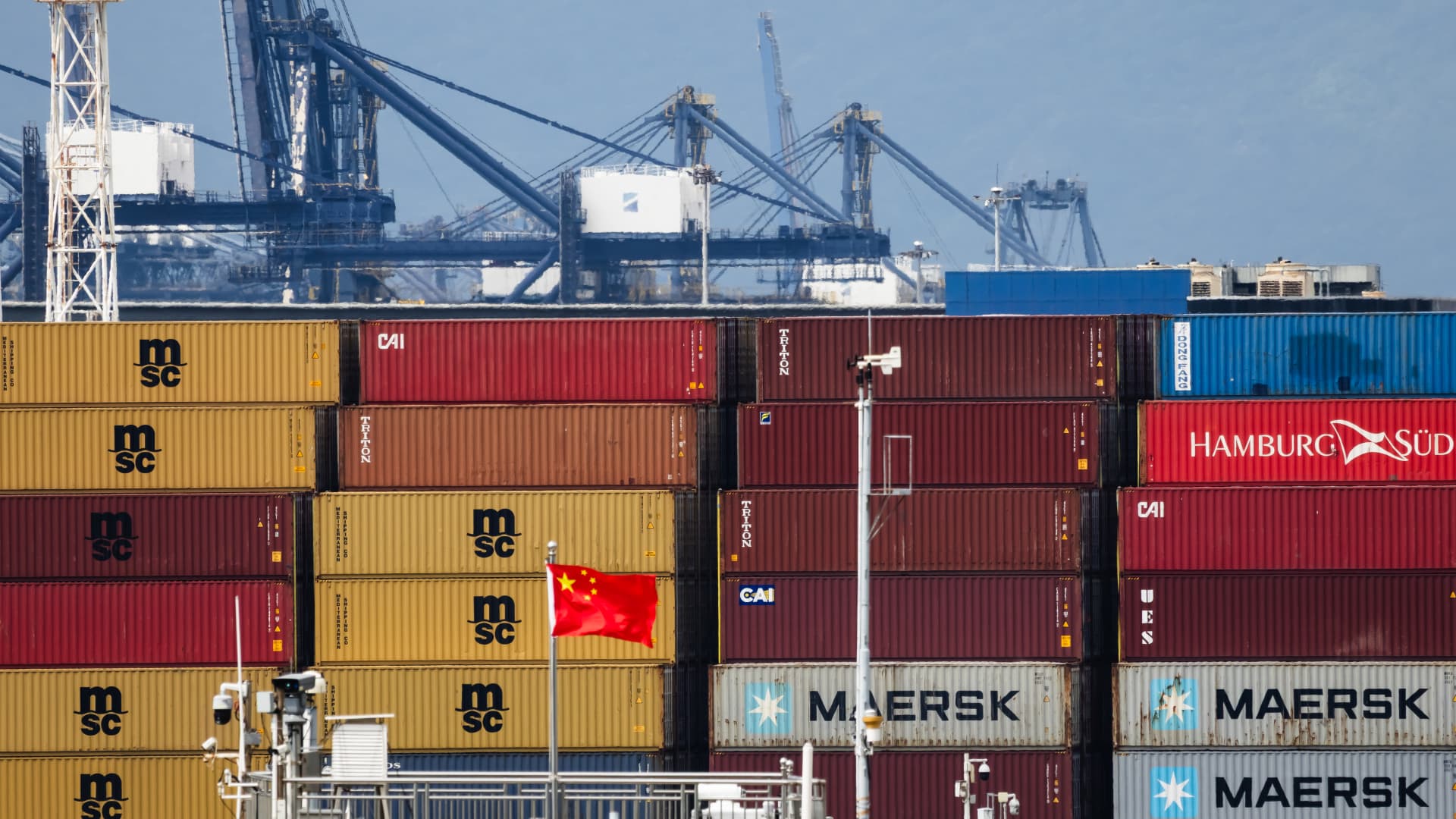
China’s August trade data presented a complex picture, with robust export performance contrasting with weaker-than-expected import growth. This imbalance highlights the nation’s reliance on external demand for economic momentum, sparking renewed international calls for a reorientation towards domestic consumption to foster greater global macro-stability.
📊 Macro-Economic Strategic Insights
- Export Strength Sustained. China’s exports rose 25% year-over-year in August, outpacing July’s 23.9% and driven by global demand for high-tech components, particularly for AI infrastructure.
- Imports Lag Expectations. Despite an increase, imports grew 28.2%, falling short of the 30% forecast by economists, indicating persistent softness in domestic demand and investment.
- Trade Surplus Expands. The resulting trade surplus swelled to $119.09 billion, intensifying global scrutiny and demands from Western partners for China to rebalance its economic drivers.
China’s trade performance in August underscores a growing asymmetry in its economic recovery. While robust export growth, particularly fueled by surging demand for high-tech components essential for global AI infrastructure build-out, provides a significant tailwind, the lagging import figures paint a picture of continued domestic sluggishness. This dynamic is critical for understanding global economic shifts, as detailed analysis on economic policy and macro trends often focuses on such imbalances. The official customs data revealed a 25% year-over-year increase in exports, accelerating from July’s 23.9%. However, imports, despite rising 28.2% from 27.5% in July, missed Reuters-polled economists’ estimates of 30%, signaling persistent weakness in internal consumption and investment.
This export-driven growth comes at a time when China’s gross domestic product growth slowed to a three-year low of 4.3% in the second quarter, missing the official target range of 4.5-5% for the year. Data from July further confirmed weakening domestic demand and investment, alongside a second consecutive month of contraction in manufacturing activity. This context makes the strength in China’s trade balance, specifically exports, crucial for offsetting internal economic pressures.
- The reliance on external demand has profound implications for Beijing’s policy approach, as Evercore ISI’s Neo Wang suggests that recent ‘sense of urgency and determination in Beijing’s recent policy communications’ and accelerated fiscal spending are aimed at restoring stability and bolstering investment. Beijing’s plan to fund a $54 billion capital injection into state-owned banks and insurers further illustrates this proactive, albeit constrained, stimulus strategy.
The Ripple Effect: Economic Cause and Consequence
Global Demand for Tech → Boost in China’s Exports → Widening Trade Surplus → Increased Geopolitical Scrutiny → Pressure on China for Economic Rebalancing → Potential Domestic Policy Shifts (e.g., Stimulus, Rate Cuts) → Impact on Global Supply Chains and Trade Relations.
Understanding ‘Rebalancing Trade’ in a Global Context
The term ‘rebalancing trade’ refers to a situation where a country shifts its economic focus from export-led growth to one driven more by domestic consumption and investment, aiming to create a more sustainable and less globally disruptive growth model. For China, this means reducing its reliance on foreign demand and nurturing its vast internal market.
Key August 2026 Trade Indicators for China
| Metric | August 2026 Growth (YoY) | July 2026 Growth (YoY) | Significance |
|---|---|---|---|
| Exports (USD terms) | 25.0% | 23.9% | Outperforming, driving overall economic growth. |
| Imports (USD terms) | 28.2% | 27.5% | Missed estimates, indicates soft domestic demand. |
| Trade Surplus | $119.09 billion | $112.5 billion | Expanded significantly, raising international concerns. |
*Data source: China Customs, Reuters Poll.
Beijing’s Monetary Policy Trajectory
The People’s Bank of China (PBOC) faces a delicate balancing act. While the offshore yuan has shown resilience, strengthening 3.8% year-to-date against the U.S. dollar, its appreciation offers more leeway for potential monetary easing. Shan Guo of Hutong Research anticipates one or two interest-rate cuts by year-end, with the timing influenced by Federal Reserve actions and domestic bond issuance. The PBOC Governor Pan Gongsheng asserted at the G20 summit that China has never actively sought a trade surplus or currency depreciation for competitive advantage, highlighting the complexities in managing the yuan’s valuation. Investors tracking stock markets globally are keenly observing these developments for their broader implications.
Global Benchmarking: Trade Disputes and Diplomatic Tensions
The widening trade surplus in China’s trade figures has reignited tensions with Western trading partners. The Group of 20 finance ministers recently issued a joint statement critical of export-reliant economies, a stance Beijing vocally opposed, characterizing it as a pretext for restriction. This diplomatic friction, however, is not expected to derail high-stakes bilateral talks, such as Chinese leader Xi Jinping’s upcoming visit to Washington D.C. Experts, including Neo Wang, note the narrowing U.S. deficit with China and other mounting trade disputes elsewhere, suggesting a more nuanced approach from Washington, as reported by outlets like Reuters economic news.
China’s Trade Rebalancing: An Imperative for Sustainable Growth
China’s August trade data reinforces a persistent theme: an economy heavily reliant on external demand while domestic consumption struggles to gain traction. This imbalance, though currently supported by global tech demand, presents a structural challenge that Beijing is actively attempting to address through fiscal stimulus and potential monetary easing.
- The sustained export strength provides a crucial buffer against internal economic weaknesses.
- Tepid imports signal the need for more robust domestic demand-side policies.
- International pressure for trade rebalancing will likely intensify, influencing future policy decisions.
Will Beijing successfully pivot its economic engine towards stronger internal consumption, or will global demand continue to dictate its growth trajectory?
📊 StockXpo Analyst’s View
Market Impact: The robust export performance, particularly in high-tech sectors, provides a short-term boost to investor sentiment, suggesting resilience despite domestic headwinds. However, the underlying weakness in domestic demand could cap long-term growth expectations and put pressure on asset valuations if not addressed by deeper structural reforms. Increased calls for trade rebalancing from the G20 could also introduce volatility into global markets if trade disputes escalate. For more detailed investment analysis, look for shifts in official policy language.
Sector To Watch: The technology and manufacturing sectors, especially those tied to AI infrastructure, are poised to benefit from continued global demand. Conversely, consumer discretionary and real estate sectors may face ongoing challenges due to subdued domestic confidence and investment, signaling potential headwinds for their respective equities.
Financial Disclaimer:
StockXpo.com is a financial news aggregator and educational portal, not a registered investment advisor or broker-dealer. All information, news, and analysis provided herein are strictly for educational purposes and do not constitute investment, financial, legal, or tax advice. Investing in the stock market involves high risks, and past performance is not indicative of future results. StockXpo will not be liable for any financial losses or investment damages. Always consult a certified financial advisor before making market decisions.
MORE IN INSIDE ECONOMY
Trump Economic Approval Plummets: A Warning for Macro Stability
Published: Thursday, October 22, 2026 · 9:12 AM

UK Inflation Jumps to 3.5%: Cementing Rate Hike Expectations
Published: Wednesday, October 21, 2026 · 2:51 AM


