Published: Monday, July 27, 2026 · 5:21 PM | Updated: Monday, July 27, 2026 · 5:21 PM
📊 158 views




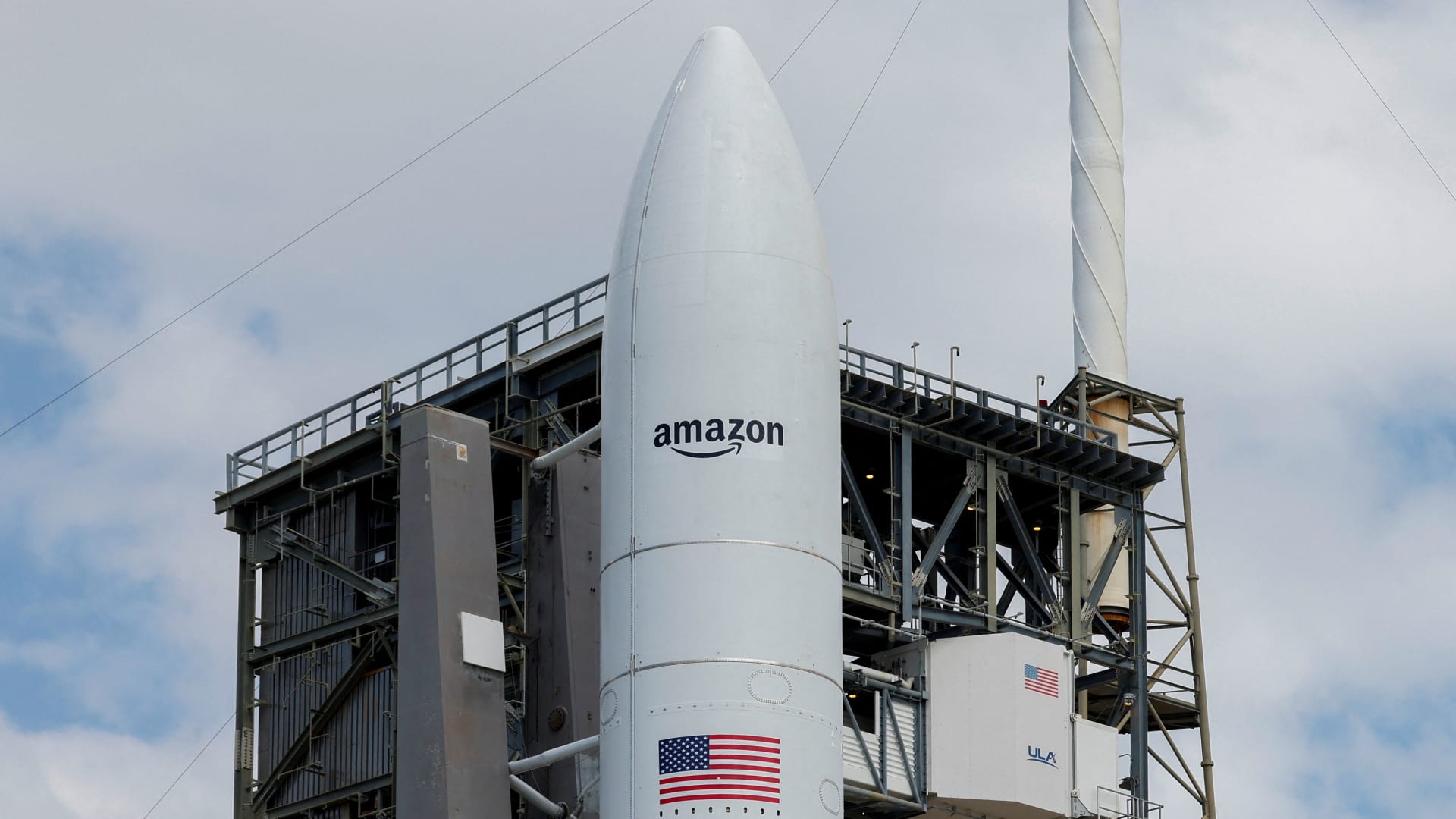
Amazon has formally requested federal approval to deploy an additional 5,105 internet satellites, signaling a significant escalation in its plans for a comprehensive direct-to-device network. This move, building on its acquisition of Globalstar, positions the e-commerce giant to directly challenge established players in the burgeoning satellite connectivity market, targeting unserved regions globally.
🚀 Tech Strategy & Market Disruptions
- Massive Satellite Deployment. Amazon seeks approval for 5,105 new satellites to expand its direct-to-device network, significantly broadening its Project Kuiper ambition beyond the initial 3,232.
- Globalstar Integration & Spectrum Leverage. The $11.6 billion acquisition of Globalstar is pivotal, combining existing infrastructure and spectrum to deliver connectivity directly to smartphones without traditional cell towers.
- Aggressive Competition in LEO. This expansion intensifies Amazon’s rivalry with SpaceX’s Starlink and Starlink Mobile, targeting underserved markets and emergency services with a projected D2D network launch in 2028.
Amazon’s application to the Federal Communications Commission (FCC) for an additional 5,105 internet satellites marks a critical juncture in its Project Kuiper initiative, specifically bolstering its nascent direct-to-device network capabilities. This ambitious request comes after the company telegraphed its intentions in April, announcing the acquisition of satellite operator Globalstar for approximately $11.6 billion. The integration of Globalstar’s existing satellite infrastructure and spectrum licenses is central to Amazon’s strategy, aiming to bypass traditional terrestrial cellular networks and deliver connectivity directly to standard smartphones and other devices.
The primary target for this expansive network includes populations ‘unserved or underserved’ by current wireless providers. Beyond consumer applications, Amazon highlights critical use cases such as supporting emergency operations, search and rescue missions, and extending reliable connectivity to remote worksites, logistics fleets, and supply chains where terrestrial access is challenging. This strategic focus underscores a commitment to bridging digital divides and enhancing operational resilience in geographically isolated areas.
- The FCC application details Amazon’s intent to commence D2D network deployment in 2028, with the Globalstar acquisition expected to finalize in 2027. This timeline positions Amazon to rapidly scale its offerings following regulatory clearances.
Amazon has already made significant strides with its broader Project Kuiper constellation, having launched over 390 satellites into low Earth orbit (LEO) since April of last year. This operational baseline is reportedly sufficient to begin ‘initial service’ later in 2026. The FCC recently granted Amazon a waiver, extending its deadline to deploy the initial 1,600 satellites while maintaining the mandate to launch all 3,232 planned first-generation satellites by July 2029. This regulatory flexibility is crucial for maintaining momentum in a capital-intensive and logistically complex sector. The competitive landscape for providing satellite internet services is intensifying, with multiple players vying for market share. For insights into broader technology market trends, StockXpo.com offers in-depth analysis.
The development of Amazon’s direct-to-device network illustrates a profound disruption flow in telecommunications. The initial cause — Amazon’s strategic acquisition of Globalstar and its aggressive satellite deployment — leads directly to a faster integration of space-based and terrestrial spectrum assets. This enhanced infrastructure enables direct connectivity to consumer devices, bypassing traditional cell towers and landlines. The ultimate effect is a market disruption that democratizes access to broadband in remote areas, challenges incumbent telecom providers, and fosters new applications for emergency services and logistics.
‘Amazon’s foray into direct-to-device satellite connectivity is not merely an incremental improvement; it’s a foundational shift in how we conceive global network access. By leveraging LEO constellations, they are democratizing digital access and redefining the architecture of pervasive connectivity, posing a formidable challenge to legacy telecom models. This is about building a truly ubiquitous digital nervous system for the planet.’
Amazon’s Project Kuiper and D2D Network Key Metrics:
| Metric | Details |
|---|---|
| New Satellite Request (D2D) | 5,105 satellites |
| Total Planned Kuiper Satellites | 3,232 satellites (first-gen) |
| Satellites Currently in Orbit | >390 satellites |
| Globalstar Acquisition Value | ~$11.6 billion |
| Globalstar Deal Closure Target | 2027 |
| D2D Network Deployment Start | 2028 |
| Full First-Gen Constellation Deadline | July 2029 |
Amazon’s Platform Architecture for Ubiquitous Access
Amazon’s strategy for its direct-to-device network hinges on a sophisticated platform architecture that integrates its extensive cloud services with its growing satellite constellation. The fusion of Project Kuiper’s LEO satellites with Globalstar’s terrestrial spectrum and ground infrastructure creates a hybrid network. This allows for flexible routing of data, prioritizing low-latency connections via Kuiper where available and leveraging Globalstar for direct mobile device integration. This multi-layered approach aims for resilience and broad coverage, essential for global service delivery. The technical challenge lies in seamless handovers between satellite links and optimizing spectrum usage across diverse geographical terrains, which requires advanced software-defined networking and edge computing capabilities at a massive scale. To understand more about emerging technologies and their infrastructure implications, delve into StockXpo’s expert content.
Amazon’s Ecosystem Expansion Potential
The development of a robust direct-to-device network significantly broadens Amazon’s ecosystem, moving beyond its e-commerce and cloud dominance into fundamental connectivity. This expansion creates opportunities for new service offerings, from enhanced IoT solutions for industrial clients to secure communications for government and defense sectors. By controlling the underlying network infrastructure, Amazon can tailor services, ensure quality of service, and potentially integrate this connectivity directly into its other hardware offerings, such as Kindle devices, Alexa-enabled products, or even future autonomous logistics systems. This vertical integration deepens its competitive advantage and creates new revenue streams, reinforcing its position as a multifaceted technology conglomerate. For further insights into such strategic moves, one can refer to technology analyses from Reuters Technology.
Amazon’s Direct-to-Device Push: What’s Next for Global Connectivity
Amazon’s aggressive pursuit of a direct-to-device network represents a significant bet on the future of global connectivity, aiming to bring internet access to millions underserved by traditional infrastructure. This initiative, powered by its Project Kuiper and the Globalstar acquisition, not only expands its technical footprint but also solidifies its ambition to be a foundational layer of the digital economy.
- The FCC approval for 5,105 additional satellites is a crucial regulatory milestone, enabling Amazon to rapidly scale its D2D capabilities and accelerate deployment timelines.
- Integration with Globalstar’s spectrum is key to enabling direct smartphone connectivity, differentiating Amazon’s offering and widening its competitive moat against Starlink.
- Success hinges on seamless execution, robust network performance, and navigating a complex regulatory landscape while fending off fierce competition in the LEO satellite space.
How will this massive satellite expansion fundamentally alter the global telecommunications landscape and user expectations for ubiquitous access?
📊 StockXpo Analyst’s View
Market Impact: Amazon’s intensified push into the direct-to-device satellite market, underscored by its FCC filing, is likely to be viewed positively by investors, signaling aggressive growth in new, high-potential sectors. This move indicates a long-term strategy to diversify revenue streams beyond e-commerce and cloud, potentially boosting investor confidence in AMZN’s innovation capacity. It will also put pressure on traditional telecom players and drive increased R&D spending across the aerospace and communications sectors.
Sector To Watch: The satellite communication and aerospace sectors (e.g., satellite manufacturers, launch providers) are poised for increased activity. Telecommunication companies, particularly those with existing partnerships in satellite D2D or those exploring it, will face heightened competitive pressure. Investors should monitor developments in LEO satellite technology and companies with strong IP portfolios in spectrum management and network integration. For more educational tech insights, visit StockXpo.
Financial Disclaimer:
StockXpo.com is a financial news aggregator and educational portal, not a registered investment advisor or broker-dealer. All information, news, and analysis provided herein are strictly for educational purposes and do not constitute investment, financial, legal, or tax advice. Investing in the stock market involves high risks, and past performance is not indicative of future results. StockXpo will not be liable for any financial losses or investment damages. Always consult a certified financial advisor before making market decisions.
MORE IN INSIDE TECHNOLOGY

Apple’s AI Strategy: Innovation, Disruption, and Market Positioning Amidst White House Summit
Published: Thursday, October 1, 2026 · 12:09 AM

AI Job Application Breakthrough: Skills Over Resumes Emerge
Published: Wednesday, September 30, 2026 · 3:04 AM