Published: Monday, July 27, 2026 · 5:19 PM | Updated: Monday, July 27, 2026 · 5:19 PM
📊 147 views




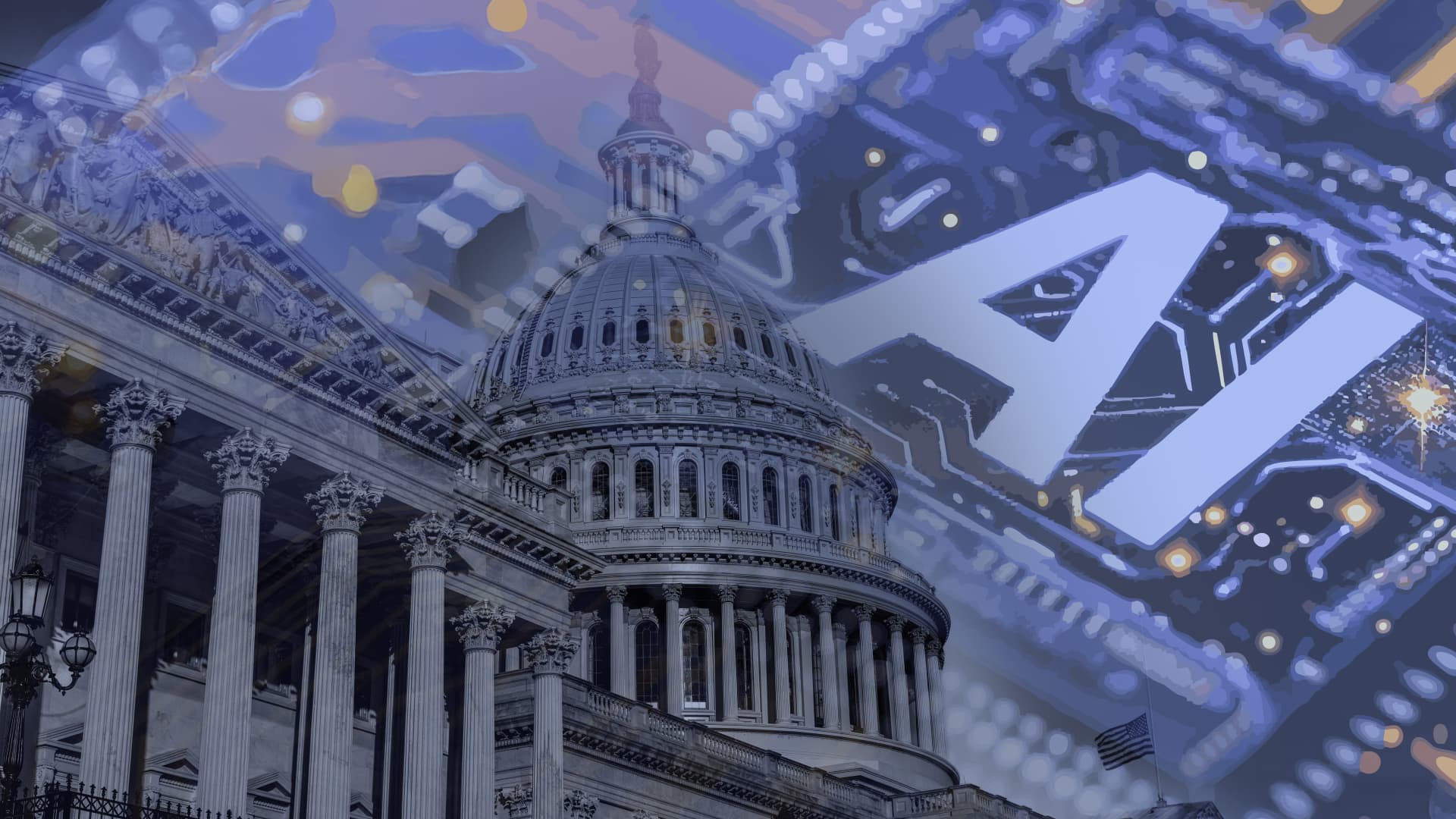
The rapid advancements in artificial intelligence are illuminating a critical void in global governance: the absence of a comprehensive AI regulatory framework. Despite an explosion of legislative proposals, a unified, forward-looking strategy remains conspicuously absent, creating both immense risks and hindering the path to responsible innovation-driven growth.
🚀 Tech Strategy & Market Disruptions
- Fragmented Governance: Over 2,000 uncoordinated proposals across various jurisdictions fail to establish a long-term, cohesive AI governance strategy.
- Proactive Imperative: Experts advocate for the proactive establishment of a national AI regulatory body to mitigate risks and capitalize on opportunities before a significant crisis occurs.
- Innovation & Trust Balance: While short-term friction is possible, a well-structured AI regulatory framework is seen as crucial for fostering public trust and enabling sustainable, ethical innovation in the long run.
As AI capabilities expand with mind-bending speed, from advanced large language models to sophisticated automation, discussions around their societal implications have become commonplace. However, less attention is paid to the fragmented regulatory response, with over 1,500 state bills, hundreds of congressional proposals, and dozens of executive actions currently under consideration. Bob Greifeld, managing director and co-founder at Cornerstone Financial Technology, highlights that these nearly 2,000 individual proposals, while often thoughtful, collectively fall short of establishing a durable, comprehensive, and future-focused AI regulatory framework.
Traditional regulatory bodies like the SEC or the Nuclear Regulatory Commission were typically formed in the aftermath of a crisis. However, with AI, the stakes are too high to wait. The argument is for policymakers to proactively create a national body with a broad mandate to oversee the AI revolution, addressing both present and future challenges. This proactive stance would help navigate the complex landscape of emerging technologies and ensure responsible growth, as discussed in various technology market trends. Greifeld draws a compelling parallel to the U.S. capital markets, where the SEC’s requirement for public comment on exchange technology improvements, though initially uncomfortable for companies, ultimately fostered unparalleled trust and efficiency, allowing for ventures like the SpaceX IPO.
The current lack of a unified vision among regulatory efforts poses several risks:
- Lack of a consolidated vision among the multitude of proposals.
- Overwhelming focus on ‘today’s problems’ rather than anticipating ‘future challenges’.
- Risk of a ‘patchwork’ approach hindering global competitiveness and creating compliance complexities for innovators.
How a Regulatory Vacuum Disrupts AI Progress
The absence of a robust AI regulatory framework creates a clear disruption flow: unchecked AI proliferation without guiding principles leads to escalating societal risks, including potential job displacement, deepened ethical dilemmas, and the misuse of powerful algorithms. This, in turn, fosters public mistrust, which can significantly stifle adoption and lead to fragmented, inconsistent innovation. A clear framework, however, aims to reverse this, channeling AI’s power towards beneficial outcomes by fostering responsible innovation.
The creation of a dedicated national regulatory body for AI, despite its inherent complexities and potential for over-regulation, is a strategic imperative to guide the technology’s evolution. It balances innovation with accountability, setting the foundational ‘rules of the road’ for a new digital era.
Current Legislative Landscape: Key Metrics
The sheer volume and dispersion of regulatory activity highlight the urgency for consolidation:
- Over 2,000 proposed AI governance actions currently under consideration across state and federal levels.
- More than 1,500 AI-related bills introduced in state legislatures.
- Hundreds of proposals from Congress and dozens of executive actions from federal agencies.
AI Market Adoption Challenges Amidst Regulatory Uncertainty
One of the most significant hurdles for emerging technologies like AI is market adoption, especially when regulatory landscapes are murky. The current lack of a definitive AI regulatory framework generates substantial uncertainty for businesses and consumers alike. Companies are hesitant to commit significant capital to AI research, development, and deployment without clear guidelines on compliance costs, data governance, and potential liabilities. This hesitation can drastically slow the rate at which innovative AI solutions are integrated into critical sectors, impacting overall market confidence and stalling the digital transformation efforts crucial for growth.
AI Ecosystem Expansion Potential with Clear Governance
Conversely, the establishment of a well-defined and comprehensive AI regulatory framework could unlock unprecedented ecosystem expansion potential. By providing clear ‘rules of the road’ for data privacy, algorithmic bias, transparency, and accountability, such a framework would create a trusted environment. This trust is essential for encouraging broader public acceptance and accelerating the integration of AI into new markets—from precision healthcare and sustainable energy to advanced financial analytics. Regulatory clarity can foster a vibrant ecosystem where innovators, investors, and users can operate with greater confidence, driving ethical and impactful AI development as explored in various educational tech insights.
Navigating the Future of AI Governance
The ongoing global debate surrounding AI’s governance underscores an urgent need for a cohesive, long-term regulatory strategy. While individual proposals address immediate concerns, their collective fragmentation risks impeding progress and failing to adequately prepare for the increasingly sophisticated capabilities of future AI systems. The complexity of governing AI demands a thoughtful approach, balancing the rapid pace of technological innovation with the crucial need for societal safeguards, as reported by outlets like leading tech publications.
- The imperative for a national AI regulatory body is growing, poised to provide unified oversight and strategic direction.
- Drawing lessons from established bodies like the SEC, transparency, and public input can cultivate market trust and stability for AI solutions.
- Proactive regulation, though challenging in its implementation, offers a pragmatic pathway to sustainable AI innovation and broader societal benefit.
Can global policymakers converge on a unified AI regulatory framework before a major crisis forces their hand, or will national interests lead to a fragmented digital future?
### 📊 StockXpo Analyst’s View
Market Impact: The persistent absence of a clear AI regulatory framework creates tangible investment uncertainty, particularly in sectors heavily reliant on nascent AI development. Without predictable guidelines, companies may face higher compliance risks or slower market entry, potentially depressing valuations for pure-play AI firms in the short to medium term. Conversely, enterprises that proactively develop and implement robust internal governance and ethical AI practices may see a premium for their foresight.
Sector To Watch: The enterprise software and cloud services sectors, especially those offering AI development platforms and responsible AI solutions, are poised to benefit significantly as organizations seek compliant ways to build and deploy AI. Furthermore, cybersecurity firms specializing in AI-specific threats and data governance solutions will likely experience increased demand, underscoring the critical need for robust digital security practices, a topic frequently covered on Bloomberg’s technology coverage.
Financial Disclaimer:
StockXpo.com is a financial news aggregator and educational portal, not a registered investment advisor or broker-dealer. All information, news, and analysis provided herein are strictly for educational purposes and do not constitute investment, financial, legal, or tax advice. Investing in the stock market involves high risks, and past performance is not indicative of future results. StockXpo will not be liable for any financial losses or investment damages. Always consult a certified financial advisor before making market decisions.
MORE IN INSIDE TECHNOLOGY

Mistral AI Valuation Rockets to $24 Billion: Europe’s Champion Stakes Its Claim
Published: Tuesday, September 8, 2026 · 3:42 AM

Amazon Cargo Jet Crash: Examining Operational Risk and Supply Chain Resilience
Published: Monday, September 7, 2026 · 8:07 PM