Published: Friday, July 17, 2026 · 5:25 PM | Updated: Friday, July 17, 2026 · 5:25 PM
📊 228 views




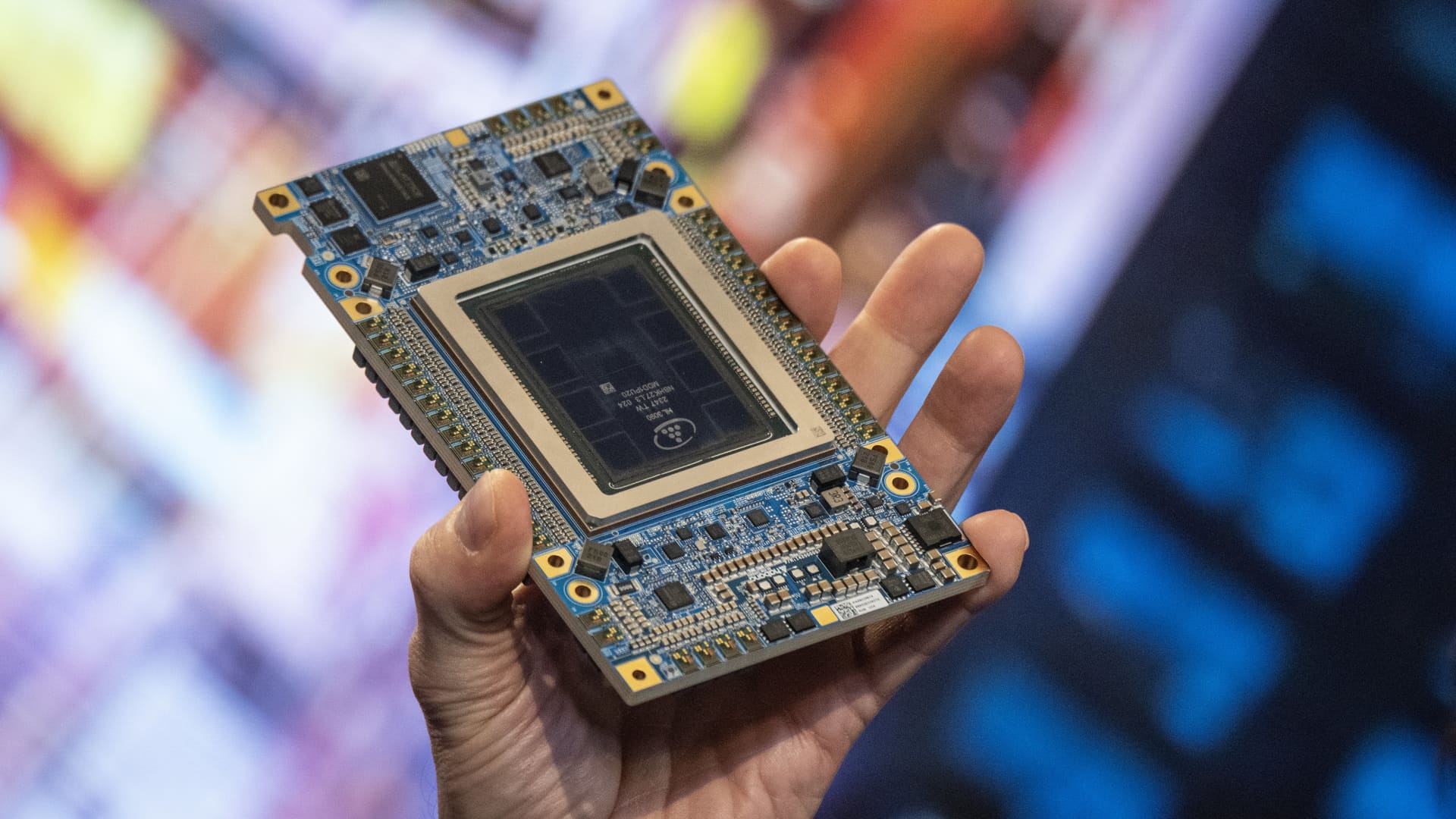
The semiconductor industry is currently navigating a significant market correction, with semiconductor stocks experiencing a notable pullback. Despite widespread profit-taking and renewed concerns over AI spending, underlying technological innovation and strategic market positioning suggest a persistent bullish outlook for key players.
🚀 Tech Strategy & Market Disruptions
- Chip Sector Correction. The VanEck Semiconductor ETF briefly entered bear market territory, down 20% from recent highs, signaling broad market apprehension.
- Apple’s AI-Driven Valuation Surge. Apple reclaimed its title as the world’s most valuable company, fueled by its new Apple Intelligence platform and strategic AI partnerships.
- Intel’s Bullish Persistence. Despite a 30% monthly decline, Intel remains a favored stock by some analysts, emphasizing its CPU strength and foundry progress.
The technology sector has recently grappled with a significant retrenchment in semiconductor stocks, driven by renewed investor concerns surrounding artificial intelligence spending. This apprehension led the VanEck Semiconductor ETF to briefly dip 20% from its peak, indicating a broad market sentiment shift toward caution. However, prominent voices like Jim Cramer’s Investing Club contend that this downturn largely reflects forced selling and profit-taking, rather than any fundamental deterioration in the AI growth narrative.
Amidst this volatility, individual corporate stories highlight divergent paths. Intel, for instance, has seen its shares tumble over 30% this month. Yet, the company maintains a staunchly bullish long-term outlook from some quarters, notably from Cramer, who continues to favor its stock. The focus for Intel’s upcoming earnings report remains squarely on sustained strength in its core CPU business and demonstrable progress within its nascent foundry operations, a critical component of its strategic transformation.
Conversely, Apple presented a robust counter-narrative, briefly surpassing Nvidia to reclaim its position as the world’s most valuable company. This surge followed an upgrade from HSBC, which raised Apple’s price target significantly. The firm cited Apple’s revamped Apple Intelligence platform and new AI features as potential catalysts for a major upgrade cycle. This strategy allows Apple to capitalize on AI advancements without incurring the heavy capital expenditures typically weighing on hyperscalers, largely due to its strategic partnership with Alphabet. The recent approval of Apple Intelligence for devices in China further expands market access, encouraging upgrades to newer iPhone models.
- Market Sentiment vs. Fundamentals: While the broader semiconductor market shows jitters over AI spending velocity, specific company news suggests strong demand for AI-enabled devices and services.
- Capital Expenditure Models: Apple’s approach to AI, leveraging partnerships, offers a less capital-intensive model compared to the direct infrastructure investments of cloud providers or chip manufacturers.
- Geographic Market Catalysts: Apple’s approval in China for its AI features underscores the critical role of vast consumer markets in driving technology adoption and upgrade cycles.
The market dynamics observed illustrate a clear disruption flow driven by evolving AI strategies. Renewed investor scrutiny on AI capital spending (Cause) has directly triggered widespread profit-taking in the chip sector (Effect 1), impacting major technology market trends. This pressure compels companies like Intel to accelerate diversification into foundry services (Effect 2), aiming to mitigate dependency on cyclical CPU markets. Simultaneously, Apple’s innovative adoption of AI, specifically through a less capital-intensive partnership model (Cause), stimulates consumer upgrade cycles (Effect 1) and enables significant valuation growth without the heavy infrastructure investment burden (Effect 2), effectively disrupting traditional hardware-centric AI growth narratives. This bifurcation highlights a shift: raw compute power remains crucial, but the integration and monetization of AI at the device and platform level are increasingly shaping market leadership.
The current market volatility in semiconductors highlights a critical distinction: direct AI infrastructure spend vs. AI-enabled consumer device cycles. Companies like Apple, leveraging AI via strategic partnerships rather than heavy data center build-outs, demonstrate a more capital-efficient path to AI-driven growth. This model fundamentally alters traditional capital expenditure expectations in the AI value chain.
Key financial movements underscore the market’s current state:
- Intel Stock Pullback: Shares have fallen more than 30% this month, reflecting investor rotation out of the broader semiconductor sector.
- VanEck Semiconductor ETF (SMH): Briefly entered bear market territory, down 20% from its recent high, before a slight recovery.
- Apple Price Target Upgrade: HSBC raised Apple’s price target to $366 from $260, projecting significant growth from its AI initiatives.
Intel’s Ecosystem Expansion Potential
Intel’s foray into foundry services represents a significant strategic pivot aimed at diversifying its revenue streams beyond its traditional CPU dominance. This involves building out a robust manufacturing ecosystem capable of producing chips for external clients, including competitors. Such an expansion requires not only massive capital investment but also a meticulous focus on process technology leadership, intellectual property protection, and customer relationship management. Success in this venture could fundamentally reshape Intel’s competitive landscape, moving it from primarily a product company to a critical infrastructure provider for the global chip industry, challenging established players like TSMC. This move could also position Intel as a more resilient player in future emerging technologies, enabling it to capture growth from various segments of the market.
Apple’s Platform Architecture Evolution
The introduction of Apple Intelligence signifies a profound evolution in Apple’s platform architecture, integrating generative AI capabilities directly into its operating systems and applications. This strategy prioritizes on-device processing where feasible, enhancing privacy and responsiveness, while intelligently leveraging cloud-based models for more complex tasks through partnerships, such as with Alphabet. This hybrid approach allows Apple to control the user experience tightly, differentiate its hardware through unique AI features, and potentially drive a significant upgrade cycle for its extensive installed base. The architecture’s success hinges on seamless integration across its device ecosystem, from iPhones to Macs, ensuring a coherent and powerful AI experience that justifies premium pricing and encourages customers to explore new functionalities and educational tech insights on StockXpo’s blog.
Intel’s Resilience: Navigating a Volatile Semiconductor Market
The current turbulence across semiconductor stocks underscores a complex interplay between macro-economic factors, investor sentiment, and foundational technological shifts. While immediate pullbacks like Intel’s 30% drop can be jarring, the underlying drivers for long-term growth, particularly in AI, remain robust. The strategic diversification of Intel into foundry services and Apple’s shrewd integration of AI through partnerships illustrate distinct yet effective pathways to innovation-driven growth.
- Market corrections often present opportunities for long-term investors focused on intrinsic value and strategic initiatives.
- The varying capital intensity of AI strategies (direct infrastructure vs. partnership-driven device integration) is creating new valuation paradigms.
- China’s market approval for AI features highlights the continued importance of global reach and localized solutions for tech giants.
As the market digests these shifts, will the current volatility solidify the dominance of agile integrators or reaffirm the foundational role of core chip manufacturers?
📊 StockXpo Analyst’s View
Market Impact: The recent semiconductor stock pullback reflects a healthy, albeit sharp, re-evaluation of AI valuations. While fear of overspending in AI infrastructure briefly dampened sentiment, the enduring demand for AI capabilities, particularly at the consumer device level, suggests a floor to this correction. Investors are now keenly distinguishing between direct capital expenditure plays and more agile, partnership-led AI integration models, which could influence future capital allocation decisions and stabilize volatility.
Sector To Watch: The foundry sector and AI-enabled device manufacturers are critical areas to monitor. Intel’s progress in its foundry business will be a key indicator of its long-term viability and ability to compete with established players. Simultaneously, companies like Apple, demonstrating how to leverage AI without prohibitive capex, will set new benchmarks for efficiency and profitability in the AI era.
Financial Disclaimer:
StockXpo.com is a financial news aggregator and educational portal, not a registered investment advisor or broker-dealer. All information, news, and analysis provided herein are strictly for educational purposes and do not constitute investment, financial, legal, or tax advice. Investing in the stock market involves high risks, and past performance is not indicative of future results. StockXpo will not be liable for any financial losses or investment damages. Always consult a certified financial advisor before making market decisions.
MORE IN INSIDE TECHNOLOGY

Starlink India: Regulatory Hurdles and Innovation-Driven Growth Risks
Published: Friday, October 9, 2026 · 12:48 AM

Starlink Launch: India’s Digital Transformation Faces Regulatory Risk
Published: Thursday, October 8, 2026 · 1:51 AM