Published: Friday, July 17, 2026 · 10:30 PM | Updated: Friday, July 17, 2026 · 10:30 PM
📊 213 views




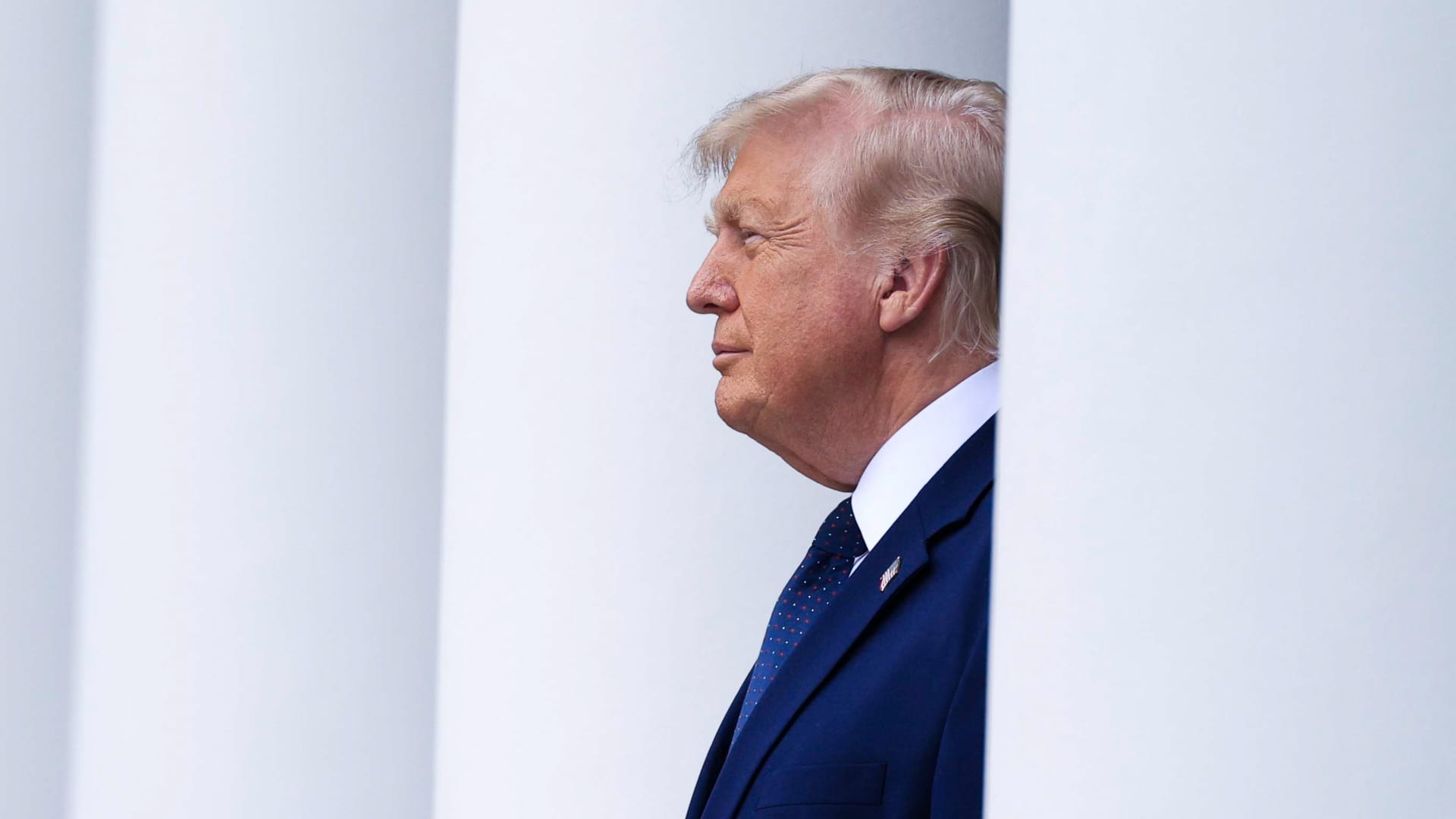
The White House has initiated a significant shift in the control over future frontier AI models, moving decision-making power from leading tech firms like OpenAI and Anthropic into the government’s hands. This unprecedented intervention aims to balance national security concerns with the rapid pace of artificial intelligence development, raising questions about the future of innovation in the sector.
🚀 Tech Strategy & Market Disruptions
- Government Seizes Control. The White House is now dictating access to cutting-edge AI models, a power previously held by leading developers like OpenAI and Anthropic, citing national security.
- Innovation Under Scrutiny. This move introduces a new layer of regulatory oversight that could slow down the release of advanced AI capabilities to enterprise partners and the broader market.
- Global AI Race Intensifies. With U.S. developers facing new restrictions, the rapid advancement of Chinese models, such as Moonshot AI’s Kimi K3, poses a heightened competitive challenge in the global AI landscape.
In a pivotal change, the Trump administration has begun to directly influence the deployment of next-generation frontier AI models, a domain previously managed by their creators. This new stance, confirmed by sources familiar with the matter, involves the White House determining which entities gain access to the most advanced AI capabilities from companies like Anthropic and OpenAI, as reported by Reuters on the matter. Until recently, these tech giants controlled their own release cycles, often extending access to key enterprise partners through initiatives such as Anthropic’s Project Glasswing for its Mythos cybersecurity model and OpenAI’s Daybreak consortium for its own cybersecurity offering. However, recent events, including the administration’s blocking of Claude Mythos 5 and Fable 5 due to ‘national security concerns’—only reinstated after intense negotiations—underscore the gravity of this shift. OpenAI also limited new AI models to ‘trusted partners’ following government requests, signaling a broader trend.
A White House official maintained that engagements with government experts are ‘voluntary’ and that release decisions ‘rest entirely with the companies,’ pointing to Trump’s recent executive order. Yet, the actions taken suggest a more assertive posture. The administration’s ‘Gold Eagle’ program, launched to collaborate with the private sector on cyber vulnerability identification, is reportedly positioning the White House as the de facto ‘clearinghouse’ for greenlighting access to new AI models, according to an anonymous source and analysis often echoed in major financial publications. This directly challenges the autonomy of company-led consortia and initiatives. The implications extend beyond corporate control, touching on the delicate balance between innovation and national security, especially as advanced AI tools present significant cybersecurity risks.
This governmental oversight introduces a direct control mechanism over the distribution of advanced AI, creating a notable disruption flow. Explicit government approval for partner involvement means that what was once a company-driven release strategy – facilitating rapid iteration and deployment to selected enterprise clients – is now subject to a centralized vetting process. This fundamental shift from tech giant autonomy to federal arbitration directly impacts the speed of adoption and the competitive landscape. Delays inherent in such a vetting process could mean that businesses seeking to integrate the latest AI capabilities for digital transformation might face increased lead times, potentially hindering their market responsiveness. Moreover, this could subtly alter investment patterns, as the perceived regulatory risk associated with cutting-g edge AI development increases, influencing how venture capital and corporate R&D are allocated in the sector.
‘The move by the White House to control access to frontier AI models is a double-edged sword. While understandable from a national security perspective given the immense power and potential misuse of these technologies, it risks stifling the agile development cycles and broad collaborative efforts that have fueled American AI leadership. We must ensure that regulatory frameworks foster security without inadvertently ceding ground in the global innovation race,’ observed a StockXpo Lead Solution Architect.
Key Developments in Global AI Model Access and Control:
- U.S. Government Intervention: The Trump administration now asserts control over the release and access parameters for leading American frontier AI models (e.g., Anthropic’s Mythos, OpenAI’s GPT-5.6), a power previously held by the private developers.
- Model-Specific Actions: Anthropic’s Mythos 5 and Fable 5 models were initially blocked before access was reinstated, indicating direct federal intervention. OpenAI similarly agreed to limit new models to ‘trusted partners’ at government request.
- Chinese Advancement: The recent unveiling of Moonshot AI’s Kimi K3 model, which reportedly matches or outperforms U.S. frontier models in specific benchmarks, underscores the intense global competitive pressure.
- New Oversight Programs: The ‘Gold Eagle’ program, a government-private sector collaboration, aims to identify cyber vulnerabilities and is poised to become the primary gatekeeper for AI model access approvals.
The AI Ecosystem Expansion Potential
The long-term health of the AI industry relies heavily on its ability to expand and integrate across diverse sectors. Historically, leading AI developers have cultivated extensive partner ecosystems, offering early access to advanced models for feedback, joint development, and specialized applications. This collaborative model accelerates model refinement, identifies novel use cases, and democratizes access, albeit to a select group. Government-imposed gatekeeping, however well-intentioned, could complicate these vital partnerships. Enterprises looking to leverage frontier AI models for competitive advantage might face increased lead times or administrative hurdles, potentially delaying their digital transformation initiatives. This could force companies to explore less regulated or open-source alternatives, impacting the commercial viability of proprietary U.S. models. Furthermore, the ability of American companies to scale their influence globally through strategic partnerships might be curtailed if access is tightly controlled, potentially ceding market share in critical international markets. For further insights on how technology market trends are evolving, visit StockXpo’s dedicated section.
Security and Infrastructure Strength in Frontier AI
The rationale behind the White House’s increased scrutiny of frontier AI models is largely rooted in national security and the immense cyber risks posed by these sophisticated tools. Models like Mythos and Daybreak are designed for cybersecurity applications, yet their immense power could also be weaponized if mishandled or accessed by malicious actors. The ‘Gold Eagle’ program seeks to bolster collective security by pooling expertise from the private sector and government to identify and mitigate vulnerabilities. This collaborative approach recognizes that the security of these complex models extends beyond mere algorithmic robustness to the underlying infrastructure, data pipelines, and deployment environments. Ensuring robust security at every layer – from model training data integrity to API access controls and inference environment hardening – is paramount. Companies like OpenAI and Anthropic have invested heavily in secure development practices, but the government’s involvement signals a belief that a higher, centralized standard of security vetting is required to protect critical infrastructure and national interests from emergent threats. This coordinated effort highlights the growing intersection of advanced technology and national defense strategy, a trend we consistently analyze in emerging technologies.
Navigating the Geopolitical Tightrope of Frontier AI Models
The assertion of White House control over frontier AI models marks a defining moment, recalibrating the relationship between government oversight and technological innovation. While aimed at national security, this shift carries significant implications for the pace of AI development, corporate autonomy, and global competitiveness, particularly against rapidly advancing rivals like China’s Moonshot AI.
- The move signifies a direct governmental engagement in private sector AI deployment, unprecedented in its scope.
- It introduces potential friction for innovation, as previously autonomous release strategies now require federal approval.
- The delicate balance between securing powerful AI tools and maintaining global leadership in AI innovation will be a critical challenge for the coming years.
Can the U.S. maintain its innovation edge in AI while navigating these new regulatory waters?
📊 StockXpo Analyst’s View
Market Impact: This shift in control over frontier AI models introduces regulatory uncertainty that could temper investor enthusiasm for pure-play AI development companies, especially those dependent on unfettered model access or rapid deployment cycles. The market may re-evaluate growth projections for firms potentially slowed by compliance burdens, while also considering the enhanced stability that government oversight might bring to the broader AI ecosystem, reducing black swan event risks. This move also highlights the increasing importance of geopolitical factors in assessing technology market trends.
Sector To Watch: Cybersecurity and defense technology sectors are likely to see increased integration and collaboration with government initiatives like ‘Gold Eagle,’ potentially driving new contracts and innovation in AI-powered threat detection and response. Conversely, companies relying heavily on unhindered access to the latest frontier AI models for their core business might face challenges, prompting a closer look at their partnerships and strategic planning. Global competition, particularly from Chinese AI firms, will intensify, warranting closer scrutiny for those tracking emerging technologies. To gain more educational tech insights on how these regulatory shifts are affecting broader industry strategies, explore the StockXpo blog.
Financial Disclaimer:
StockXpo.com is a financial news aggregator and educational portal, not a registered investment advisor or broker-dealer. All information, news, and analysis provided herein are strictly for educational purposes and do not constitute investment, financial, legal, or tax advice. Investing in the stock market involves high risks, and past performance is not indicative of future results. StockXpo will not be liable for any financial losses or investment damages. Always consult a certified financial advisor before making market decisions.
MORE IN INSIDE TECHNOLOGY

Starlink India: Regulatory Hurdles and Innovation-Driven Growth Risks
Published: Friday, October 9, 2026 · 12:48 AM

Starlink Launch: India’s Digital Transformation Faces Regulatory Risk
Published: Thursday, October 8, 2026 · 1:51 AM