Published: Friday, July 17, 2026 · 8:28 PM | Updated: Friday, July 17, 2026 · 8:28 PM
📊 213 views




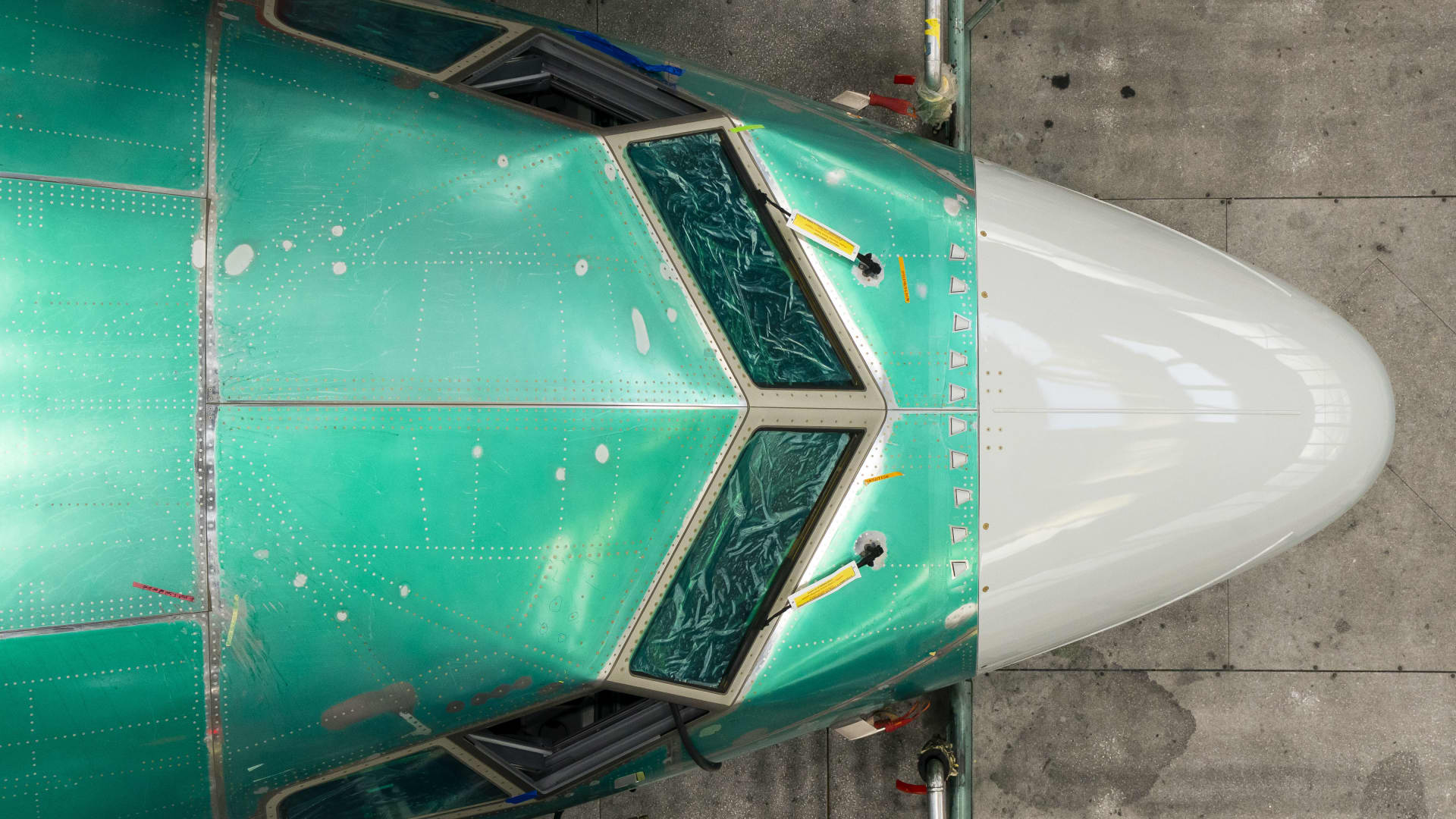
The U.S. Federal Aviation Administration’s decision to fully reinstate Boeing’s authority to issue its own airworthiness certificates for the 737 Max and 787 Dreamliner aircraft marks a pivotal moment for the aerospace manufacturing giant. This significant regulatory shift signals a crucial step in re-establishing confidence in Boeing’s internal quality control systems and operational integrity, directly influencing its production ramp-up capabilities and competitive standing within the global aviation market.
🗝️ Corporate Strategy Insights
- Re-establishing Operational Control. Boeing regains critical control over a core production process, essential for streamlining aircraft delivery and reducing external bottlenecks.
- Boosting Production Efficiency. Full authority over airworthiness certification will likely enhance production flow and predictability, vital for meeting backlogs and accelerating manufacturing timelines for the 737 Max and 787.
- Restoring Regulatory Confidence. The FAA’s ‘vote of confidence’ signifies improved trust in Boeing’s safety protocols and quality management, a prerequisite for sustained market leadership and customer trust.
For years, Boeing has navigated intense scrutiny following the tragic 2018 and 2019 737 Max crashes, which led to the FAA stripping the company of its self-certification privileges. This oversight was further compounded by a near-catastrophe in January 2024 involving a 737 Max 9 door plug. The recent decision to reinstate the company strategy for these critical models, allowing Boeing to once again sign off on its own Boeing Airworthiness Certificates, marks a significant turning point. The FAA explicitly stated that ‘during the past eight months, the FAA has seen comparable production quality findings when Boeing issued airworthiness certificates and when the FAA issued them,’ affirming the manufacturer’s progress in quality control. This move is less about reducing oversight and more about validating the effectiveness of Boeing’s revised quality assurance processes. It empowers the company to manage its own production schedule more autonomously, a key factor in improving delivery timelines and operational throughput. This development is crucial for Boeing’s turnaround, particularly as it faces pressure to deliver on a substantial order backlog and re-establish its reputation for engineering excellence and rigorous safety standards.
Boeing’s ability to self-certify its aircraft is foundational to its operational efficiency and strategic positioning. When this authority was removed, it created a bottleneck, requiring direct FAA inspection for every aircraft before delivery. This significantly slowed production lines and delayed deliveries, impacting both revenue recognition and customer relations. The partial return of this authority last September, where the FAA and Boeing alternated weeks, was a probationary period. The full reinstatement now suggests that Boeing has demonstrably improved its internal systems to a level that satisfies the regulator’s stringent requirements. This allows Boeing to take greater ownership of its delivery pipeline and reduce dependencies on external regulatory cycles, which is critical for scaling production efficiently and competing effectively with rival manufacturers. It underscores a crucial step in rebuilding trust, which extends beyond regulators to airline customers and the flying public globally.
Key aspects of this reintegration include:
- Enhanced production agility for the 737 Max and 787 programs.
- Streamlined pre-delivery processes, potentially reducing lead times.
- A renewed focus on internal quality checks as the primary gatekeepers.
The strategic ripple effect of this FAA decision is profound, touching on several layers of Boeing’s operations and market standing. The most immediate impact is on operational efficiency, as the direct FAA bottleneck is removed, enabling faster completion and delivery of aircraft. This enhanced production autonomy translates into higher revenue potential from quicker order fulfillment, directly improving Boeing’s cash flow and financial health. Furthermore, regaining full control over its production certification processes can improve the predictability of its delivery schedule, which is vital for airline customers planning their fleet expansions. For competitors like Airbus, this means Boeing can now more effectively leverage its manufacturing capacity, potentially narrowing the delivery gap and intensifying the competitive landscape. The market perception of Boeing’s commitment to safety and quality is also expected to improve, aiding in new order acquisitions and strengthening existing customer relationships.
The return of self-certification is not merely a procedural change; it represents a fundamental validation of Boeing’s efforts to overhaul its quality management system, signaling a critical turning point in its strategic recovery and its ability to compete on a level playing field once more.
While specific verifiable metrics detailing Boeing’s quality improvements were not provided in the announcement, key operational indicators will be closely watched by the market:
- On-time delivery rates: Improvements here will signal enhanced production efficiency.
- Customer acceptance rates: A reduction in defects reported by airlines post-delivery will reflect better quality control.
- Regulatory audit findings: Continued positive reports from FAA spot checks will reinforce ongoing confidence.
- Production system stability: Reduced disruptions and rework on the assembly line.
These indicators are crucial as they directly impact Boeing’s ability to meet financial targets, manage customer expectations, and maintain its reputation as a reliable aircraft manufacturer.
Boeing’s Strategic Analysis: Navigating a Recovery
Boeing’s long-term strategy hinges on re-establishing its reputation as a leader in aerospace engineering and safety. The reinstatement of self-certification privileges is a critical component of this recovery, allowing the company to streamline its operations and accelerate deliveries of key programs. This move enables Boeing to re-focus on innovation and market capture rather than being encumbered by excessive external oversight on routine processes. Strategically, it provides the breathing room needed to invest in future aircraft development and potentially regain lost ground to its primary competitor. However, the company must ensure that this renewed autonomy does not lead to complacency; continuous vigilance in quality control will be paramount to sustain this trust and prevent future setbacks.
Boeing Airworthiness Certificates: Reasserting Market Leadership
For decades, Boeing has been synonymous with market leadership in commercial aviation, a position challenged by recent safety incidents and production issues. The return of investment analysis in internal certification processes, specifically related to Boeing Airworthiness Certificates, is a significant step towards reasserting this dominance. By improving delivery timelines and demonstrating robust quality, Boeing can strengthen its position in an duopolistic market. This move not only facilitates faster deliveries but also enhances the perceived reliability of its aircraft, a critical factor for airlines making multi-billion dollar fleet decisions. Maintaining this regained trust through consistent performance will be essential for Boeing to expand its market share and fend off intense competition from global rivals.
The Operational Horizon for Boeing’s Reasserted Authority
The FAA’s decision hands Boeing a vital tool for its ongoing recovery, paving the way for improved production flows and stronger market confidence. This is a clear signal that the company’s internal quality control efforts are gaining traction, though the path ahead requires sustained vigilance and execution. The ability to manage its own operational efficiency for airworthiness certification should significantly boost its delivery capacity for the 737 Max and 787 programs.
- Boeing can now accelerate aircraft deliveries, easing backlog pressures.
- Market sentiment is likely to improve, potentially impacting stock performance positively.
- Continued rigorous internal quality control will be non-negotiable for sustaining regulatory trust.
Will this renewed operational autonomy be enough to fully restore Boeing’s tarnished image and propel it back to unchallenged market leadership?
📊 StockXpo Analyst’s View
Market Impact: This news is unequivocally positive for Boeing’s stock, likely boosting investor confidence in its operational turnaround. The removal of a significant bottleneck in aircraft delivery cycles should translate to more predictable revenue recognition and improved free cash flow generation. It signals a de-risking event for institutional investors, making Boeing a more attractive long-term hold.
Sector To Watch: The broader aerospace and defense sector, particularly supply chain partners, will benefit from Boeing’s increased production stability. Airlines, in turn, can expect more reliable delivery schedules, impacting their fleet planning and expansion strategies positively. This could also intensify competition in the narrow-body market with Airbus now facing a more streamlined Boeing.
Financial Disclaimer:
StockXpo.com is a financial news aggregator and educational portal, not a registered investment advisor or broker-dealer. All information, news, and analysis provided herein are strictly for educational purposes and do not constitute investment, financial, legal, or tax advice. Investing in the stock market involves high risks, and past performance is not indicative of future results. StockXpo will not be liable for any financial losses or investment damages. Always consult a certified financial advisor before making market decisions.
MORE IN INSIDE BUSINESS
Saudi Arabia Flight Decision: Delta Weighs Safety Amid Regional Tensions
Published: Friday, October 9, 2026 · 7:21 AM

Skydance Vertical Win: Ellison’s Bold Strategy for Media Dominance
Published: Thursday, October 8, 2026 · 12:44 PM