
Published: Friday, July 17, 2026 · 5:57 PM | Updated: Friday, July 17, 2026 · 5:57 PM
📊 285 views




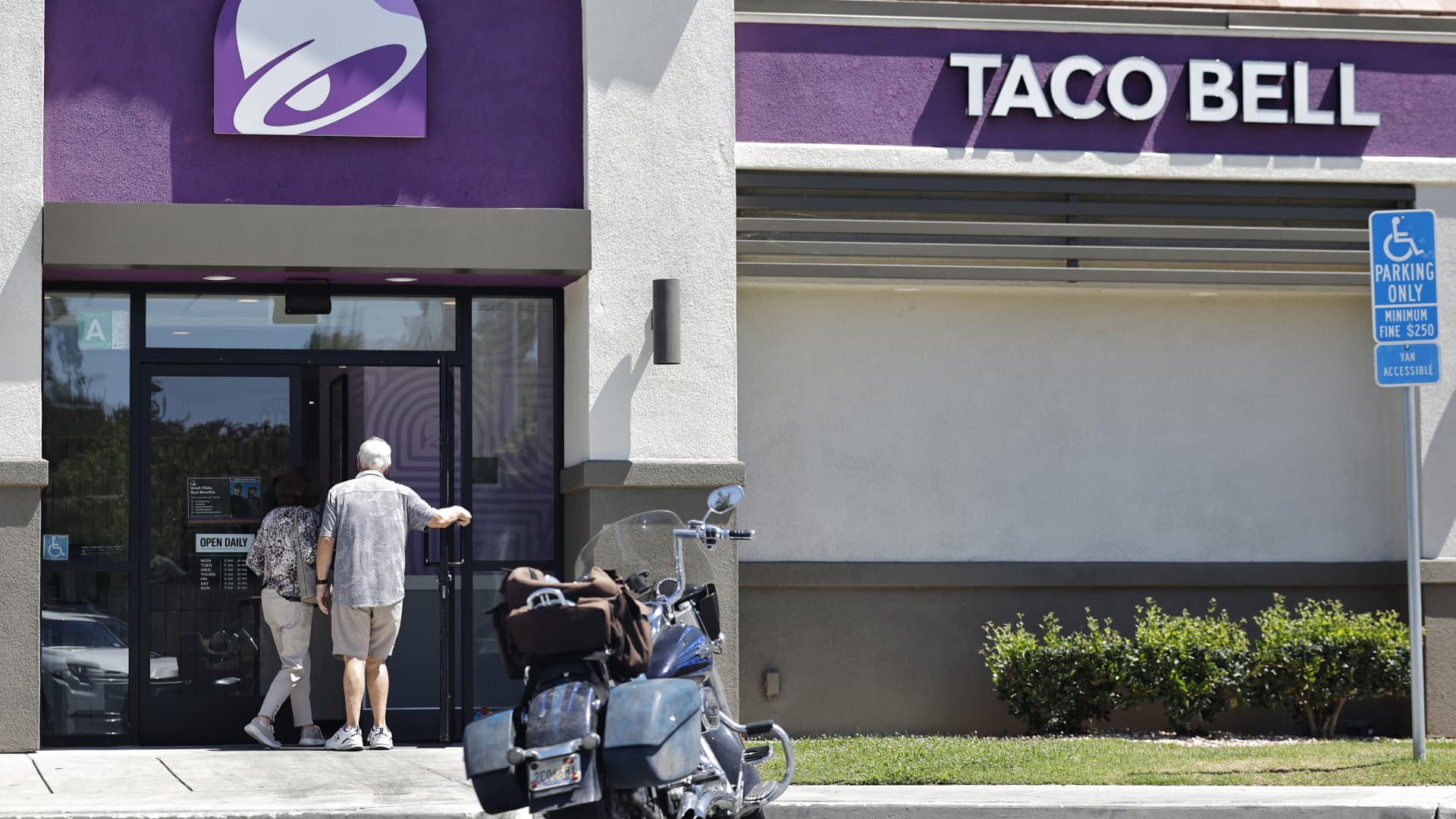
A recent cyclosporiasis outbreak tied to shredded iceberg lettuce served at several Taco Bell locations has sent minor tremors through the restaurant sector, leading to short-term stock dips for Yum Brands and other chains. Despite the initial market reaction, leading analysts are largely dismissing concerns of a prolonged impact, citing historical precedents and swift corporate responses as key mitigating factors.
🗝️ Corporate Strategy Insights
- Swift Remediation. Taco Bell’s immediate action to remove and replace affected ingredients nationwide demonstrates critical crisis management in safeguarding brand trust.
- Supply Chain Vulnerability. The incident highlights inherent risks in extensive fresh produce supply chains, impacting not only the primary brand but also other restaurants sharing common suppliers.
- Market Resilience. Historical data suggests consumers and investors have short memories for foodborne illness incidents, particularly when direct fatalities are avoided and the core product offering is unaffected.
More than 1,600 individuals across five U.S. states—Indiana, Kentucky, Michigan, Ohio, and West Virginia—have been affected by the cyclosporiasis outbreak, according to the Centers for Disease Control and Prevention (CDC). The infection, mimicking a severe stomach bug, typically manifests weeks after exposure. While no fatalities have been reported, the CDC’s investigation quickly pointed to shredded iceberg lettuce at Taco Bell, with the U.S. Food and Drug Administration (FDA) also investigating the supplier.
Following the news, Yum Brands (YUM), Taco Bell’s parent company, experienced a nearly 7% decline in its stock over five days. Other fresh-produce-focused restaurant chains, such as Sweetgreen (SG) and Cava (CAVA), also saw their shares drop by 13% and over 3% respectively, only to rebound as the CDC clarified their ingredients were not implicated. This initial investor caution underscores the market’s sensitivity to food safety issues, even those with regional impact. Analysts at TD Cowen and Evercore ISI project that this incident will likely be a one-quarter financial risk for Yum Brands, similar to past E. Coli outbreaks at McDonald’s (2024) and Wendy’s (2022). The swift recovery seen in those instances provides a template for Taco Bell’s potential trajectory.
- The implicated lettuce is reportedly traced back to supplier Taylor Farms, a company previously linked to a 2024 McDonald’s E. Coli outbreak, raising questions about broader supply chain oversight.
- Taco Bell’s proactive removal of the potentially impacted lettuce and commitment to replacing it within 24 hours nationally demonstrates an agile response strategy.
- Sweetgreen and Chipotle, through prompt public statements, confirmed their menus do not feature the specific ingredient, helping to allay investor and consumer fears.
The immediate impact translates into observable shifts, with recent data from Placer.ai indicating a nearly 6% drop in foot traffic for Taco Bell locations and over 7% for Panera Bread in affected areas. However, this localized demand slump is anticipated to be temporary. The strategic ripple effect extends beyond individual brands to the entire quick-service restaurant (QSR) sector, pushing companies to re-evaluate vendor relationships and internal food safety protocols. The spotlight now increasingly shifts from the restaurant brand to the upstream supplier, Taylor Farms, which faces a potential recall and significant reputational damage. This dynamic could compel restaurant operators to diversify suppliers or enhance their due diligence, thereby strengthening the food safety framework across the industry and influencing long-term company strategy.
“Our guess is that over the coming weeks this food safety issue fades from the headlines and, to the extent it lingers, attaches more to the supplier than to Taco Bell specifically,” Evercore ISI analysts noted, highlighting the expected shift in public and market perception.
Key indicators of the immediate market reaction:
- Yum Brands (YUM) Stock Drop: Nearly 7% decline over five days, signaling initial investor anxiety regarding brand reputation and potential sales impact.
- Sweetgreen (SG) and Cava (CAVA) Initial Dips: Plunged 13% and 3% respectively, reflecting broader market nervousness about fresh produce in QSR, before recovering.
- Taco Bell Foot Traffic: Down nearly 6% in the past week, according to Placer.ai data, indicating direct consumer response in affected regions.
Yum Brands’ Crisis Management & Operational Efficiency
Yum Brands’ response to the cyclosporiasis outbreak is a testament to the importance of robust crisis management protocols in the fast-food industry. The company’s immediate commitment to remove the supplier’s ingredient nationwide and replace it within 24 hours in affected states showcases operational agility. This rapid action is crucial for mitigating long-term brand damage and preserving consumer trust. For a global powerhouse like Yum, which operates thousands of restaurants under multiple banners, maintaining stringent food safety standards across a complex supply chain is a continuous strategic imperative. The ability to pivot quickly, communicate transparently with the public, and reassure franchisees is paramount to protecting its vast enterprise value and market leadership in the QSR space. This efficiency, as observed in previous industry incidents, often determines the duration and severity of financial fallout.
Taylor Farms: Supply Chain Vulnerability and Reputation
The recurring implication of Taylor Farms in foodborne illness outbreaks—previously linked to a 2024 E. Coli incident involving McDonald’s onions, and now the current cyclosporiasis outbreak—underscores significant vulnerabilities within the fresh produce supply chain. For suppliers operating at such scale, maintaining impeccable quality control and traceability is not merely an operational goal but a fundamental competitive moat. Each incident erodes trust not only with direct clients like Taco Bell but also across the broader restaurant and retail sectors that rely on their products. The pressure on Taylor Farms to overhaul its food safety protocols, potentially through advanced testing, enhanced sourcing, and improved cold chain logistics, will be immense. Their ability to regain the confidence of major restaurant chains will be critical for their long-term viability and market positioning, signaling potential shifts in supplier selection across the industry.
Navigating the Cyclosporiasis Outbreak: Taco Bell’s Path Forward
The immediate fallout from the cyclosporiasis outbreak, while disruptive, appears to be a transient challenge for Taco Bell and its parent company, Yum Brands. The established playbook for food safety scares, particularly those without fatalities and with clear links to a supplier, points towards a rapid recovery. For investors following stock markets, this incident reinforces the resilience of established brands against localized, temporary setbacks.
- Brand trust, once dented, can be quickly restored through transparent communication and swift operational remediation, as demonstrated by other industry players.
- The focus shifts from brand to supplier, positioning the incident more as a supply chain management test rather than a fundamental flaw in Taco Bell’s core offerings.
- Maintaining rigorous oversight of third-party suppliers is paramount for safeguarding a brand’s reputation and ensuring continuous operational efficiency.
Will this incident spur greater industry-wide investment in advanced food safety technologies and supplier auditing across the QSR sector?
### 📊 StockXpo Analyst’s View
Market Impact: This cyclosporiasis outbreak serves as a stress test for the QSR sector’s resilience and crisis management capabilities. Investor sentiment around Yum Brands has shown short-term volatility, but the overall market appears to discount a lasting impact, especially given the rapid corporate response and historical precedents. The incident will likely reinforce the importance of supply chain transparency and diversification.
Sector To Watch: Beyond the immediate restaurant chains, the fresh produce supply sector will face increased scrutiny. Companies providing food safety technology and advanced tracing solutions could see a bump in demand as large buyers like Yum Brands seek to fortify their supply chains against future contamination risks. This could be a pivotal moment for innovation in agricultural supply chain integrity.
Financial Disclaimer:
StockXpo.com is a financial news aggregator and educational portal, not a registered investment advisor or broker-dealer. All information, news, and analysis provided herein are strictly for educational purposes and do not constitute investment, financial, legal, or tax advice. Investing in the stock market involves high risks, and past performance is not indicative of future results. StockXpo will not be liable for any financial losses or investment damages. Always consult a certified financial advisor before making market decisions.
MORE IN INSIDE BUSINESS
Saudi Arabia Flight Decision: Delta Weighs Safety Amid Regional Tensions
Published: Friday, October 9, 2026 · 7:21 AM
Skydance Vertical Win: Ellison’s Bold Strategy for Media Dominance
Published: Thursday, October 8, 2026 · 12:44 PM


