Published: Wednesday, July 15, 2026 · 3:54 PM | Updated: Wednesday, July 15, 2026 · 3:54 PM
📊 236 views




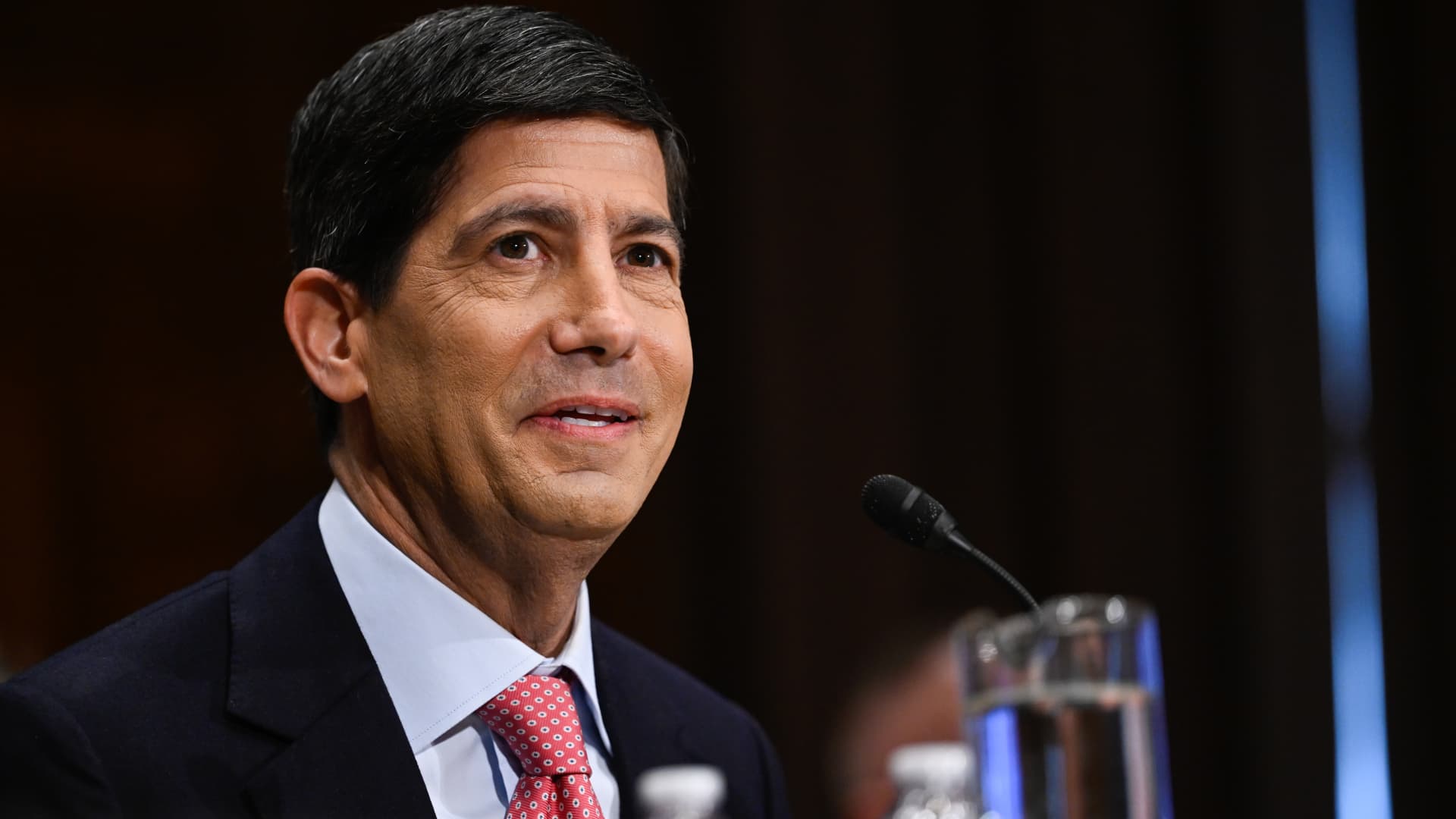
Federal Reserve Chairman Kevin Warsh faced the Senate Banking Committee today, reiterating the central bank’s unwavering commitment to combating inflation amidst persistent economic questions. His testimony offers critical insights into the Fed’s monetary policy trajectory and its potential impact on interest rates and broader market stability.
💰 Financial Strategy & Market Insights
- Inflation Battle Confirmed. Warsh reaffirmed the Fed’s primary focus on curbing inflation, signaling continued vigilance in monetary policy.
- Interest Rate Scrutiny. Legislators pressed on the future direction of interest rates, a key factor for asset valuation and borrowing costs across sectors.
- Policy Consistency. Despite calls for comments on fiscal matters, Warsh stressed the Fed’s independent mandate, emphasizing a data-driven approach.
On Wednesday, Federal Reserve Chairman Kevin Warsh testified before the Senate Banking Committee, following an appearance before the House Financial Services Committee the previous day. The core message from Kevin Warsh remains consistent: the Federal Reserve is steadfast in its commitment to fighting inflation, a critical factor influencing both consumer purchasing power and investment decisions. His remarks, while providing few explicit clues on immediate monetary policy shifts, underscored a strategic focus on price stability.
Warsh’s testimony comes at a pivotal time, with markets closely watching every signal regarding interest rate movements. The central bank leader skillfully navigated questions from senators, largely avoiding direct comments on fiscal or political issues and instead emphasizing the Fed’s assigned responsibilities. This careful posture is crucial for maintaining the institution’s independence and credibility in a highly scrutinized environment. Broader market analysis indicates that investor sentiment is highly sensitive to Federal Reserve communications, particularly concerning inflation and interest rate outlooks.
Recent reports, including discussions surrounding previous Fed meeting minutes, have highlighted an ongoing ‘family fight’ among policymakers regarding the optimal path for interest rates. This internal debate, though not directly addressed by Warsh in detail during this testimony, points to the complexities of steering economic policy in a volatile global landscape. The Chairman’s recent pledge for a ‘regime change’ to eliminate the ‘inflation tax’ on American citizens, as reported by CNBC, suggests a long-term, structural approach to restoring price stability.
- The Federal Reserve’s commitment to disinflation remains paramount.
- Future interest rate adjustments hinge on incoming economic data.
- The Fed aims to avoid entanglement in fiscal policy debates, focusing solely on its mandate.
- Capital shifts could be influenced by long-term inflation expectations and the perceived effectiveness of Fed policies.
Weighing the Financial Risks and Rewards
Investors navigating the current economic environment must weigh potential upside opportunities against persistent downside risks:
- Upside:
- Clearer Policy Path: A firm commitment to fighting inflation could lead to long-term price stability, fostering a more predictable environment for corporate planning and investment.
- Potential for Soft Landing: Effective monetary policy could curb inflation without triggering a deep recession, allowing for continued economic growth.
- Asset Revaluation: Reduced inflation expectations may lead to a re-evaluation of long-duration assets, potentially boosting fixed-income and growth equities.
- Downside Risks:
- Over-tightening Risk: An aggressive stance on rates could slow economic activity more than anticipated, increasing recessionary pressures and impacting corporate earnings.
- Policy Miscommunication: Any perceived ambiguity or mixed signals from the Fed could lead to global financial markets volatility and uncertainty.
- Persistent Inflation: If inflation proves more entrenched than anticipated, the Fed may need to maintain higher rates for longer, dampening market sentiment and increasing borrowing costs.
Monetary policy refers to the actions undertaken by a central bank, like the Federal Reserve, to influence the availability and cost of money and credit to help promote national economic goals. In this context, the Fed’s primary tools—adjusting the federal funds rate and quantitative measures—directly impact market liquidity by influencing commercial banks’ reserves and, consequently, their lending capacity. A hawkish stance typically tightens liquidity, while a dovish stance aims to expand it, with profound implications for asset valuation across the board in the financial sector.
Navigating Global Liquidity Shifts
The Fed’s inflation-fighting posture under Kevin Warsh directly influences global liquidity conditions. When the Federal Reserve signals a commitment to higher interest rates or maintains a restrictive stance, it tends to strengthen the dollar, attracting capital flows into U.S. markets and potentially tightening liquidity in other economies. This dynamic can affect asset valuation internationally, as foreign investors weigh the yield differential and currency risk. Observing these shifts is crucial for understanding broader capital movements and their impact on various asset classes, from emerging market bonds to international equities.
Yield Curve Dynamics Under Scrutiny
The yield curve—a graphical representation of the interest rates on bonds of different maturities—is a key indicator of market sentiment and future economic expectations. Warsh’s emphasis on inflation and interest rates inevitably puts the yield curve under greater scrutiny. A flattening or inverted yield curve often signals investor concerns about future economic growth and potentially impending recessions, as short-term rates rise relative to long-term rates. Conversely, a steepening curve might indicate expectations of stronger economic expansion or higher inflation. Monitoring these dynamics offers crucial educational financial insights into the market’s collective forecast for the economy and the long-term impact of current monetary policy decisions.
Kevin Warsh’s Inflation Strategy: What’s Next for Markets?
Fed Chairman Kevin Warsh’s consistent message on fighting inflation sets a clear, albeit challenging, path for monetary policy. While immediate rate clues were scarce, the long-term commitment to price stability underpins the Fed’s approach to the economy. This stance shapes investor expectations, asset valuations, and risk management strategies across financial markets.
- Markets will continue to closely monitor economic data, especially inflation reports and employment figures, for cues on the Fed’s next moves.
- The internal debate within the Fed on rate policy suggests potential for varied opinions but a unified goal of inflation control.
- Long-term investors should prepare for a persistent focus on disinflation, which could influence sector-specific performance and capital allocation.
How will latest financial news reflect global market adaptation to the Federal Reserve’s enduring battle against inflationary pressures?
📊 StockXpo Analyst’s View
Market Impact: Warsh’s testimony reinforces a potentially prolonged period of higher-for-longer interest rates, dampening liquidity in certain segments while favoring defensive assets. This focus on inflation control, while necessary, implies continued vigilance for investors against over-optimistic growth projections.
Sector To Watch: The financial sector, particularly banking and insurance, could see improved net interest margins in a sustained higher-rate environment, assuming credit quality remains stable. Conversely, highly leveraged growth sectors might face headwinds as borrowing costs increase, making prudent risk management paramount.
Financial Disclaimer:
StockXpo.com is a financial news aggregator and educational portal, not a registered investment advisor or broker-dealer. All information, news, and analysis provided herein are strictly for educational purposes and do not constitute investment, financial, legal, or tax advice. Investing in the stock market involves high risks, and past performance is not indicative of future results. StockXpo will not be liable for any financial losses or investment damages. Always consult a certified financial advisor before making market decisions.
MORE IN INSIDE FINANCE

China’s Real Estate Market: A Potential Turnaround Amid Policy Shifts
Published: Thursday, October 8, 2026 · 6:10 AM

Fed Rate Hike Looms: What Fed Minutes Signal for Asset Valuation Shifts
Published: Wednesday, October 7, 2026 · 2:47 PM