Published: Wednesday, July 15, 2026 · 1:15 PM | Updated: Wednesday, July 15, 2026 · 1:15 PM
📊 229 views




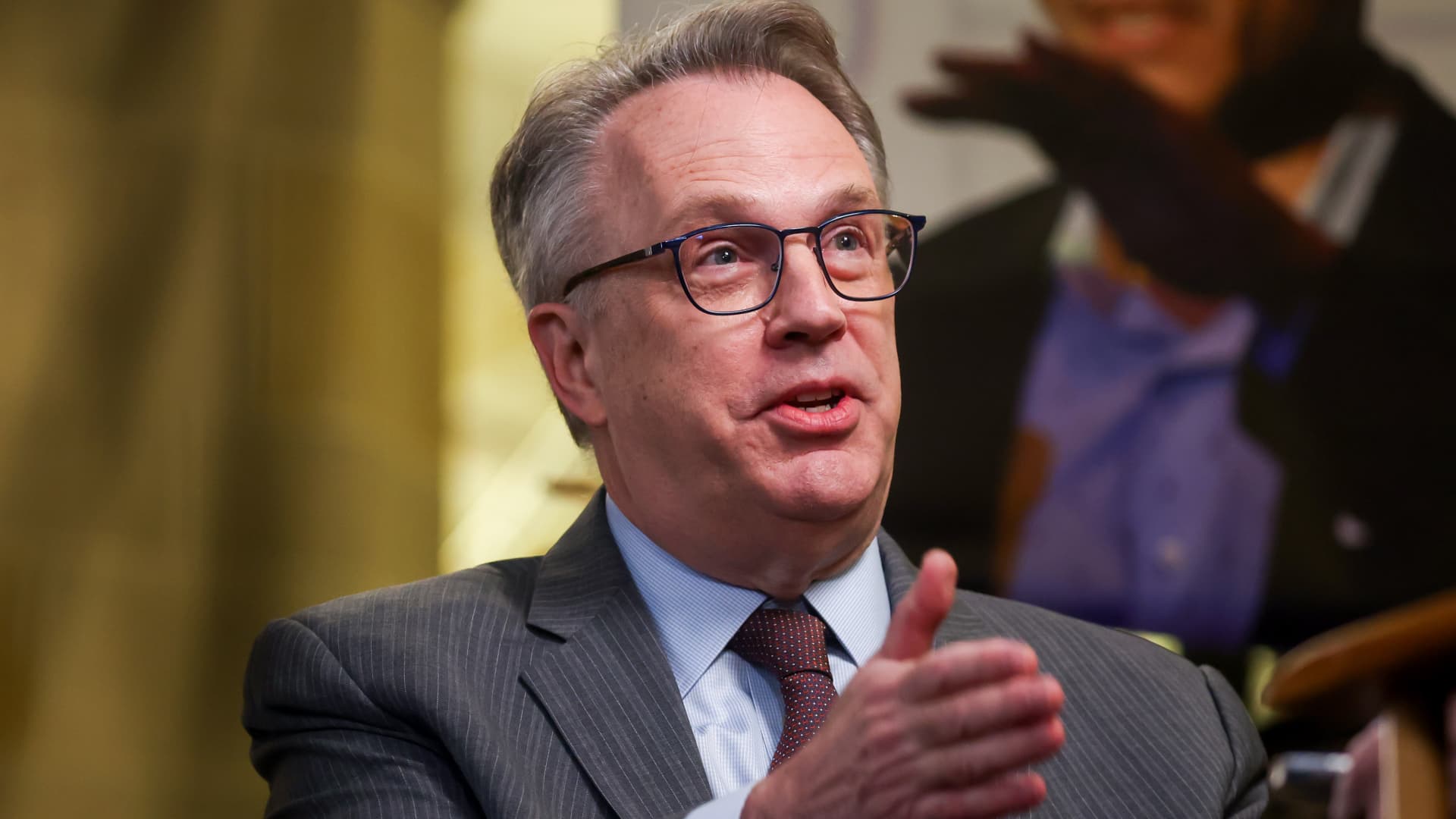
New York Federal Reserve President John Williams declared on Wednesday that inflation peaked, offering a notably more sanguine perspective on price pressures than prevailing market sentiment. This assessment suggests the central bank’s current monetary policy is “well positioned” to navigate inflation back to its elusive 2% target, even as financial markets anticipate further rate adjustments.
💰 Financial Strategy & Market Insights
- Fed’s Peak Inflation Call. President Williams provided five reasons for his conviction that inflationary pressures have receded, including easing geopolitical impacts on oil and stabilizing technology investment.
- Divergent Market Expectations. Despite Williams’ dovish remarks, futures markets largely price in a September rate hike, and a narrow majority of FOMC members in June foresaw one additional increase by year-end.
- Asset Valuation & Risk Management. A stable rate environment, if Williams’ forecast holds, could re-rate growth assets positively but introduces considerable risk for portfolios positioned for aggressive monetary tightening.
President Williams’ assertion that inflation peaked marks a significant pivot in rhetoric, contrasting sharply with the hawkish undertones from other Fed officials and market participants. Speaking to business leaders, Williams meticulously outlined five core reasons for his belief, painting a picture of receding inflationary impulses. Key among these factors is the expected stabilization of oil prices, which spiked following the U.S. and Israel’s actions against Iran in late February, alongside the waning impact of tariffs. He also highlighted that accelerated artificial intelligence investments, while a contributor to recent price dynamics, would see “imbalances” recede as supply catches up.
This optimistic forecast from the New York Fed President comes despite recent data revealing consumer prices unexpectedly dropped 0.4% in June, pushing the annual inflation rate down to 3.5%. While the largest one-month decline since April 2020, it still leaves the Fed considerably short of its 2% target. Fed Chairman Kevin Warsh himself cautioned against premature celebrations, stating the drop was “not a mission accomplished” moment, as reported by Bloomberg’s market analysis.
Williams projects overall inflation to decelerate to approximately 3.25% by the close of the year, with a steady decline towards the 2% target by 2027 and achievement by 2028. This long-term glide path hinges on the premise that the labor market is not a source of inflation and that inflation expectations remain “well-anchored,” affording the Federal Reserve policy makers crucial breathing room.
- The immediate market reaction to such dovish signals often involves shifts in short-term interest rate futures, influencing everything from corporate borrowing costs to consumer lending.
- The divergence between Williams’ sentiment and market pricing underscores the current uncertainty in forecasting the Fed’s next moves, prompting investors to re-evaluate their exposure to interest-rate-sensitive assets.
Yet, the market’s skepticism is palpable. Futures contracts indicate a strong probability of a rate hike as early as September, and a slender majority of Williams’ colleagues on the Federal Open Market Committee (FOMC) penciled in one quarter-percentage-point increase by year-end during their June meeting, as detailed in recent financial sector reports. This creates a challenging environment for capital allocation, where asset valuation is highly sensitive to subtle shifts in monetary policy expectations. Investors looking for deeper educational financial insights might consider how differing Fed views impact sector rotation strategies and broader trends in the financial sector.
Navigating the Economic Crosscurrents: Risk vs. Reward
- Upside Potential: If Williams’ forecast for sustained disinflation proves accurate, a prolonged pause in rate hikes could foster robust economic growth, particularly benefiting growth-oriented equities and technology sectors. Increased market liquidity due to stable borrowing costs might also encourage corporate investment and M&A activity.
- Downside Risks: Should inflation prove stickier than anticipated, the Fed might be forced into more aggressive tightening, potentially triggering market volatility, a correction in asset prices, and a slowdown in economic activity. Geopolitical tensions, particularly in energy markets, remain a wild card, capable of re-igniting price pressures regardless of domestic policy.
The concept of ‘well-anchored inflation expectations’ refers to a situation where the public and businesses broadly believe that the central bank will keep inflation close to its target over the long term. This confidence is crucial because it prevents a self-fulfilling prophecy of rising prices, giving policymakers more flexibility in their rate decisions without triggering wage-price spirals or demands for higher wages that feed inflationary cycles.
Key Inflationary Projections & Recent Data
- Projected Year-End 2026 Inflation: ~3.25% (Williams’ forecast)
- Federal Reserve’s Target Inflation Rate: 2.0% (expected by 2027-2028)
- June Consumer Price Index (MoM): -0.4% (unexpected sharp drop)
- Annual Inflation Rate (June): 3.5% (still above target)
Capital Market Liquidity Dynamics
The New York Fed President’s remarks could significantly influence capital market liquidity. A perceived end to the rate hike cycle typically frees up capital, as the opportunity cost of holding cash decreases relative to investing in riskier assets. This scenario could lead to increased trading volumes and tighter bid-ask spreads in equity and bond markets. However, the market’s divergent view on future hikes suggests that liquidity might remain somewhat constrained by uncertainty, with investors hesitant to commit large sums until a clearer policy path emerges. The flow of funds could be uneven, favoring specific sectors or asset classes that are seen as beneficiaries of either a stable rate environment or continued disinflationary trends.
Fixed Income Yield Curve Signals
Williams’ forecast, if widely accepted, carries profound implications for the fixed income market and the shape of the yield curve. A belief that inflation peaked would likely lead to a flattening or even steepening of the yield curve, as short-term yields react less to anticipated rate hikes, while long-term yields potentially rise on expectations of stronger economic growth in a stable inflation environment. Currently, an inverted or very flat yield curve reflects market apprehension about future growth and inflation. Any firm signal of disinflation without an imminent recession could alleviate these concerns, shifting capital flows from short-term safe havens into longer-duration assets, thereby influencing bond valuations and overall market risk appetite for market analysis.
The Ripple Effect of New York Fed’s Inflation Peaked Call
New York Fed President John Williams’ declaration that inflation has peaked marks a pivotal moment, offering a potentially more dovish outlook than the market currently discounts. His assessment, citing a confluence of easing supply-side pressures and stable inflation expectations, suggests a path toward the Fed’s 2% target without immediate further rate increases. This perspective, however, stands in stark contrast to prevailing market sentiment and some of his FOMC colleagues.
- The immediate future will test the veracity of Williams’ optimistic inflation forecast against persistent market skepticism.
- Investors face a complex decision, balancing the potential for a stable rate environment against the risk of renewed inflationary pressures or continued Fed tightening.
- Asset allocation strategies must account for this policy divergence, potentially favoring nimble approaches over rigid, long-term bets.
Will Williams’ conviction lead the market to adjust its hawkish expectations, or will economic data force the Fed to reconsider its “well positioned” stance?
📊 StockXpo Analyst’s View
Market Impact: President Williams’ remarks provide a crucial data point for investors assessing future monetary policy. While the market is still pricing in a rate hike, a senior Fed official’s dovish pivot could temper aggressive tightening bets, potentially easing financial conditions and boosting risk assets, albeit cautiously. This creates a liquidity environment characterized by watchful waiting, where sudden shifts in data could trigger significant re-pricing.
Sector To Watch: Technology and growth stocks, which are particularly sensitive to interest rate expectations, could see renewed interest if the prospect of stable or lower rates gains traction. Conversely, defensive sectors and value stocks might experience some rotation if a ‘soft landing’ scenario becomes more plausible, challenging traditional safe-haven plays.
Financial Disclaimer:
StockXpo.com is a financial news aggregator and educational portal, not a registered investment advisor or broker-dealer. All information, news, and analysis provided herein are strictly for educational purposes and do not constitute investment, financial, legal, or tax advice. Investing in the stock market involves high risks, and past performance is not indicative of future results. StockXpo will not be liable for any financial losses or investment damages. Always consult a certified financial advisor before making market decisions.
MORE IN INSIDE FINANCE

Fed Rate Hike Looms: What Fed Minutes Signal for Asset Valuation Shifts
Published: Wednesday, October 7, 2026 · 2:47 PM

Diesel Prices: Goldman Sachs Predicts Sustained Highs Through 2027 Amid Refinery Volatility
Published: Tuesday, October 6, 2026 · 6:03 AM