Published: Wednesday, July 15, 2026 · 1:16 PM | Updated: Wednesday, July 15, 2026 · 1:16 PM
📊 232 views




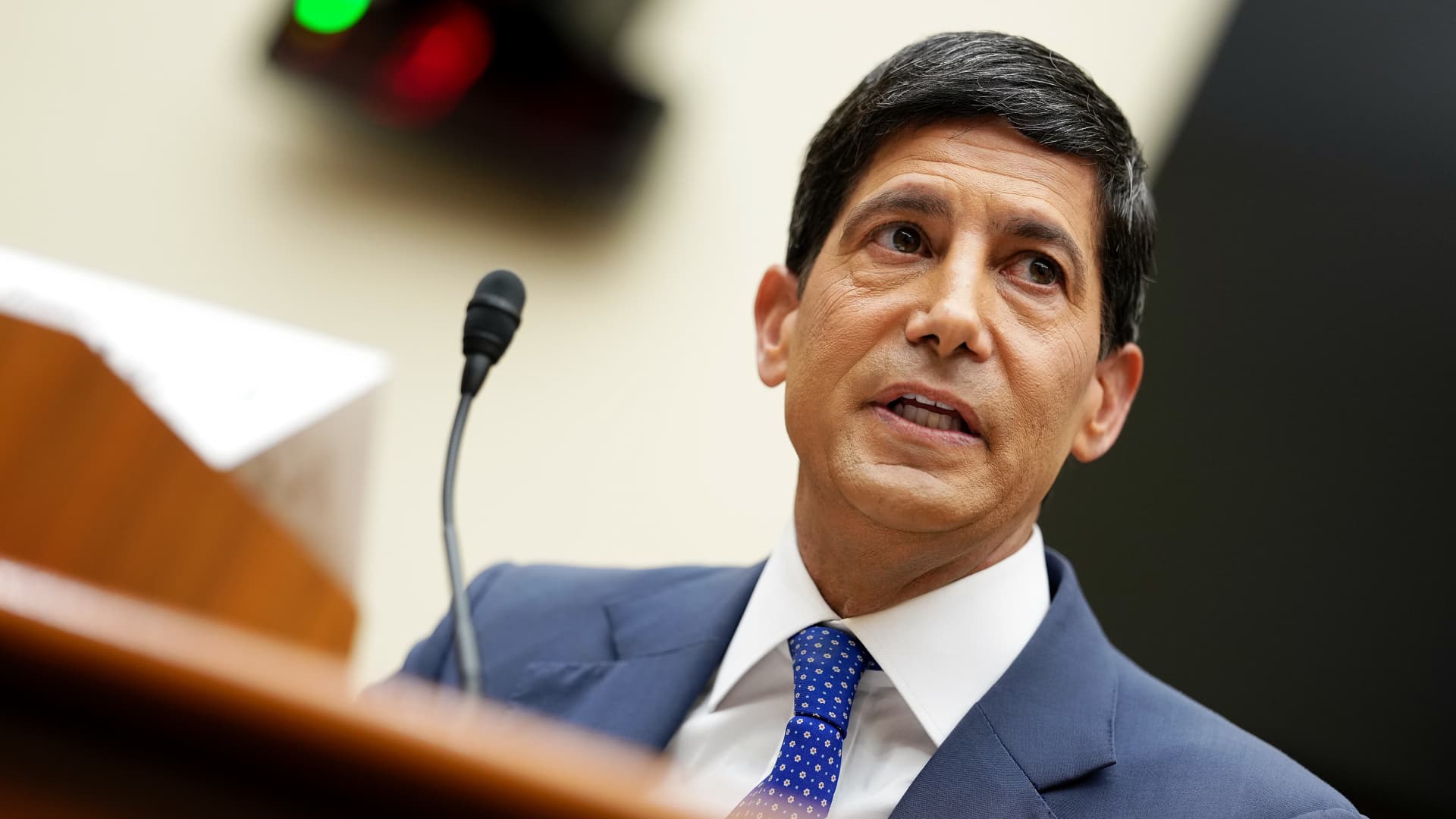
Warren Buffett, the renowned investor, has publicly endorsed President Trump’s selection of Kevin Warsh Fed Chair, citing his potential to achieve the central bank’s dual mandate. This statement comes as Warsh initiates a ‘regime change’ in monetary policy, particularly focusing on battling inflationary pressures and redefining the Federal Reserve’s operational framework.
💰 Financial Strategy & Market Insights
- Buffett’s Confidence in Warsh. The Oracle of Omaha’s backing lends significant credibility to the new Fed chair’s agenda, potentially reassuring markets about the stability of future monetary policy leadership.
- Monetary Policy Regime Shift. Warsh’s commitment to tackling inflation and outlining changes to the central bank’s approach signals a decisive pivot, impacting interest rate expectations and asset valuations.
- Implications for Asset Valuations. A stricter stance on inflation could lead to higher real interest rates, potentially repricing risk assets and favoring value-oriented investments over growth stocks.
The appointment of Kevin Warsh as Federal Reserve Chairman marks a pivotal moment for U.S. monetary policy, drawing immediate praise from influential figures like Warren Buffett. Buffett, in an interview with CNBC’s Becky Quick, described Warsh as a ‘good choice,’ emphasizing his dedication to the Fed’s primary goals of 2% inflation and maximum employment. This commendation from such a respected investor underlines the market’s close watch on the new leadership’s direction, especially given Warsh’s assertive moves since taking the helm in May after his nomination by President Donald Trump and confirmation by Congress.
Warsh’s initial actions have been notable. At his first meeting in June, he opted to hold interest rates steady, a decision widely anticipated but accompanied by crucial clarifications regarding the central bank’s evolving operational framework. More significantly, in recent Congressional testimony, Warsh explicitly promised a ‘regime change’ in Fed policy, underscoring a renewed commitment to combating inflation—a pledge that resonates with current market concerns over rising consumer prices and their potential impact on long-term economic stability. This shift is crucial for understanding broader market analysis.
The sentiment from Buffett highlights the inherent challenges of central bank leadership. ‘He can’t be perfect at it, and just like I know I couldn’t be perfect at taking people’s money and earning super returns on it,’ Buffett stated, acknowledging the complexities of the role. This perspective provides a grounded view on the immense responsibilities facing the central bank’s decisions under Warsh, particularly as he prepares for further testimony before the Senate Banking Committee.
- Policy Direction: Warsh has signaled a clear intent to prioritize inflation control, moving towards a more proactive stance that could diverge from previous monetary frameworks.
- Market Response: Initial market reactions indicate a cautious optimism, with investors assessing how a stricter inflation mandate might influence bond yields, equity valuations, and overall economic growth projections.
- Political Backing: Endorsements from figures like Buffett, alongside Presidential nomination and Congressional confirmation, provide a strong political mandate for Warsh’s policy agenda.
Navigating the Tides: Risk vs. Reward in Warsh’s Era
- Upside Potential:
- Inflation Control: Successful containment of inflation could stabilize purchasing power and foster sustainable economic growth.
- Policy Credibility: A decisive and clear policy framework under Warsh could enhance the Fed’s credibility and reduce market uncertainty.
- Asset Rebalancing: Higher real rates could encourage a shift from speculative assets to value investments, creating new opportunities.
- Downside Risks:
- Economic Slowdown: Aggressive inflation-fighting measures, such as rapid rate hikes, could inadvertently cool economic activity too much, risking recession.
- Market Volatility: Shifts in monetary policy, especially unexpected ones, can trigger significant volatility across equity, bond, and currency markets.
- Unintended Consequences: A ‘regime change’ could have unforeseen impacts on specific sectors or global capital flows, requiring careful navigation from financial firms and financial sector participants.
Regime Change (Monetary Policy): In central banking, a ‘regime change’ refers to a significant, often deliberate, alteration in the fundamental operating principles, goals, or framework of monetary policy. For investors, this implies a departure from previous patterns of interest rate setting, quantitative easing/tightening, or inflation targeting, necessitating a re-evaluation of asset valuation models and risk premiums.
Key Policy Shifts Under the New Fed Chair
While specific verifiable financial metrics for Warsh’s tenure are still developing, his initial policy shifts and statements provide clear indicators for market participants:
- Interest Rate Stance: Maintained steady rates in June, signaling a measured approach but with an underlying hawkish tilt towards inflation.
- Inflation Targeting: Pledged a rigorous commitment to bringing inflation to the 2% target, emphasizing it will be ‘a thing of the past.’ This focus suggests potential for faster or more sustained rate adjustments if inflation persists.
- Approach to Employment: While committed to maximum employment, the rhetoric indicates a possible re-weighting of priorities, with inflation control potentially gaining greater precedence in the near term, a critical aspect for educational financial insights.
Market Sentiment Tracker: Gauging Investor Confidence
Market sentiment regarding the new Kevin Warsh Fed Chair leadership is complex, reflecting both the confidence inspired by Buffett’s endorsement and the uncertainty surrounding a new policy regime. While long-term investors generally welcome a clear commitment to price stability, the immediate term could see increased volatility as markets adjust to the implied path of interest rates and liquidity. Bond markets, in particular, are keenly watching for any signals of accelerated tightening, which could impact treasury yields and corporate borrowing costs. Equity markets, conversely, are weighing the benefit of controlled inflation against the risk of slower economic growth, potentially leading to sector rotations. This dynamic interplay underscores the importance of a nuanced approach to asset allocation, as highlighted by expert financial analysis from sources like Reuters.
The Ripple Effect of Kevin Warsh Fed Chair on Global Capital
The appointment of Kevin Warsh as Fed Chair and his subsequent policy declarations are set to cast a long shadow over global capital flows and asset valuations. His commitment to a ‘regime change’ in combating inflation implies a potentially stronger dollar and higher U.S. real yields, which could draw capital away from emerging markets and impact commodity prices. This shift demands careful monitoring from international investors.
- Stronger U.S. dollar due to potential for higher rates.
- Re-evaluation of global fixed income portfolios as U.S. yields adjust.
- Increased scrutiny on international trade balances and currency stability.
How will global markets re-align to a more hawkish U.S. monetary policy stance?
📊 StockXpo Analyst’s View
Market Impact: The market is digesting the implications of a Fed chair who explicitly signals a ‘regime change’ focused on inflation. This proactive stance, while potentially leading to short-term volatility in rate-sensitive assets, is ultimately seen as a long-term positive for stability. Expect a flight to quality and re-evaluation of growth stock valuations versus more defensive or value-oriented sectors.
Sector To Watch: Financials, particularly banks, stand to benefit from rising interest rates and a steeper yield curve. Conversely, highly leveraged companies and segments heavily reliant on low borrowing costs, such as certain technology or growth stocks, may face headwinds. Investors should also monitor commodity markets for reactions to potential dollar strength.
Financial Disclaimer:
StockXpo.com is a financial news aggregator and educational portal, not a registered investment advisor or broker-dealer. All information, news, and analysis provided herein are strictly for educational purposes and do not constitute investment, financial, legal, or tax advice. Investing in the stock market involves high risks, and past performance is not indicative of future results. StockXpo will not be liable for any financial losses or investment damages. Always consult a certified financial advisor before making market decisions.
MORE IN INSIDE FINANCE

Fed Rate Hike Looms: What Fed Minutes Signal for Asset Valuation Shifts
Published: Wednesday, October 7, 2026 · 2:47 PM

Diesel Prices: Goldman Sachs Predicts Sustained Highs Through 2027 Amid Refinery Volatility
Published: Tuesday, October 6, 2026 · 6:03 AM