Published: Wednesday, July 15, 2026 · 12:43 PM | Updated: Wednesday, July 15, 2026 · 12:43 PM
📊 269 views




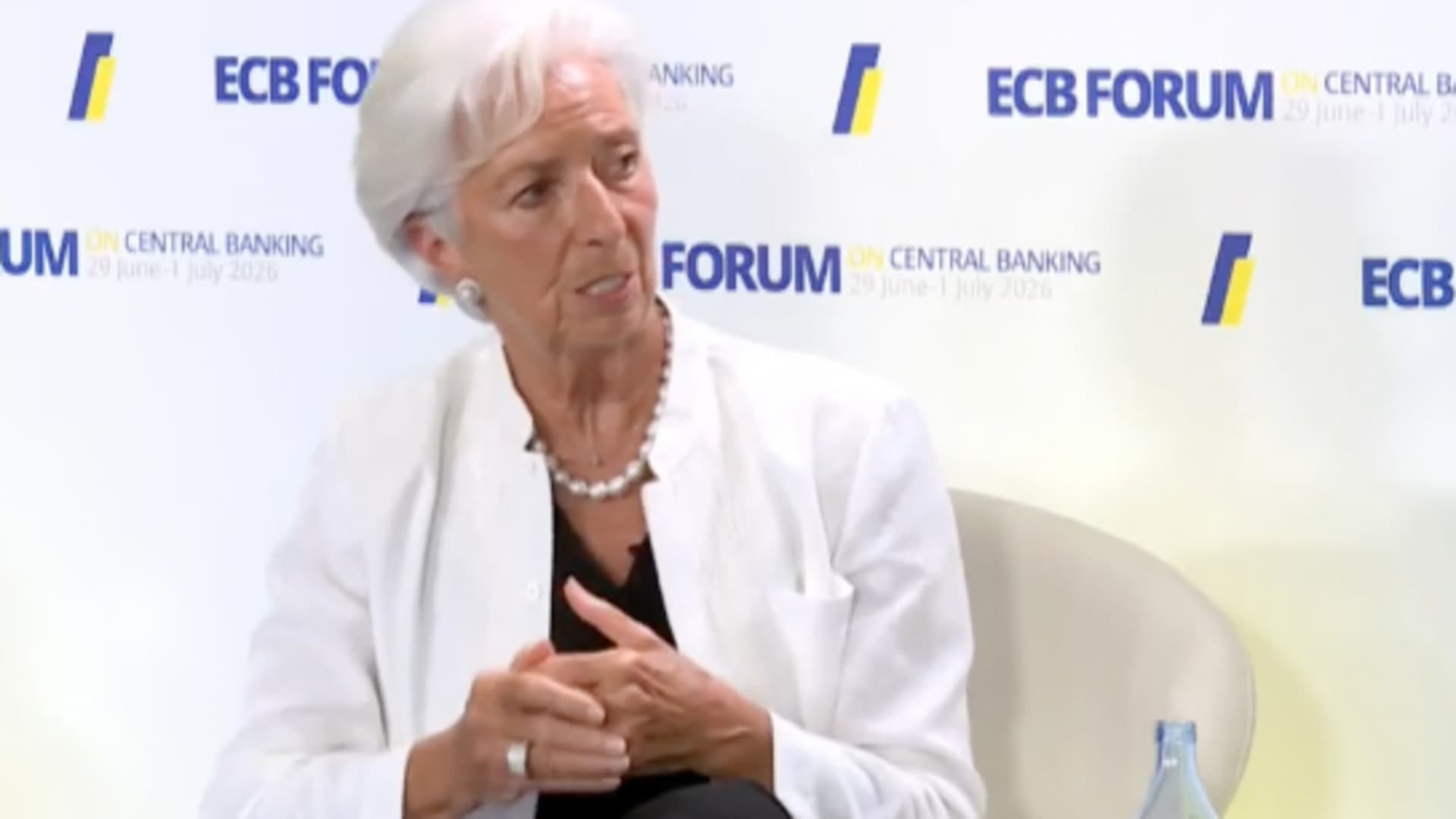
The renewed outbreak of Hormuz hostilities between the U.S. and Iran has sent global oil prices surging, dramatically altering the European Central Bank’s immediate monetary policy outlook. This geopolitical tremor introduces significant inflation risks to an already fragile Eurozone economy, forcing policymakers to weigh stability against recessionary pressures.
📊 Macro-Economic Strategic Insights
- Geopolitical Instability. Renewed U.S.-Iran conflict in the Strait of Hormuz has triggered a sharp rise in Brent crude prices, impacting global energy markets.
- ECB Policy Dilemma. The European Central Bank faces pressure to hike rates to counter inflation from energy costs, despite recent economic contraction and data lags for upcoming decisions.
- Inflationary Pressures. Eurozone inflation, after easing slightly, risks re-acceleration due to higher energy prices, challenging the ECB’s 2% target and market expectations.
The recent resurgence of Hormuz hostilities, marked by consecutive days of strikes between the U.S. and Iran, has thrust global oil prices into an ‘extremely volatile’ state, as noted by Bundesbank President Joachim Nagel. This geopolitical tension, particularly concerning the strategically vital Strait of Hormuz, has driven international benchmark Brent crude futures above $85 per barrel, a significant jump from around $70 just last week. For the Eurozone, which imported 57% of its energy needs in 2024, such a surge in energy costs directly fuels inflationary pressures and complicates an already delicate macroeconomic trends.
The European Central Bank, after a period of aggressive rate cuts in the first half of 2025 that saw its key deposit rate fall to 2%, was forced to reverse course last month with a 25 basis point hike to 2.25%. This policy shift followed an acceleration of headline inflation to 3.2% in May, initially driven by earlier geopolitical events. While June saw a slight easing to 2.8% and core inflation remained contained at 2.4%, the renewed spike in energy prices threatens to reignite broad inflationary trends. The challenge for the ECB is compounded by the fact that crucial Q2 GDP and July inflation data will not be available until after their July 22 policy meeting, leaving them to navigate significant uncertainty.
Policymakers like Nagel emphasize a vigilant stance, advising caution but decisive action if necessary. The balancing act is precarious: an overly restrictive monetary policy to curb inflation could push the Eurozone, which contracted by 0.2% year-on-year in Q1 2026, further into recession. ING rates strategists Michiel Tukker and Benjamin Schroeder highlight that while upcoming inflation data is pivotal, it may not alleviate concerns over ‘second-round risks,’ suggesting Europe’s inflation peak might still be ahead, unlike the perceived downward trend in U.S. inflation.
The global economy shifts underscore the ECB’s unique position, necessitating a nuanced approach to safeguard both price stability and systemic growth amidst persistent external shocks. Market participants are already repricing, with some anticipating two more 25 basis point hikes by next spring, pushing the key deposit rate to 2.75%.
The Economic Ripple Effect of Escalating Tensions
- Renewed Hormuz Hostilities & Oil Price Spike → Increased Energy Costs for Eurozone → Higher Production Costs for Businesses → Elevated Consumer Price Inflation → ECB Pressure for Rate Hikes → Risk of Economic Slowdown/Recession.
‘Second-round effects’ in inflation refer to when initial price increases, such as those from energy shocks, lead to broader price and wage adjustments across the economy. If higher energy costs translate into demands for higher wages or businesses passing on costs to consumers in other sectors, inflation becomes more entrenched and harder for central banks to control without significant economic tightening.
Eurozone Key Economic Metrics to Watch
- ECB Key Deposit Rate: 2.25% (after latest 25bps hike). Reflects the central bank’s stance on monetary policy.
- Eurozone Headline Inflation (May): 3.2% (peak). Indicates the overall rate of price increases in the economy.
- Eurozone Headline Inflation (June Est.): 2.8%. Shows a slight easing before the latest oil price surge.
- Brent Crude Oil Price: >$85/barrel (current). A critical input cost for the energy-import dependent Eurozone.
- Eurozone Q1 2026 GDP Growth: -0.2% (year-on-year contraction). Highlights the fragility of economic activity.
Eurozone Inflationary Risks
The renewed threat from rising energy prices poses a significant challenge to the ECB’s ability to steer the Eurozone towards its 2% inflation target. While core inflation has shown resilience, the inherent vulnerability of the region to external energy shocks means that headline figures could quickly diverge upwards. This structural dependence on imported oil necessitates a careful calibration of monetary policy, balancing the imperative to anchor inflation expectations against the risk of stifling nascent economic recovery. Austrian central bank chief Martin Kocher’s focus on aligning monetary policy with inflation expectations underscores this delicate balance.
Global Benchmarking of Monetary Policy
The divergence in inflationary trajectories between the Eurozone and the U.S., as highlighted by ING strategists, presents a unique challenge for global financial markets. While the Federal Reserve may see a downward momentum in U.S. inflation, Europe’s potential for further energy-driven price surges could lead to distinct policy paths. This disparity could impact currency valuations, capital flows, and bond yields, making economic policy assessments more complex for international investors trying to gauge relative central bank hawkishness and macro-stability across regions.
Hormuz Hostilities: Navigating the ECB’s Tightrope Walk
The escalating Hormuz hostilities have thrust the ECB into a difficult position, requiring it to decide on monetary policy without the benefit of fresh economic data. The central bank’s next steps will be critical in managing inflationary pressures while simultaneously trying to avoid pushing the Eurozone into a deeper recession.
- ECB faces intense pressure to raise rates to counter oil-driven inflation.
- Economic contraction in Q1 2026 makes aggressive tightening risky.
- Market re-pricing suggests further hikes anticipated despite current uncertainties.
How will the ECB balance its inflation-fighting mandate against the imperative for systemic growth amidst persistent geopolitical instability?
📊 StockXpo Analyst’s View
Market Impact: The renewed uncertainty from Hormuz hostilities and rising oil prices is likely to induce volatility in European bond markets and equity indices, particularly those sensitive to energy costs. Investor sentiment may turn more cautious as the prospect of prolonged high inflation and potential ECB tightening looms, potentially impacting corporate earnings visibility and stock markets.
Sector To Watch: The energy sector will undoubtedly benefit from sustained high oil prices, while sectors heavily reliant on energy imports, such as transportation, manufacturing, and consumer discretionary, could face margin compression. Renewable energy investments might see renewed interest as a hedge against fossil fuel volatility, pushing investment analysis towards energy independence plays.
Financial Disclaimer:
StockXpo.com is a financial news aggregator and educational portal, not a registered investment advisor or broker-dealer. All information, news, and analysis provided herein are strictly for educational purposes and do not constitute investment, financial, legal, or tax advice. Investing in the stock market involves high risks, and past performance is not indicative of future results. StockXpo will not be liable for any financial losses or investment damages. Always consult a certified financial advisor before making market decisions.
MORE IN INSIDE ECONOMY
India Rate Hike: Inflation Risks Build Amid Global Headwinds
Published: Wednesday, October 7, 2026 · 1:41 AM

AI Concentration Risks Loom as East Asia & Pacific Sees 4.5% Growth Outlook
Published: Tuesday, October 6, 2026 · 1:56 AM