Published: Wednesday, August 5, 2026 · 8:03 AM | Updated: Wednesday, August 5, 2026 · 8:03 AM
📊 105 views




An unprecedented extreme drought is currently paralyzing Europe’s core economic arteries, forcing nations to deploy emergency military measures to keep critical infrastructure alive. As water levels on the Rhine and Danube drop to historic lows, the disruption to supply chains, energy generation, and inland freight is emerging as a major systemic shock to eurozone macro-stability. This environmental crisis is no longer just a climate warning; it is actively suppressing GDP growth and stoking inflationary pressures across the continent.
📊 Macro-Economic Strategic Insights
- Waterway Chokepoints. The Kaub gauge on the Rhine fell to a historic 24 centimeters, severely restricting cargo capacity on Europe’s most vital industrial shipping lane.
- Energy Grid Under Pressure. Nuclear plants in Hungary and Romania, alongside hydro stations in Serbia, have slashed output due to lack of cooling water, increasing regional blackout risks.
- Direct GDP Contraction. Leading economic institutes project that the transport bottleneck could shave up to 0.2% off German GDP in the third quarter alone.
In Germany, the Rhine River has reached its lowest point in nearly 150 years. Key choke points like the Kaub gauge fell to a mere 24 centimeters, a level that makes navigation for heavily loaded cargo barges nearly impossible. For businesses trying to evaluate these supply chain constraints, tracking stock markets and investment analysis becomes critical as transport costs surge. Transport is technically feasible below the critical 78-centimeter threshold, but shipping capacity is severely restricted, and low-water surcharges are skyrocketing.
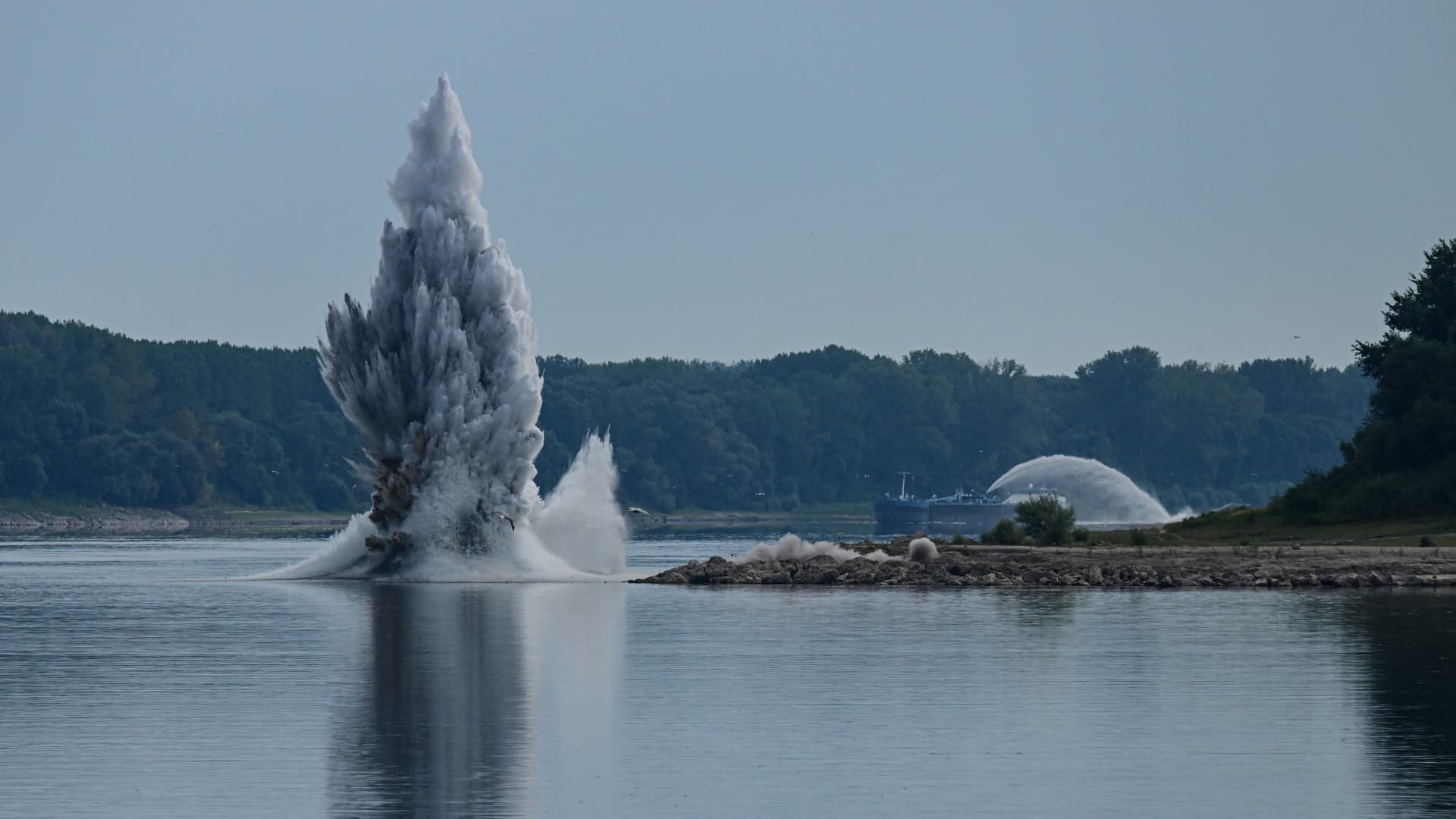
The energy sector is taking a direct hit. Romania’s navy was recently forced to detonate underwater rocks to divert water to the Cernavoda Nuclear Power Plant’s cooling systems. Similarly, Hungary’s Paks nuclear facility and various hydropower stations across Serbia are curtailing output due to insufficient water volume. These disruptions are raising the immediate risk of regional blackouts. According to recent reporting on global economic indicators, the cost of importing emergency power is set to weigh heavily on national fiscal balances.
The logistical crisis has created severe structural bottlenecks for key industrial sectors across Western Europe. Industry operators are finding it increasingly difficult to source raw materials, forcing them to adopt emergency operational strategies:
- Logistical Bottlenecks: Major industrial players are forced to reduce cargo loads, doubling transport times and compounding factory backlogs.
- Energy Grid Strain: Nuclear and hydro plants are operating at reduced capacity, raising utility costs for heavy manufacturing.
- Industrial Surcharges: Freight rates on inland waterways have risen exponentially, directly hitting manufacturer margins and corporate profitability.
Economists are warning of tangible GDP impacts. Stefan Kooths from the Kiel Institute estimates that the water crisis could shave up to 0.2% off German GDP in the third quarter alone, translating to an economic loss of 1 to 2 billion euros. While major corporations have built up inventories, the reliance on more expensive road and rail freight is accelerating inflation. For those studying macroeconomics, understanding how governments navigate complex fiscal tools to mitigate the fallout by monitoring economic policy and macro trends is essential.
The Ripple Effect:
Extreme drought → Reduced River Navigation Capacity → Skyrocketing Freight Surcharges → Higher Industrial Manufacturing Costs → Surging Retail Price Inflation
Low-water surcharges represent a dynamic pricing mechanism where shipping lines pass the financial burden of under-loaded vessels directly to industrial clients, effectively acting as an immediate tax on supply chain logistics during periods of extreme water scarcity.
| Metric Description | Value / Level | Economic Significance |
|---|---|---|
| German Q2 GDP Growth | 0.2% | Indicates a highly fragile baseline growth before accounting for Q3 drought shocks. |
| Kaub Critical Navigation Level | 78 cm | The minimum water depth required for fully loaded commercial transport barges. |
| Kaub Actual Level (Aug 2026) | 24 cm | A historic low since 1880, forcing drastic cargo load reductions. |
| Estimated German Q3 GDP Hit | Up to 0.2% | Wipes out nearly half of the projected quarterly growth for Europe’s largest economy. |
Germany Inflationary Risks
With the Rhine operating as a primary artery for raw materials like coal, chemicals, and heating oil, the transport crunch is directly feeding into the nation’s wholesale price index. As companies shift freight to rail and road, they face congested networks and soaring road transport tariffs, which ultimately trickle down to consumer prices. This supply-side bottleneck complicates the central bank’s inflation targeting, threatening to keep structural inflation sticky. For detailed tutorials on navigating these supply chain disruptions, check our educational insights and market guides.
European Regional Trends
The drought’s footprint extends far beyond Germany’s industrial heartland, reshaping trade dynamics across the continent. In Southern Europe, persistent water stress now affects over 30% of the population, leading to stricter agricultural water rationing. This matches the latest eurozone growth forecasts outlining a sharp decline in agricultural output and tourism revenues. Major waterways are transitioning from reliable infrastructure into seasonal liabilities, prompting calls for long-term capital investments in alternative logistics networks.
The Economic Toll of Extreme Drought on Eurozone Growth
The combination of dried-up trade channels and restricted nuclear power generation presents an immediate risk to Europe’s fragile recovery. As the continent grapples with the physical realities of climate change, the structural costs of adaptation will likely weigh on corporate earnings and sovereign debt profiles alike.
- Supply chains must permanently adapt to seasonal water level volatility.
- Energy security will require heavy capital expenditure to diversify away from water-dependent cooling systems.
- Fiscal policy must balance emergency infrastructure spending against long-term ecological transition costs.
Can European industries transition fast enough to avoid a permanent loss in global competitiveness?
📊 StockXpo Analyst’s View
Market Impact: The escalating freight rates and supply chain bottlenecks are expected to suppress near-term earnings for industrial, chemical, and utility companies dependent on inland shipping. Sector To Watch: We advise watching the European logistics and rail transport sectors, which stand to capture significant market share as freight is forced off the rivers and onto land-based networks.
Financial Disclaimer:
StockXpo.com is a financial news aggregator and educational portal, not a registered investment advisor or broker-dealer. All information, news, and analysis provided herein are strictly for educational purposes and do not constitute investment, financial, legal, or tax advice. Investing in the stock market involves high risks, and past performance is not indicative of future results. StockXpo will not be liable for any financial losses or investment damages. Always consult a certified financial advisor before making market decisions.
MORE IN INSIDE ECONOMY

Judy Shelton’s Treasury Role: A Controversial Shift in Economic Guidance
Published: Friday, October 9, 2026 · 7:52 AM
Tariffs Fueled U.S. Inflation: NY Fed’s Clear Economic Signal
Published: Thursday, October 8, 2026 · 8:12 AM