Published: Wednesday, August 5, 2026 · 1:14 PM | Updated: Wednesday, August 5, 2026 · 1:14 PM
📊 106 views




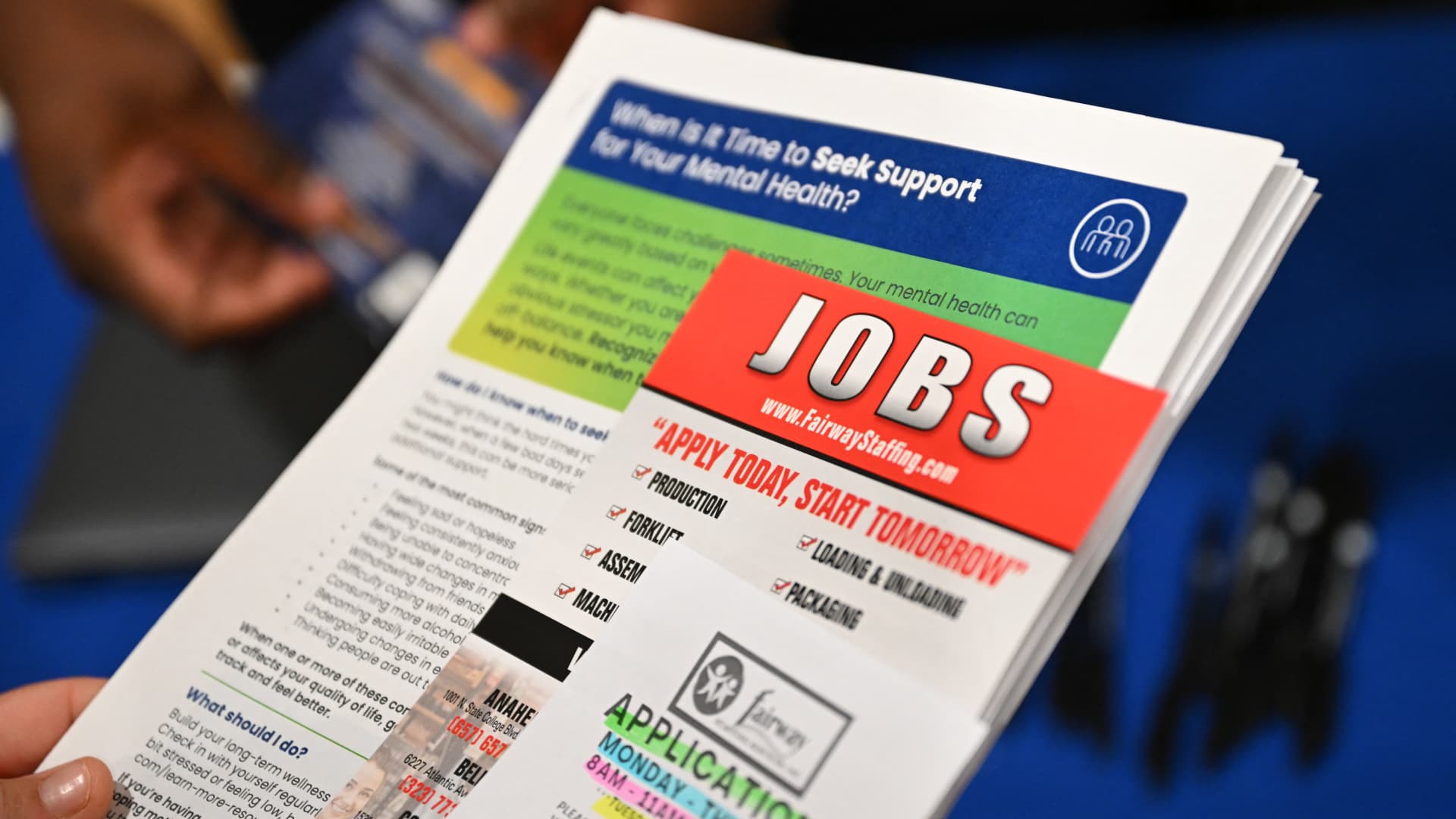
The latest macroeconomic indicators point to an unexpected cooling in the domestic labor market, shaking up broader market expectations. As private payrolls growth fell significantly short of consensus forecasts in July, questions are intensifying over the resilience of the broader economy. This sudden deceleration could complicate the Federal Reserve’s delicate balancing act between managing persistent inflation and avoiding a hard landing.
📊 Macro-Economic Strategic Insights
- Unmet Expectations. July private hiring reached just 44,000, falling well below the projected 75,000 and the previous month’s downwardly revised 95,000.
- Asymmetrical Sector Activity. Job gains were entirely concentrated within the services sector, led heavily by healthcare, while goods-producing sectors experienced net contractions.
- Persistent Wage Divergence. Despite the hiring slowdown, annual pay growth for job-switchers climbed to 7%, indicating localized talent shortages and potential stagflationary undercurrents.
Deciphering the Slump in Private Payrolls Growth
The recent ADP National Employment Report reveals a notable structural shift within the domestic workforce. In July, private employers added a modest 44,000 jobs, marking the lowest monthly expansion since January. This figure represents a sharp divergence from the revised 95,000 additions seen in June, casting doubts on the sustained momentum of the labor market. While many analysts anticipated a steady deceleration, the magnitude of this drop suggests that employers are reacting rapidly to restrictive financial conditions.
As market participants dissect these figures, the implications for a vital resource for analyzing stock markets and asset classes are profound. The stark division between services and goods-producing industries highlights an unbalanced economic expansion. Services added 47,000 positions, whereas goods-producing firms saw a contraction of 3,000 jobs. To understand how these dynamics influence the broader landscape, one must analyze critical shifts in economic policy and macro trends. According to broader trends in global economic developments, manufacturing and industrial sectors continue to face headwinds from elevated borrowing costs and softening global demand.
Here is a breakdown of the key sector dynamics observed during the month:
- Education and Health Services: Led the growth with 36,000 added roles, continuing its structural dominance in hiring.
- Financial and Business Services: Financial activities contributed 10,000 positions, while professional services added 9,000.
- Goods Production & Logistics: Trade, transportation, and utilities shed 8,000 jobs, while natural resources and mining declined by 6,000.
The Macroeconomic Transmission Path
To contextualize how a cooling labor market transmits through the broader financial system, consider this structural progression:
Cooling Labor Demand → Slower Aggregated Consumer Spending → Easing Demand-Pull Inflation → Policy Pivot Toward Rate Cuts
As private companies scale back hiring, consumer confidence typically softens. This leads to reduced retail velocity, ultimately helping cool persistent pricing pressures, albeit at the risk of inducing a broader economic slowdown.
ADP Employment Report vs. BLS Nonfarm Payrolls: While the ADP report tracks private payroll transaction data directly from enterprise software, the Bureau of Labor Statistics (BLS) survey captures a wider net, including government workers. Economists look at ADP as a directional leading indicator, though short-term monthly divergences between the two series are common due to different structural methodologies.
| Metric | Value / Percentage | Macro-Economic Significance |
|---|---|---|
| July Private Additions | 44,000 | Signals a sharp contraction in corporate hiring appetite. |
| Job-Switchers Wage Growth | 7.0% | Points to sticky localized labor supply constraints despite aggregate slowing. |
| Consensus Forecast Gap | -31,000 | Demonstrates a faster-than-anticipated cooling of the economic cycle. |
US Labor Market Inflationary Risks
Despite the deceleration in raw hiring numbers, structural inflation dynamics remain complex. The 7% wage premium for job-switchers highlights that companies must still pay a substantial premium to attract specialized talent. This wage-push friction suggests that while overall labor demand is falling, core inflationary pressures are not entirely neutralized, presenting a potential stagflation risk.
US Labor Market Policy Commentary
With the Federal Reserve historically prioritizing inflation management, this weak employment print creates an intricate policy dilemma. If the upcoming official nonfarm payrolls confirm this trend, monetary policymakers may be forced to recalibrate their trajectory. To gain deeper educational insights into macro-stability, market analysts often track historical central bank reactions to sudden employment slowdowns. Dynamic macroeconomic analysis from leading financial institutions suggests that prolonged high interest rates could pivot from a stabilizing force to an active driver of industrial contraction.
The Structural Implications of Declining Private Payrolls Growth
The dramatic drop in July hiring confirms that the era of aggressive post-pandemic labor expansion has concluded. As corporate profit margins face pressure from high capital costs, businesses are adjusting their strategic hiring patterns. The path forward will depend heavily on whether consumer demand can sustain the services sector without a broader recovery in goods production.
- Corporate capital allocation is shifting from aggressive scaling to operational efficiency.
- Wage growth must moderate further to give the central bank comfortable room for easing.
- Market volatility may rise as economic indicators print mixed signals.
Will this sharp drop in hiring prove to be a temporary summer lull, or is it the definitive signal of a deeper macroeconomic contraction?
📊 StockXpo Analyst’s View
Market Impact: The dramatic undershoot in ADP hiring is likely to fuel expectations of an upcoming central bank pivot, boosting interest-rate-sensitive assets. Sector To Watch: Defensive sectors like healthcare and consumer staples will likely attract defensive capital, while industrial and cyclical sectors may face short-term valuation adjustments as growth projections are dialed back.
Financial Disclaimer:
StockXpo.com is a financial news aggregator and educational portal, not a registered investment advisor or broker-dealer. All information, news, and analysis provided herein are strictly for educational purposes and do not constitute investment, financial, legal, or tax advice. Investing in the stock market involves high risks, and past performance is not indicative of future results. StockXpo will not be liable for any financial losses or investment damages. Always consult a certified financial advisor before making market decisions.
MORE IN INSIDE ECONOMY
Tariffs Fueled U.S. Inflation: NY Fed’s Clear Economic Signal
Published: Thursday, October 8, 2026 · 8:12 AM

India Rate Hike: Inflation Risks Build Amid Global Headwinds
Published: Wednesday, October 7, 2026 · 1:41 AM