Published: Wednesday, July 15, 2026 · 11:09 PM | Updated: Wednesday, July 15, 2026 · 11:09 PM
📊 254 views




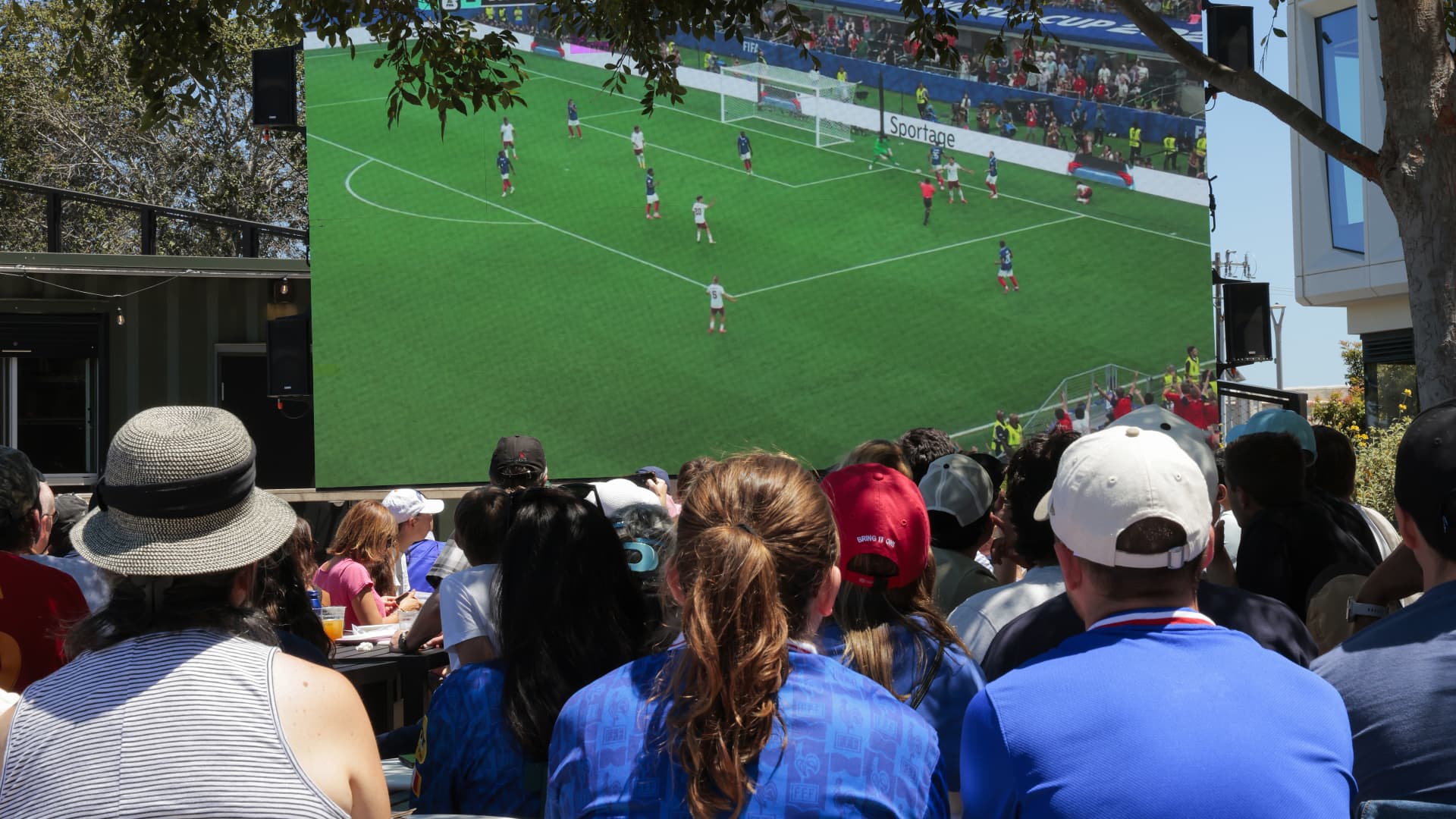
The recent FIFA World Cup offered a localized uplift to certain sectors, particularly bars and restaurants in host cities. However, new Federal Reserve insights reveal that these gains were largely offset by underlying economic weakness and cautious consumer spending across broader markets, signaling persistent macroeconomic challenges.
📊 Macro-Economic Strategic Insights
- Localized vs. Systemic Impact. While major events like the World Cup can stimulate activity in specific regions, their ability to catalyze broader economic growth is limited amidst underlying weaknesses.
- Consumer Caution Deepens. Rising energy costs are forcing consumers to pull back on discretionary purchases, a critical indicator of economic fragility and potential slowdowns.
- Geopolitical Headwinds to Tourism. Trade policies and sovereignty concerns are directly impacting cross-border travel, notably reducing Canadian tourism to the U.S. and affecting local economies.
Recent findings from the Federal Reserve’s Beige Book paint a nuanced picture of the U.S. economy, where the temporary exuberance of the FIFA World Cup clashed with more widespread indicators of softness. Despite median admission prices for tournament matches topping $900, according to TicketData, the economic stimulus was primarily confined to host cities and specific venues. Hotels in Boston, for example, initially saw softer bookings, only to meet forecasts after aggressively lowering room prices. Similarly, while bars reported a surge in beer sales, with some even running out during peak fan activity, these localized boosts did not translate into a broader economic expansion.
Across regions, the general sentiment pointed towards a retrenchment in consumer behavior. The San Francisco Fed noted a high volume of tourists in host cities but observed a concurrent pullback in spending on restaurants, hotels, and entertainment elsewhere. This divergence underscores a prevailing cautiousness in consumer spending, particularly as rising oil prices compel households to economize. Reports indicate a clear trend of consumers seeking cheaper alternatives and cutting back on non-essential expenditures to manage their budgets.
- New York City’s hospitality sector experienced mixed results; some establishments benefited from match-viewing events, while others reported fewer international visitors, particularly from Canada.
- The Boston Fed’s coverage region saw an increase in Canadian visitors compared to the previous summer, yet these levels remained significantly below historical averages, impacting coastal Maine and northern Vermont.
- A major department store in New York City observed increased foot traffic during the tournament, but this failed to convert into higher sales, highlighting a reluctance among consumers to open their wallets.
The Ripple Effect: Economic Cause and Consequence
The interplay of various economic factors creates a complex web of cause and effect:
- Rising Oil Prices → Higher Transportation & Energy Costs → Reduced Discretionary consumer spending → Weakened Broader Economic Demand.
- Geopolitical Tensions & Tariffs (e.g., US-Canada) → Decreased Cross-Border Travel & Tourism → Lower Revenue for Border Economies & Hospitality Sectors.
- Event-Specific Demand (World Cup) → Temporary Localized Boost → Insufficient to Counter Systemic Weakness → Stagnant National Economic Growth.
The Federal Reserve’s Beige Book, published eight times a year, provides a qualitative assessment of current economic conditions across its twelve districts. It is a crucial tool for policymakers, offering anecdotal evidence and insights from businesses and contacts that often complement quantitative data, providing a real-time pulse on the economy.
Key Economic Indicators: A Snapshot
These metrics illustrate the current economic climate and specific impacts discussed in the Fed’s report:
- World Cup Median Admission Prices: Topping $900 (Source: TicketData). This indicates high willingness-to-pay for event-specific entertainment, yet not translating to broader spending.
- Boston Hotel Bookings: Initially softer, rising to meet forecasts only after price reductions. This highlights price sensitivity and softened demand even for major events.
- Canadian Border Crossings to U.S.: Significantly down following new tariff policies. A direct impact of policy on international tourism and cross-border commerce.
Regional Trends: Uneven Economic Recovery
The economic recovery remains markedly uneven across U.S. regions. While urban centers hosting the World Cup experienced bursts of activity, surrounding and non-host markets struggled with dampened demand. Coastal Maine and northern Vermont, for instance, witnessed visitor levels significantly below historical averages, pointing to a persistent malaise in some traditional tourism areas. This geographic disparity in economic performance suggests that while some areas can leverage major events, a unified, robust recovery is not yet evident. Policymakers must contend with these localized challenges, as broad strokes may not address specific regional economic vulnerabilities.
Fiscal Policy Commentary: Impact on Cross-Border Trade
The U.S. government’s recent tariff policies and related sovereignty threats have had a tangible impact on international relations and economic activity, particularly with Canada. The reported decrease in Canadian citizens crossing the U.S. border is a direct consequence, fostering a ‘buy local’ sentiment within Canada that diverts spending away from U.S. businesses. This shift in cross-border trade patterns highlights how fiscal policies, intended to protect domestic interests, can inadvertently constrain international tourism and trade, affecting sectors from retail to hospitality. A balanced approach is crucial to avoid unintended economic isolation and sustain bilateral economic ties, a point highlighted by analyses on global economic conditions.
Consumer Spending: Navigating the Post-World Cup Economic Landscape
The World Cup’s temporary lift offers a glimpse into consumer’s willingness for high-value experiences, yet the broader economic signals from the Fed’s Beige Book suggest a cautious outlook. The underlying narrative points to a landscape where discretionary consumer spending is constrained by persistent inflationary pressures and geopolitical influences.
- Localized boosts from major events are insufficient to mask systemic economic weaknesses.
- Rising energy costs are a significant drag on household budgets, limiting non-essential outlays.
- Geopolitical factors are altering international tourism patterns and cross-border economic activity.
How will businesses and policymakers adapt to this bifurcated economic reality, balancing localized booms with pervasive consumer caution?
📊 StockXpo Analyst’s View
Market Impact: The mixed signals from the Fed’s report indicate continued volatility and uncertainty in market sentiment. While the World Cup offered a fleeting positive, the underlying weakness in consumer spending, exacerbated by rising oil prices, will likely temper enthusiasm. Investors should brace for sector-specific impacts, with defensive stocks potentially outperforming cyclical ones.
Sector To Watch: The hospitality and entertainment sectors will remain under scrutiny. Companies heavily reliant on discretionary consumer spending, especially those without diversified revenue streams or international exposure, face headwinds. Conversely, value-oriented retail and essential services might show resilience. We also recommend monitoring economic policy decisions closely for any shifts that could impact trade or energy costs.
Financial Disclaimer:
StockXpo.com is a financial news aggregator and educational portal, not a registered investment advisor or broker-dealer. All information, news, and analysis provided herein are strictly for educational purposes and do not constitute investment, financial, legal, or tax advice. Investing in the stock market involves high risks, and past performance is not indicative of future results. StockXpo will not be liable for any financial losses or investment damages. Always consult a certified financial advisor before making market decisions.
MORE IN INSIDE ECONOMY
Global Slowdown Eases as AI Boosts Growth, IMF Warns of Nearing Resilience Limits
Published: Tuesday, October 13, 2026 · 2:23 AM

Nobel Prize in Economics: New Foundations for Macro-Stability Growth
Published: Monday, October 12, 2026 · 6:12 AM