Published: Wednesday, July 15, 2026 · 1:18 PM | Updated: Wednesday, July 15, 2026 · 1:18 PM
📊 223 views




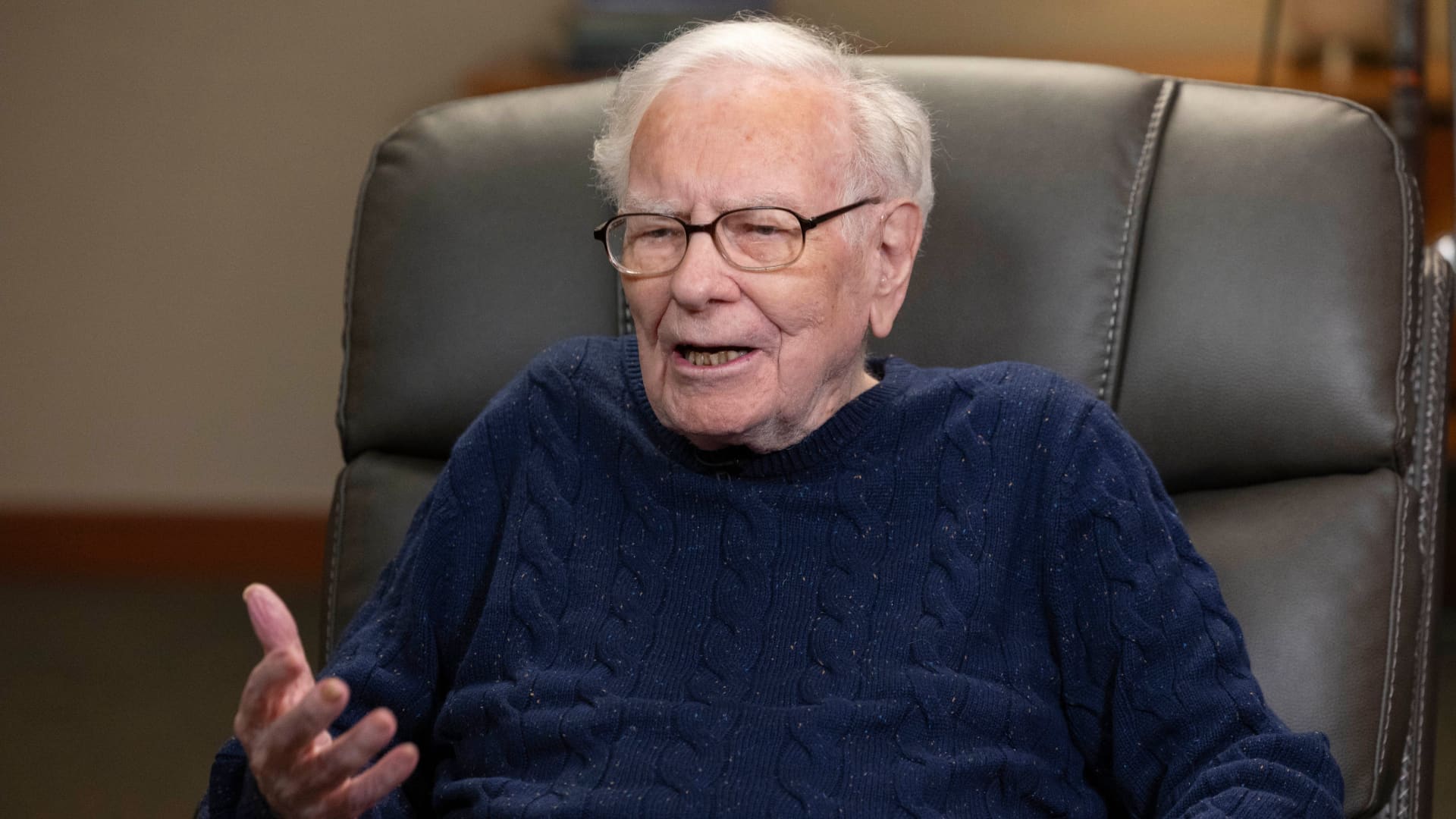
Warren Buffett, the renowned investor and chairman of Berkshire Hathaway, has significantly altered his long-standing philanthropic strategy, redirecting annual donations from the Bill & Melinda Gates Foundation to his family-linked foundations. This pivotal move, encompassing billions in Berkshire stock, signals a profound shift in how vast sums of philanthropic capital will be managed and deployed.
💰 Financial Strategy & Market Insights
- Capital Reallocation. Buffett’s decision moves over $47 billion in previously designated funds, reshaping the landscape of major philanthropic giving and highlighting shifts in control over significant asset pools.
- Succession Planning in Philanthropy. The redistribution prioritizes empowering his children with greater responsibility for charitable giving, offering a blueprint for intergenerational wealth transfer strategies among ultra-high-net-worth individuals.
- Asset Valuation Implications. This change potentially impacts the long-term asset valuation and endowment strategies of the Gates Foundation, which previously relied heavily on Buffett’s contributions, necessitating a re-evaluation of its future capital base.
What Warren Buffett’s Philanthropic Reversal Means
Buffett’s recent declaration to exclude the Gates Foundation from his annual charitable donations marks a significant inflection point in the world of philanthropy. While acknowledging Bill Gates’ ‘distasteful’ association with Jeffrey Epstein, the ‘Oracle of Omaha’ clarified that his primary motivation was to prepare his own children for the immense responsibility of managing and distributing substantial wealth.
Since 2006, Buffett had channeled more than $47 billion worth of Berkshire stock to the Gates Foundation. This year, however, all donations are directed towards four foundations linked to his family, signaling a deliberate acceleration of his estate plan. This strategic reorientation places greater autonomy and accountability directly into the hands of his three children, a role he has progressively prepared them for over decades.
- The move underscores a growing trend among ultra-wealthy individuals to exert greater direct control over their philanthropic legacies, often involving family members in crucial decision-making roles for substantial capital deployment.
Buffett articulated that his children are now adequately prepared to oversee these vast sums, stating, ‘I tell the three children that it is theirs, and it’s their responsibility to get it done well.’ This statement highlights not only a personal decision but also a broader commentary on the evolution of wealth management and philanthropic strategy among global financial leaders, offering valuable insights into succession planning for generational wealth. The Buffett’s Charitable Giving Shift is not merely a change in recipients but a recalibration of a multi-billion-dollar philanthropic framework.
The Strategic Implications of Wealth Transfer
This shift in donation strategy, publicly announced by Buffett, has profound implications beyond just the beneficiaries. It reflects a meticulous approach to long-term wealth transfer and risk management, particularly as Buffett, at 95, aims to dispose of all his Berkshire shares within approximately eight years. The decision to empower his children is deeply intertwined with his estate planning, ensuring the continued effective use of his fortune for societal benefit under family stewardship.
Risk vs Reward
- Upside: Direct family oversight could lead to more targeted, agile philanthropic initiatives aligned with Buffett family values. It accelerates the transfer of generational responsibility, fostering financial literacy and stewardship among his heirs for future capital allocation.
- Downside Risks: Diversification across smaller foundations could lead to reduced collective impact compared to a single, larger entity like the Gates Foundation. The transition period involves significant asset valuation and legal complexities, potentially impacting market analysis for philanthropic entities.
Philanthropic capital re-direction, such as Buffett’s move, refers to the strategic reallocation of substantial charitable endowments from one primary recipient to others. This process often involves reassessing organizational alignment, governance, and long-term impact objectives, influencing future investment trends in the non-profit sector.
This year’s donations include 9 million Class B shares, valued at around $4.5 billion, to the Susan Thompson Buffett Foundation. His children’s foundations—Susie Buffett’s Sherwood Foundation, the Howard G. Buffett Foundation, and Peter Buffett’s NoVo Foundation—will each receive 1 million Class B shares, totaling nearly $500 million per foundation. These transfers underscore a deliberate and calculated distribution of his vast wealth.
| Recipient Foundation | Class B Shares Donated (2026) | Estimated Current Value (USD) |
|---|---|---|
| Susan Thompson Buffett Foundation | 9,000,000 | ~$4,500,000,000 |
| Sherwood Foundation | 1,000,000 | ~$500,000,000 |
| Howard G. Buffett Foundation | 1,000,000 | ~$500,000,000 |
| NoVo Foundation | 1,000,000 | ~$500,000,000 |
Philanthropic Capital Liquidity Analysis
Buffett’s decision directly influences the liquidity dynamics of significant philanthropic capital. By distributing shares to several family foundations, rather than concentrating them in one large entity, he creates multiple, albeit smaller, pools of capital. This diversification can enhance the agility of each individual foundation to respond to specific needs or investment opportunities, but it also necessitates more complex coordination across the family’s philanthropic network. The market absorption of these share transfers over an eight-year horizon will be keenly watched by investors tracking broader market movements, particularly in the financial sector strategies, as large block trades can impact market liquidity and short-term volatility. The phased disposition plan aims to minimize market disruption while ensuring a smooth transfer of control and funding.
Family Foundation Market Sentiment Tracker
The market sentiment surrounding large family foundations often reflects public perception of their governance, impact, and transparency. Warren Buffett’s public statements, even when acknowledging ‘distasteful’ associations, are carefully weighed by the investment community. His continued engagement with Bill Gates, despite the donation shift, suggests that personal relationships and strategic partnerships can evolve independently of capital flows. For those following global financial trends, this nuanced approach offers insights into how personal ethics, legacy planning, and the pursuit of philanthropic goals intersect. The performance and impact of these family foundations under the stewardship of Buffett’s children will be closely tracked as an indicator of effective wealth deployment strategies and potential long-term influence on various social and economic sectors. The market will be observing whether this new distribution model effectively enhances philanthropic efficiency and societal impact.
Warren Buffett’s Legacy: A Framework for Future Capital Deployment
Buffett’s latest philanthropic strategy represents a deliberate and thoughtful evolution of his legendary approach to capital management, now extended into the realm of wealth transfer and charitable giving. This re-centering towards family foundations marks a clear intention to empower his children as primary stewards of his legacy, ensuring a hands-on approach to philanthropy in the coming decades.
- The move underscores an emphasis on direct family governance in large-scale charitable endeavors.
- It establishes a clear timeline for the disposition of significant Berkshire Hathaway shares, providing clarity for future market analysis.
- This strategic shift creates a new model for generational wealth transfer, balancing ethical considerations with practical succession planning.
How will this recalibration of one of the world’s largest fortunes influence future trends in philanthropic giving and asset management?
📊 StockXpo Analyst’s View
Market Impact: Buffett’s decision to gradually dispose of his Berkshire shares over eight years, combined with the redirection of his charitable contributions, introduces a calculated and phased liquidity event into the market. While not an immediate flood, the continuous transfer of such substantial wealth could influence long-term asset valuation for Berkshire Hathaway, fostering a sense of predictable supply. This move demonstrates a conservative, risk-managed approach to succession, aiming to stabilize capital shifts rather than create sudden volatility. The market may interpret this as a vote of confidence in his children’s ability to manage substantial endowments, impacting sentiment around intergenerational wealth transfer.
Sector To Watch: The philanthropic and non-profit sectors will undoubtedly experience ripple effects from this redistribution. Organizations that relied on the Gates Foundation’s expanded capacity due to Buffett’s contributions may need to diversify funding sources. Conversely, the family foundations receiving these new tranches of capital will see a significant boost, potentially fueling growth in specific social impact areas they prioritize. This dynamic could lead to increased competition for high-impact projects as these foundations scale up their operations.
Financial Disclaimer:
StockXpo.com is a financial news aggregator and educational portal, not a registered investment advisor or broker-dealer. All information, news, and analysis provided herein are strictly for educational purposes and do not constitute investment, financial, legal, or tax advice. Investing in the stock market involves high risks, and past performance is not indicative of future results. StockXpo will not be liable for any financial losses or investment damages. Always consult a certified financial advisor before making market decisions.
MORE IN INSIDE FINANCE

Fed Rate Hike Looms: What Fed Minutes Signal for Asset Valuation Shifts
Published: Wednesday, October 7, 2026 · 2:47 PM

Diesel Prices: Goldman Sachs Predicts Sustained Highs Through 2027 Amid Refinery Volatility
Published: Tuesday, October 6, 2026 · 6:03 AM