Published: Tuesday, July 14, 2026 · 2:08 PM | Updated: Tuesday, July 14, 2026 · 2:08 PM
📊 227 views




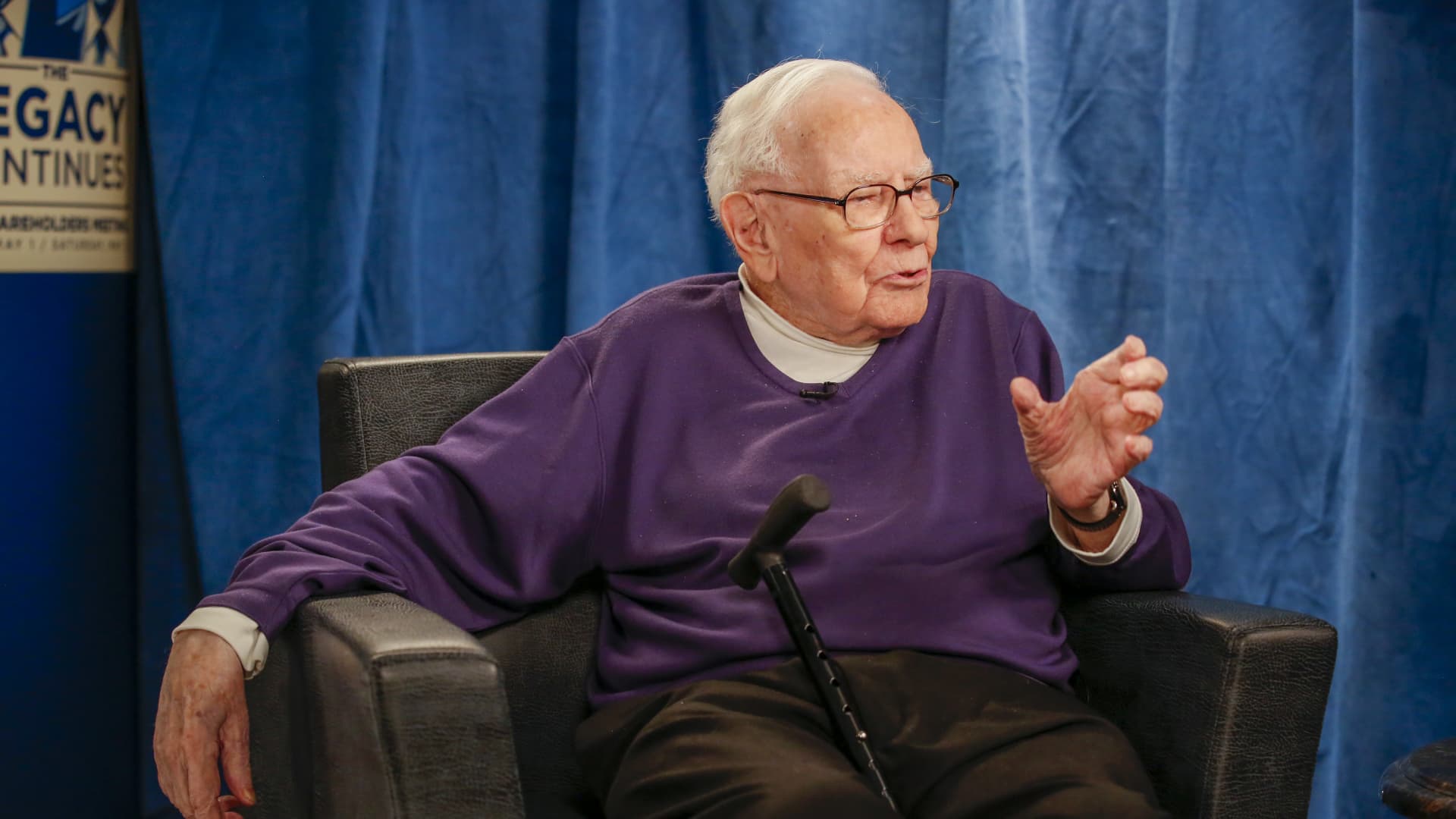
Warren Buffett, the chairman of Berkshire Hathaway, has altered his long-standing philanthropic strategy, redirecting his annual stock gifts entirely to family-linked foundations. This move notably excludes the Bill & Melinda Gates Foundation, which had been the primary recipient of his generosity for nearly two decades.
The decision, announced by Berkshire Hathaway, marks a significant shift in the allocation of one of the world’s largest private fortunes and raises questions about philanthropic governance and investment market analysis.
💰 Financial Strategy & Market Insights
- Capital Redirection. Warren Buffett’s annual donations, historically channeled to the Gates Foundation, are now exclusively directed to his family’s philanthropic entities, signaling a strategic shift in wealth distribution and control.
- Asset Valuation Impact. The exclusion follows reports of a review into the Gates Foundation’s ties to Jeffrey Epstein, potentially influencing the perceived governance risk and future capital flow dynamics for large philanthropic endowments.
- Long-Term Succession Plan. Buffett reiterates his commitment to dispose of all Berkshire shares by 2034, entrusting his children with the oversight of these assets, which could introduce new management philosophies into the family foundations.
This year, Buffett, aged 95, is donating 9 million Class B shares of Berkshire Hathaway (BRK.B) to the Susan Thompson Buffett Foundation, and 1 million shares each to the Sherwood Foundation, the Howard G. Buffett Foundation, and the Novo Foundation. This structured distribution highlights a concentrated effort to bolster the financial capacity of his family’s charitable ventures.
The omission of the Gates Foundation is particularly notable given Buffett’s long-standing commitment. Since 2006, he has contributed over $47 billion worth of Berkshire stock to the organization founded by Bill Gates and Melinda French Gates. This decision aligns with recent reports by the Wall Street Journal, indicating Buffett had paused donations pending a review into the Gates Foundation’s connections to the late sex offender Jeffrey Epstein.
Buffett’s public comments to CNBC’s Becky Quick in March, where he stated he had not spoken with Gates since the “whole thing was unveiled,” underscore the gravity of the situation. He also expressed that it “just doesn’t make sense to do a lot of talking” until clarity emerges, suggesting a reputational risk assessment influencing his financial sector decisions.
Buffett’s strategic shift deviates from a 2006 pledge to make annual gifts to the Gates Foundation throughout his lifetime, provided at least one of its founders remained actively involved. This re-evaluation of his philanthropic commitments underscores the evolving landscape of high-net-worth charitable giving, particularly concerning governance and public scrutiny.
- **Upside:** Enhanced control over philanthropic direction, potentially more direct impact aligned with family values, strengthening of family legacy, and insulation from external governance issues affecting other foundations.
- **Downside Risks:** Potential for increased scrutiny on the operational transparency and efficacy of the smaller family foundations, public perception challenges regarding the Gates Foundation’s omission, and a reduction in the capital available to the Gates Foundation for its global health and development initiatives.
Philanthropic capital allocation refers to the strategic deployment of financial resources by individuals or organizations for charitable purposes. Buffett’s recent actions illustrate a re-prioritization of capital away from a major global foundation towards family-controlled entities, emphasizing direct oversight and values alignment in his giving strategy.
Buffett’s recent stock distribution plan:
- Susan Thompson Buffett Foundation: 9 million Class B shares (BRK.B)
- Sherwood Foundation: 1 million Class B shares (BRK.B)
- Howard G. Buffett Foundation: 1 million Class B shares (BRK.B)
- Novo Foundation: 1 million Class B shares (BRK.B)
Berkshire Hathaway’s Liquidity Dynamics
Berkshire Hathaway Class B shares (BRK.B) represent a highly liquid asset in the market, frequently traded and widely held by institutional and retail investors alike. The annual distribution of these shares, even in large blocks, is unlikely to cause significant volatility or liquidity strains for Berkshire Hathaway itself, given the company’s vast market capitalization and diversified holdings. However, for the recipient foundations, these shares represent a substantial capital injection that can be managed for long-term growth or converted to cash for immediate programmatic needs. The staggered disposal plan announced by Buffett, aiming to offload all his Berkshire shares by 2034, suggests a methodical approach to manage market impact, ensuring that the philanthropic goals are met without unduly disrupting the global market trends for BRK.B.
Philanthropic Capital Market Sentiment
The sentiment surrounding philanthropic capital, especially from high-profile donors like Warren Buffett, profoundly influences public trust and donor strategies across the board. The recent redirection of Buffett’s annual donations due to concerns over the Gates Foundation’s governance ties can ripple through the broader philanthropic landscape. It underscores a growing demand for transparency and accountability from large foundations, particularly in light of reputational risks. This development might prompt other major donors to re-evaluate their own giving strategies, potentially favoring organizations with robust governance frameworks and clear oversight, thus impacting the flow of capital to various charitable initiatives and organizations, prompting discussions on broader financial implications.
Warren Buffett’s Philanthropic Realignments: A Market View
Warren Buffett’s strategic pivot in his annual donations marks a significant realignment of his philanthropic capital, away from a long-standing partnership towards a more family-centric approach. This move, driven by both personal and ethical considerations, highlights the increasing importance of governance and reputational risk in large-scale philanthropy, offering invaluable educational financial insights.
- The immediate impact on the Gates Foundation involves a loss of a guaranteed, substantial annual capital inflow, necessitating potential adjustments to their long-term funding strategies.
- Family foundations will experience a significant boost in resources, granting them enhanced capacity and autonomy in their charitable endeavors.
- This development could prompt a wider re-evaluation among major donors regarding the oversight and public perception of the foundations they support.
How will this recalibration of ultra-high-net-worth philanthropy influence the broader ecosystem of charitable giving and asset management in the coming decade?
### 📊 StockXpo Analyst’s View
Market Impact: The market’s reaction to the shift in Buffett’s annual donations is expected to be minimal on Berkshire Hathaway’s stock directly, given the methodical nature of the share transfers. However, it sends a clear signal regarding governance standards in major philanthropic institutions. Investor sentiment in the non-profit sector might become more sensitive to transparency and oversight issues, potentially impacting fundraising for other large foundations.
Sector To Watch: The wealth management and philanthropic advisory sectors should pay close attention. High-net-worth individuals and family offices may increasingly seek counsel on structuring their giving to ensure direct control and mitigate reputational risks, leading to a potential surge in demand for specialized trust and foundation management services.
Financial Disclaimer:
StockXpo.com is a financial news aggregator and educational portal, not a registered investment advisor or broker-dealer. All information, news, and analysis provided herein are strictly for educational purposes and do not constitute investment, financial, legal, or tax advice. Investing in the stock market involves high risks, and past performance is not indicative of future results. StockXpo will not be liable for any financial losses or investment damages. Always consult a certified financial advisor before making market decisions.
MORE IN INSIDE FINANCE
Singapore Haven: Stability Yields Opportunity Amid Global Volatility
Published: Tuesday, October 13, 2026 · 12:19 AM

Inflation Peak for 2026: Sticky Prices to Challenge Asset Valuations
Published: Monday, October 12, 2026 · 11:45 AM