Published: Monday, July 13, 2026 · 11:56 PM | Updated: Monday, July 13, 2026 · 11:56 PM
📊 233 views




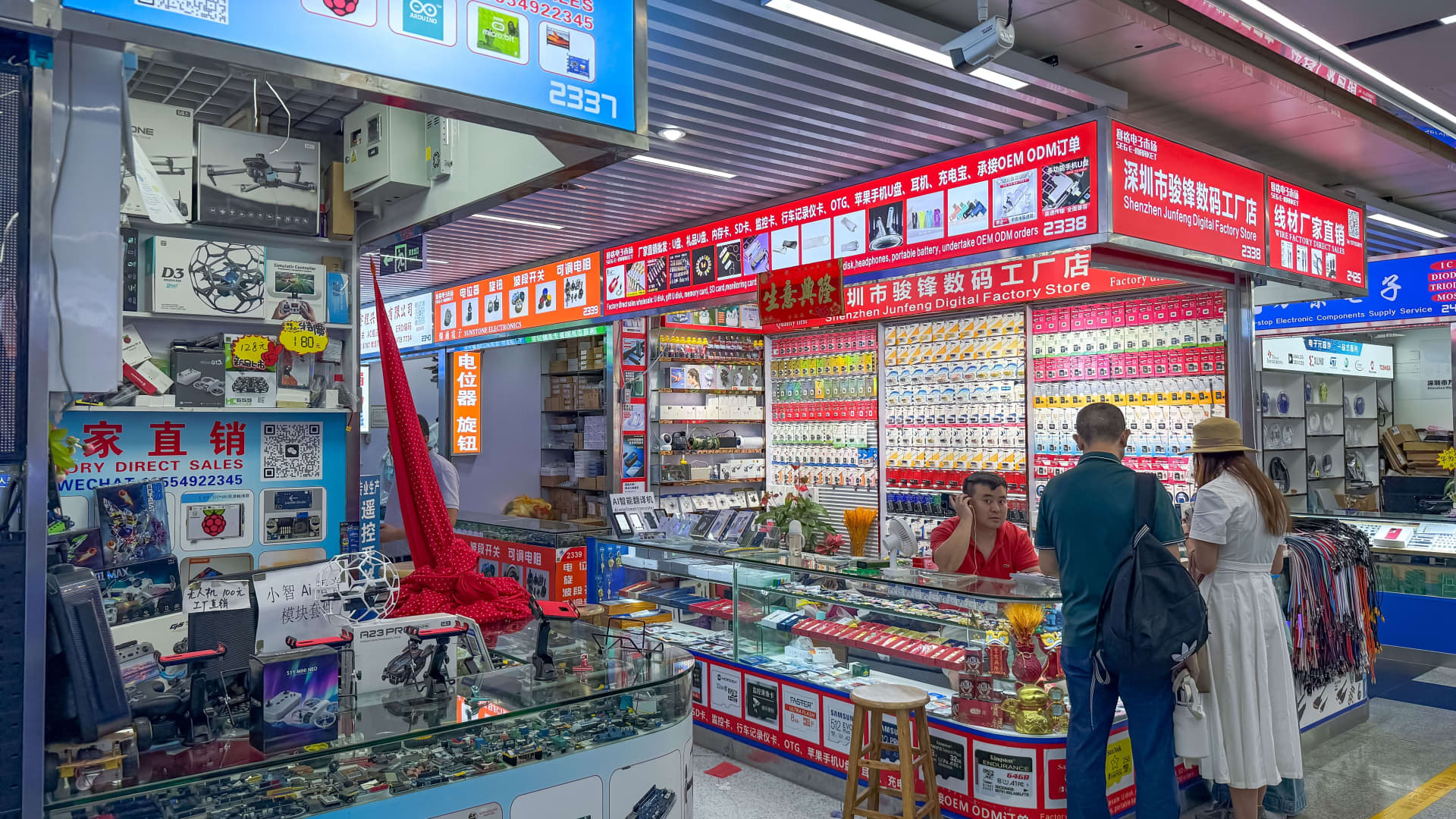
Beijing – Despite escalating geopolitical tensions, Shenzhen’s formidable manufacturing ecosystem continues to draw significant interest from U.S. technology companies, cementing its role as a pivotal hub for global hardware development. This persistent reliance on Chinese production capabilities underscores a critical, often understated, aspect of the international supply chain. The enduring appeal of Shenzhen Innovation lies in its unparalleled efficiency, cost-effectiveness, and rapid prototyping capabilities, which are essential for driving modern tech development.
🚀 Tech Strategy & Market Disruptions
- Unmatched Prototyping Speed. Startups can slash development cycles from weeks to days in Shenzhen, allowing for rapid iteration and quicker market entry, a critical advantage for consumer electronics and emerging hardware.
- Cost Efficiency Drives Adoption. Manufacturing costs in Shenzhen can be up to two-thirds lower compared to the U.S., making it an irresistible choice for companies looking to scale production and maintain competitive pricing.
- Integrated Supply Chain Network. The city boasts a dense, mature supply chain, with specialized component suppliers often located within a two-hour drive, fostering a unique collaborative environment for hardware innovation.
Former Apple employees, like Joshua Woodard, now running supply chain management firm The Sparrows, and Even Realities CEO Will Wang, a smart-glasses startup founder, explicitly chose Shenzhen over Silicon Valley for their ventures. Woodard’s observation that ‘Outside the geopolitical sphere, people want to build actual things. There is no other option outside China’ reflects a prevailing sentiment among hardware innovators. This concentration of expertise, exemplified by companies like Foxconn (2354-TW), Apple’s long-standing supplier, along with DJI, Huawei, and electric vehicle giant BYD, creates an unparalleled ecosystem.
California’s import data reinforces this dependency, with China being the largest source of its imports last year, a significant portion being computer and electronic products, according to the state’s chamber of commerce. Shenzhen alone contributed nearly 19% of China’s advanced tech exports, per CNBC calculations from Wind Information. This deep integration is not limited to traditional electronics; Chinese suppliers are increasingly crucial in niche areas like humanoid robotics hardware, although traditional robot makers still rely on parts from diverse global sources, as noted by Omdia chief analyst Lian Jye Su.
This robust infrastructure and rapid iteration capability in Shenzhen translate directly into market disruption. The ability to prototype faster and at significantly lower costs allows new hardware concepts to move from ideation to mass production at an accelerated pace. This speed-to-market advantage enables smaller startups to challenge established players and introduce novel form factors for smartphones or new AI interaction methods much more efficiently. This dynamic environment fosters relentless innovation, pushing the boundaries of what’s possible in consumer electronics and other hardware-intensive sectors.
‘The critical mass of integrated component suppliers, specialized labor, and streamlined logistics in Shenzhen creates a feedback loop of innovation and efficiency that is difficult for any other region to replicate currently. For any CTO focused on physical product development, ignoring this ecosystem means accepting a significant competitive disadvantage in both cost and speed.’
Despite discussions around supply chain diversification, particularly amid U.S. tariffs and geopolitical concerns, the practical realities of hardware development often lead companies back to China. BAI Capital’s Annabelle Yu Long notes that ‘Supply chain diversification away from China has been slowing down,’ with firms increasingly ‘counting on China to provide the efficiency on innovation.’ This pragmatic approach is evident even as U.S. robotics companies like Agility prioritize domestic component sourcing, with 75% of their parts from America. However, the recent partnership between Nvidia and China’s Unitree for physical AI research signals a continued, albeit selective, engagement with Chinese tech expertise for emerging technologies.
Shenzhen’s Ecosystem Expansion Potential
The vibrant tech landscape of Shenzhen extends beyond sheer manufacturing capacity; it’s a fertile ground for developing and scaling entirely new product categories, driven by its unique blend of supply chain proximity, engineering talent, and government support. The concentration of component manufacturers for everything from display panels to microcontrollers means that a startup can access a vast network of suppliers within a short drive. This physical proximity fosters direct collaboration, reducing communication overhead and accelerating problem-solving. Furthermore, the city’s robust intellectual property framework, coupled with its status as a Special Economic Zone, attracts global talent and investment, propelling its growth into areas like advanced robotics and smart city infrastructure. This dense ecosystem provides a strong foundation for future growth in complex hardware systems, making it a critical hub for innovation beyond just assembly. Our insights into technology market trends suggest that strategic partnerships within this region offer significant opportunities for accelerating product development.
Global Supply Chain Security & Infrastructure Strength
The resilience and diversification of global supply chains remain a top priority for CTOs worldwide, especially given recent disruptions. While Shenzhen offers unmatched efficiency, the imperative to mitigate geopolitical and single-point-of-failure risks has led many firms to explore multi-region strategies. Cybersecurity concerns, such as China’s recent warning regarding Anthropic’s Claude Code and Alibaba’s internal ban, highlight the complexities of software and AI integration within hardware supply chains. Companies are increasingly demanding robust security protocols and transparent manufacturing processes from their partners, wherever they are located. Despite these concerns, Shenzhen’s deep infrastructure, including advanced port facilities and logistics networks, offers unparalleled reliability for high-volume production. The ongoing challenge for tech leaders is balancing the speed and cost benefits of emerging technologies in Shenzhen with the strategic necessity of a geographically diversified and secure supply chain.
Shenzhen Innovation: Navigating the Future of Hardware Production
The ongoing commitment of global tech leaders to Shenzhen’s manufacturing ecosystem underscores its undeniable strategic value despite a complex geopolitical landscape. The city’s core strengths in rapid prototyping, cost efficiency, and a deeply integrated supply chain continue to make it an indispensable partner for hardware innovation.
- Shenzhen remains critical for next-gen hardware, from smartphones to humanoid robotics, leveraging its robust manufacturing base.
- U.S. tariffs and geopolitical pressures have prompted supply chain diversification discussions, but the efficiency of Shenzhen often prevails in practice.
- The convergence of AI development and advanced hardware manufacturing in Shenzhen positions it uniquely for future breakthroughs.
How will companies balance the allure of Shenzhen’s efficiency with the growing demand for supply chain resilience and security?
📊 StockXpo Analyst’s View
Market Impact: The persistent gravitation towards Shenzhen for hardware production, as evidenced by continued U.S. company engagement and Nvidia’s partnership with Unitree, suggests that the market highly values manufacturing agility and cost leadership over immediate geopolitical risks. This trend will likely continue to anchor significant capital expenditures in Asian manufacturing hubs, potentially dampening investments in alternative, less mature hardware production ecosystems. Reuters reports often highlight these intertwined dependencies.
Sector To Watch: Investors should closely monitor the robotics and advanced AI hardware sectors. Given Shenzhen’s strong foundation in precision manufacturing and the growing integration of AI, companies leveraging this ecosystem for physical AI development are poised for rapid iteration and market penetration. This also affects the broader educational tech insights in advanced manufacturing.
Financial Disclaimer:
StockXpo.com is a financial news aggregator and educational portal, not a registered investment advisor or broker-dealer. All information, news, and analysis provided herein are strictly for educational purposes and do not constitute investment, financial, legal, or tax advice. Investing in the stock market involves high risks, and past performance is not indicative of future results. StockXpo will not be liable for any financial losses or investment damages. Always consult a certified financial advisor before making market decisions.
MORE IN INSIDE TECHNOLOGY

Data Centers Face Global Headwinds: A $119 Billion Investment at Risk
Published: Saturday, October 3, 2026 · 2:48 AM

AI Cyberattacks: Interpol Warns of Escalating Speed and Risk
Published: Friday, October 2, 2026 · 1:18 AM