Published: Monday, May 18, 2026 · 6:04 AM | Updated: Monday, May 18, 2026 · 6:04 AM
📊 302 views




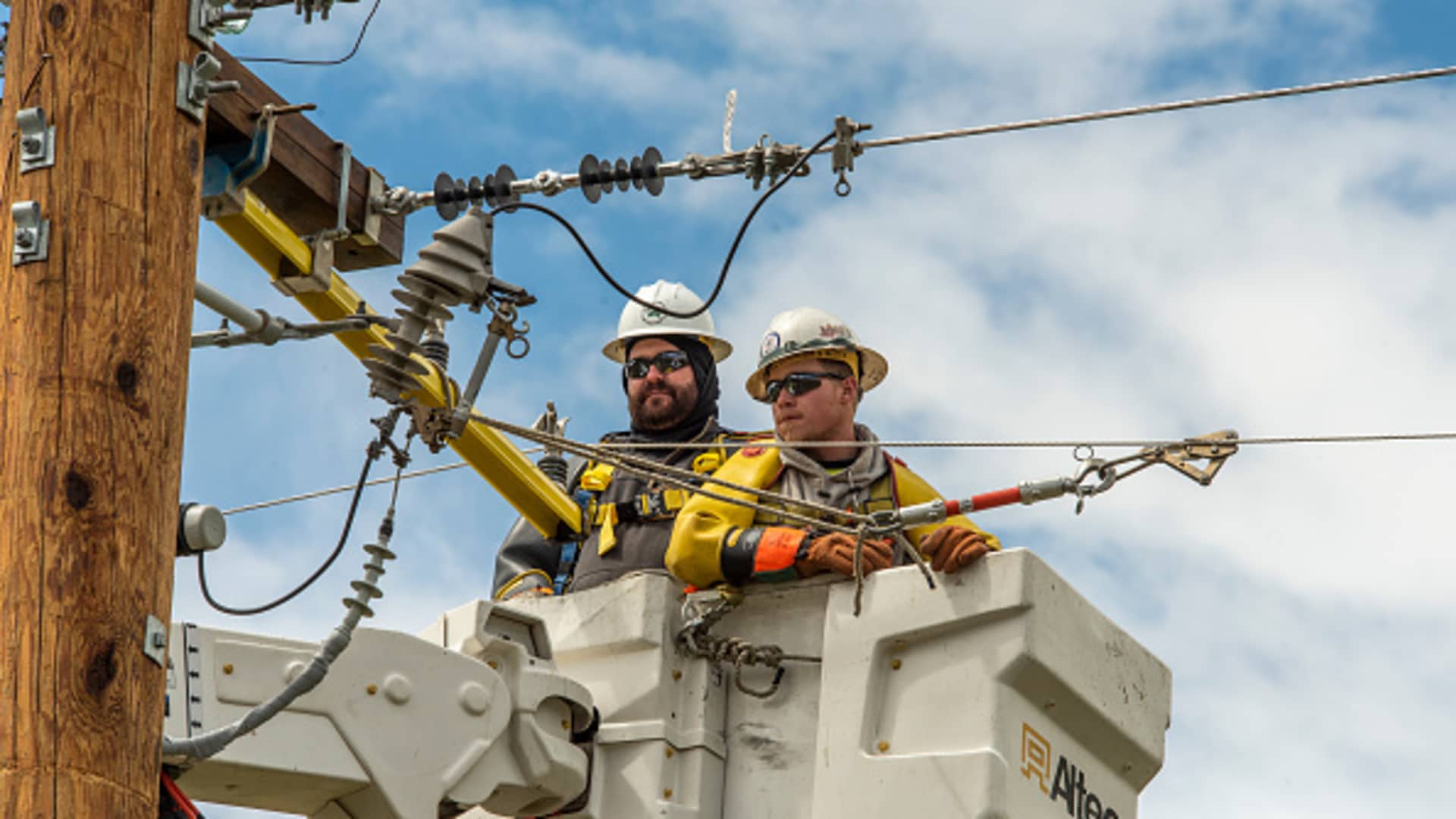
Why are the lights dimming on Europe’s aspirations to become a global AI leader? Despite ambitious plans to rival the U.S. and China, escalating energy costs are creating a formidable barrier, threatening to derail critical investments in compute capacity and digital infrastructure. This pivotal challenge forces a re-evaluation of the continent’s innovation-driven growth strategy in the rapidly evolving AI landscape.
🚀 Tech Strategy & Market Disruptions
- Energy Costs as a Strategic AI Blocker. Europe’s high energy prices are making energy-intensive AI data center investments economically unviable compared to regions like the U.S. and China, impacting compute capacity build-out.
- Geographic Re-alignment of AI Infrastructure. The disparity in electricity costs is forcing data center projects to migrate towards areas with cheaper power, such as the Nordics and France, creating distinct winners and losers across the continent.
- AI’s Wake-Up Call for Energy Sovereignty. The immense power demands of AI are highlighting the urgent need for Europe to overhaul its energy system, addressing issues of affordability, inflation, and maintaining technological leadership in the face of global competition.
Europe’s ambition to lead the global AI conversation is increasingly overshadowed by a critical challenge: the escalating cost of energy. This directly impacts the scalability and economic viability of building the essential digital infrastructure, primarily power-hungry data centers, necessary to support advanced AI models and applications. For enterprise platforms heavily reliant on large-scale processing, this becomes a fundamental roadblock to innovation-driven growth.
The stark reality is that electricity prices in Europe were, on average, double those in the U.S. and 50% higher than in China and India last year, according to the International Energy Agency. This significant cost differential makes the continent less attractive for establishing new, multi-billion dollar data center investments. For developers, this means a strategic re-evaluation of deployment locations, often favoring regions with more stable and affordable power. This signals a major pivot in the industry’s digital infrastructure.
Data centers, the backbone of modern AI, now consume 2% of the world’s electricity, a notable increase from 1.7% in 2024. This burgeoning demand can inflate regional electricity costs by 20-40% in already ‘red-hot’ areas globally, including specific European hubs like Slough in the U.K. and Paris in France. The competitive context here is crucial; while the U.S. approaches a 6% threshold of national electricity consumption by data centers and Singapore reaches an alarming 19.5%, Europe’s higher energy base makes further expansion inherently more expensive.
The migration of data center projects to parts of Europe with lower power costs is already underway, creating a clear division between ‘winners’ and ‘losers.’ The Nordics, boasting abundant hydropower and nuclear energy, along with France’s strong nuclear power grid, are emerging as preferred destinations for AI infrastructure investments. Microsoft, for instance, is making substantial investments in Norway, Sweden, and Denmark to capitalize on these favorable energy conditions. Conversely, regions like Germany and the U.K., with their comparatively higher electricity prices, are struggling to attract new large-scale data center developments. This could change how AI platforms scale.
A critical factor beyond energy cost is the ‘speed to market’—the time it takes to build and connect infrastructure. Europe faces challenges in this regard, making the continent a more difficult environment for rapid data center development compared to the streamlined processes often seen in the U.S. and China. The U.K., in particular, has seen projects like OpenAI’s Stargate pause partly due to energy costs and a less favorable regulatory environment. From a technology adoption perspective, these delays translate into a slower uptake of cutting-edge AI capabilities.
The discussion around AI’s energy demands serves as a ‘wake-up call’ for Europe to prioritize its energy system as a matter of economic sovereignty. Without addressing affordability, inflation, and competitiveness, achieving technological leadership in AI will remain an elusive goal within the evolving AI landscape. The sheer scale of AI infrastructure in the U.S. compared to Europe—a reported 1 to 100 ratio—underscores the massive investment gap that needs bridging, all while contending with elevated energy expenses.
To regain momentum in technology market trends and attract crucial investment, Europe needs to address several interconnected issues:
- Streamline Regulatory Processes: Reduce bureaucratic hurdles that slow down data center construction and grid connections.
- Incentivize Green Energy: Accelerate the transition to renewable and stable energy sources to provide cost-effective power.
- Foster Cross-Border Collaboration: Improve energy grid integration to ensure a more uniform and reliable power supply across the continent.
The continuous expansion of AI demands a robust, resilient energy strategy.
“The difference in the cost of energy around the world is going to become really quite extreme. If you’re making energy-intensive investments, then you’re going to go to where the cheapest energy is. If I were making the next $7 billion data center, it would be in the U.S. or China.” – Michael Brown, Global Investment Strategist at Franklin Templeton, highlighting the critical economic drivers of AI infrastructure deployment.
Understanding the dramatic differences in energy costs and data center electricity consumption is crucial for evaluating Europe’s position in the global AI race:
| Region | Average Electricity Price (May, per MW) | Data Center Share of National Electricity (Latest) |
|---|---|---|
| U.S. | $28.00 | ~6.0% |
| France | $44.19 | N/A |
| Germany | $88.97 | N/A |
| U.K. | $111.65 | 5.8% |
| Singapore | N/A | 19.5% |
Source: IEA, International Data Center Authority (IDCA).
Boosting Europe’s AI Race: Data Center Ecosystem Expansion
Despite the current hurdles, Europe possesses significant long-term potential for data center ecosystem expansion, particularly in regions leveraging renewable energy sources and robust grid infrastructure. Strategic investments in grid modernization and cross-border energy integration could mitigate price volatility and enhance the continent’s appeal. For enterprise leaders navigating digital transformation, identifying these emerging energy-resilient zones is paramount for future-proofing their AI strategies.
The geographical fragmentation of Europe presents both challenges and opportunities for scalable architecture. While integration can be difficult in areas like the Iberian Peninsula or Scandinavia, robust collaboration between neighboring nations, exemplified by France and Germany, could lead to more uniform energy pricing and improved access to power for burgeoning AI compute needs. Developing green data centers powered by innovative emerging technologies and tech stacks is a critical step towards sustainable ecosystem expansion.
AI Infrastructure Security & Resilience Imperatives
As AI infrastructure grows, the focus on security and resilience becomes increasingly critical, especially in a competitive geopolitical environment. Data centers supporting advanced AI operations require state-of-the-art cybersecurity measures and redundant power systems to ensure uninterrupted service and data integrity. From a educational tech insights perspective, investments in robust security frameworks and distributed ledger technologies for supply chain transparency will become non-negotiable for AI ecosystem participants.
The reliance on a stable energy supply for AI processing also elevates discussions around energy grid security and diversification. Geopolitical events, such as the U.S.-Iran war impacting European gas prices, underscore the need for diversified energy mixes, including nuclear and renewables, to build more resilient AI infrastructure. This is a crucial element for safeguarding Europe’s long-term digital sovereignty and technological leadership.
Navigating Europe’s AI Race: Energy, Innovation, and Geopolitical Stakes
Europe’s path to AI dominance is inextricably linked to its energy strategy, presenting a complex challenge that demands urgent and coordinated action. The current energy landscape risks diverting crucial investments and talent, thereby widening the technology gap with global leaders. Addressing this fundamental issue is vital for sustaining innovation-driven growth and ensuring competitive parity within the global technological race.
- Urgent Energy Reform: Europe must aggressively pursue integrated energy policies, including nuclear and renewables, to stabilize and reduce electricity costs.
- Strategic Infrastructure Investment: Focus on accelerating data center build-outs in energy-advantageous regions while addressing regulatory bottlenecks and speed-to-market issues.
- Policy Cohesion: Develop continent-wide strategies that balance climate goals with AI compute demands, ensuring technological leadership isn’t sacrificed for short-term gains.
Will Europe overcome its energy conundrum to unleash its full AI potential and secure its position in the global technological race?
📊 StockXpo Analyst’s View
Market Impact: The persistent energy cost differential in Europe acts as a significant drag on venture capital deployment into AI infrastructure within the region, potentially redirecting investment flows towards more energy-stable markets like the U.S. and parts of Asia. This trend could dampen growth prospects for European tech companies reliant on scalable compute, affecting market liquidity and investor sentiment around the continent’s digital transformation initiatives.
Sector To Watch: Investors should closely monitor the renewable energy and nuclear power sectors, particularly in the Nordics and France, as these regions are poised to benefit from increased data center demand. Conversely, traditional data center providers in high-cost energy zones like Germany and the U.K. may face headwinds, prompting a re-evaluation of their asset portfolios and operational strategies within the emerging technologies landscape.
Financial Disclaimer:
StockXpo.com is a financial news aggregator and educational portal, not a registered investment advisor or broker-dealer. All information, news, and analysis provided herein are strictly for educational purposes and do not constitute investment, financial, legal, or tax advice. Investing in the stock market involves high risks, and past performance is not indicative of future results. StockXpo will not be liable for any financial losses or investment damages. Always consult a certified financial advisor before making market decisions.
MORE IN INSIDE TECHNOLOGY

Bond Yields Under Pressure: IMF Warns of ‘Disorderly’ Spike Driven by AI Debt and Inflation
Published: Tuesday, October 13, 2026 · 1:21 AM

AI Breakthroughs: TikTok CEO Predicts Major Scientific Leap Within Three Years
Published: Monday, October 12, 2026 · 2:40 AM