Published: Saturday, July 4, 2026 · 1:52 PM | Updated: Saturday, July 4, 2026 · 1:52 PM
📊 193 views




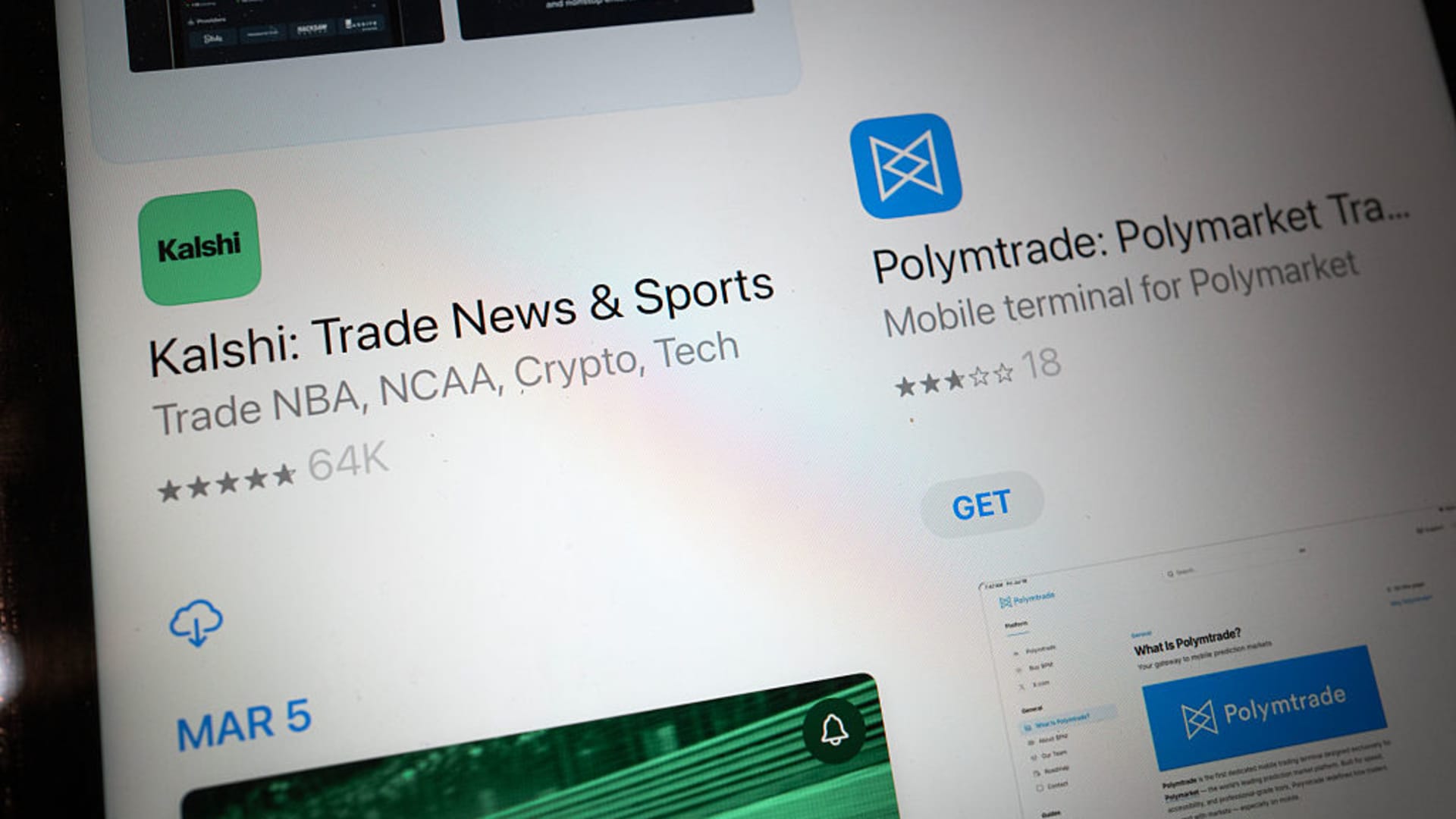
The 2026 FIFA World Cup has propelled prediction market volumes to unprecedented levels, with platforms reporting record trading activity in June. This surge underscores a growing appetite for event-driven contracts and highlights the evolving landscape of speculative investment and risk hedging.
💰 Financial Strategy & Market Insights
- World Cup Catalyst. The 2026 FIFA World Cup served as a monumental catalyst, driving record notional trading volumes across major prediction market platforms like Kalshi and Polymarket, demonstrating significant market response to high-profile global events.
- Explosive Growth & New Entrants. Kalshi’s volume jumped over 70% to $31 billion, while Polymarket’s international platform hit $10.8 billion. New players like Rothera, a joint venture between Susquehanna and Robinhood, captured 7% of the U.S. market in its debut month.
- Regulatory Scrutiny Intensifies. With increased trading activity and institutional involvement, regulators and financial institutions are closely observing these platforms, evaluating their stability and integrity under significant pressure.
The 2026 FIFA World Cup has been a game-changer for prediction market platforms, transforming what was already forecast to be the biggest gambling event in history into a liquidity bonanza for event-based contracts. Platforms like Kalshi, Polymarket, and the newly launched Rothera experienced exponential growth in notional trading volumes throughout June, attracting significant user engagement and capital flows. This phenomenal increase in prediction market volumes is a critical indicator of market participants’ growing interest in alternative asset classes that allow speculation on real-world outcomes. Understanding these shifts is crucial for investors tracking global market dynamics.
Kalshi, a prominent player in the sector, reported an astounding $31 billion in notional volume for June, marking a more than 70% increase from May’s $17.9 billion, according to user-collected data on Dune Analytics. This platform consistently handled over $1 billion in daily volume since the tournament commenced on June 11. Similarly, Polymarket’s international event contract exchange achieved a new monthly record, with notional trading surpassing $10.8 billion in June, reversing previous downtrends. Its U.S. platform also saw substantial growth, rising from $1.77 billion in May to over $3.5 billion in June. These figures highlight robust demand for these speculative instruments and provide gaining deeper financial insights into market behavior.
The entry of Rothera, a joint venture between Susquehanna International Group and Robinhood, further solidified the market’s expansion. Debuting in June, Rothera quickly accumulated $2 billion in notional trading volume, capturing an impressive 7% of the U.S. prediction market share, as reported by Bank of America. Robinhood’s strategic move to route certain World Cup contracts to Rothera demonstrates how established financial entities are exploring new avenues within the evolving financial sector. This increased institutional interest and user adoption are reshaping the traditional boundaries of market analysis and investment, pushing new paradigms for capital allocation.
- The World Cup generated significant buzz, with platforms like Polymarket offering up to $2 million for perfect knockout round brackets and Kalshi explicitly marketing ‘Trade the World Cup’ in the title of its mobile platform. This aggressive marketing, combined with genuine fan engagement, played a crucial role in driving traffic and increasing open interest. Kalshi’s open interest now exceeds $1 billion, while Polymarket’s stands just under $400 million, illustrating a sustained commitment from traders. The ability of these platforms to manage such a high-volume, sustained environment is a critical test for their infrastructure and market integrity, especially as regulatory bodies and traditional financial institutions continue to scrutinize their operations.
RISK vs REWARD:
The surging activity in prediction markets presents a unique risk-reward profile for investors.
- Upside:
- High Liquidity: The World Cup surge demonstrated these platforms’ capacity to handle significant trading volumes, suggesting potential for deeper, more efficient markets in event-based contracts.
- Diversification Potential: Prediction markets offer a novel way to hedge or speculate on non-traditional events, providing an alternative asset class for portfolio diversification.
- Early Price Discovery: These markets can often reflect collective intelligence, offering insights into potential outcomes faster than traditional news or polling.
- Downside Risks:
- Regulatory Uncertainty: The regulatory landscape for prediction markets remains fluid, with ongoing scrutiny and potential for new restrictions, as evidenced by the CFTC’s actions against some platforms.
- Asset Valuation Challenges: Valuing event contracts can be highly speculative, lacking the fundamental analysis typical of equities or bonds, leading to increased volatility.
- Market Manipulation Risks: High-volume, short-term markets are susceptible to manipulation, demanding robust market integrity frameworks that are still evolving.
EXPERT IMPACT:
‘The World Cup is such a huge pressure test to see whether indeed prediction markets are able to deliver their word on maintaining a level playing field for all investors for a long period of time in a sustained high-volume environment,’ stated Asaf Meir, CEO at Solidus Labs, a market integrity company partnering with Kalshi. ‘Outside observers are asking, ‘Is it safe enough? Is it mature enough? Does it have enough volume?” This perspective highlights the critical juncture these platforms face, balancing rapid growth with the imperative of demonstrating robust, transparent operations to foster long-term institutional trust.
STRICT DATA TABLES:
| Platform | June 2026 Notional Volume | Change from May 2026 (where applicable) |
|---|---|---|
| Kalshi | $31 billion | +70% from $17.9 billion |
| Polymarket (International) | $10.8 billion | Reversed downtrend |
| Polymarket (U.S.) | $3.5 billion | Up from $1.77 billion |
| Rothera | $2 billion | Debut month, 7% U.S. market share |
Prediction Market Liquidity Analysis: Sustaining the Momentum
The dramatic increase in prediction market volumes during the World Cup offers a critical test case for assessing future liquidity. The ease with which these platforms absorbed billions in notional value suggests a robust underlying infrastructure and a deep pool of participants. However, the sustainability of this liquidity hinges on attracting engagement beyond major, intermittent events. The challenge for platforms like Kalshi and Polymarket will be to diversify their contract offerings and maintain high trading interest in less globally significant events. Institutional participation, as hinted by Robinhood’s involvement with Rothera, could provide a more consistent liquidity base, reducing reliance on sporadic spikes. Monitoring the open interest post-World Cup will be key to understanding whether this represents a temporary phenomenon or a more permanent shift in how capital is deployed within event-driven markets. For comprehensive market analysis, investors often turn to platforms like StockXpo to gauge broader market trends.
Prediction Market Sentiment Tracker: Beyond the Game
While the World Cup undeniably fueled bullish sentiment in prediction markets, discerning the underlying investor mood beyond sports is crucial. The sheer volume of trading on specific outcomes, such as Team USA winning the tournament (despite low odds of 3-4.3%), reflects a blend of speculative fervor and genuine belief. This sentiment, however, can be highly volatile and susceptible to rapid shifts based on news or event outcomes. Future trends in sentiment will likely be driven by the platforms’ ability to offer diverse contracts on political, economic, or technological events, providing a more continuous barometer of collective opinion. The performance of these markets under non-sporting, high-stakes scenarios will truly test their utility as reliable sentiment trackers for various sectors of the financial world, offering unique insights often covered by leading financial publications like Reuters financial news.
The Ripple Effect of Prediction Market Volumes on Future Finance
The extraordinary surge in prediction market volumes during the 2026 World Cup serves as a powerful testament to their growing relevance in the financial ecosystem. This period demonstrated both the immense potential for liquidity generation and the critical need for platforms to prove their resilience and integrity under pressure.
- The integration of traditional financial players, exemplified by Robinhood’s partnership, signals an increasing mainstream acceptance and potential for future innovation in the space.
- Regulatory bodies are actively observing, implying that the next phase of growth will likely be shaped by compliance and robust market integrity frameworks.
- The diversification of contract offerings beyond sports will be essential for sustained engagement and establishing prediction markets as a consistent tool for financial speculation and hedging.
Will these platforms successfully parlay their World Cup momentum into a stable, regulated, and diversified future for event-driven finance?
📊 StockXpo Analyst’s View
Market Impact: The explosive growth in prediction market volumes highlights a burgeoning appetite among investors for alternative, event-driven trading vehicles. This surge suggests a potential fractionalization of capital flows from traditional assets into more dynamic, short-term speculative contracts, possibly influencing market liquidity in niche sectors. The increased visibility could also spur further institutional interest, driving development in regulatory frameworks and market infrastructure for these novel instruments.
Sector To Watch: The financial technology (FinTech) sector, particularly companies involved in market infrastructure, data analytics, and regulatory compliance tools for speculative markets, stands to gain significantly. Brokerage firms exploring integration or partnership opportunities with prediction market platforms, much like Robinhood, will also be key players to watch as this asset class matures and potentially enters broader financial market discussions.
Financial Disclaimer:
StockXpo.com is a financial news aggregator and educational portal, not a registered investment advisor or broker-dealer. All information, news, and analysis provided herein are strictly for educational purposes and do not constitute investment, financial, legal, or tax advice. Investing in the stock market involves high risks, and past performance is not indicative of future results. StockXpo will not be liable for any financial losses or investment damages. Always consult a certified financial advisor before making market decisions.
MORE IN INSIDE FINANCE
AI Stock Boom Fuels $67 Billion Equities Growth for Wall Street Giants
Published: Wednesday, October 21, 2026 · 11:03 AM
New Risks Emerge: Global Finance Chiefs Highlight Debt, AI, and Geopolitical Volatility
Published: Tuesday, October 20, 2026 · 2:12 AM