Published: Tuesday, June 23, 2026 · 8:32 AM | Updated: Tuesday, June 23, 2026 · 8:32 AM
📊 255 views




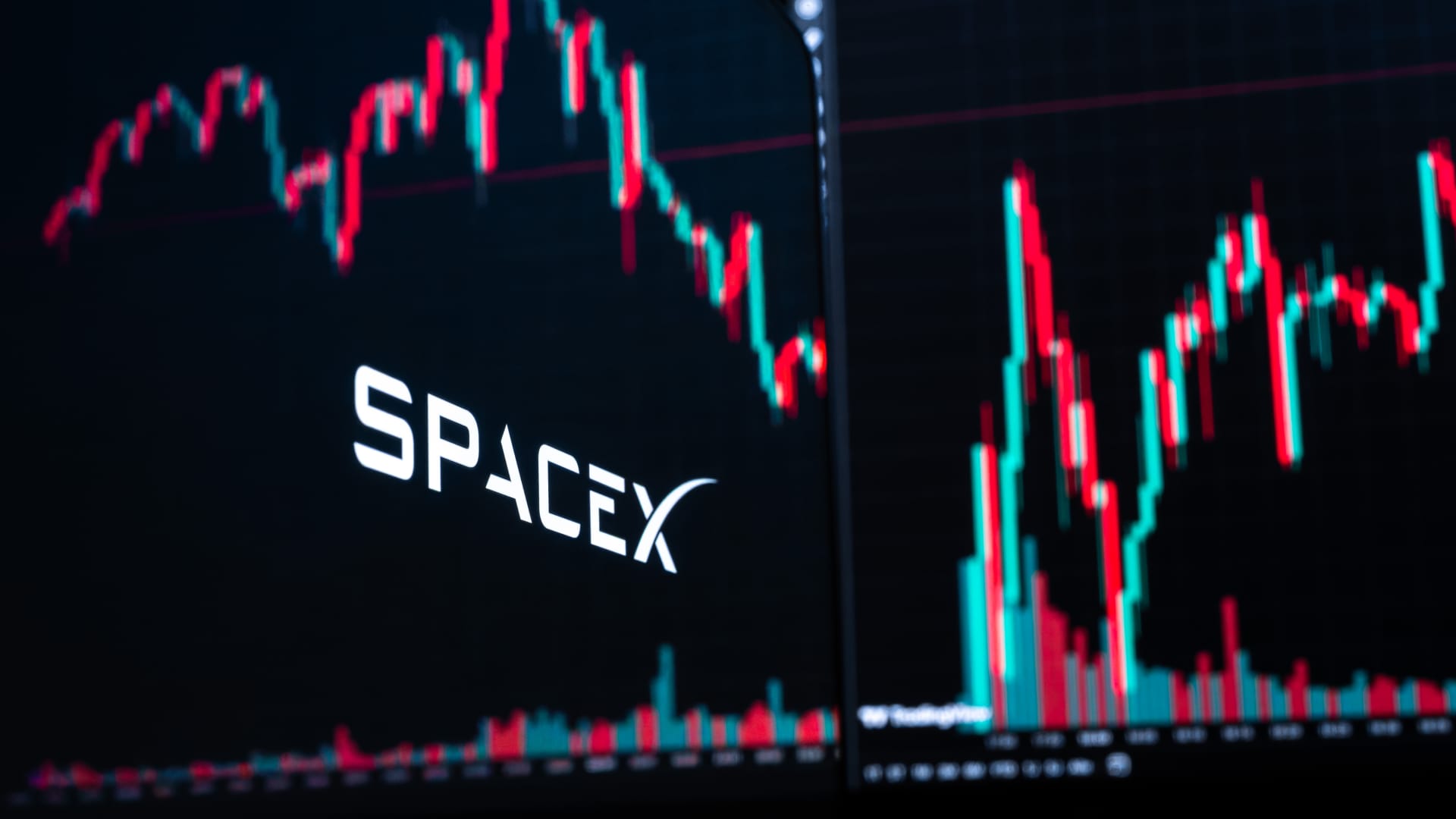
The recent SpaceX selloff, marking a significant $400 billion reduction in market capitalization, underscores the intense volatility often accompanying high-profile tech IPOs. This market correction comes despite strategic moves by the company to bolster its AI capabilities and financial liquidity, posing a complex challenge for its innovation-driven growth trajectory.
🚀 Tech Strategy & Market Disruptions
- Post-IPO Volatility. SpaceX experienced a rapid market cap surge and subsequent significant selloff, highlighting investor sensitivity to early-stage public valuations.
- AI Infrastructure Investment. The company is strategically deepening its commitment to artificial intelligence through a major computing power agreement with Reflection, leveraging Elon Musk’s Colossus infrastructure.
- Capital Structure Adjustment. A senior unsecured notes offering indicates a proactive financial strategy to optimize leverage and secure capital post-initial public offering.
Following a record-breaking IPO on June 12, SpaceX briefly soared past market giants like Amazon and Microsoft in market capitalization, reaching a peak of over $2 trillion. However, this meteoric rise was met with a swift reversal, culminating in a dramatic Monday where shares tanked 16%, contributing to the substantial SpaceX selloff that saw its valuation drop by hundreds of billions. This market reaction suggests a recalibration of investor sentiment, moving from initial euphoria to a more cautious assessment of future growth and profitability, as discussed in various market analysis from Bloomberg Technology.
Adding complexity to its market debut, the company concurrently announced a senior unsecured notes offering, aiming to raise capital while sitting on an impressive $100.8 billion in cash and cash equivalents as of June 19. These financial maneuvers are taking place alongside a significant technological expansion: a major computing power agreement with open-source AI startup Reflection, granting access to Elon Musk’s powerful Colossus infrastructure. This move positions SpaceX not just as an aerospace leader but as a pivotal player in emerging technologies.
- IPO Initial Surge: SpaceX’s market cap briefly surpassed Amazon and Microsoft.
- Subsequent Decline: Shares dropped 16% on Monday, contributing to a $400 billion selloff.
- Current Valuation: Market cap was $2 trillion at close on Monday.
- Liquidity & Debt: $100.8 billion in cash, alongside a senior unsecured notes offering.
- AI Strategic Partnership: Computing power agreement with Reflection leveraging Colossus AI.
The immediate impact of the IPO’s initial rally and subsequent selloff can be seen as a classic market disruption pattern: intense speculation fueled by innovation → rapid valuation inflation → market correction as fundamentals and long-term prospects are scrutinized. However, the strategic foray into AI through the Reflection agreement presents a different disruption flow. Access to Colossus infrastructure → enhanced AI capabilities for various applications (e.g., satellite network optimization, autonomous flight, data analysis) → potential for new revenue streams and market leadership in AI-driven aerospace services. This dual-pronged strategy—navigating public market sentiment while investing heavily in core next-gen technologies—defines SpaceX’s current trajectory.
From a CTO perspective, the integration of advanced AI infrastructure like Colossus is not merely an investment; it’s a strategic imperative. For companies operating at the scale and complexity of SpaceX, leveraging high-performance computing for AI can unlock unprecedented efficiencies in R&D, operations, and service delivery, potentially mitigating market volatility by creating new, defensible competitive advantages in the long run.
SpaceX Ecosystem Expansion Potential
SpaceX’s strategic investments extend beyond rocket launches and satellite internet. The computing power agreement with Reflection and access to Colossus signifies a deeper integration into the data and AI economy. This move could enable enhanced capabilities for Starlink, optimize autonomous space operations, and potentially offer AI-as-a-service to other entities. This ecosystem expansion could unlock new revenue streams and applications, moving SpaceX closer to becoming a vertically integrated technology colossus rather than solely an aerospace company, shaping broader technology market trends.
Navigating SpaceX Market Adoption Challenges
Despite its innovative prowess, SpaceX faces substantial market adoption challenges. These include intense competition in the launch sector, the capital-intensive nature of space exploration and satellite deployment, and regulatory hurdles across various jurisdictions. Furthermore, managing investor expectations in the volatile public market post-IPO, especially after a significant SpaceX selloff, requires careful strategic communication and consistent execution. The successful integration of new AI capabilities will also need to demonstrate clear ROI to satisfy an increasingly skeptical investor base, impacting the trajectory of other emerging technologies.
SpaceX’s Dual Trajectory: Market Volatility Meets AI Ambition
The recent market movements surrounding SpaceX highlight the delicate balance between groundbreaking innovation and public market realities. While the initial post-IPO rally was swiftly followed by a significant valuation reset, the company’s proactive financial management and strategic deepening into AI via the Colossus infrastructure signal a long-term vision that extends beyond immediate stock fluctuations.
- Investor sentiment remains a critical factor for companies with high growth potential and significant capital expenditure.
- Strategic AI investments are pivotal for future differentiation and potentially new revenue streams in aerospace and data services.
- The ongoing financial restructuring aims to support ambitious technological roadmaps despite market turbulence.
How will SpaceX’s aggressive push into AI infrastructure ultimately reshape its market standing and future growth prospects amidst persistent market scrutiny and valuation adjustments?
### 📊 StockXpo Analyst’s View
Market Impact: The substantial SpaceX selloff indicates that even highly anticipated IPOs are subject to market forces and valuation scrutiny. While the long-term vision remains compelling, investors are clearly demanding more clarity on profitability and sustainable growth drivers beyond initial hype. This correction could set a precedent for future high-valuation tech debuts, fostering a more conservative approach to public market entry.
Sector To Watch: The dual focus on aerospace and advanced AI infrastructure makes the ‘SpaceTech & AI’ convergence sector incredibly important. Companies like SpaceX, which are integrating AI at foundational levels (e.g., Colossus), will be key bellwethers for innovation-driven growth. Monitoring their execution and the real-world applications of these AI capabilities will offer valuable educational tech insights, as Reuters reported on similar tech integrations.
Financial Disclaimer:
StockXpo.com is a financial news aggregator and educational portal, not a registered investment advisor or broker-dealer. All information, news, and analysis provided herein are strictly for educational purposes and do not constitute investment, financial, legal, or tax advice. Investing in the stock market involves high risks, and past performance is not indicative of future results. StockXpo will not be liable for any financial losses or investment damages. Always consult a certified financial advisor before making market decisions.
MORE IN INSIDE TECHNOLOGY
AI Buildout Hits Credit Headwinds: Neoclouds Under Pressure
Published: Saturday, October 24, 2026 · 12:23 AM

SK Hynix Shares Rebound: A Strategic Shift in Semiconductor Funding
Published: Friday, October 23, 2026 · 1:46 AM