Published: Saturday, July 18, 2026 · 6:36 PM | Updated: Saturday, July 18, 2026 · 6:36 PM
📊 213 views




The technology sector witnessed a significant strategic realignment this past week as a pronounced AI rotation redirected capital flows, upstaging an otherwise robust earnings season. Investors shifted their focus from foundational AI infrastructure providers to companies directly leveraging AI at scale and bolstering their digital defenses.
🚀 Tech Strategy & Market Disruptions
- AI Budget Reallocation. IBM’s earnings report underscored a critical shift in corporate spending, with budgets increasingly prioritizing cybersecurity, hardware, and AI tokens over traditional software and consulting, pushing large deals into future quarters.
- Hyperscalers Gain Traction. Capital flowed from semiconductor firms to hyperscale cloud providers like Alphabet, Apple, Amazon, and Microsoft, indicating a market preference for AI application and platform delivery over raw compute infrastructure.
- Cybersecurity Resurgence. Concerns about AI disrupting cybersecurity have reversed; instead, AI is now driving incremental demand for robust security solutions to protect complex AI infrastructure and applications, boosting firms like CrowdStrike and Palo Alto Networks.
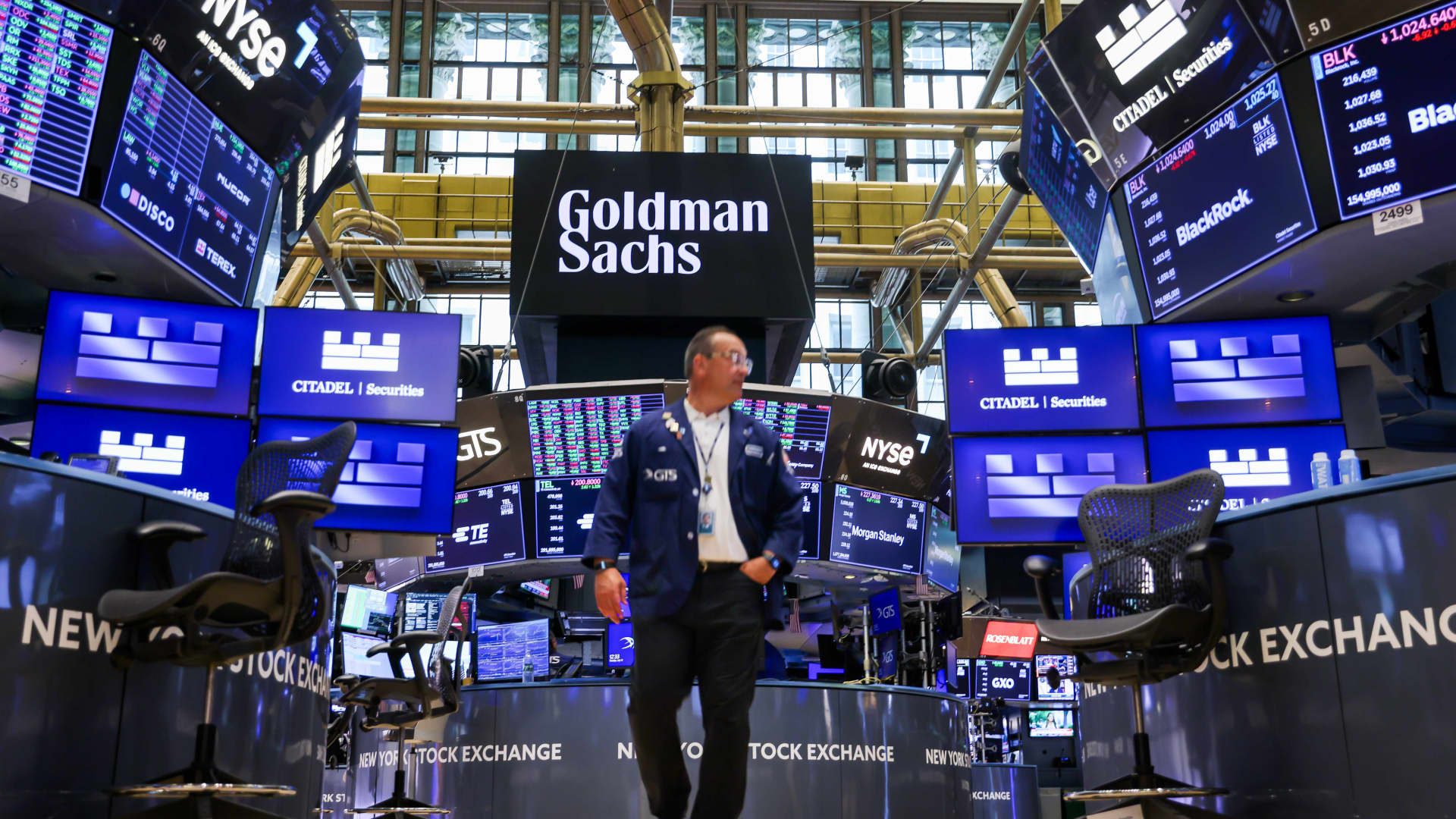
The market’s spotlight remained firmly on the AI rotation last week, overshadowing a strong start to the second-quarter earnings, particularly from major U.S. banks like Goldman Sachs and Wells Fargo. The shift in investor sentiment, however, saw capital migrating away from AI builders toward the buyers and implementers, a dynamic highlighted by a series of market movements. This pivot was amplified by IBM’s unexpected announcement of disappointing second-quarter results, sending its stock down 25% for its worst day on record. CEO Arvind Krishna attributed this softness to customers reallocating technology budgets towards cybersecurity, specialized hardware, and AI tokens, at the expense of traditional software and consulting engagements. This effectively pushed several significant deals into upcoming quarters, creating uncertainty for legacy IT providers.
Simultaneously, the market swiftly rewarded companies benefiting from this reorientation of corporate spending. Cybersecurity giants CrowdStrike and Palo Alto Networks saw rallies of approximately 12% and 7% respectively, while hardware and memory names such as Dell and Micron also experienced gains. This trend reinforces the view that AI is not a threat to cybersecurity but rather a significant demand driver, as enterprises seek to secure increasingly complex AI environments. Conversely, traditional software-as-a-service (SaaS) providers like Salesforce and ServiceNow experienced declines, reflecting the reduced spending on their core offerings as budgets are redirected.
Meanwhile, the initial selling pressure in the AI infrastructure sector began earlier in the week following SK Hynix’s U.S. debut, which saw its shares fall 9%. This triggered a broader sell-off across semiconductor names, with Sandisk tumbling 12%, Intel losing 6%, and AMD declining 4%. Even positive updates from industry leaders like ASML, which raised its full-year sales outlook, and Taiwan Semiconductor, which boosted its capital spending forecast, failed to reverse the trend. Investors appeared more concerned with the escalating costs of AI build-out and whether semiconductor valuations had become overheated. The VanEck Semiconductor ETF (SMH) dropped nearly 9% for the week, extending its recent pullback.
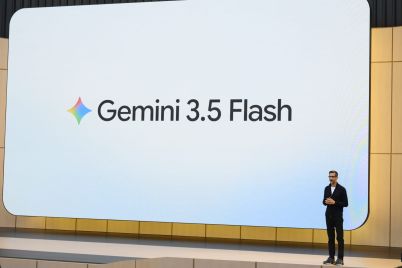
The capital from these infrastructure providers largely flowed into hyperscalers. Alphabet rallied temporarily after Warren Buffett’s investment disclosure, though later surrendered gains on reports of delays in its Gemini AI model. Apple, however, emerged as a significant winner, climbing to record highs after securing approval to bring Apple Intelligence to China, powered by Alibaba’s AI models. This development provides a compelling upgrade incentive for consumers due to the processing demands of Apple Intelligence on newer iPhone models, showcasing the broader impact on technology market trends. Amazon and Microsoft also ended the week higher, underscoring the renewed confidence in major platforms utilizing AI at scale. Jim Cramer, noting the enduring demand for compute and supply constraints, posited that this AI rotation is primarily a function of profit-taking after parabolic gains in infrastructure names.
The shift in enterprise spending, driven by the imperative to adopt and secure AI, creates a clear disruption flow:
- Increased AI Adoption Initiatives → Enterprises prioritize integrating AI across operations.
- Redirected Tech Budgets → Capital shifts from legacy software to AI-specific hardware, cybersecurity, and token-based solutions.
- Demand Surge for Hyperscalers → Cloud giants offering integrated AI platforms and services become primary beneficiaries.
- Enhanced Cybersecurity Imperative → The complexity of AI deployments drives critical demand for advanced security infrastructure.
- Market Revaluation → Semiconductor and traditional software providers face scrutiny, while AI application and security firms see increased valuation.
“The current AI rotation is not a reevaluation of AI’s potential, but a tactical recalibration of where value is being created and captured. CTOs are prioritizing operationalizing AI through scalable cloud services and fortifying their digital perimeters against new threat vectors, shifting focus from raw compute power to integrated intelligence and resilience. This redefines the foundational layer for innovation-driven growth.”
While the semiconductor sector experienced a downturn, the re-channeling of funds highlighted significant shifts in corporate spending and investor preference:
- IBM Stock Decline: -25% on Tuesday, -26% for the week due to budget redirection.
- Cybersecurity Gains: CrowdStrike +12%, Palo Alto Networks +7% on Tuesday, reinforcing AI-driven demand for security.
- AI Infrastructure Pullback: SK Hynix -9%, Sandisk -12%, Intel -6%, AMD -4% at week’s start. VanEck Semiconductor ETF (SMH) dropped nearly 9%.
- Hyperscaler Resilience: Apple hit record highs, Amazon and Microsoft finished the week higher, demonstrating strength in AI application and platform delivery.
Apple’s AI Integration and Market Dominance
Apple’s recent approval to launch Apple Intelligence in China, leveraging Alibaba’s AI models, marks a significant strategic move that could further solidify its market position. This development not only provides a compelling upgrade cycle for consumers, given the higher processing requirements of Apple Intelligence on newer iPhones, but also strategically positions Apple within one of the world’s largest consumer markets. The company briefly surpassed Nvidia to reclaim the title of the world’s most valuable company, underscoring investor confidence in its ability to integrate cutting-edge AI features directly into its ecosystem, potentially driving substantial revenue growth and deepening customer loyalty. Such moves illustrate the ongoing evolution within emerging technologies.
Cybersecurity’s Critical Role in the AI Ecosystem
Far from being disrupted by AI, the cybersecurity industry is proving to be a direct beneficiary of its widespread adoption. IBM’s commentary, which pointed to increased spending on cybersecurity, validates the growing necessity for robust defenses against threats posed by increasingly complex AI infrastructure and applications. Companies like CrowdStrike and Palo Alto Networks are seeing strong demand as enterprises recognize that securing their AI deployments is paramount. This surge in demand transforms cybersecurity from a cost center into a strategic investment, crucial for safeguarding sensitive data and intellectual property in an an AI-first world. For more, refer to Forbes technology coverage.
Navigating the AI Rotation: What Comes Next for Tech
The recent AI rotation represents more than just profit-taking; it’s a structural adjustment signaling a maturing AI landscape where application and security are paramount. This dynamic reconfigures investment priorities, favoring those who can deploy and secure AI at scale over raw compute providers, despite sustained demand for underlying infrastructure. The shift underscores a strategic pivot in enterprise technology spending that will influence market dynamics for quarters to come.
- Enterprises are now prioritizing actionable AI applications and robust security over simply accumulating computing power.
- Hyperscalers and cybersecurity firms are positioned for continued growth as integral partners in AI implementation.
- Semiconductor firms, while still crucial, face increased scrutiny on valuation and immediate returns on massive CapEx investments.
How will this strategic reorientation shape the competitive landscape for AI innovation in the coming year?
📊 StockXpo Analyst’s View
Market Impact: The ongoing AI rotation reflects a healthy, albeit sharp, market recalibration. While initially unsettling for some infrastructure players, the shift signifies a maturing AI investment thesis where tangible application value and security are gaining precedence. This could lead to a broader distribution of market cap beyond a few dominant chip manufacturers, improving overall market liquidity and offering diverse entry points for investors.
Sector To Watch: Cybersecurity and enterprise software companies adept at integrating AI functionality will likely see sustained interest. Simultaneously, hyperscale cloud providers (e.g., Microsoft, Amazon, Google, Apple) remain critical enablers, poised to capture value through their comprehensive AI platforms and services.
Financial Disclaimer:
StockXpo.com is a financial news aggregator and educational portal, not a registered investment advisor or broker-dealer. All information, news, and analysis provided herein are strictly for educational purposes and do not constitute investment, financial, legal, or tax advice. Investing in the stock market involves high risks, and past performance is not indicative of future results. StockXpo will not be liable for any financial losses or investment damages. Always consult a certified financial advisor before making market decisions.
MORE IN INSIDE TECHNOLOGY

Starlink India: Regulatory Hurdles and Innovation-Driven Growth Risks
Published: Friday, October 9, 2026 · 12:48 AM

Starlink Launch: India’s Digital Transformation Faces Regulatory Risk
Published: Thursday, October 8, 2026 · 1:51 AM