Published: Sunday, August 9, 2026 · 1:19 AM | Updated: Sunday, August 9, 2026 · 1:19 AM
📊 132 views




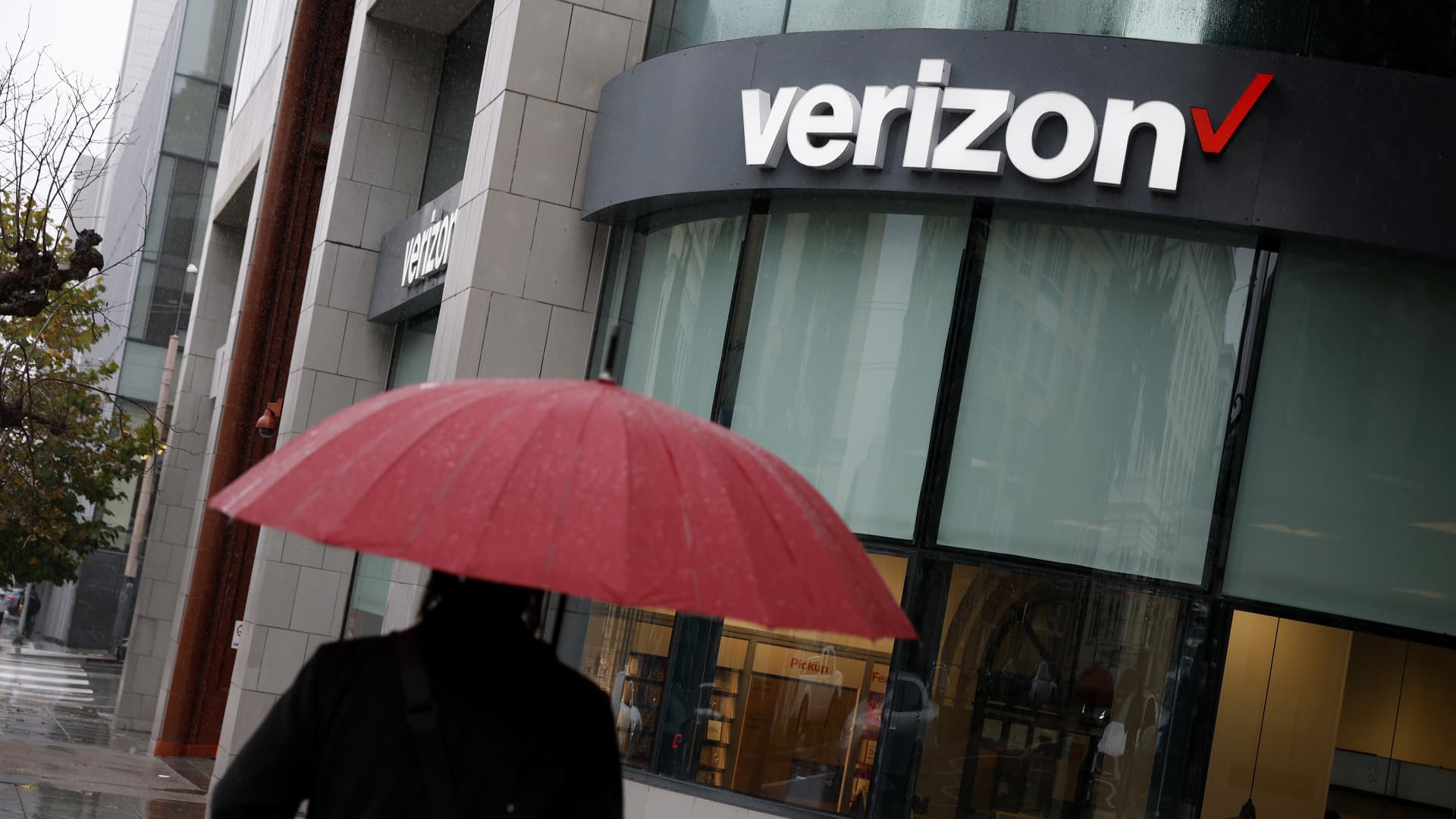
Thousands of Verizon customers across the U.S. experienced significant disruptions to mobile voice services last Saturday, highlighting the critical importance of robust network infrastructure. While service was swiftly restored, the incident spotlights ongoing challenges in maintaining seamless connectivity amidst accelerated digital transformation and increasing network demands.
🚀 Tech Strategy & Market Disruptions
- Network Resilience Imperative. The Verizon outage underscores the paramount need for telcos to invest in self-healing, redundant network architectures to prevent widespread service interruptions, especially in critical communication pathways.
- Cross-Carrier Impact. Interconnected telecom ecosystems mean that a failure in one major provider, like Verizon, can cascade, disrupting services even for competitors such as AT&T and T-Mobile US, revealing systemic vulnerabilities.
- Trust and Customer Loyalty. Repeated or prolonged outages erode customer trust and can accelerate churn in a highly competitive market, forcing carriers to prioritize not just speed and coverage but also unparalleled reliability.
The recent Verizon outage, which left thousands without mobile voice services for several hours last Saturday, commenced around 3:30 p.m. ET. At its peak, data tracking site Downdetector reported over 13,000 complaints, primarily concentrated in major metropolitan areas including New York, Los Angeles, and Boston. This disruption extended beyond Verizon’s direct customer base, impacting users of other major wireless carriers like AT&T and T-Mobile US, whose calls failed to connect due to the underlying network issues.
Verizon acknowledged the service interruption, stating that its engineers successfully resolved the problem affecting voice services. Customers still experiencing difficulties were advised to restart their devices. Crucially, the company has not yet provided a definitive reason for the outage, leaving industry observers to speculate on potential causes ranging from software glitches to hardware failures or even targeted cyber incidents. The incident highlights the intricate interdependencies within the U.S. telecom infrastructure, where a localized issue can quickly ripple across multiple networks and affect millions.
The sequence of events from a network anomaly to widespread customer impact illustrates a critical disruption flow in modern telecommunications. A core network component failure, irrespective of its origin, first leads to degraded service for a segment of direct subscribers. This then cascades into a broader service disruption as calls attempting to traverse affected network segments fail, impacting even rival carriers. The immediate fallout involves significant customer frustration, increased call center volume, and potential economic losses for businesses reliant on mobile communication. Ultimately, such incidents trigger intense scrutiny from regulators and customers alike, pushing carriers to accelerate investments in advanced diagnostics, predictive maintenance, and resilient infrastructure. This drive towards enhanced network reliability becomes a key differentiator in a fiercely competitive market, altering investment priorities for major players.
“In the realm of digital infrastructure, network resilience isn’t merely about uptime; it’s about the fundamental ability of a system to detect, contain, and recover from failures with minimal human intervention and without service interruption. This capability, often termed ‘self-healing,’ is foundational to modern 5G and IoT deployments, where even micro-outages can have macro-economic repercussions.”
Key metrics from the incident include:
- Peak Complaints: Over 13,000 complaints reported to Downdetector at the outage’s height.
- Geographic Impact: Major metropolitan hubs such as New York, Los Angeles, and Boston experienced the highest concentration of affected customers.
- Interconnected Failure: Hundreds of customers from other carriers, including AT&T and T-Mobile US, were indirectly affected by failed call attempts.
Verizon’s Security & Infrastructure Strength
Verizon, as a leading U.S. telecommunications provider, operates a vast and complex network that typically boasts high reliability and robust security protocols. Its infrastructure is designed with multiple layers of redundancy and defense mechanisms against cyber threats and physical disruptions. Investments in fiber optics, 5G standalone architecture, and edge computing are intended to enhance both speed and resilience. However, even the most advanced systems are not immune to unforeseen vulnerabilities. The lack of an immediate public explanation for the recent outage suggests either a highly complex technical issue requiring extensive post-mortem analysis or a strategic decision to withhold details pending a full internal review, potentially to avoid revealing sensitive system information that could be exploited. Maintaining a balance between advanced innovation and ironclad operational stability remains a perpetual challenge for all global carriers, a topic often explored in comprehensive tech analysis as attack surfaces expand with new technologies.
Verizon’s Platform Architecture Evolution
The core of Verizon’s mobile service relies on a sophisticated platform architecture that integrates radio access networks (RAN), core networking elements, and various cloud-native functions. With the ongoing rollout of 5G and the strategic move towards virtualization and software-defined networking (SDN), the complexity of these platforms has dramatically increased. While these advancements promise greater flexibility, scalability, and efficiency—crucial for supporting evolving technology market trends and the explosion of connected devices—they also introduce new potential points of failure. The challenge lies in ensuring that these next-generation architectures maintain carrier-grade reliability. This often involves adopting advanced AI-driven anomaly detection, automated fault isolation, and rapid self-healing capabilities, areas where continuous development is paramount for leading telecom companies, as highlighted by expert analysis from Bloomberg’s technology insights.
Verizon’s Path Forward: Ensuring Uninterrupted Connectivity
The recent service interruption serves as a stark reminder that even industry leaders like Verizon face persistent challenges in maintaining flawless network operations. As the world becomes increasingly reliant on ubiquitous connectivity for everything from daily communication to critical infrastructure, the pressure on carriers to deliver near-perfect uptime intensifies. Proactive investment in resilient network design and advanced diagnostic capabilities will be key to preventing future large-scale disruptions.
- Enhanced transparency regarding outage causes can build greater customer trust.
- Accelerated adoption of AI-driven network management tools is crucial for predictive maintenance.
- Collaborative industry efforts are needed to strengthen interconnected network reliability.
How will this incident influence Verizon’s long-term network investment strategies and competitive positioning in the rapidly evolving telecom landscape?
📊 StockXpo Analyst’s View
Market Impact: While the Verizon outage was relatively short-lived, such incidents can subtly erode consumer confidence, potentially leading to increased churn over time, especially in saturated markets. Investors will be scrutinizing future earnings calls for commentary on network infrastructure investments and operational expenditure related to resilience, impacting valuations for major telecom players like VZ, T, and TMUS. The perceived reliability gap could trigger short-term volatility in these stocks if an underlying systemic issue is identified.
Sector To Watch: The telecom infrastructure sector, specifically companies specializing in network virtualization, cloud-native networking solutions, and advanced cybersecurity, stands to benefit. As carriers are forced to harden their networks, demand for technologies that enhance reliability, automate recovery, and provide real-time threat intelligence will surge. This pushes innovation in emerging technologies, including edge computing platforms and AI-powered network optimization, presenting opportunities for specialized tech vendors. Firms contributing to robust backend systems and resilient architecture are likely to see increased spending from major carriers, as detailed in recent Reuters technology reports.
Financial Disclaimer:
StockXpo.com is a financial news aggregator and educational portal, not a registered investment advisor or broker-dealer. All information, news, and analysis provided herein are strictly for educational purposes and do not constitute investment, financial, legal, or tax advice. Investing in the stock market involves high risks, and past performance is not indicative of future results. StockXpo will not be liable for any financial losses or investment damages. Always consult a certified financial advisor before making market decisions.
MORE IN INSIDE TECHNOLOGY

Starlink India: Regulatory Hurdles and Innovation-Driven Growth Risks
Published: Friday, October 9, 2026 · 12:48 AM

Starlink Launch: India’s Digital Transformation Faces Regulatory Risk
Published: Thursday, October 8, 2026 · 1:51 AM