Published: Saturday, August 8, 2026 · 2:46 PM | Updated: Saturday, August 8, 2026 · 2:46 PM
📊 111 views




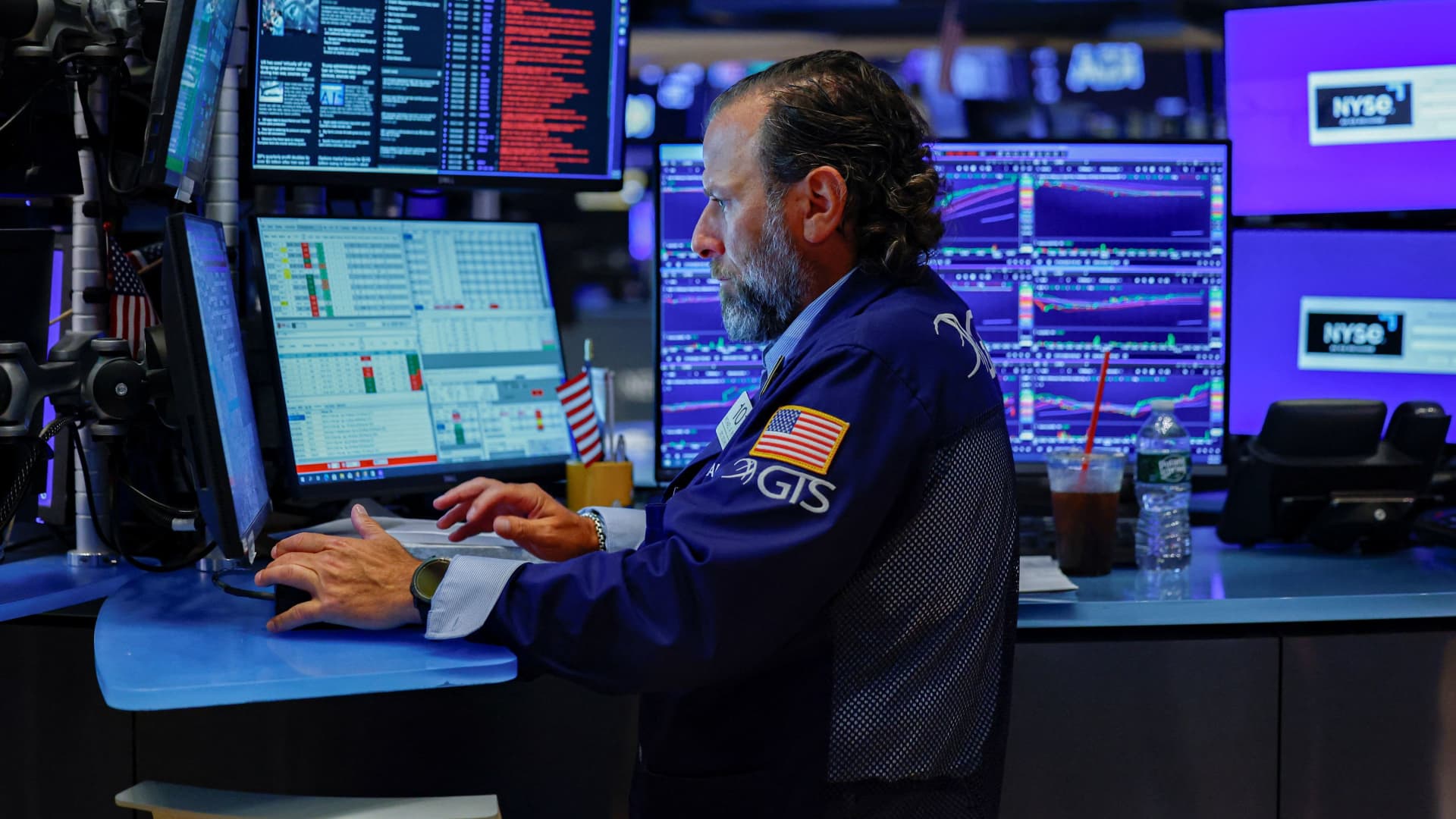
The technology sector experienced a powerful resurgence this week, with AI stocks leading the charge as investors recalibrated expectations following a surprising jobs report. This market dynamic, fueled by shifting Federal Reserve rate hike probabilities and a significant ‘clearing event’ in the AI infrastructure space, presents both opportunities and strategic repositioning imperatives for long-term capital preservation.
💎 Strategic Investment & Portfolio Insights
- Rate Hike Fears Recede. A weaker-than-expected July jobs report significantly reduced the probability of a September Fed rate hike, easing pressure on growth-oriented tech stocks and boosting investor confidence.
- AI Infrastructure Resilience. The liquidation of a highly leveraged hedge fund created a ‘clearing event’ that triggered indiscriminate selling, but strong fundamentals quickly reasserted themselves, highlighting the underlying demand for AI computing capacity.
- Selective Alpha Generation. Active portfolio management included adding to high-conviction positions like Corning and Intel, while trimming high-flyers like CrowdStrike and Palo Alto Networks to lock in substantial gains and reallocate capital.
AI stocks demonstrated robust performance this past week, shaking off July’s pressures to post impressive gains across key indices. The Dow Jones Industrial Average and S&P 500 both hit record highs, while the tech-heavy Nasdaq Composite jumped 5.2%, signaling a renewed appetite for growth equities. This upturn was largely driven by a surprisingly weak July jobs report, which saw nonfarm payrolls unexpectedly fall by 23,000, prompting investors to dial back expectations for a Federal Reserve rate hike in September. According to the CME FedWatch tool, traders are now pricing in a 55% probability of rates remaining unchanged, up from 45% just days prior.
The recovery in semiconductor and data center stocks gained significant momentum following the collapse and forced unwinding of Situational Awareness, a highly leveraged hedge fund. This event, initially seen as a market overhang, ultimately functioned as a ‘clearing event,’ removing a source of indiscriminate selling pressure on fundamentally sound AI infrastructure companies. With this liquidity-driven disruption largely resolved, corporate earnings and business fundamentals have once again become the primary determinants of stock performance. The iShares Semiconductor ETF (SOXX) surged 7.6% for the week, more than doubling the Dow’s 3% gain, underscoring the broad-based strength in the chip sector. While some companies like Sandisk and Western Digital saw muted reactions to guidance despite solid results, these were largely viewed as company-specific rather than indicative of a broader weakening in AI infrastructure demand.
Key individual movements highlight the nuanced nature of this rebound:
* Corning’s Leadership: Finished as a top performer, benefiting from increased demand for AI infrastructure and tailwinds from restrictions on Chinese optical components.
* Micron’s Resurgence: Added to the bullpen, having bounced sharply from recent lows despite remaining 28% below its June 25 record close, indicating potential for further upside.
* Nvidia’s Dominance Reinforced: Shares surged over 11% after Elon Musk announced SpaceX would build its AI infrastructure ‘exclusively on Nvidia,’ citing the Vera Rubin architecture as ‘the best AI computer.’ This endorsement underscored Nvidia’s market leadership.
* AMD’s Mixed Signals: Despite solid quarterly results, AMD shares slipped 7%, illustrating the market’s tendency to view success in Nvidia as a zero-sum game for competitors, though underlying demand suggests room for multiple winners.
This week also saw active portfolio adjustments designed to enhance alpha generation and optimize portfolio composition. Proceeds from the sale of Dover, following a mixed quarter, were redeployed into Johnson & Johnson, where recent weakness was perceived as an overreaction to accounting adjustments rather than a fundamental business shift. Similarly, a position in Honeywell Aerospace was exited due to weakened conviction following revised guidance related to supply chain issues. Crucially, successful long-term holdings like CrowdStrike and Palo Alto Networks were trimmed to lock in substantial gains, reaching returns of approximately 146.5% and 172% respectively, as they approached price targets.
“The market’s swift repricing of AI stocks post-jobs report and the ‘clearing event’ for hedge fund liquidations demonstrate the underlying structural demand for AI infrastructure. Our strategic rebalancing ensures we’re leaning into high-conviction, fundamental opportunities while prudently de-risking positions that have met our long-term targets,” notes our lead CIO, highlighting the importance of agile capital allocation.
While a formal table of comparable financial metrics isn’t directly applicable across the diverse set of discussed movements, several data points underscored the week’s market dynamics and investor actions:
- Nasdaq Composite Week-over-week Gain: 5.2% (Reflecting strong tech sector recovery).
- iShares Semiconductor ETF (SOXX) Week-over-week Gain: 7.6% (Indicating robust demand for chipmakers).
- Micron’s Discount from June 25 Record High: ~28% (Highlighting potential value despite recent rebound).
- CrowdStrike Realized Gain (from original cost): ~146.5% (Demonstrating successful long-term growth investment).
- Palo Alto Networks Realized Gain (from original cost): ~172% (Further proof of effective cybersecurity sector positioning).
Each metric provides crucial context to market sentiment and the efficacy of strategic portfolio decisions, enabling investors to gauge momentum and value.
Nvidia’s Competitive Benchmarking in AI Infrastructure
Nvidia’s commanding position in AI infrastructure was unequivocally reinforced by SpaceX’s decision to build its entire AI ecosystem ‘exclusively on Nvidia’s Vera Rubin architecture.’ This endorsement from a major innovator like Elon Musk provides a powerful competitive signal, especially as other hyperscalers like Google and Amazon continue to invest heavily in their own custom silicon. While the market often pits Nvidia against rivals like AMD, the robust and expanding demand for AI computing capacity suggests that the market is large enough for multiple players to thrive. Nvidia’s specialized GPUs, coupled with its CUDA software platform, create a formidable moat, making it the preferred choice for complex AI workloads and cementing its status as a critical enabler of the ongoing AI buildout. This strengthens its pricing power and long-term revenue visibility, as detailed by a recent report on global market analysis.
Micron’s Risk-Reward Matrix for Memory Innovation
Micron, a leading memory-chip maker, presents an intriguing risk-reward profile within the current AI-driven market. While the stock has seen a sharp rebound from its July 30 lows, it remains significantly below its June 25 record close, suggesting considerable upside potential if the AI infrastructure buildout continues at its projected pace. The primary risk lies in the cyclical nature of the memory market, which can be prone to oversupply and price volatility. However, Micron’s increasing exposure to high-bandwidth memory (HBM), crucial for advanced AI accelerators, mitigates some of this cyclicality. The strategic addition of Micron to the bullpen signifies a belief that the long-term tailwinds from AI and data center expansion will outweigh short-term memory market fluctuations, offering a compelling entry point for investors seeking exposure to fundamental growth and future portfolio growth opportunities.
Navigating the Evolving Landscape for AI Stocks
The strong rebound in AI stocks this week signals a crucial shift in market sentiment, moving past transient liquidity events to re-focus on robust underlying fundamentals and demand drivers. The easing of interest rate hike concerns, coupled with a renewed appreciation for essential AI infrastructure companies, underscores the sector’s long-term growth trajectory.
- The market’s ability to quickly differentiate between forced selling and fundamental value provides a clear signal for discerning investors.
- Strategic portfolio rebalancing, including locking in gains on high-performing assets and adding to core conviction plays, is paramount for sustained alpha.
- The continued investment by tech giants into AI infrastructure, despite some in-house chip development, validates the sustained demand for leading-edge components.
How will the sustained buildout of AI infrastructure shape broader market dynamics and investor strategies in the coming quarters?
### 📊 StockXpo Analyst’s View
Market Impact: The week’s rally, particularly in AI stocks, reflects a broader shift in investor sentiment from defensive positioning to a renewed embrace of growth assets, spurred by a more dovish Fed outlook. This could lead to a ‘risk-on’ environment, increasing market liquidity and encouraging capital reallocation into high-growth technology sectors.
Sector To Watch: Beyond core semiconductor plays, investors should keenly watch the enterprise software and data management sectors. As AI adoption accelerates, the demand for robust software solutions that enable efficient deployment and management of AI models will surge, creating new growth avenues. Furthermore, companies providing secure and scalable cloud infrastructure for AI workloads, often overlooked in the hardware-focused narrative, are poised for significant gains and offer intriguing educational market insights. This broader AI ecosystem extends beyond just chips, influencing various layers of the technology stack, and tracking global market trends on platforms like Bloomberg’s financial news can provide additional context.
Financial Disclaimer:
StockXpo.com is a financial news aggregator and educational portal, not a registered investment advisor or broker-dealer. All information, news, and analysis provided herein are strictly for educational purposes and do not constitute investment, financial, legal, or tax advice. Investing in the stock market involves high risks, and past performance is not indicative of future results. StockXpo will not be liable for any financial losses or investment damages. Always consult a certified financial advisor before making market decisions.
MORE IN INSIDE INVESTMENT NEWS

Delta Air Lines Forecast: Warning Signals on 2026 Outlook Amid Fuel Volatility
Published: Friday, October 9, 2026 · 8:54 AM

PepsiCo Earnings Forecast Cut: Alpha Generation Amid North American Lag
Published: Thursday, October 8, 2026 · 6:41 AM