
Published: Tuesday, June 23, 2026 · 9:34 AM | Updated: Tuesday, June 23, 2026 · 9:34 AM
📊 264 views




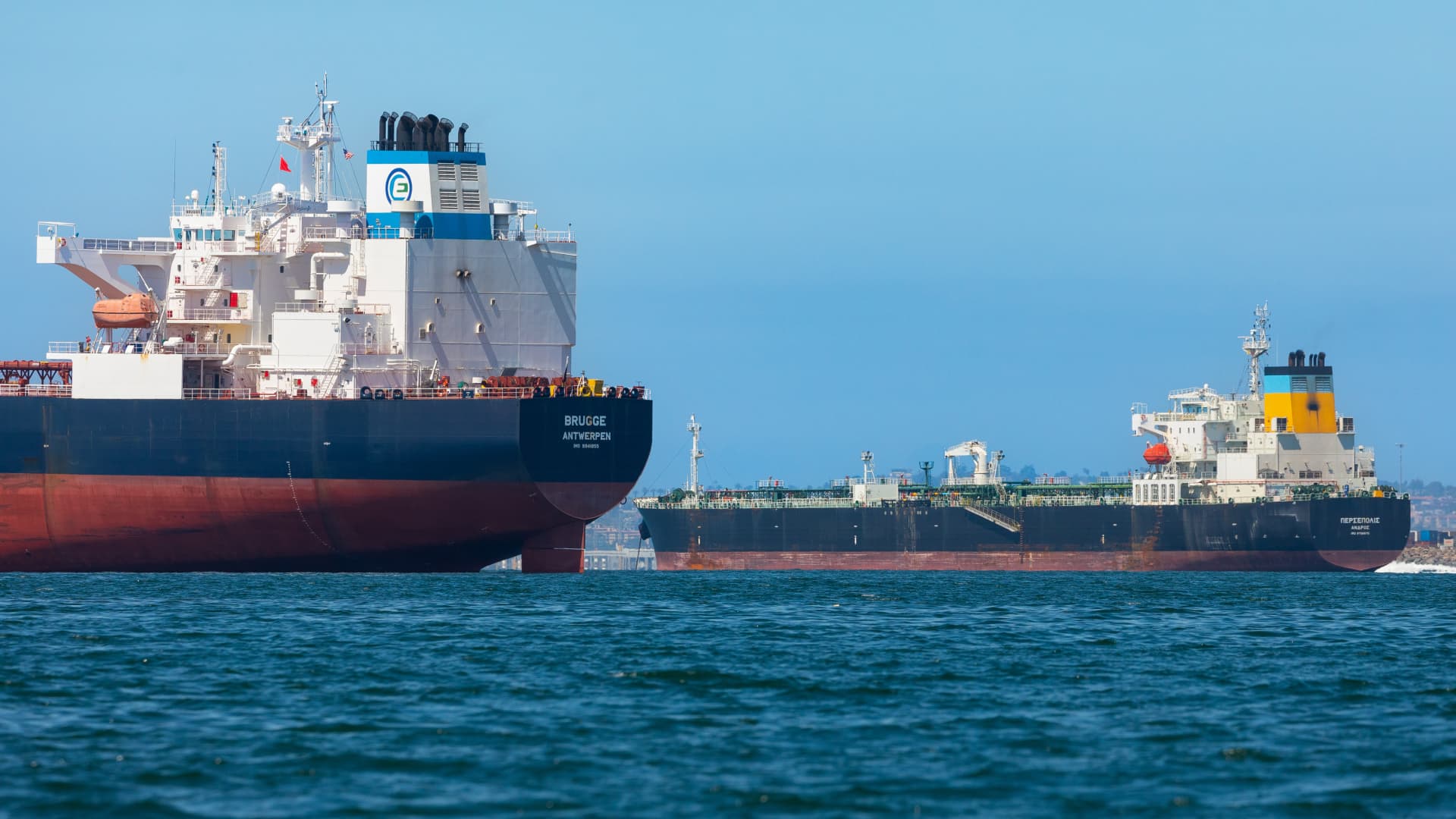
The U.S. has significantly altered its long-standing policy toward Iran’s energy sector, issuing a temporary but comprehensive waiver on oil sanctions. This pivotal move, allowing dollar-denominated transactions for the first time in over four decades, is poised to inject billions into Tehran’s economy and significantly recalibrate global crude supply dynamics amidst ongoing diplomatic efforts.
📊 Macro-Economic Strategic Insights
- Unlocking Billions. Iran could see an $8-9 billion windfall from an estimated 67 million barrels of stranded crude.
- Dollar-Denominated Trade Returns. This marks the first time in over 40 years Iran can conduct oil transactions in U.S. dollars.
- China’s Aggressive Purchase. Analysts anticipate China will rapidly accelerate its acquisition of Iranian crude, impacting global demand.
The recent issuance of sweeping Iran oil sanctions waivers by the U.S. Treasury, under General License X, represents the most significant rollback of American oil sanctions since the 1979 Islamic Revolution. Effective for 60 days until August 21, this exemption permits Iran to produce and sell crude oil, petrochemical, and petroleum products using U.S. dollars. This crucial development not only clears vessels and entities previously under U.S. sanctions for transactions but also theoretically reopens the door for U.S. imports of Iranian crude, a trade largely dormant since the 1990s, as reported by the U.S. Energy Information Administration and corroborated by international economic reports.
This policy shift reverses years of economic pressure designed to cripple Iran’s economy and is expected to deliver substantial oil revenue to the Iranian regime. Miad Maleki, a former Treasury sanctions official and senior fellow at the Foundation for Defense of Democracies, estimates the waiver could unlock approximately 67 million barrels of Iranian crude currently floating in the Gulf, potentially yielding $8 to $9 billion for Tehran. He emphasized that this comprehensive reopening of Iran’s most vital revenue stream, encompassing production, sales, dollar payments, petrochemicals, and protected shipping, marks a pivotal moment.
While U.S. President Donald Trump defended the decision, stating that profits are intended for agricultural goods rather than military rebuilding, the economic ramifications are undeniable. Iranian crude exports have already begun to tick up, with maritime intelligence firm Windward reporting 6.79 million barrels shipped last week, a two-month high, underscoring the immediate market reaction. Brett Erickson of Obsidian Risk Advisors even suggests that Iranian crude, traditionally trading at a discount, could shift to a premium above Brent given demand pressures, further boosting Tehran’s earnings. This broader move aligns with positive progress reported in U.S.-Iran talks that concluded in Switzerland, aiming for a final peace deal, as extensively covered by leading economic news outlets.
Perhaps one of the most transformative aspects of the latest exemption is its impact on Iran’s banking infrastructure. The ability to receive oil proceeds directly into its central bank significantly reduces the transaction costs previously incurred by routing payments through a shadowy network of intermediaries. For further insights into such complex geopolitical shifts and their economic underpinnings, readers can explore the StockXpo educational insights.
- The authorization of dollar clearing simplifies transactions, removing a major friction point that had constrained volume for buyers, particularly in China.
- State refiners and independent refineries (‘teapots’) will now have easier access to intermediary banking networks, which they previously had to circumvent.
- Miad Maleki predicts a rapid ‘top-off cycle’ as Chinese buyers rush to replenish stockpiles before the August exemption expiry.
China currently accounts for roughly 90% of Iran’s oil exports, with teapots making up the majority of these imports. Despite a recent unprecedented drop in China’s crude imports between February and May, analysts like Muyu Xu from Kpler note that while buyers are currently assessing the new authorization, interest is expected to rise, with actual procurement depending on pricing and cargo availability. Michael Feller, chief strategist at Geopolitical Strategy, suggests Iran will likely leverage this 60-day window to repair war-damaged oil facilities and secure longer-term contracts with Chinese buyers, signaling a significant economic and political boost for the nation.
The immediate economic consequences of the Iran oil sanctions waivers are far-reaching and can be distilled into clear cause-and-effect relationships for the global economy:
- U.S. Sanctions Waiver → Increased Iranian Oil Supply → Potential downward pressure on global crude prices (or upward pressure on Iranian oil premium due to demand).
- Dollar-Denominated Trade → Lower transaction costs for Iran → Higher net revenue for Tehran.
- Re-establishment of Formal Trade Channels → Reduced reliance on illicit networks → Improved transparency in global oil markets.
- China’s Accelerated Purchases → Depletion of floating Iranian crude inventory → Stronger energy security for China and potential shifts in regional trade balances.
The authorization of dollar clearing for Iranian oil transactions is not merely a procedural change; it’s a systemic de-risking for international buyers. Previously, entities like China’s ‘teapots’ navigated complex, often opaque, and higher-cost channels to procure Iranian crude, exposing them to secondary sanctions. Now, with direct dollar payment, the friction is dramatically reduced, making Iranian crude significantly more attractive and easier to integrate into conventional supply chains. This drastically improves Tehran’s netbacks on sales.
Key metrics underpinning the immediate impact of the waivers:
- Floating Crude Inventory: Approximately 67 million barrels of Iranian crude oil are estimated to be currently stranded in the Gulf, awaiting market release. This represents a significant potential immediate supply injection.
- Potential Revenue Windfall: The release of this inventory could generate an estimated $8 to $9 billion in revenue for Iran, providing a substantial boost to its economy.
- Recent Export Surge: In the week prior to the waiver, Iran’s crude exports reached 6.79 million barrels, marking the highest level in two months, reflecting growing anticipation and demand.
Global Energy Market Rebalancing: What Happens Next?
The re-entry of a significant volume of Iranian crude, particularly through simplified dollar-denominated trade, poses a complex rebalancing act for global energy markets. While the immediate 60-day window might trigger a rush to clear existing inventories, the longer-term implications for benchmark prices like Brent are multifaceted. Increased supply could theoretically ease price pressures, but the specific dynamics of Chinese demand, coupled with Iran’s strategic pricing, could lead to a premium for its crude, defying simple supply-demand models. This market shift warrants close monitoring by institutional investors tracking global economic policy and energy forecasts.
China’s Strategic Energy Play: Beyond Short-Term Gains
For China, the lifting of Iran oil sanctions waivers is more than just access to cheaper crude; it’s a strategic energy security move. With its crude imports shrinking significantly earlier this year, the opportunity to rapidly replenish stockpiles from a historically reliable, albeit previously sanctioned, supplier is invaluable. Chinese buyers, particularly independent refineries, are expected to leverage this window not only for immediate top-offs but also to potentially lock in longer-term contracts, diversifying their energy sources and strengthening their bargaining position in the global oil market. This reflects a broader geopolitical strategy to ensure stable and secure energy supplies amidst evolving international relations, a critical component for the country’s sustained growth.
The Broader Impact of Iran Oil Sanctions Waivers on Future Diplomacy
The recent U.S. decision to issue Iran oil sanctions waivers marks a significant pivot in international relations and global energy dynamics. While immediately offering a substantial economic lifeline to Tehran and potentially stabilizing crude supply, this 60-day window also acts as a critical test of diplomatic progress between Washington and Tehran. The extent to which Iran can leverage this period for economic recovery and the stability it brings to the global oil market will undoubtedly influence the prospects for a lasting peace deal.
- The move signifies a pragmatic shift in U.S. foreign policy, prioritizing de-escalation and engagement over sustained economic pressure.
- It offers Iran a crucial, albeit temporary, opportunity to rebuild its oil infrastructure and secure long-term trade partnerships, particularly with China.
- The increased flow of Iranian oil will test the resilience of global supply chains and potentially recalibrate oil pricing strategies for other major producers.
Will these temporary waivers lay the groundwork for a more stable and integrated Iran in the global economy, or will underlying geopolitical tensions resurface once the 60-day window closes?
📊 StockXpo Analyst’s View
Market Impact: This news introduces a short-term supply boost to the global oil market, potentially easing crude price volatility. The shift to dollar-denominated trade for Iran streamlines transactions, adding liquidity to what was previously an opaque market. Investors should anticipate a temporary re-rating of certain energy futures as supply increases, though the 60-day limit means this is likely a tactical, rather than structural, market adjustment. Global stock markets could react positively to any perceived easing of geopolitical tensions.
Sector To Watch: The immediate beneficiaries are global oil traders, refiners (especially in Asia), and shipping companies that can capitalize on the increased flow of Iranian crude. The oil and gas sector will need to monitor how this increased supply impacts their own pricing and production strategies. Additionally, the diplomatic implications could indirectly affect defense and technology sectors if it signals broader geopolitical shifts.
Financial Disclaimer:
StockXpo.com is a financial news aggregator and educational portal, not a registered investment advisor or broker-dealer. All information, news, and analysis provided herein are strictly for educational purposes and do not constitute investment, financial, legal, or tax advice. Investing in the stock market involves high risks, and past performance is not indicative of future results. StockXpo will not be liable for any financial losses or investment damages. Always consult a certified financial advisor before making market decisions.
MORE IN INSIDE ECONOMY

Labor Market Weakness: September Jobs Report Signals Economic Shift
Published: Friday, October 2, 2026 · 10:08 AM
China Industrial Profit Growth: A Slowing Expansion Amidst Economic Headwinds
Published: Sunday, September 27, 2026 · 11:09 PM


