
Published: Monday, June 22, 2026 · 1:40 PM | Updated: Monday, June 22, 2026 · 1:40 PM
📊 249 views




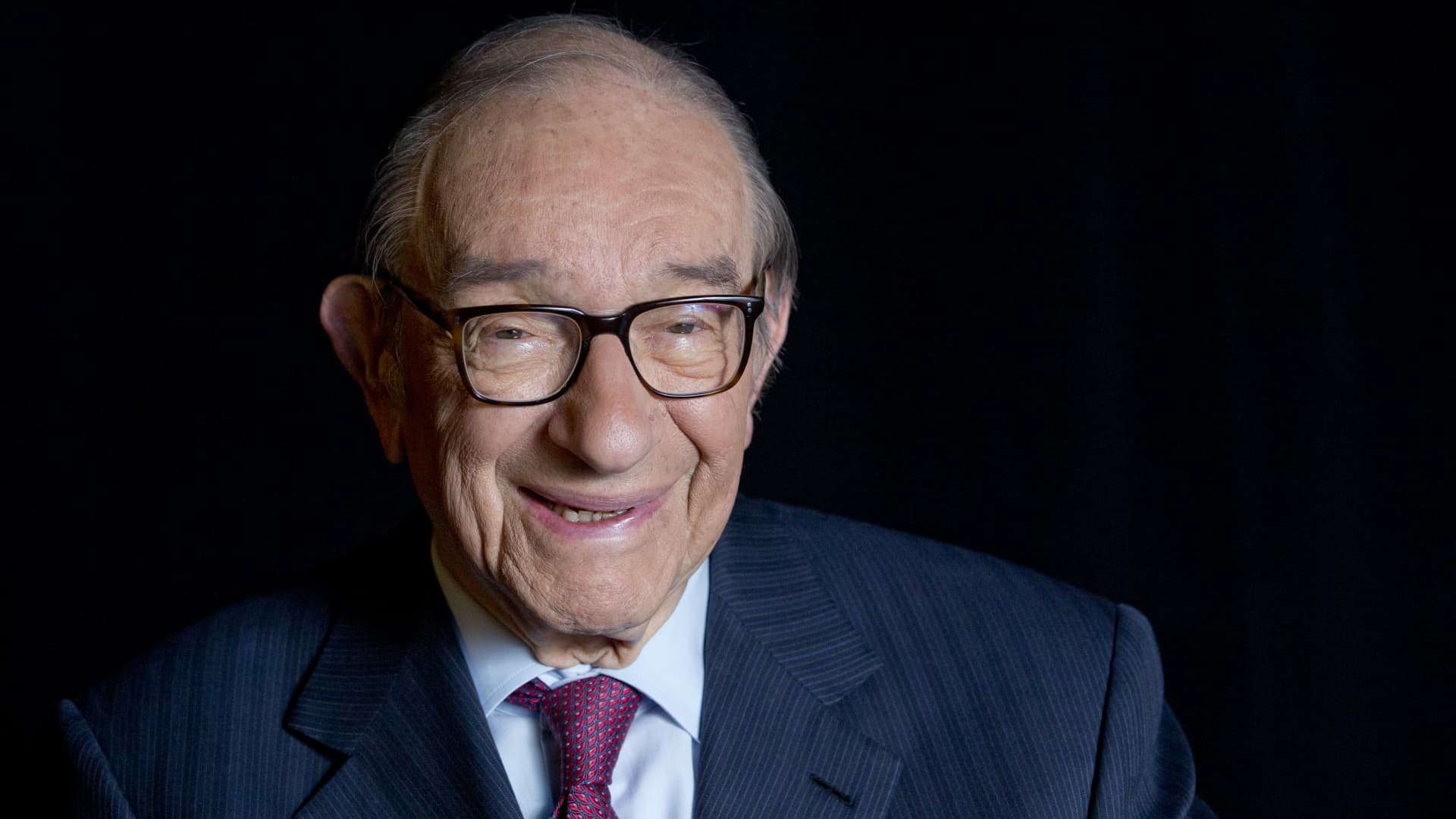
Alan Greenspan, the influential former Federal Reserve chairman known as ‘the Maestro,’ has passed away at 100, leaving behind a complex legacy that defined an era of U.S. economic policy. His nearly two-decade tenure shaped financial markets through periods of both immense prosperity and significant volatility, sparking debates on asset valuation and risk management that persist today.
💰 Financial Strategy & Market Insights
- Longest-Serving Fed Chair. Greenspan led the Federal Reserve from 1987 to 2006, navigating critical economic events like Black Monday and the dot-com bust.
- ‘Irrational Exuberance’ Warning. His famous 1996 speech highlighted concerns over escalating asset values, influencing global market sentiment.
- Monetary Policy Debates. While credited for sustained growth, his ‘loose hand’ is often cited as a contributing factor to the 2008 financial crisis, particularly concerning housing bubbles.
Alan Greenspan’s Fed Legacy remains a subject of intense academic and market scrutiny, marking a pivotal period in central banking. Appointed by President Ronald Reagan in 1987, his leadership began just weeks before Black Monday, where his swift injection of liquidity helped avert a deeper crisis. This initial response cemented his reputation as ‘the Maestro’ and laid the groundwork for what critics later termed the ‘Greenspan put’—a perception that the Fed would intervene to prevent significant market downturns, potentially encouraging excessive risk-taking.
During his almost two decades at the helm, Greenspan’s approach to monetary policy often prioritized fighting inflation, a principle that underpinned much of the era’s economic expansion. However, his famous ‘irrational exuberance’ speech in 1996, where he questioned the sustainability of asset valuations, illustrated his awareness of speculative bubbles, even as the market continued its upward trajectory until the dot-com bust of 2001. This period showcased a delicate balance between fostering growth and managing speculative risks, a challenge he often addressed with a famously obscure communication style, dubbed ‘Fedspeak.’
Greenspan’s later years at the Fed, particularly his low interest rate policies following the dot-com bust and 9/11, drew significant criticism. Many economists and analysts, including his successor Ben Bernanke, retrospectively pointed to these policies as potentially fueling the housing bubble that culminated in the 2008 financial crisis. Despite his defense that broadened homeownership was worth the risk, Greenspan later admitted he ‘didn’t get it until very late’ regarding the scale of questionable lending practices. The long-term implications of these choices continue to influence discussions on central bank independence and the limits of monetary intervention in managing systemic risk, a topic relevant for those interested in deeper market analysis and the dynamics of the financial sector.
- Greenspan’s tenure saw both profound economic growth and the seeds of future crises, defining a crucial chapter in modern financial history.
Assessing Risk and Reward in Greenspan’s Era
- Upside:
- Greenspan’s early crisis management provided a playbook for central banks to stabilize markets during severe dislocations, fostering confidence in liquidity provisions.
- His focus on inflation control contributed to periods of sustained economic growth and stability, encouraging long-term investment.
- Downside Risks:
- The perceived ‘Greenspan put’ may have inadvertently encouraged excessive risk-taking and asset bubbles, leading to severe market corrections like the 2008 financial crisis.
- His complex ‘Fedspeak’ sometimes created market uncertainty, making it challenging for investors to anticipate policy shifts accurately.
‘Irrational exuberance,’ a term coined by Alan Greenspan, refers to the speculative fever that can drive asset prices beyond their fundamental value. This psychological phenomenon, often amplified by easy monetary conditions, creates unsustainable bubbles that pose significant risks to market stability and investment portfolios. Understanding this concept is crucial for prudent asset valuation and risk management strategies.
Key Eras of Monetary Policy and Market Response
- 1987: Appointed Fed Chairman, immediately facing Black Monday.
- 1996: ‘Irrational Exuberance’ speech, highlighting market valuation concerns.
- 2001: Dot-com bubble burst and 9/11 attacks, leading to lower interest rates.
- 2006: Retirement after 18+ years, succeeded by Ben Bernanke.
- 2008: His policies debated in context of the global financial crisis.
Monetary Policy Liquidity Analysis
Greenspan’s response to the 1987 stock market crash involved a swift, decisive injection of liquidity into the banking system. This move was instrumental in preventing a wider financial meltdown and solidified the Fed’s role as a lender of last resort. However, this action also ingrained a market expectation of central bank intervention, famously dubbed the ‘Greenspan put,’ which some argue distorted market perceptions of risk. By consistently providing ample liquidity during downturns, the Fed under Greenspan often reassured investors, perhaps at the cost of fostering moral hazard. This strategy influenced how investors approached risk, anticipating a safety net that could inflate asset valuations beyond sustainable levels. For those looking at global market trends, this historical precedent remains a vital case study in the power and peril of central bank liquidity operations.
Greenspan Era Yield Curve Dynamics
During Alan Greenspan’s tenure, the yield curve often reflected the market’s evolving expectations about future economic growth and inflation, heavily influenced by Fed policy. Periods of rising short-term rates, aimed at curbing inflation, frequently led to flattening or inverted yield curves, signaling potential economic slowdowns. Conversely, low interest rate environments, such as those maintained after 9/11, steepened the curve, stimulating borrowing and investment but also raising concerns about asset bubbles. The interaction between the Fed’s target rate and the long end of the curve provided critical insights into market sentiment and liquidity conditions, offering a complex gauge for investors trying to navigate capital shifts. Analyzing these historical yield curve dynamics offers valuable perspective for understanding current central bank challenges, as detailed in various essential financial insights.
Alan Greenspan’s Lasting Impact on Modern Financial Strategy
Alan Greenspan’s passing marks the end of an era, but his influence on central banking and global markets will endure, sparking ongoing debate about the balance between economic stability and market intervention. His complex legacy continues to shape how financial strategists approach asset valuation and risk management in an interconnected world.
- His ‘Maestro’ reputation set a high bar for crisis management but also introduced the ‘Greenspan put’ concept.
- Debates around his low interest rate policies highlight the perpetual challenge of identifying and addressing asset bubbles.
- His communication style, ‘Fedspeak,’ underscores the power of central bank rhetoric in moving markets.
How will future central bankers balance Greenspan’s lessons with new economic realities and technological disruptions?
📊 StockXpo Analyst’s View
Market Impact: Alan Greenspan’s legacy reminds us of the profound influence a central bank chairman can have on market psychology and capital flows. The ‘Greenspan put’ concept, while controversial, continues to inform investor behavior, implying an implicit backstop during severe downturns. This perception can lead to overvaluation in certain assets, potentially increasing systemic risk.
Sector To Watch: The financial services sector, particularly banking and investment firms, remains highly sensitive to central bank rhetoric and policy shifts. Understanding the historical context of monetary policy decisions, such as those made under Greenspan, is crucial for assessing risk and opportunity in this sector, especially as global central banks navigate current inflationary pressures and liquidity challenges, as often reported by broader financial news.
Financial Disclaimer:
StockXpo.com is a financial news aggregator and educational portal, not a registered investment advisor or broker-dealer. All information, news, and analysis provided herein are strictly for educational purposes and do not constitute investment, financial, legal, or tax advice. Investing in the stock market involves high risks, and past performance is not indicative of future results. StockXpo will not be liable for any financial losses or investment damages. Always consult a certified financial advisor before making market decisions.
MORE IN INSIDE FINANCE

Singapore Haven: Stability Yields Opportunity Amid Global Volatility
Published: Tuesday, October 13, 2026 · 12:19 AM

Inflation Peak for 2026: Sticky Prices to Challenge Asset Valuations
Published: Monday, October 12, 2026 · 11:45 AM


