Published: Monday, June 22, 2026 · 12:09 PM | Updated: Monday, June 22, 2026 · 12:09 PM
📊 223 views




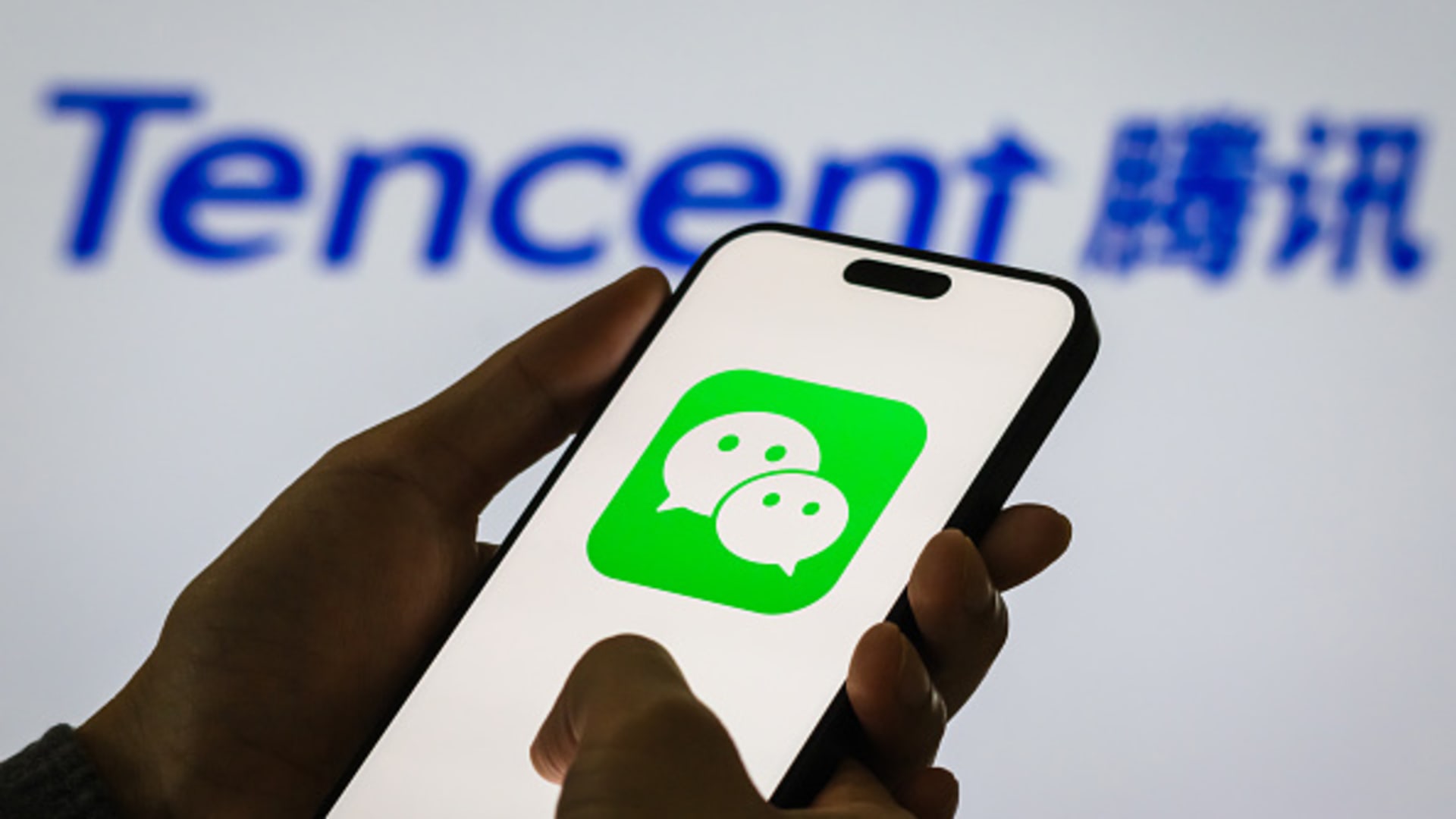
Tencent Holdings Ltd. (700-HK) is aggressively moving to integrate a native AI assistant, Xiaowei, into its ubiquitous WeChat platform, marking a significant push into China’s fiercely competitive artificial intelligence landscape. This strategic development aims to leverage WeChat’s massive user base to challenge established rivals and explore new avenues for AI monetization, fundamentally reshaping the digital experience for over a billion users.
🚀 Tech Strategy & Market Disruptions
- AI Integration in Super-App. Tencent is embedding Xiaowei, a native AI assistant, directly into WeChat, providing a seamless user experience within China’s most popular messaging and service platform.
- Monetization & Market Capture. This move is designed to capture a significant portion of WeChat’s 1.4 billion users for AI services, opening new potential revenue streams and strengthening Tencent’s position against domestic AI giants like Alibaba.
- Competitive Landscape Shift. By enhancing WeChat’s core functionality with advanced AI, Tencent intensifies the competition within China’s AI sector, pushing innovation and forcing rivals to accelerate their own integration efforts.
WeChat’s Evolution: A New Era of AI-Driven Engagement
The introduction of the Tencent AI assistant, Xiaowei, into Weixin—the Chinese version of WeChat—marks a pivotal moment for the tech behemoth. This isn’t merely an incremental update but a foundational shift designed to redefine user interaction and expand the platform’s utility beyond its current vast capabilities. With over 1.4 billion monthly active users, predominantly in China, WeChat is an indispensable digital infrastructure, facilitating everything from social messaging and payments to mini-program interactions and daily services. The integration of an intelligent assistant aims to streamline these diverse functions, offering a more personalized and proactive user experience, as reported by CNBC.
This move comes amidst increasing investor scrutiny on Tencent’s AI monetization strategies, following earlier discussions last year regarding deeper AI integration within its ecosystem. The company’s goal is clear: leverage its unparalleled user reach to convert active users into consumers of AI-powered services, potentially unlocking substantial new revenue streams.
- Xiaowei facilitates text and voice interactions, enabling users to communicate with friends and launch various mini-programs seamlessly.
- The AI assistant is currently undergoing small-scale testing, indicating a cautious yet ambitious rollout strategy.
- Tencent has been bolstering its AI capabilities, including poaching an OpenAI researcher and developing its own Hunyuan family of AI models, signaling a long-term commitment.
The Ripple Effect of Intelligent Integration on China’s Digital Economy
The seamless embedding of advanced AI into a super-app like WeChat initiates a profound disruption flow across China’s digital economy. The initial cause is the Tencent AI assistant‘s ability to interpret complex user requests and interact across various services. This enhanced capability leads directly to faster, more intuitive user interactions with mini-programs and platform features. The immediate effect is increased user stickiness and deeper engagement with the Tencent ecosystem. Ultimately, this cultivates a stronger competitive advantage for Tencent against rivals like Alibaba, DeepSeek, and Zhipu, potentially redefining market leadership in the AI-driven service sector and driving widespread digital transformation across industries reliant on WeChat’s infrastructure.
As a CTO, I see Tencent’s move as a masterclass in platform leverage. Embedding an AI agent like Xiaowei into an application with WeChat’s scale isn’t just about adding a feature; it’s about fundamentally re-architecting the user’s digital operating system, shifting from reactive app usage to proactive intelligent assistance. This creates a formidable ‘AI moat’ that competitors will find exceptionally challenging to bridge, effectively increasing the platform’s utility at an exponential rate.
Navigating China’s Fierce AI Competition
Tencent’s foray with Xiaowei places it squarely in a battle against well-entrenched and rapidly innovating domestic rivals. Companies like Alibaba, with its extensive cloud computing and e-commerce ecosystem, and specialized AI firms such as DeepSeek and Zhipu, have been aggressively developing their own large language models and AI applications. Tencent’s approach is unique in its direct integration into a super-app, providing an unparalleled distribution channel that few competitors can match. The company’s internal development of the Hunyuan family of models underscores its commitment to building proprietary AI capabilities, reducing reliance on external providers, and tailoring solutions specifically for its vast user base. This internal strength is bolstered by strategic talent acquisition, including a key OpenAI researcher brought on to lead its AI initiatives, as noted by recent technology market analyses.
Tencent’s Ecosystem Expansion Potential
The integration of the Tencent AI assistant, Xiaowei, significantly amplifies the expansion potential of Tencent’s already vast digital ecosystem. By making interactions more intuitive and efficient, Xiaowei can drive higher engagement with existing services and facilitate the adoption of new ones. Imagine an AI agent proactively recommending mini-programs based on user habits, streamlining complex booking processes, or even guiding users through financial transactions. This intelligent layer reduces friction, potentially leading to increased transaction volumes, advertising revenue, and subscription uptake across WeChat’s diverse offerings. Furthermore, a highly intelligent assistant could serve as a foundational layer for developing more sophisticated enterprise AI solutions, extending Tencent’s reach into business applications and B2B services, thereby creating new avenues for growth and monetization for its platform, as explored in various technology market trends.
WeChat’s Market Adoption Challenges Ahead
Despite WeChat’s dominant position, the rollout of Xiaowei is not without its challenges regarding market adoption. Integrating AI, particularly a proactive assistant, into a super-app involves intricate user experience design and trust-building. Users accustomed to a certain interaction paradigm might initially resist changes, particularly concerning data privacy and the autonomy of the AI. Tencent must carefully navigate user expectations, ensuring transparency in how Xiaowei operates and manages personal data. Over-aggressive or poorly implemented AI features could lead to user fatigue or even backlash. The success will hinge on whether Xiaowei genuinely enhances convenience without becoming intrusive, balancing innovation with user comfort in a culturally nuanced market. This delicate balance is a common theme in the world of emerging technologies.
Tencent’s AI Gambit: Reshaping the Super-App Paradigm
Tencent’s strategic integration of the Xiaowei Tencent AI assistant into WeChat signals a critical turning point for the company and the broader Chinese tech landscape. This move is not merely a feature addition but a fundamental re-imagining of how users interact with digital services, positioning Tencent to capture significant value from the burgeoning AI economy.
- The initiative reinforces Tencent’s commitment to leading in AI, bolstering its proprietary Hunyuan models.
- Expect intensified competition, compelling rivals to accelerate their own AI integrations.
- The success of Xiaowei will set a new benchmark for AI utility and monetization within global super-apps.
Will this bold AI integration solidify Tencent’s dominance, or will execution challenges and rival innovations prevent it from achieving its full potential in the digital ecosystem?
📊 StockXpo Analyst’s View
Market Impact: Tencent’s aggressive AI push via WeChat is likely to positively influence investor sentiment, signaling robust innovation and new revenue avenues beyond traditional gaming and advertising. This move could see a reallocation of capital towards companies demonstrating tangible AI integration and monetization strategies, potentially boosting Tencent’s market valuation and putting pressure on competitors to show similar progress. The stock could see upward momentum as analysts factor in future AI-driven growth.
Sector To Watch: The **SaaS and Platform Services** sector, particularly those operating within super-app ecosystems or providing AI backend infrastructure, will be critical to monitor. Companies that can seamlessly integrate AI capabilities into vast user bases, much like Tencent is attempting, stand to gain significant market share and investor interest. Pay close attention to firms specializing in AI agent development and those providing scalable AI computing resources, as these will be the engines of future digital transformation, as discussed in Bloomberg technology insights or similar educational tech insights.
Financial Disclaimer:
StockXpo.com is a financial news aggregator and educational portal, not a registered investment advisor or broker-dealer. All information, news, and analysis provided herein are strictly for educational purposes and do not constitute investment, financial, legal, or tax advice. Investing in the stock market involves high risks, and past performance is not indicative of future results. StockXpo will not be liable for any financial losses or investment damages. Always consult a certified financial advisor before making market decisions.
MORE IN INSIDE TECHNOLOGY

Bond Yields Under Pressure: IMF Warns of ‘Disorderly’ Spike Driven by AI Debt and Inflation
Published: Tuesday, October 13, 2026 · 1:21 AM
AI Breakthroughs: TikTok CEO Predicts Major Scientific Leap Within Three Years
Published: Monday, October 12, 2026 · 2:40 AM