
Published: Tuesday, July 14, 2026 · 3:48 PM | Updated: Tuesday, July 14, 2026 · 3:48 PM
📊 209 views




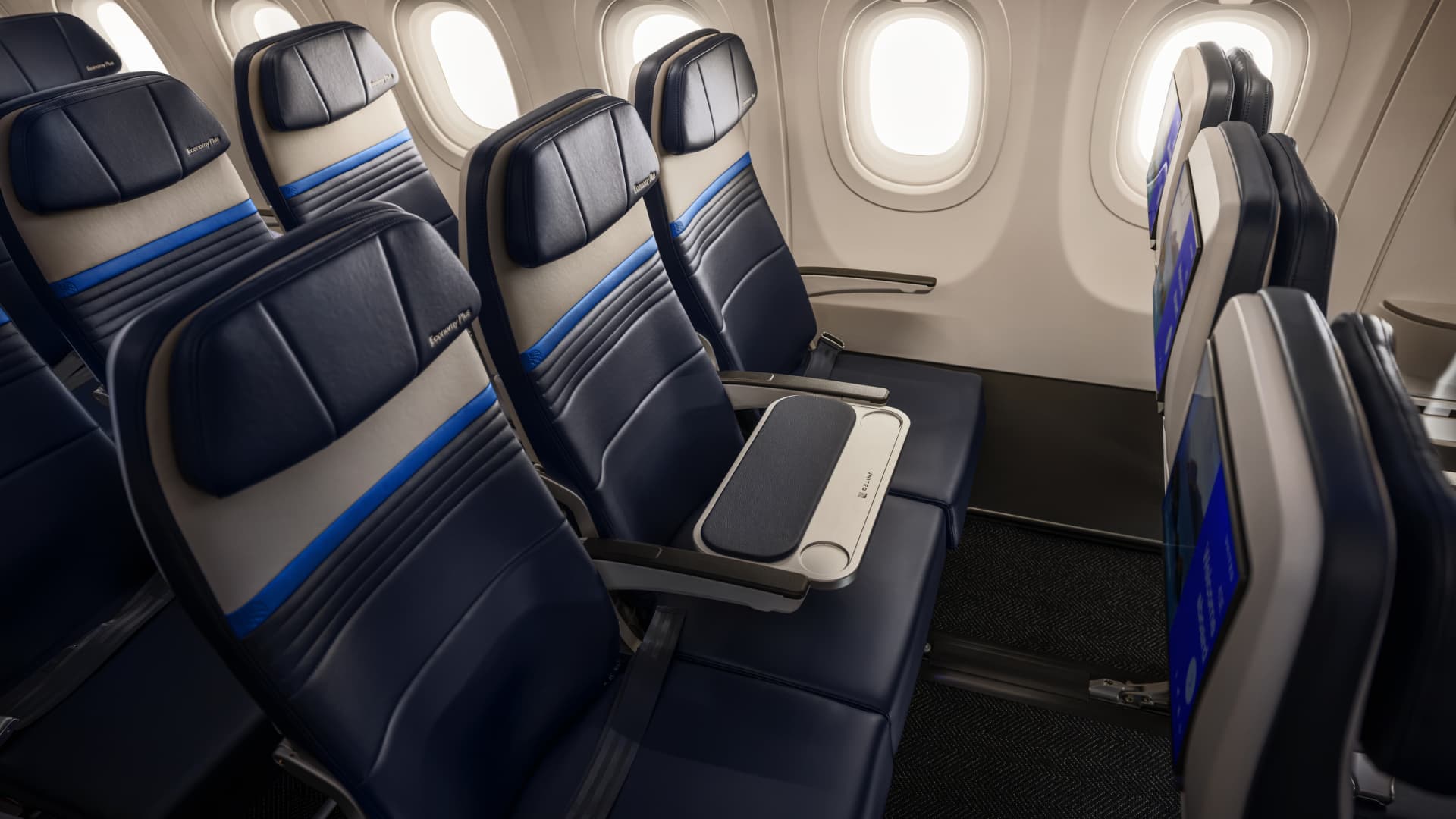
The airline industry is in a continuous state of evolution, with carriers constantly seeking innovative ways to enhance passenger experience while bolstering revenue streams. United Airlines is now at the forefront of this trend, introducing a new upsell strategy that prioritizes passenger comfort by offering an empty middle seat.
🗝️ Corporate Strategy Insights
- Enhanced Premiumization. United is expanding its premium offerings beyond traditional business and first class, creating a tiered comfort experience across the cabin.
- Maximizing Ancillary Revenue. By unbundling perks, the airline aims to increase non-ticket revenue, a critical driver of profitability in a competitive market.
- Competitive Differentiation. Introducing unique comfort options like the empty middle seat or convertible rows allows United to stand out from rivals and cater to diverse passenger needs.
United Airlines announced a novel approach to in-flight comfort and revenue generation, enabling passengers to pay for an empty middle seat in specific rows. This new offering will initially debut on its Airbus A321XLR aircraft, primarily within the extra legroom section. While pricing details for this premium comfort option remain under wraps, the concept mirrors practices seen in European airlines, where an empty middle seat is often sold as a short-haul business class product.
This strategic move by United Airlines follows a broader industry trend toward unbundling services, a strategy also embraced by competitors. Recently, Delta Air Lines introduced ‘basic business-class’ and premium economy fares that no longer include previously standard perks, such as access to top-tier lounges or seat selection. This shift reflects a deliberate effort by airlines to monetize every aspect of the travel experience, moving away from all-inclusive fare structures.
United is not stopping at the empty middle seat. In March, the carrier also revealed plans for ‘Relax Row,’ a set of three economy seats convertible into a bed, slated for deployment on some of its wide-body planes. Such innovations highlight a concerted push to reconfigure aircraft cabins to better capture spending from passengers seeking enhanced comfort and privacy. The increased demand for more elaborate premium seating has even been cited as a factor in delayed deliveries of new aircraft, signaling the industry’s commitment to this revenue model.
Strategically, the introduction of a new United Airlines upsell stream, such as the empty middle seat or ‘Relax Row,’ represents a calculated play to boost revenue per available seat mile (RASM). This initiative directly impacts profitability margins by converting previously unmonetized space into a premium amenity. As passengers increasingly value personal space and comfort, especially on longer flights, these offerings allow United to cater to a segment willing to pay a premium.
Beyond direct revenue, these comfort-focused upsells exert significant competitive pressure on rival carriers. When one major airline introduces a highly desirable amenity, others are compelled to evaluate their own product offerings to avoid losing market share. This could lead to a broader industry trend where previously standard economy cabins become more customizable and segmented, fostering a new frontier for airline differentiation.
The evolving landscape of airline cabins underscores a fundamental shift in revenue strategy, moving beyond basic fares to meticulously price and monetize every aspect of the passenger journey.
While specific financial metrics for these new offerings are pending, the airline industry’s overall trend towards ancillary revenue growth indicates significant potential.
- Ancillary Revenue Growth: Industry-wide, non-ticket revenue streams have seen consistent growth, contributing a larger percentage to overall airline income.
- Premium Cabin Load Factors: High demand for business and first-class seats demonstrates passenger willingness to pay for comfort, validating the strategy.
- Customer Satisfaction Scores: Metrics related to comfort and personalization will be key indicators of success for these new products.
- Revenue per Available Seat Mile (RASM): Ultimately, the financial success of these upsells will be measured by their contribution to improving RASM.
United Airlines Strategic Analysis
United’s proactive stance on cabin configurations, from the A321XLR’s empty middle seat to the ‘Relax Row’ on wide-body jets, aligns with a broader corporate growth strategy aimed at diversifying revenue streams and capturing higher-yield passengers. This focus on customized comfort options, which are gaining traction across global business news, enables United to maintain a competitive edge. It’s a strategic investment in perceived value that could influence future fleet planning and cabin design across its network, emphasizing routes where passenger demand for premium economy or similar segmented offerings is strongest. This deliberate move highlights United’s commitment to agile product development in response to evolving consumer preferences.
United Airlines Competitive Advantages
By being an early adopter and innovator in offering tailored comfort solutions like the empty middle seat, United is carving out a distinct competitive advantage. While other airlines, as seen in Delta’s approach to basic business-class fares, are also unbundling services, United is uniquely focused on monetizing personal space and relaxation. This could resonate strongly with business travelers and leisure passengers willing to invest in a more comfortable flight experience, potentially drawing them away from competitors. The ability to offer novel options provides United with a valuable tool for differentiating its product in a highly commoditized market, influencing consumer choice and driving brand loyalty.
United Airlines’ Upsell Evolution: A Path to Higher Yields?
United’s latest moves to introduce an empty middle seat option and ‘Relax Row’ convertible beds signify a determined effort to redefine value in air travel. These offerings aim to capitalize on passenger demand for enhanced comfort and privacy, driving significant increases in ancillary revenue.
- United Airlines is strategically expanding its premium product offerings, creating new tiers of comfort.
- The airline is proactively addressing evolving passenger preferences for personalized travel experiences.
- This unbundling strategy positions United to boost profitability and potentially gain market share in competitive routes.
Will this aggressive push for customized comfort options fundamentally alter passenger expectations and airline revenue models across the broader stock markets?
📊 StockXpo Analyst’s View
Market Impact: This strategic pivot by United Airlines could send positive signals to investors, suggesting a robust focus on maximizing revenue per seat and operational efficiency. Increased ancillary revenue streams tend to offer more stable profit margins, potentially enhancing investor sentiment and contributing to market liquidity for airline stocks. However, the success will hinge on consumer adoption and pricing sensitivity.
Sector To Watch: The airline sector will be under the microscope as competitors respond. Aircraft interior suppliers and cabin design firms are poised to benefit from increased demand for innovative seating solutions. Conversely, airlines that lag in adapting to this premium unbundling trend may see a decline in competitive positioning and potentially lose market share to more agile players.
Financial Disclaimer:
StockXpo.com is a financial news aggregator and educational portal, not a registered investment advisor or broker-dealer. All information, news, and analysis provided herein are strictly for educational purposes and do not constitute investment, financial, legal, or tax advice. Investing in the stock market involves high risks, and past performance is not indicative of future results. StockXpo will not be liable for any financial losses or investment damages. Always consult a certified financial advisor before making market decisions.
MORE IN INSIDE BUSINESS
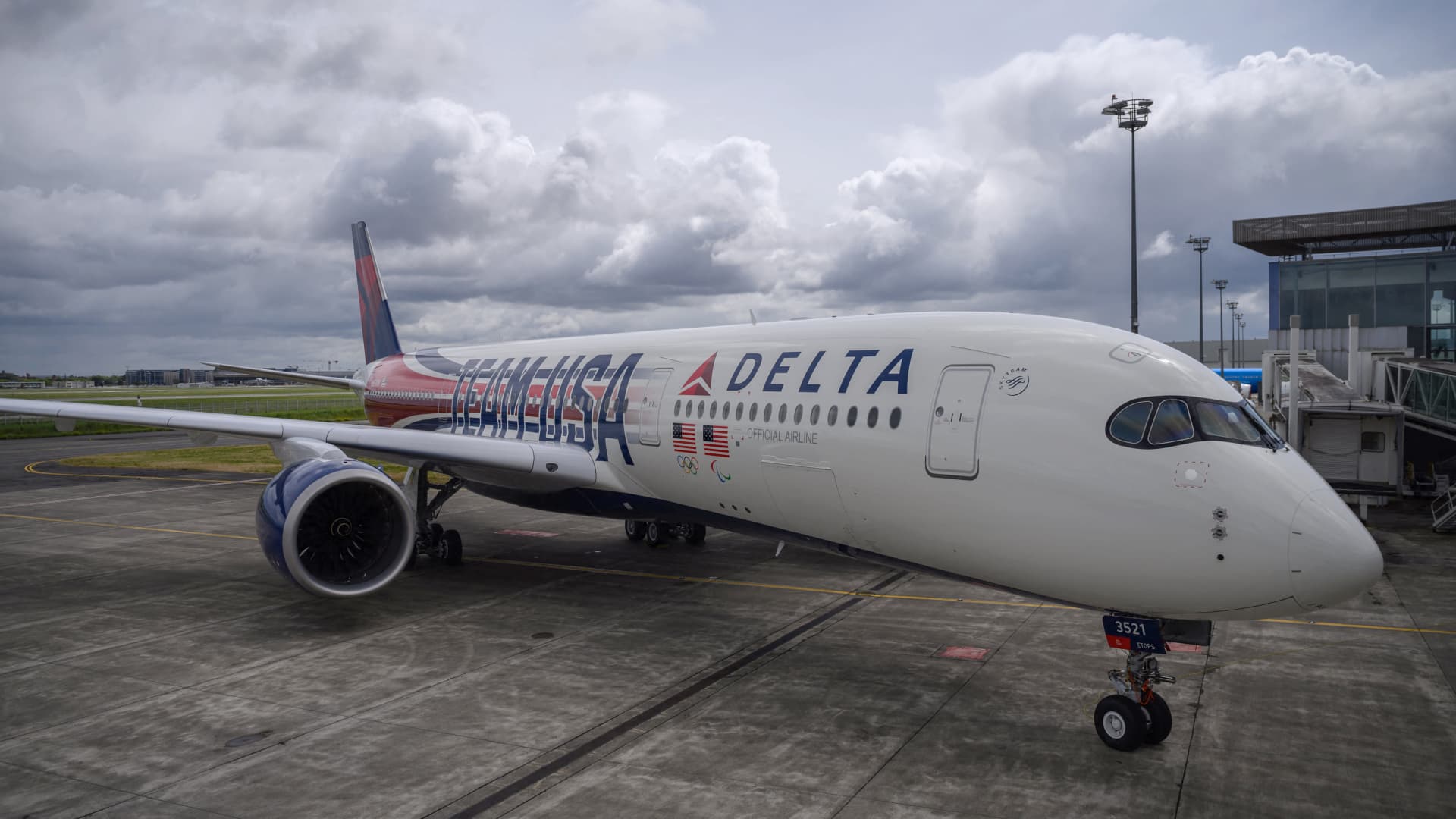
Saudi Arabia Flight Decision: Delta Weighs Safety Amid Regional Tensions
Published: Friday, October 9, 2026 · 7:21 AM
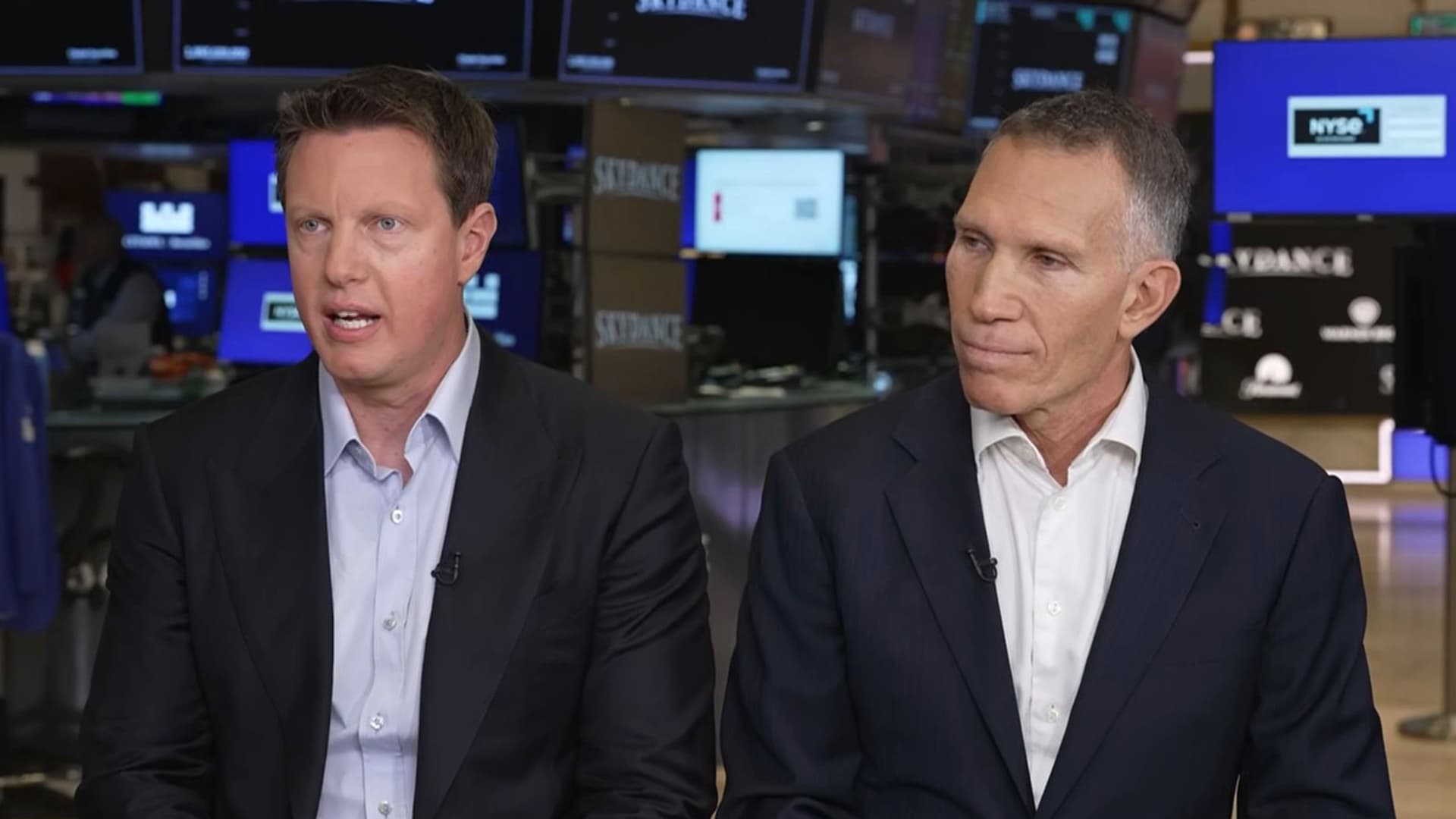
Skydance Vertical Win: Ellison’s Bold Strategy for Media Dominance
Published: Thursday, October 8, 2026 · 12:44 PM


