Published: Monday, June 22, 2026 · 5:19 PM | Updated: Monday, June 22, 2026 · 5:19 PM
📊 259 views




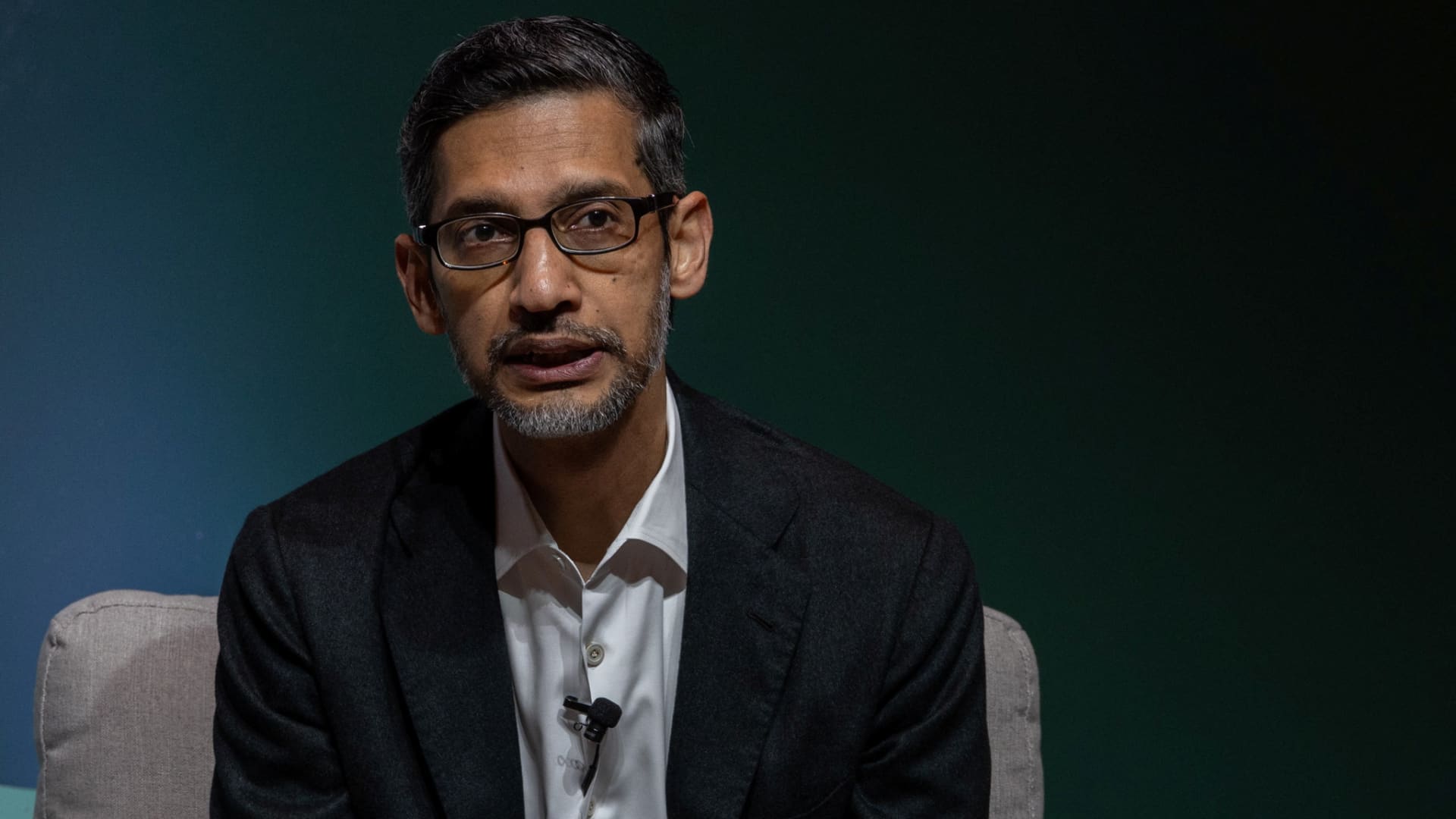
Alphabet’s recent stock slump underscores mounting AI concerns within the tech giant’s ecosystem, as high-profile talent departures and market commentary signal a crucial inflection point. This confluence of events has ignited investor scrutiny over Google’s costly AI strategy and its ability to maintain a durable competitive edge in a rapidly evolving landscape.
🚀 Tech Strategy & Market Disruptions
- Talent Exodus Sparks Jitters. Key AI developers, Noam Shazeer and John Jumper, left for rivals OpenAI and Anthropic, respectively, raising questions about Google’s talent retention.
- Market Commoditization Warnings. Microsoft CEO Satya Nadella’s remarks on AI market commoditization challenge the valuation of heavy R&D spending by ‘AI Giants’ like Alphabet.
- Strategic Investment Scrutiny. Despite significant investments—$141 billion in debt and equity—investors are questioning if Alphabet’s vertically integrated AI stack will yield sustainable advantages or merely pressure margins.
The recent turbulence surrounding Alphabet’s shares, culminating in its steepest decline in a year, highlights profound AI concerns stemming from a double exodus of its leading artificial intelligence researchers. Last week, Noam Shazeer, a co-lead of Google’s foundational Gemini AI models and a key figure in its DeepMind unit, departed for OpenAI, a formidable competitor. This exit was particularly noteworthy given his return to Google less than two years prior, following his co-founding of Character.AI. Just days later, John Jumper, a DeepMind vice president and Nobel Prize laureate renowned for co-creating the groundbreaking AlphaFold AI, announced his move to Anthropic.
These high-profile departures are not isolated incidents but rather critical indicators of an intensifying battle for top-tier AI talent, which directly impacts the pace of innovation and product differentiation. Google, having recently unveiled new AI products such as its Gemini 3.5 Flash model and Gemini Spark AI agent at its annual I/O conference, faces heightened pressure to demonstrate the robustness and uniqueness of its offerings. The intellectual capital embodied by researchers like Shazeer and Jumper is invaluable, representing years of institutional knowledge and pioneering development in complex AI systems.
Further compounding investor anxieties were recent comments by Microsoft CEO Satya Nadella, who expressed a need for less dependence on ‘AI Giants’ and asserted that the AI market was becoming increasingly commoditized. This perspective directly challenges the substantial financial outlays made by Alphabet, which has poured $141 billion into debt and equity financing since October alone to build out its vertically integrated AI stack and data centers. The market is now evaluating whether this massive investment translates into a sustainable competitive advantage or if the commoditization of AI models will lead to diminishing returns and increased margin pressure.
Critical factors now under review include:
- Talent War Intensification: The strategic shift of leading AI researchers to rival platforms underscores the fierce competition for human capital in the nascent AI domain.
- Return on AI Investment: Scrutiny on whether Alphabet’s immense spending on AI infrastructure and R&D will yield proprietary advantages or merely contribute to an increasingly commoditized market.
- Operational Resilience: Reports of outages on key Google services like Gmail and YouTube coincident with the market downturn may also contribute to broader operational concerns.
These developments collectively paint a picture of a company at a crossroads, where its bold AI ambitions are being tempered by market skepticism and the palpable reality of a competitive talent landscape. For more insights on technology market trends, visit our latest analyses on emerging tech innovations.
The departure of key AI architects like Shazeer and Jumper triggers a direct disruption flow: loss of critical intellectual property and expertise → potential slowdown in advanced model development and refinement → competitive disadvantage for Alphabet in frontier AI research → increased ability for rivals OpenAI and Anthropic to accelerate their own capabilities → a potential re-shaping of market leadership in specific AI domains. This chain reaction could lead to a significant reallocation of investor confidence and market share, as the perceived advantage of Google’s scale is weighed against its ability to retain and leverage top-tier talent for innovation.
‘The fluidity of top-tier AI talent is the true pulse of innovation in this era. For a vertically integrated behemoth like Alphabet, retaining these individuals isn’t just about projects; it’s about preserving the very cultural DNA that enables foundational breakthroughs. Their departure signals more than just a project handover; it represents a transfer of strategic foresight and creative momentum to competitors, directly impacting the long-term value proposition of their AI stack.’
Exploring Alphabet’s AI Ecosystem Expansion Potential
Alphabet’s strategic investments in AI, despite recent setbacks, underscore its ambition to build a comprehensive ecosystem that extends beyond search and advertising into new growth vectors. The rollout of advanced Gemini models and Spark AI agents reflects a deliberate push to embed AI across its entire product suite, from cloud services to consumer devices. This expansive vision aims to create a sticky user experience and offer developers a robust platform. The success of this strategy hinges on fostering a vibrant external developer community and seamlessly integrating AI capabilities into everyday applications, making Google’s AI foundational to more aspects of digital life. This ecosystem approach, if successful, could unlock significant revenue streams and reinforce its position against competitors.
Navigating Alphabet’s Market Adoption Challenges
While Alphabet possesses unparalleled resources, its journey towards widespread AI market adoption faces substantial hurdles. The commoditization of AI, as suggested by industry leaders, implies that generic AI models could become interchangeable, eroding the premium for proprietary solutions. Furthermore, user trust and ethical considerations surrounding AI deployment remain critical, particularly for a company with vast data access. The challenge isn’t solely technical; it’s about translating cutting-edge research into practical, trustworthy, and widely accepted applications while fending off nimble, specialized AI startups that can iterate faster. Ensuring that AI innovation translates into tangible user value and sustained revenue growth, rather than merely escalating R&D costs, is paramount. To understand more about emerging technologies, explore our technology insights.
Alphabet’s AI Crossroads: Beyond Talent Departures
The recent talent drain and market commentary suggest Alphabet is at a pivotal juncture, where its ambitious AI investments must translate into tangible competitive advantages rather than just escalating operational costs. The company’s ability to innovate and differentiate its AI offerings will be severely tested by fierce competition and the potential commoditization of core AI services.
- The retention of elite AI talent will be a critical determinant of future innovation velocity.
- Investor sentiment is increasingly tied to the demonstrable ROI of its colossal AI spending.
- The market awaits clearer signals that Google’s integrated AI stack can resist commoditization pressure.
Will Alphabet’s foundational AI strategy secure its long-term dominance, or will the current challenges signal a broader recalibration for all AI giants?
📊 StockXpo Analyst’s View
Market Impact: The departures of key AI figures from Alphabet, coupled with warnings of AI commoditization, introduce significant uncertainty into the valuation of large-cap tech. This fuels investor concern over the sustainability of high R&D spending and could lead to a re-evaluation of growth multiples, particularly for companies heavily invested in AI. We anticipate increased volatility for Alphabet’s stock as the market digests these developments.
Sector To Watch: The ‘talent war’ in AI is intensifying, making the specialized AI research and development sector, particularly startups like OpenAI and Anthropic, increasingly attractive for both investment and strategic partnerships. Conversely, established tech giants must demonstrate robust talent retention strategies and clear monetization pathways for their AI initiatives. For educational tech insights, explore the StockXpo blog.
Bloomberg Technology frequently covers such shifts in the competitive landscape. Additionally, you can find further reports on the competitive landscape and talent shifts in the AI industry on Reuters Technology.
Financial Disclaimer:
StockXpo.com is a financial news aggregator and educational portal, not a registered investment advisor or broker-dealer. All information, news, and analysis provided herein are strictly for educational purposes and do not constitute investment, financial, legal, or tax advice. Investing in the stock market involves high risks, and past performance is not indicative of future results. StockXpo will not be liable for any financial losses or investment damages. Always consult a certified financial advisor before making market decisions.
MORE IN INSIDE TECHNOLOGY

Starlink India: Regulatory Hurdles and Innovation-Driven Growth Risks
Published: Friday, October 9, 2026 · 12:48 AM

Starlink Launch: India’s Digital Transformation Faces Regulatory Risk
Published: Thursday, October 8, 2026 · 1:51 AM